
Beaded Prom Dresses
Beaded Prom Dresses cover the broad prom embellishment category, including gowns with seed beads, bugle beads, pearls, crystals, rhinestones, stones, beaded lace, fringe, appliqué, and mixed sequin-bead surfaces. The product grid may contain fully beaded sheaths, crystal corset gowns, pearl straps, floral-beaded A-lines, rhinestone mermaids, beaded two-piece sets, long sleeves, fringe dresses, plus-size options, and embellished ball gowns. Filter first by the actual invitation or use case, wearer and garment type, required hem or coverage, and exact measurements; then compare the selected seller, fabric, lining, closure, current delivery estimate, and return eligibility.This page is collection-led and compares bead types, placement, base fabrics, silhouettes, weight, care, and alteration risk across multiple products rather than guiding one singular final selection. Retailers frequently combine casual, cocktail, wedding guest, homecoming, prom, work, and formal products inside the same navigation path. This guide separates those intents using construction, length, exposure, venue, and wearer role so the page remains a useful commercial comparison category.Related paths include a beaded prom dress, 2 piece prom dresses, A-line prom dresses, and prom dresses. Each link answers a different shopping question: a beaded prom dress addresses one-gown decision support; 2 piece prom dresses addresses coordinated set shopping; A-line prom dresses addresses silhouette-led comparison; prom dresses addresses the full prom category.


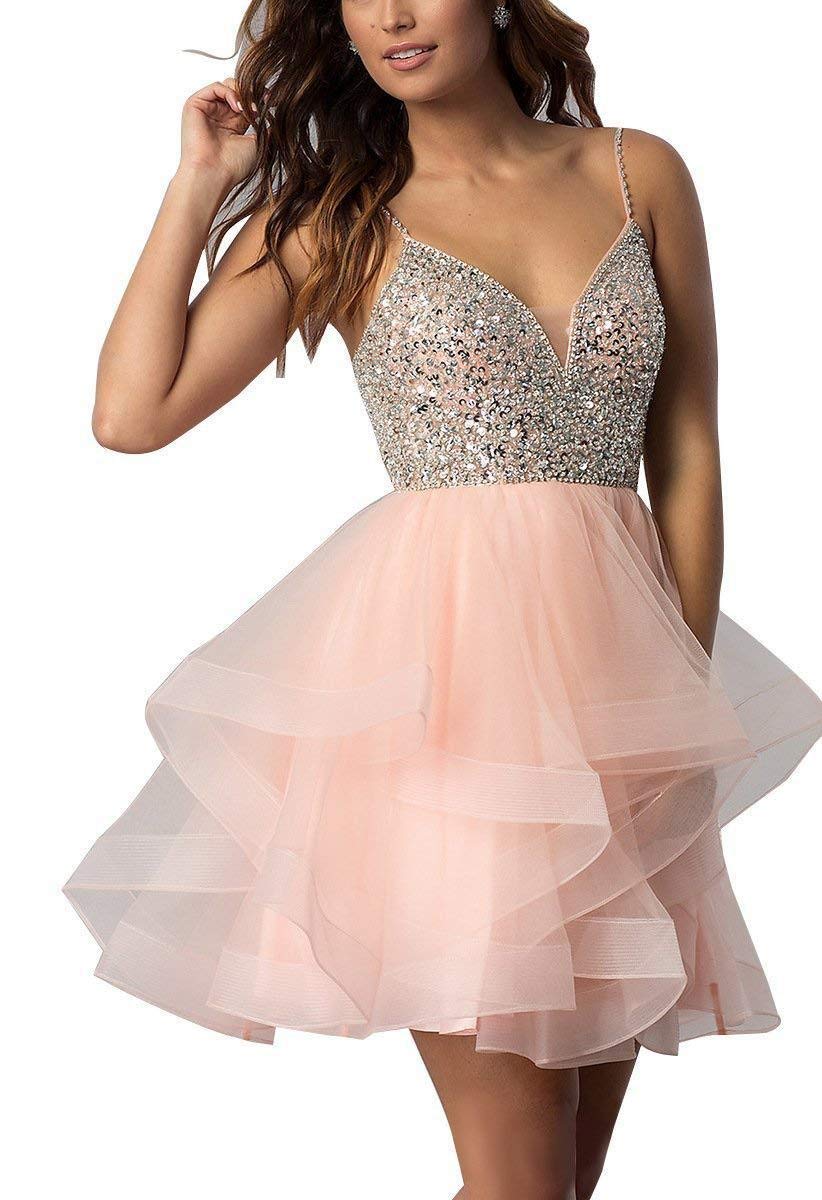
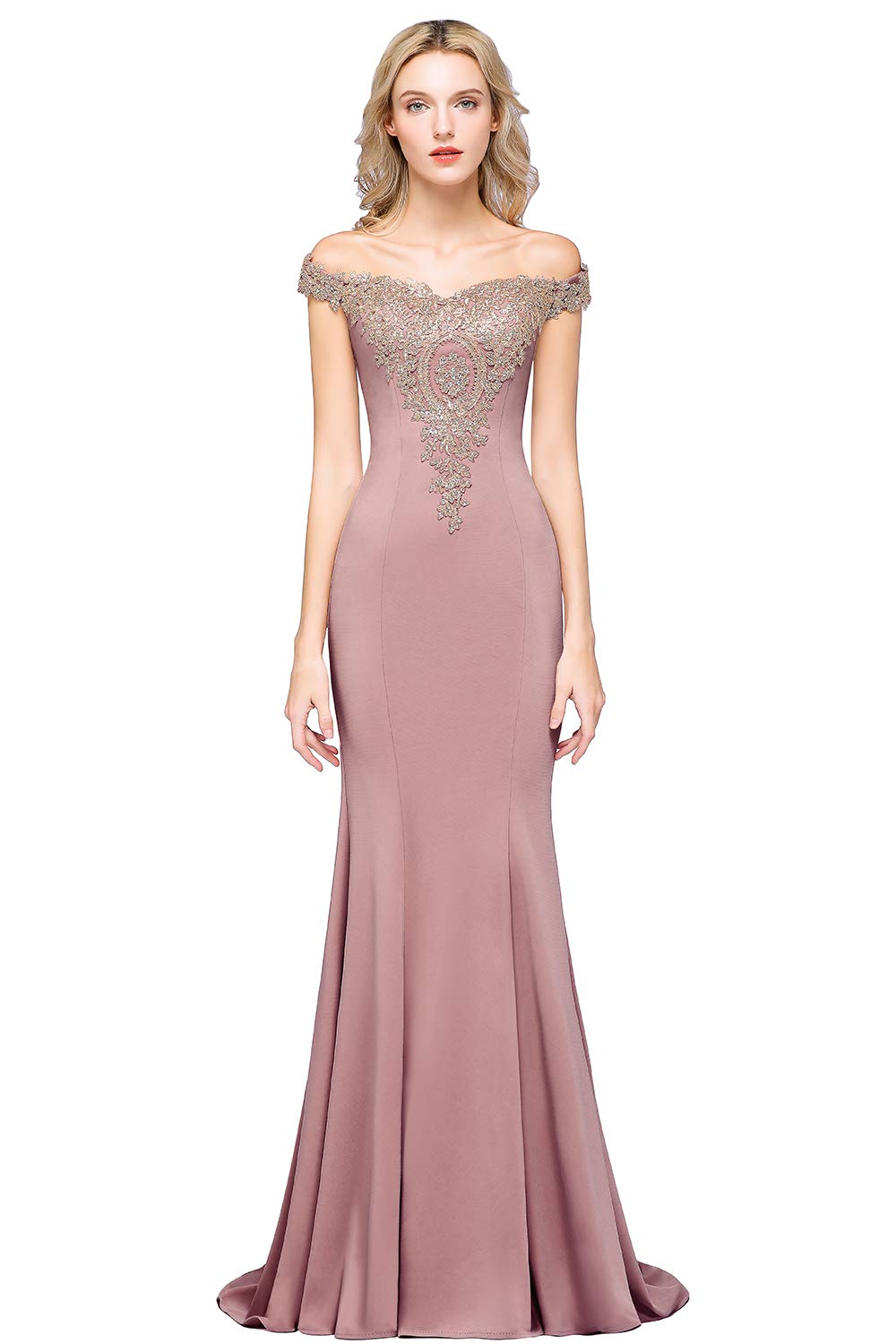
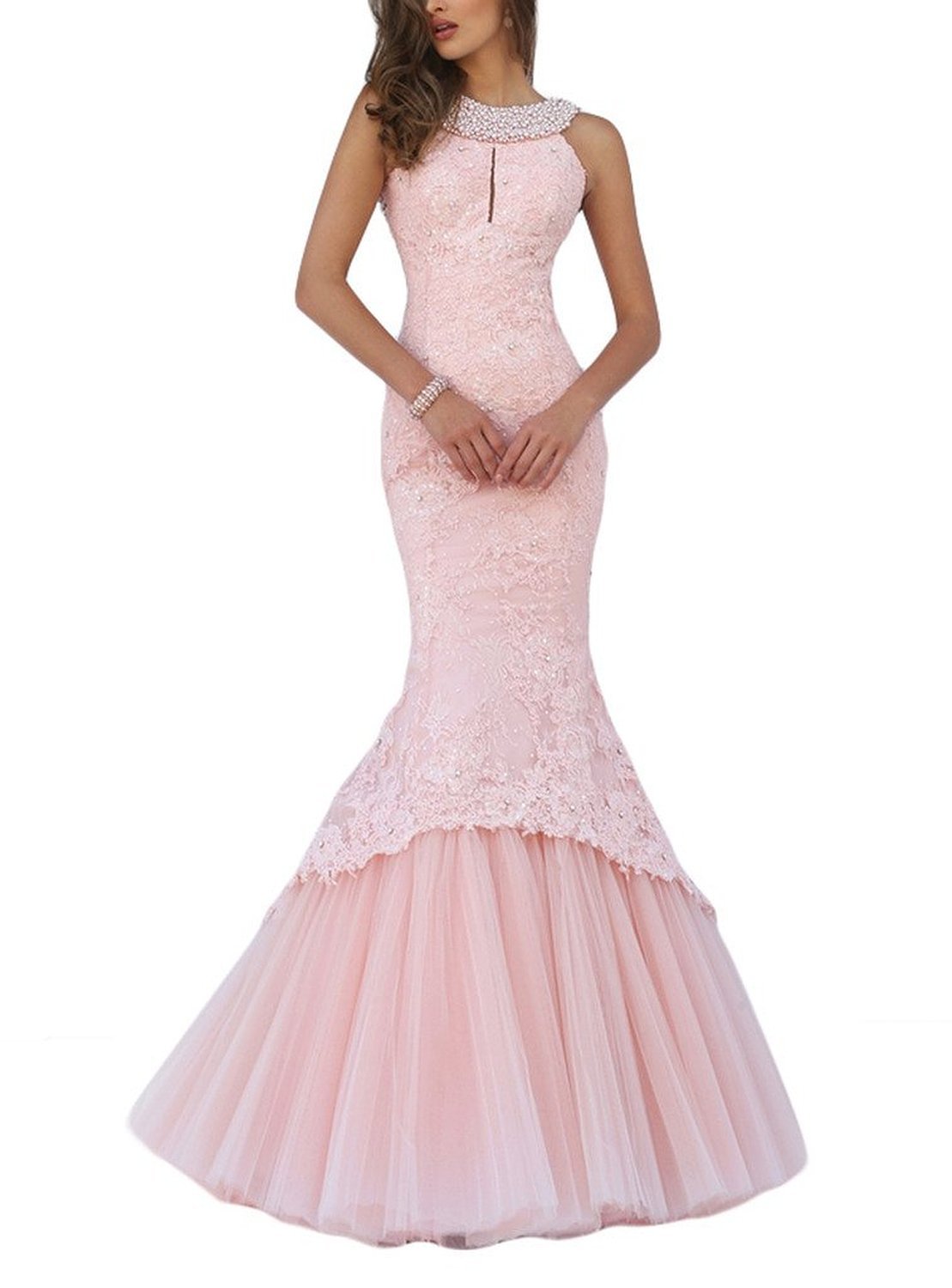
Lovely Romana Women’s Beaded Sweetheart Prom Ball Gown Dresses 2019 Organza Ruffles Skirt Quinceanera Dresses for Sweet 16 Yellow
Original price was: $149.00.$135.00Current price is: $135.00.


Loyeloy Women’s off Shoulder Tulle Prom Dresses Glitter Beaded Long Tulle Tulle Ball Gown Prom Quinceanera Dresses Sweet 15 16 2023 Lavender 12
Original price was: $145.99.$135.99Current price is: $135.99.




Frequently Asked Questions About Beaded Prom Dresses
What types of beads appear on prom dresses?
Common types include seed beads, bugle beads, pearls, crystals, rhinestones, stones, and mixed embellishment.
Are beaded prom dresses the same as sequin dresses?
No. Beads are three-dimensional pieces and sequins are flat discs, although many gowns combine both.
Which beaded prom dress is easiest to alter?
A dress with bead-free side seams and a plain hem is usually simpler than an allover beaded gown.
Are fully beaded prom dresses heavy?
They can be. Weight depends on bead density, base fabric, lining, sleeves, and skirt construction.
How can I compare bead quality online?
Look for close-ups showing spacing, thread, backing, symmetry, borders, and customer reports of shedding or snagging.
Can beaded prom dresses have sleeves?
Yes. Sleeves may be beaded, partly embellished, lace, mesh, or plain; check arm movement and scratching.
What accessories work with beaded prom dresses?
Match visible metal or bead colors and use restrained jewelry and smooth bags that do not snag.
How should beaded prom dresses be stored?
Use supportive hangers or flat support as appropriate, a garment bag, and protection from crushing and rough surfaces.
What should I verify before ordering?
Check bead type, density, placement, weight, measurements, lining, support, alterations, seller, delivery, and returns.
What Counts as Beaded Prom Dresses
Beaded prom dresses use sewn or attached three-dimensional embellishment such as seed beads, bugle beads, pearls, crystals, rhinestones, stones, or mixed decorative elements. Beading may cover the entire gown or appear only on straps, neckline, corset, waist, sleeves, appliqué, or skirt.
Prom is a full-evening formal event, so the label should be supported by lining, stable closures, controlled hems, and enough structure for photographs, seated dining, walking, and dancing. A seller title alone does not establish prom-level quality or school compliance.
Beading Versus Sequins, Glitter, Crystals, and Rhinestones
Retail categories often overlap. Sequins are flat discs, glitter is bonded or woven sparkle, crystals and rhinestones are reflective stones, and beads include a wider range of shapes and materials. Read product details to understand the actual surface and care requirements.
Use the invitation, school guidance, venue, and local tradition rather than assuming every formal dress is interchangeable. Prom often supports longer hems and stronger construction than homecoming, while pageant and quinceañera gowns may use volume, trains, or ornament that is difficult to manage at a school dance.
Beaded Prom Dress Codes and Coverage
Beadwork can decorate opaque fabric or outline sheer corsets, cutouts, open backs, and high slits. The underlying garment must meet school rules even when the embellishment appears dense in photographs. Inspect mesh and lining under bright light and flash.
Read the school or event rules literally and check minimum coverage, cutouts, back depth, slit height, sheer panels, midriff exposure, and footwear requirements. Product words such as modest, formal, or prom do not prove compliance with the policy enforced at entry.
A-Line, Mermaid, Sheath, Ball-Gown, and Two-Piece Beaded Styles
A-line and ball-gown styles often concentrate beads on the bodice, mermaids may use patterns through the hips, sheaths can be fully beaded, and two-piece sets divide weight between top and skirt. Compare movement and alteration needs before choosing density.
Check the gown from front, side, and back after sitting for ten minutes. Pulling at the zipper, cups that shift, a waist seam that climbs, or a skirt that twists indicates a pattern mismatch. Choose the silhouette for the complete schedule rather than one standing photograph.
Long, Short, Slit, Train, and Fringe Beaded Hems
Beaded prom dresses can be short, long, high-low, slit, fringed, or train-bearing. Beads near the floor face abrasion and complicate hemming, while fringe changes effective coverage during movement. Inspect the innermost lining and bead-free seam allowance.
Measure shoulder-to-hem or waist-to-hem against a dress already owned, then repeat the check in the planned shoes. Account for trains, slits, layered hems, horsehair, and petticoats. The hem must clear stairs, vehicles, crowded dance floors, and restroom use without losing the intended line.
Beaded Mesh, Lace, Satin, Tulle, Velvet, and Jersey
Mesh and tulle create an illusion effect but can tear under weight, lace provides texture and attachment points, satin shows stitch puckering, velvet deepens sparkle, and jersey may stretch. The base fabric must carry the bead density without sagging.
Inspect daylight and flash photographs for transparency, exaggerated shine, color shift, cling, seam strain, static, and shedding. Confirm the material, lining, stretch direction, care instructions, and exact variation on the final seller page. The fabric name alone does not establish durability or formality.
Bead Attachment and Gown Construction
Compare hand-sewn versus machine-attached patterns, knots, thread, glued stones, backing, lining, boning, cups, zippers, straps, and slit reinforcement. Loose beads at arrival can indicate shipping abrasion or weak attachment. Check whether spare beads are included.
Test every zipper, button, tie, snap, hook, strap, and lace-up panel before removing tags. Check boning, cups, waist stays, slit reinforcement, lining length, bead security, and whether decoration crosses likely alteration points. Weak internal construction becomes more obvious after several hours of wear.
Support in Heavily Beaded Bodices
Allover or bodice beading adds weight that must be anchored through straps, shoulders, waist stays, corsetry, or a secure waistband. Narrow straps can cut in and strapless tops can slide. Choose the size from the rigid internal bodice rather than the skirt volume.
Fit the dress with the intended bra, cups, tape, or base layer. Inspect side coverage, back height, bust depth, torso length, shoulder pressure, and whether the neckline remains stable while sitting, hugging, and raising both arms. Tape should be a finishing aid rather than the only support system.
Beaded Sleeves, Straps, Necklines, and Underarms
Beads at underarms, inner sleeves, straps, high necks, and off-shoulder edges can scratch or snag. Long sleeves need elbow movement and lining, while pearl or rhinestone straps require secure attachment. Test outerwear over every embellished shoulder detail.
Measure shoulders and upper arms and test reaching, dancing, and coat compatibility. A sleeve chosen for a cold arrival can overheat in a crowded venue, while a tight jacket can move straps, crush embellishment, or pull an off-shoulder edge upward.
Sizing Across Different Bead Patterns
Beadwork can reduce stretch and limit seam changes, so exact measurements are essential. Motifs may be repositioned or spaced differently across sizes. Review photographs in the selected size and choose from the least flexible beaded, lined, or boned area.
Use current measurements in the planned undergarments and compare them with the exact seller chart. Choose from the least flexible area, such as a woven bodice, rigid waistband, lined sleeve, fixed cup, or fitted hip. Reviews are most useful when they identify height, measurements, size, and variation.
Color, Metal Finish, and Flash Reflection
Clear, silver, gold, rose-gold, pearl, iridescent, black, and colored beads change the dress shade and accessory options. Flash can create hotspots or expose mesh and cups. Compare the exact variation in daylight and venue-like lighting.
Compare the selected shade in daylight, warm indoor light, and flash after delivery. Satin, sequins, tulle, velvet, and beads can shift the apparent color. Confirm theme restrictions, group coordination, and whether the received shade photographs distinctly from friends or a date's outfit.
Transport, Storage, and Beaded Gown Weight
Heavy gowns need supportive hangers, garment bags, vehicle space, and careful handling. Avoid folding dense beads against each other for long periods. Keep hook-and-loop fasteners, rough jewelry, and textured bags away from the surface.
Plan transportation, outdoor lines, coat storage, venue heat, stairs, and the walking surface. Prom may involve cold arrivals and a warm dance floor in the same evening. Outerwear should fit without moving the neckline or damaging texture.
Movement Testing Across Beaded Silhouettes
Fully beaded sheaths may restrict stride, mermaids may concentrate weight below the hip, and beaded ball gowns can be tiring. Sit, turn, dance, climb stairs, and raise both arms to identify scratching, pulling, loose strands, or shifting weight.
Complete a fifteen-minute rehearsal in the full outfit. Sit, bend, step up, turn, raise both arms, walk at event pace, practice dancing, enter a vehicle, and test restroom access. Reject repeated adjustment, restricted breathing, exposed lining, unstable pieces, or a hem that cannot be managed safely.
Base Layers Under Beaded and Illusion Gowns
Smooth skin-tone bras, cups, slips, shorts, or shapewear may be needed beneath illusion or fitted designs. Test pressure points under rigid beadwork and check flash transparency. Base layers should not catch the backing or make a fitted bodice too tight.
Test the complete outfit in daylight and flash, then remain seated long enough to identify rolling bands, visible straps, cup edges, lining contrast, or restricted breathing. Do not size down to force compression or use shapewear to correct a wrong bodice, waist, or hip pattern.
Styling Different Bead Finishes
Use bead color and placement to select jewelry. Pearl details can support pearl or simple metal accents, crystal gowns often need restrained jewelry, and colored beads may already provide contrast. Smooth clutches and secure shoes reduce snag risk.
Choose shoes before final hem approval and practice walking on the actual surface. Match jewelry to the neckline and beadwork, avoid bags that snag delicate fabric, and use a secure small bag for a phone, ID, ticket, and emergency items. Accessories should not conceal a weak fit.
Petite, Tall, Plus-Size, and Adaptive Beaded Options
Inclusive beaded design requires correct cup spacing, waist motif placement, sleeve length, slit position, and closure access across sizes. Look for size-specific photographs and useful garment dimensions rather than assuming decoration scales automatically.
Look for size-specific photographs and garment measurements when available. Petite, tall, plus, junior, maternity, and adaptive shoppers may need different torso lengths, cup placement, sleeve positions, closure access, and hem measurements in the same visual style.
Alteration Difficulty by Bead Location
Beads on straps, side seams, waist, cups, sleeves, hem, or zipper paths increase tailoring time. Bodice-only beading may leave a plain skirt hem, while allover patterns can require hand removal and replacement. Price the likely work before buying.
Get a tailoring estimate before the return deadline and bring the final shoes and support layers to every fitting. Plain hems and straps are usually simpler than beading, boning, corset cups, lace borders, layered tulle, sleeves, trains, and horsehair hems.
Shopping Beaded Prom Dresses Online
Filter by silhouette, bead placement, color, size, neckline, sleeve, length, and budget, then verify the exact seller. Inspect close-up photographs, backing, care, delivery, return terms, and damage policy for the selected variation.
Save the selected seller, color, size chart, delivery estimate, and return policy at checkout. Order early enough for one failed option, exchange, alterations, steaming, and a full movement test. Final sale requires verified measurements and acceptable color and fit risk.
Choosing Bead Density for Comfort and Impact
Light scattered beading adds controlled sparkle, concentrated bodice beading creates a focal point, and allover beading maximizes reflection and weight. Dense patterns can feel warmer, stiffer, and more expensive to alter or repair.
Select density for the full event schedule and wearer preference. A dress does not need maximum surface coverage to look formal. Strategic beading at the neckline, waist, straps, or appliqué can provide definition with less weight and snag risk.
Comparing Bead Quality Across Products
Look for consistent spacing, secure thread, symmetrical motifs, smooth backing, protected knots, aligned borders, and minimal shedding. Product price and bead count do not guarantee quality; the received garment and close-up construction decide.
Gently inspect a hidden area and photograph any loss before removing tags. Avoid pulling loose threads or attempting repairs that affect return eligibility. A reliable seller should provide clear care and damage-resolution terms.
Final Beaded Prom Dresses Checklist
Before ordering, confirm school rules, bead type, density and placement, silhouette, measurements, fabric, lining, support, dress weight, alteration paths, seller, delivery, damage policy, returns, and care.
After delivery, inspect the prom dress in daylight and flash, test every closure, and rehearse the full event schedule. Keep it only when it remains secure without repeated adjustment, satisfies the school or venue rules, and can be managed safely through transportation, photographs, dining, and dancing.