
Ball Gown Prom Dresses
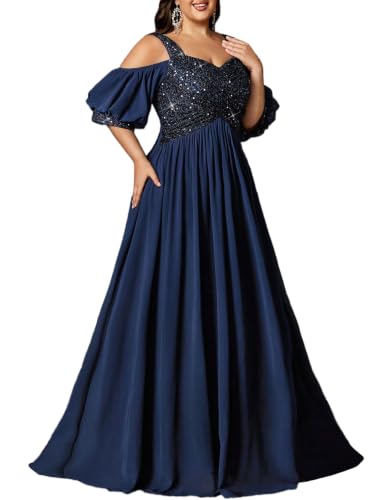
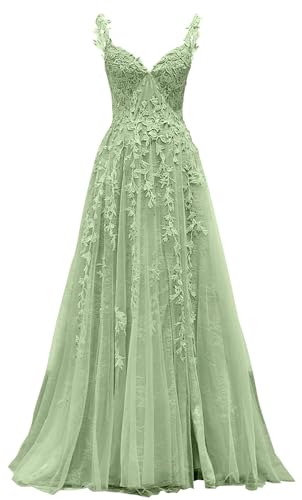
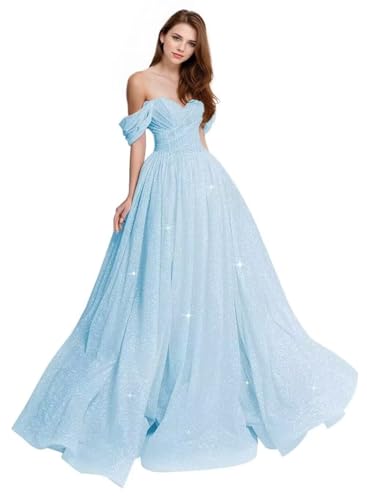
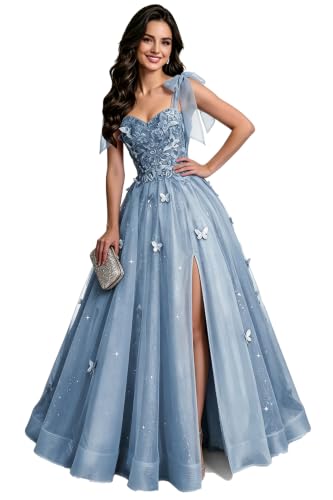
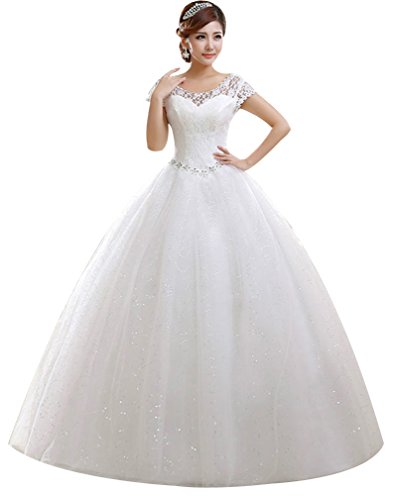
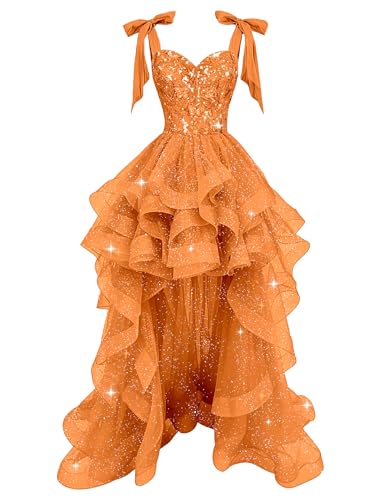
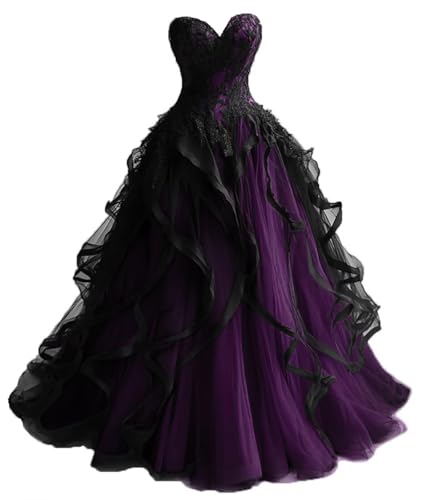
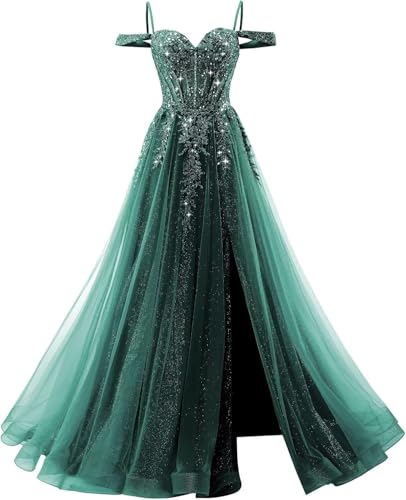
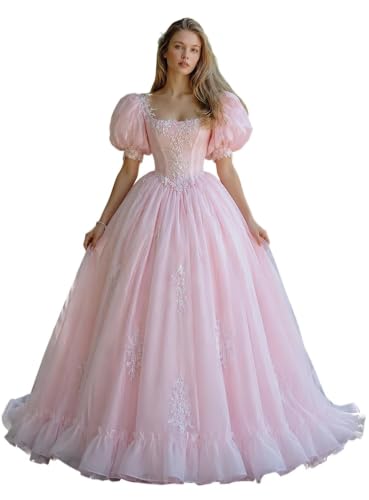
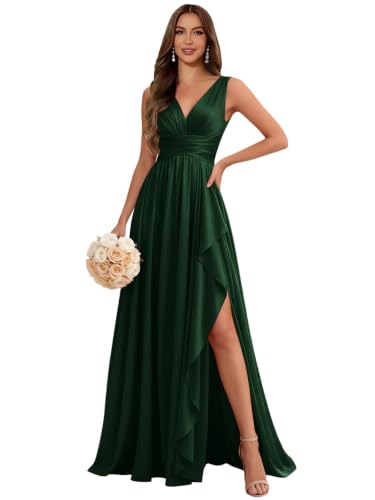
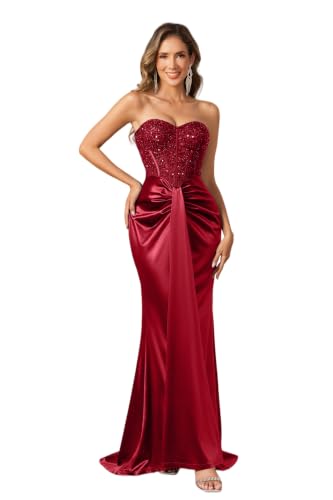
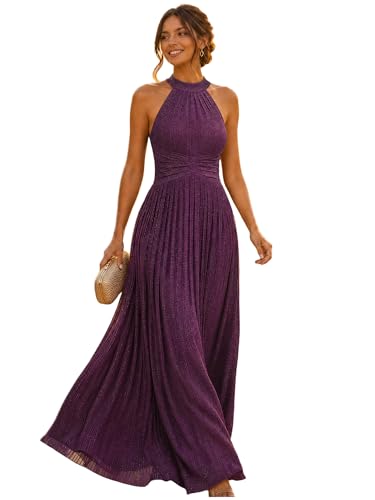
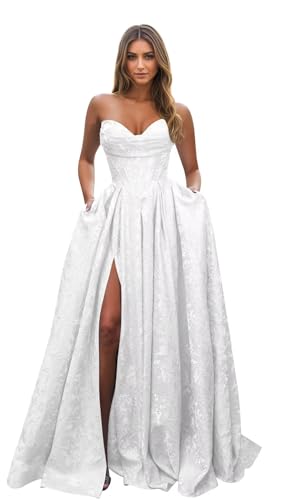
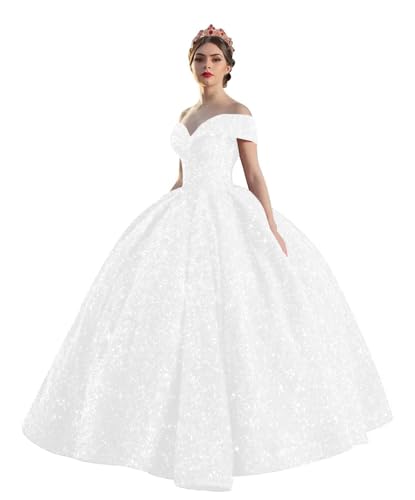
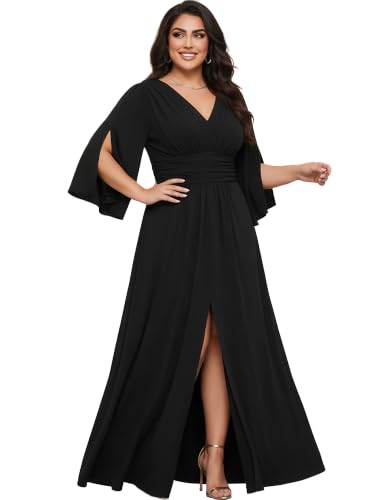
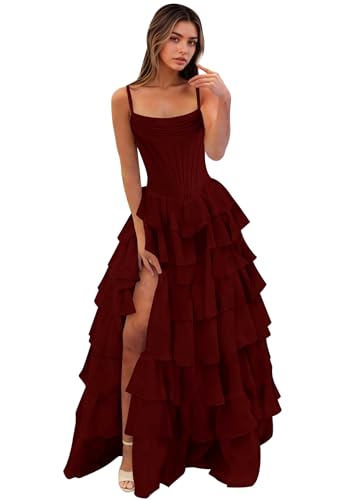
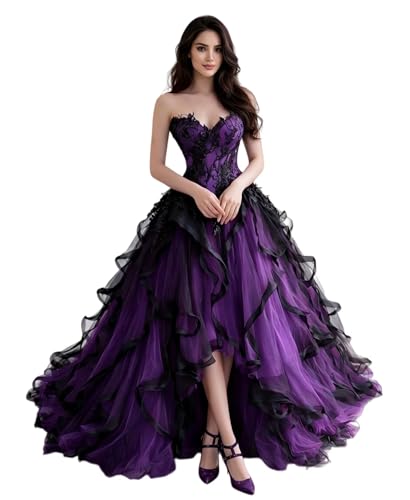
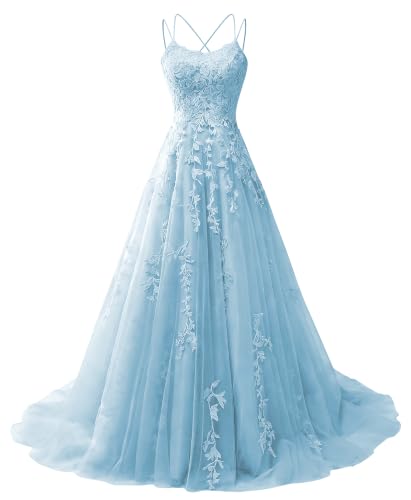
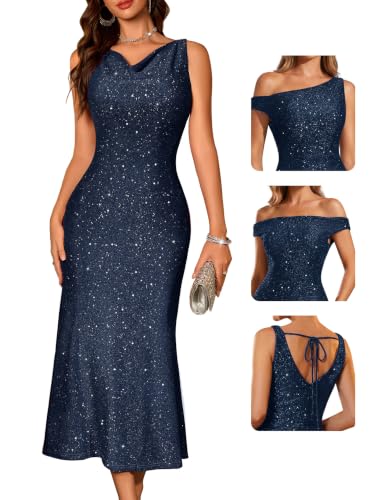
Ball gown prom dresses combine a fitted or structured upper body with a dramatically full skirt. Volume may come from gathered tulle, organza, horsehair braid, crinoline, petticoats, stiff satin, layered ruffles, or a separate hoop. Marketplace titles often use ball gown, princess, poofy, and A-line interchangeably, so the actual skirt architecture and bodice support matter more than the keyword.Browse the products above to compare the currently indexed marketplace selection. The guide below focuses on evidence-based fit, construction, event suitability, care, and seller verification rather than promising that every product tagged to the category is an exact match.Affiliate shopping note: MotherBrideDress may earn a commission from qualifying purchases. MotherBrideDress is an affiliate discovery website and does not manufacture, stock, sell, ship, or accept returns for the products displayed. Amazon or the listed marketplace seller controls the current price, size and color availability, seller identity, shipping estimate, item condition, and return terms. Confirm the exact selected variation and seller information on the live product page before checkout.












Frequently Asked Questions About Ball Gown Prom Dresses
What makes a prom dress a ball gown?
A true ball gown has a fitted or structured bodice and a markedly full skirt supported by gathers, layers, stiff fabric, crinoline, or a hoop.
Is a petticoat included with a ball gown prom dress?
Sometimes, but never assume it. Check the selected listing and ask the seller whether the photographed volume requires a separate petticoat or hoop.
Can I dance in a ball gown?
Yes when the bodice is secure and the skirt is manageable, but practice walking, turning, stairs, and dancing before prom.
How should a ball gown be hemmed?
With the final shoes and every volume layer or hoop in place, because those components change the hem position.
Will a ball gown fit in a normal car?
It may, but large skirts and hoops need space. Test the vehicle plan and protect the dress from doors, seat belts, and dirty floors.
Can a train be added to a bustle?
Often, but a tailor must evaluate the fabric, weight, seams, and attachment point. Ask before the event.
How do I store a full tulle skirt?
Use a large breathable garment bag with enough space to avoid crushing, and follow the fabric’s steaming and hanging instructions.
Who controls the live size chart and returns?
Amazon or the listed seller controls sizing and returns for the exact product variation.
How to Choose Ball Gown Prom Dresses with Better Evidence
Treat the product grid as a discovery set rather than a guarantee that every item is classified perfectly. The exact selected variation and seller evidence should control the decision.
Most important risk: the wearer may order the visual volume without planning the physical space. A large skirt affects cars, doorways, chairs, stairs, restroom use, dancing, storage, pressing, and alterations.
Determine What Creates the Ball-Gown Volume
Gathered tulle layers
Multiple layers create light, diffuse volume. Check layer count, lining length, scratchy edges, wrinkles, and whether the skirt collapses without a petticoat. Do not let one close photograph outweigh missing evidence about the full silhouette, interior, back view, or measurements.
Structured satin or mikado
A firm woven fabric can hold shape with fewer layers. Inspect seam bulk, crease recovery, weight, and how the skirt behaves while seated. Use full-length front, side, and back views, then test the delivered garment while seated and moving.
Hoop or crinoline support
A hoop creates predictable circumference but changes movement and chair use. Confirm whether it is included, recommended, or prohibited by the venue. Record the result instead of relying on memory; small differences become clearer when several listings use similar descriptions.
Tiered or ruffled construction
Horizontal layers create movement and drama. Check even spacing, attachment strength, added hip volume, and cleaning difficulty. Evaluate the selected variation because one marketplace page may combine several colors, sizes, sellers, or related designs.
Horsehair or wired hem
A reinforced hem keeps the skirt open and can create waves. Inspect sharp ends, twisting, packing damage, and alteration complexity. Consider appearance and operation together: support, closure, lining, comfort, and alteration feasibility determine real usability.
Fit Details That Change the Result
Bodice must carry the skirt
A heavy skirt pulls downward. Confirm boning, waist stay, lacing, zipper strength, cup placement, and whether straps are decorative or functional. Consider appearance and operation together: support, closure, lining, comfort, and alteration feasibility determine real usability.
Natural waist position
The transition from fitted bodice to full skirt should fall at the intended waist. Too high changes torso proportion; too low can restrict sitting. Do not let one close photograph outweigh missing evidence about the full silhouette, interior, back view, or measurements.
Full skirt clearance
Measure the likely diameter and practice walking without kicking the layers. The wearer should control the dress rather than lift it constantly. Use full-length front, side, and back views, then test the delivered garment while seated and moving.
Train and bustle
A train intensifies the silhouette but needs a bustle or carrying plan. Ask whether the fabric and seam structure support one. Record the result instead of relying on memory; small differences become clearer when several listings use similar descriptions.
Hem with final shoes
Volume changes hem position. Fit the dress with the petticoat or hoop and exact shoe height before alteration. Evaluate the selected variation because one marketplace page may combine several colors, sizes, sellers, or related designs.
Measurements, Ease, and Movement
Take current body and vertical measurements
Measure bust, waist, high hip, full hip, shoulder width, torso length, sleeve dimensions, and the shoulder-to-hem length relevant to the garment. Measure over the undergarments planned for the event. Marketplace charts are not standardized, so a remembered U.S. size is not enough. Evaluate the selected variation because one marketplace page may combine several colors, sizes, sellers, or related designs.
Compare body and garment dimensions
When finished garment measurements are available, compare them with the body chart and the intended ease. A rigid woven bodice, stretch knit, full skirt, and bias-cut slip require different room. Consider appearance and operation together: support, closure, lining, comfort, and alteration feasibility determine real usability.
Test the complete range of motion
Walk, sit for several minutes, climb stairs, reach, raise the arms, turn, and enter or leave a car. Watch for rising hems, twisting seams, opening wraps, tight linings, pressure, slipping necklines, or scratchiness. Do not let one close photograph outweigh missing evidence about the full silhouette, interior, back view, or measurements.
Use the planned shoes and support
Bras, shapewear, slips, hosiery, adhesive products, and heel height change fit and hem position. Test them during the return window rather than on the event day. Use full-length front, side, and back views, then test the delivered garment while seated and moving.
Price alteration limits before acceptance
Simple straps and plain hems may be manageable, while lace borders, beadwork, boning, print matching, trains, and unusual seams can make changes expensive or risky. Record the result instead of relying on memory; small differences become clearer when several listings use similar descriptions.
Fabric, Lining, and Surface Behavior
Tulle
Lightweight volume is common, but tulle can snag, crush, or scratch. Check softness, edge finish, glitter shedding, and storage space. Do not let one close photograph outweigh missing evidence about the full silhouette, interior, back view, or measurements.
Organza
Organza is crisp and luminous. It can hold shape but may crease, fray, or produce sharp seam allowance without good lining. Use full-length front, side, and back views, then test the delivered garment while seated and moving.
Mikado and heavy satin
These create architectural folds and a formal finish. Expect more weight and visible creases; verify pressing instructions. Record the result instead of relying on memory; small differences become clearer when several listings use similar descriptions.
Lace applique over tulle
Applique adds dimension but also weight. Inspect glue, stitching, motif balance, and whether pieces are damaged during packing. Evaluate the selected variation because one marketplace page may combine several colors, sizes, sellers, or related designs.
Sequins and beaded bodices
Embellished tops can counterbalance a simple skirt. Check underarm comfort, missing pieces, attachment, and how the weight affects support. Consider appearance and operation together: support, closure, lining, comfort, and alteration feasibility determine real usability.
Venue-Space and Movement Test
Mark the approximate skirt radius on the floor and practice turning, sitting, and walking through a doorway. This simple exercise reveals whether the visual scale works in the real venue.
Sit in a chair with arms and one without. A hoop may tilt; tulle may compress; a rigid satin skirt may push upward. The bodice should remain secure through all of those changes.
Practice stairs while holding only enough skirt to see the feet. Carrying the entire front too high can expose the petticoat and destabilize the wearer.
Assign a trusted person to understand the bustle, lacing, zipper, and skirt layers. A complex gown should not depend on instructions being discovered in a restroom.
Match the Dress to the Real Occasion
Large ballroom prom
A true ball gown suits a spacious venue, provided seating, coat check, and dance-floor logistics are manageable. Use full-length front, side, and back views, then test the delivered garment while seated and moving.
Small school hall
Reduced volume, removable petticoat, or an A-line alternative may be more practical in tight seating. Record the result instead of relying on memory; small differences become clearer when several listings use similar descriptions.
Prom photographs
The skirt creates strong posing opportunities. Practice hand position, stairs, sitting, and group spacing before the event. Evaluate the selected variation because one marketplace page may combine several colors, sizes, sellers, or related designs.
Dinner and dancing
Test whether the bodice remains comfortable after sitting and whether the skirt can be controlled without blocking others. Consider appearance and operation together: support, closure, lining, comfort, and alteration feasibility determine real usability.
Travel to the venue
Plan vehicle size, garment bag, wrinkle release, and a helper when the dress cannot be compressed safely. Do not let one close photograph outweigh missing evidence about the full silhouette, interior, back view, or measurements.
Accessories and Outfit Balance
Scale jewelry to the bodice
A detailed bodice needs little additional decoration; a plain strapless top may support a necklace or statement earrings. Record the result instead of relying on memory; small differences become clearer when several listings use similar descriptions.
Use secure shoes
Shoes are partly hidden, but stability matters because the wearer cannot always see the floor through the skirt. Evaluate the selected variation because one marketplace page may combine several colors, sizes, sellers, or related designs.
Choose a compact bag
A small bag should carry essentials without catching on tulle or competing with the silhouette. Consider appearance and operation together: support, closure, lining, comfort, and alteration feasibility determine real usability.
Plan outerwear early
A standard coat may crush the skirt or not close. Consider a wrap, cape, or vehicle-to-venue plan suitable for weather. Do not let one close photograph outweigh missing evidence about the full silhouette, interior, back view, or measurements.
Use a practiced bustle or wrist loop
Any train-management feature should be tested repeatedly and reinforced if necessary. Use full-length front, side, and back views, then test the delivered garment while seated and moving.
How to Evaluate the Exact Marketplace Listing
Select the intended size and color first. Then reread the title, seller, brand, condition, price, delivery estimate, material, size chart, included pieces, and return policy. Marketplace information can change when the variation changes.
- Actual skirt layers and lining
- Whether hoop or petticoat is included
- Bodice boning and waist support
- Train length and bustle feasibility
- Garment length with volume structure
- Package size and wrinkle recovery
- Venue and transportation practicality
- Return policy after steaming or alteration
Reviews are useful when they provide body measurements, height, selected size, recent photographs, movement comments, and seller-specific evidence. A one-line opinion is less diagnostic than repeated detail about fit, fabric, color, condition, closure, shipping, or returns.
Save the selected variation and terms when timing or coordination matters. Do not assume that a delivery date, discount, seller, or return window will remain unchanged.
Delivery Inspection and Return-Window Test
- Confirm that the delivered color, size, brand, seller information, condition, and included pieces match the order.
- Inspect seams, zipper, hooks, lining, hem, surface detail, stains, odors, pulls, and signs of prior wear before a long try-on.
- Test the garment in daylight, indoor light, and phone flash; photograph front, side, and back at normal posture.
- Repeat sitting, walking, stairs, arm movement, shoes, support, outerwear, and event-specific tests.
- Keep tags, packaging, spare pieces, and order documentation until the garment passes every check and the return decision is complete.
Complete the inspection promptly. Event clothing often becomes a problem because the buyer waits until the exchange or alteration window has closed.
Alterations, Care, and Storage
Read the sewn-in care label and compare it with the listing. Do not assume that every garment in the category can be washed, steamed, pressed, or spot-treated in the same way. Use professional care when delicate fabric, age, dye, embellishment, or adhesive requires it.
Ask a tailor before ordering when the likely change crosses a zipper, boning, print, lace motif, beadwork, shaped hem, sleeve, train, or complex lining. Total cost and risk may make another listing the better value.
Store the accepted garment clean, fully dry, and protected from rough surfaces. Support heavy pieces, avoid crushing structured fabric or detail, and allow enough space that the neckline, sleeves, and hem do not distort.
Common Shopping Mistakes
- Assuming A-line and ball gown mean the same structure
- Ordering without knowing whether a petticoat is needed
- Hemming before adding the final hoop or shoes
- Ignoring skirt weight on the bodice
- Choosing an unmanageable train
- Using rough jewelry around tulle
- Packing the dress tightly at the last minute
- Failing to practice sitting and stairs
Reject a dress that succeeds only in a still front photograph. Keep the option that fits the actual event, survives movement, coordinates with the planned outfit, arrives with workable seller terms, and requires no uncertain last-minute correction.
Final Shopping Checklist
- Confirm the exact category intent, selected variation, seller, and current return terms.
- Take current measurements and compare the correct chart rather than a familiar size label.
- Check neckline, shoulder, bust, waist, hip, sleeve, lining, and actual hem placement.
- Review fabric opacity, stretch, reflection, surface comfort, and care requirements.
- Test sitting, walking, stairs, reaching, dancing, shoes, support, and outerwear.
- Inspect the delivered condition and color in several lighting environments.
- Estimate tailoring, cleaning, accessory, and backup costs before final acceptance.
- Keep tags and packaging until the complete decision is finished.
Explore Related Dress Collections
Use these related MotherBrideDress category pages to change one shopping variable at a time. The internal links separate color, occasion, size, construction, and formality rather than forcing every adjacent keyword onto one page.
Affiliate shopping note: MotherBrideDress may earn a commission from qualifying purchases. MotherBrideDress is an affiliate discovery website and does not manufacture, stock, sell, ship, or accept returns for the products displayed. Amazon or the listed marketplace seller controls the current price, size and color availability, seller identity, shipping estimate, item condition, and return terms. Confirm the exact selected variation and seller information on the live product page before checkout.