
Plus Size 22 Dresses for Women
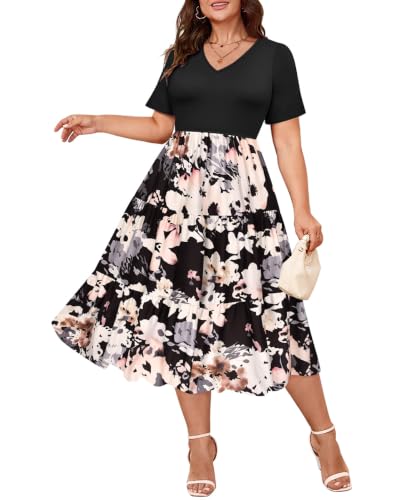
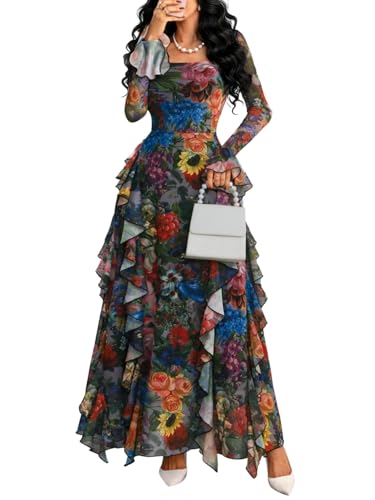
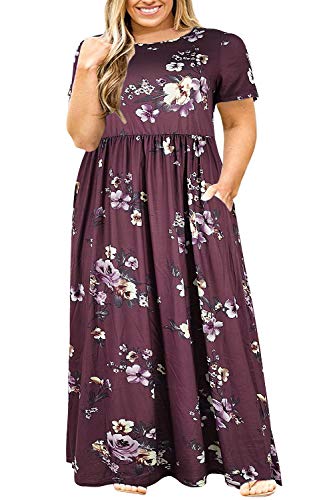
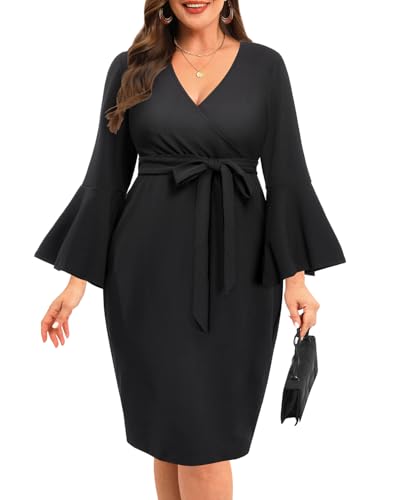
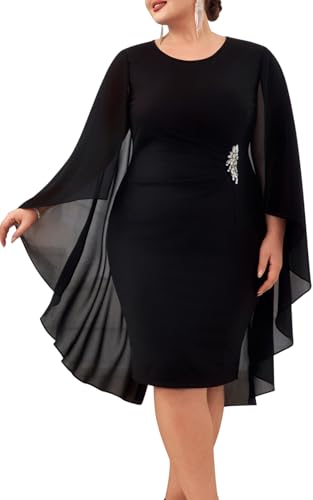
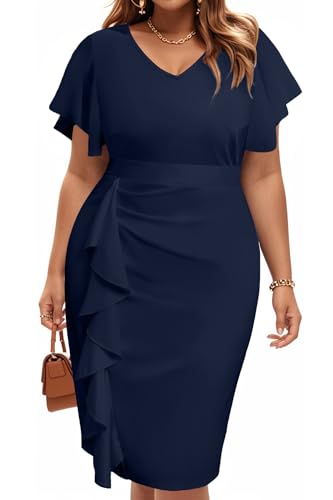
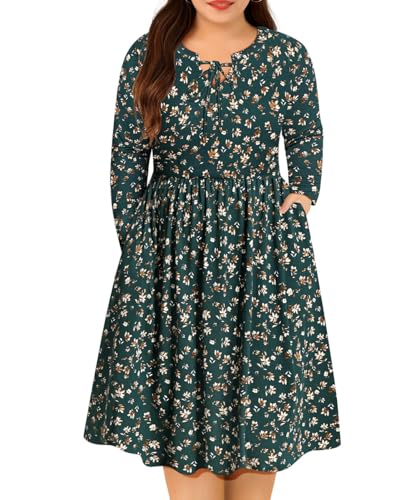
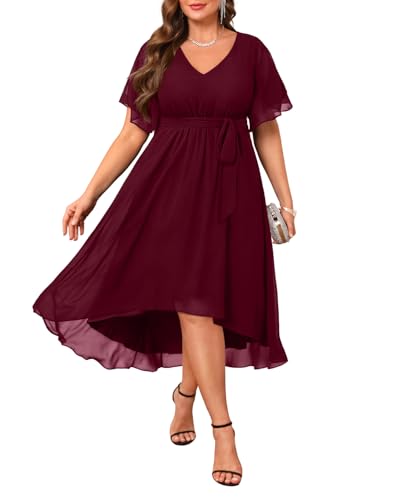
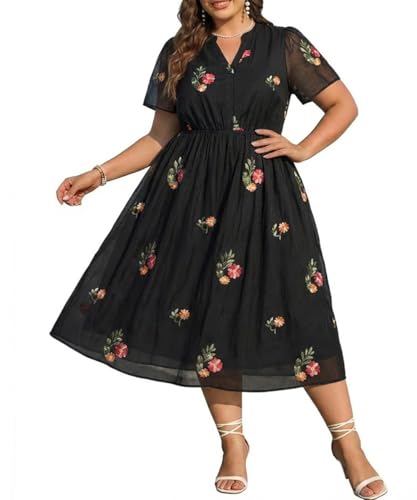
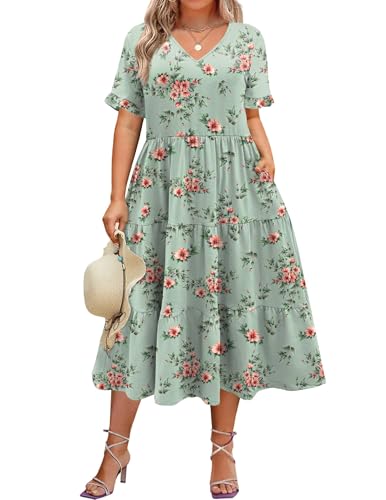
Plus size 22 dresses for women include a wide range of occasion, office, casual, and evening styles, but the correct fit depends on the exact brand chart and garment construction. In the product grid below, compare size-22 A-line, wrap, fit-and-flare, midi, maxi, shift, sheath, lace, chiffon, knit, and formal dresses.
Measure before ordering even if size 22 is your usual label. Pay particular attention to bust depth, shoulder width, upper-arm room, waist placement, full hip, and total length. A dress with stretch panels or a true wrap closure may allow adjustment, while a lined woven bodice or fitted sleeve requires closer measurement.
Use related event collections such as wedding guest dresses, work dresses, and formal dresses to narrow the current products. Confirm live seller, availability, delivery, and returns with the final retailer.
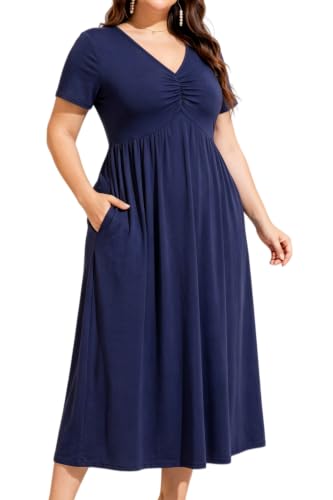
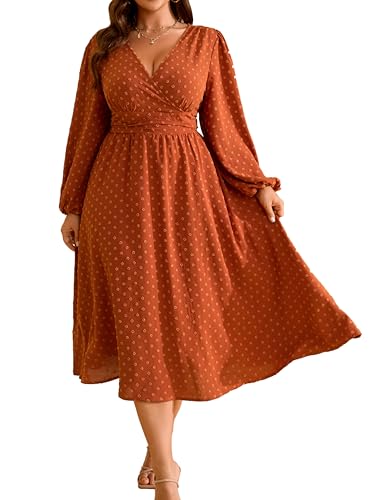


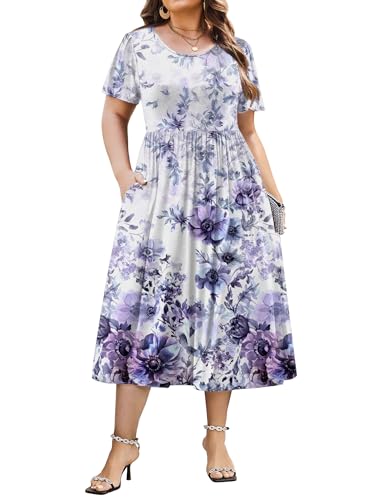



Frequently Asked Questions About Plus Size 22 Dresses for Women
Do size 22 dress measurements vary by brand?
Yes. Bust, waist, hip, arm, shoulder, and length measurements can differ substantially. Always use the exact chart for the dress and distinguish body measurements from finished garment measurements.
What should determine my size in a fitted dress?
Use the least flexible area, such as a woven bodice, fitted sleeve, or narrow hip. Consider fabric stretch and alteration limits. Do not choose from the label alone.
Are wrap dresses adjustable in size 22?
True wrap dresses usually allow waist and overlap adjustment. Faux-wrap dresses may be fixed and close with a zipper. Check the construction, neckline coverage, and skirt overlap before buying.
How do I check sleeve fit online?
Measure upper-arm circumference and compare it with the chart or garment dimensions. Read whether the sleeve and lining stretch, and review customer comments about arm mobility.
Which size 22 styles work for weddings?
A-line, wrap, chiffon maxi, lace midi, satin, floral, and structured crepe dresses can work depending on the dress code, venue, and season.
How do I choose the correct maxi length?
Use the garment’s shoulder-to-hem length and compare it with your height and intended shoes. Do not rely only on the model image or the word maxi.
Can size 22 dresses be tailored?
Many can be hemmed or adjusted at straps and seams. Lace, beading, pockets, and narrow seam allowances may limit alterations. Ask a tailor before the return deadline.
What should I verify before buying through an affiliate link?
Check current seller, price, stock, size chart, fabric, closure, delivery, return terms, recent reviews, and care instructions on the final retailer page.
Should I compare size 20, 22, and 24 charts?
Yes. Brand sizing can overlap. Comparing neighboring labels helps when your measurements fall between sizes or the garment’s least flexible area requires more or less room.
Approach Size 22 as a Measurement Range
A size label summarizes a brand’s pattern, but it does not describe every part of the garment. Two size-22 dresses can differ in bust room, waist position, sleeve circumference, skirt width, and length. Formalwear may use a chart unlike the same retailer’s casual line.
Take measurements without pulling the tape tight and compare them with the exact chart. If a seller provides garment dimensions, look for the amount of ease beyond your body measurements. Reviews can add context, but measurements should remain the primary evidence.
Check Bust and Shoulder Construction
The upper part of a dress controls how the neckline, sleeves, and waist sit. A fitted bodice that is too small may pull across the bust, spread the neckline, or force the waist seam upward. A bodice that is too large can gape and allow straps to slide.
Look for princess seams, darts, stretch panels, adjustable straps, smocking, or wrap construction. These features can improve fit when they are placed correctly. They do not guarantee support, so plan the intended bra before evaluating the neckline.
Upper-Arm and Sleeve Fit
Measure the fullest part of the upper arm for fitted sleeves. Woven lace, satin, and crepe may have little give, while jersey and mesh can provide more movement. Check whether the sleeve lining stretches with the outer fabric.
Flutter, bell, kimono, and split sleeves offer room but create different levels of coverage. Long sleeves should permit reaching, hugging, driving, and dancing without pulling the bodice.
Waist Placement and Torso Length
A defined waist looks best when it reaches the intended part of the torso. Petite, tall, short-waisted, and long-waisted shoppers may experience the same size differently. Customer photos can show whether an advertised natural waist sits high on many buyers.
Wrap ties, elastic waists, belts, and removable sashes allow some adjustment. A fixed waistband with a back zipper is less forgiving and should match both circumference and vertical position.
Hip Ease and Skirt Shape
Full skirts and A-lines provide more room through the hip than pencil, sheath, or narrow column dresses. For a fitted skirt, compare full-hip measurements and look for a vent or slit that allows walking.
Fabric should skim or fit according to the design without creating stress lines. If the dress rides upward when sitting or walking, the hip or lining may be too narrow.
Size 22 A-Line Dresses
A-line dresses are useful across wedding guests, work, cocktail events, dinners, and formal occasions. Panels can add shape while preserving movement. Check the seam placement and whether the skirt begins at the natural waist, empire line, or lower torso.
Browse the styles of dresses hub for related silhouettes. The goal is not to choose one “best” shape but to match the dress to your preferred structure and event.
Wrap and Surplice Styles
True wraps tie around the torso and provide adjustable overlap. Faux wraps use a fixed front and may close with a zipper. Check neckline security, tie length, and whether the skirt opens when seated.
For a wedding or office, a hidden snap or fashion tape may add confidence, but the dress should not require constant adjustment. Reviews can reveal whether the wrap coverage is generous or limited.
Midi and Maxi Lengths
Midi dresses can move from office to ceremony depending on fabric. Maxi dresses support formal, beach, and evening styling. The model’s hem position will not predict yours, so use the listed garment length.
The dress length categories provide additional filtering. For long dresses, test stairs and sit down with the intended shoes before deciding that no hemming is needed.
Size 22 Formal Dresses
Formal options may include chiffon A-lines, sequined gowns, lace sleeves, satin midis, velvet maxis, and structured crepe. Look for lining, secure closures, comfortable armholes, and enough room to sit through a long event.
Use formal dresses for broader comparison. The most ornate option is not always the most formal; clean fabric and strong fit can look more refined than crowded embellishment.
Wedding Guest Dresses in Size 22
Match the dress to the invitation. Daytime garden events may favor floral midi or chiffon styles; evening weddings can support satin, velvet, darker colors, or long dresses. Beach venues require manageable hems and breathable layers.
Browse wedding guest dresses and confirm cultural or venue expectations. Avoid purchasing before checking whether the ceremony involves stairs, grass, sand, or extended outdoor time.
Size 22 Cocktail Dresses
For cocktail events, compare knee, midi, fit-and-flare, wrap, sheath, and embellished dresses. Secure the neckline and sleeves before considering accessories. A dress that rides up or restricts sitting will not improve after several hours.
The cocktail dress category provides event-focused choices. Consider a comfortable block heel, flat, or low shoe if the event involves standing and dancing.
Work Dresses and Layering
Professional dresses benefit from fabric that resists wrinkling and retains shape. Check neckline coverage, pocket bulk, sleeve movement, and whether the hem remains appropriate when seated. A blazer should fit over the dress without bunching the sleeves.
Use women’s work dresses for office-focused products. Verify care requirements when the dress will be worn often.
Casual and Travel Dresses
Jersey, cotton blends, sweater knits, shirt dresses, and relaxed maxis can work for everyday wear. Practical details include machine-washable fabric, pockets, nontransparent lining, and a hem compatible with flats.
Browse casual dresses for less structured options. A travel dress should recover after sitting and remain comfortable in changing temperatures.
Fabric Stretch and Recovery
Spandex content can improve movement, but more stretch is not automatically better. Thin fabric may cling or become sheer, while poor recovery can leave the garment bagged after sitting. Ponte and heavier jersey often provide more structure than lightweight knit.
Woven crepe, chiffon, and satin require closer sizing. Check whether only the lining stretches, only the outer fabric stretches, or neither does.
Necklines and Bra Compatibility
Before ordering, decide which bra you plan to wear. Square, V, scoop, halter, off-shoulder, and high necklines interact differently with straps and coverage. Browse neckline categories for focused alternatives.
Check neckline depth while seated and bending. A product image taken from one angle does not show movement or gaping.
Use Reviews Carefully
Give more weight to reviews that include body measurements, purchased size, fabric comments, and photographs. “Runs small” can mean tight sleeves for one customer and short length for another. Identify the specific issue before changing sizes.
Marketplace listings may combine reviews from color or style variations. Confirm that a photograph shows the exact design under consideration.
Alteration Planning
Hemming, strap changes, and small side-seam adjustments are common. Moving a waistline, rebuilding sleeves, or changing a beaded bodice is more complex. Check seam allowance and decoration before relying on tailoring.
Ask a tailor during the return period. Keep packaging and tags until the decision is made.
Affiliate Purchase Verification
MotherBrideDress.com presents affiliate products. Amazon or another retailer controls the current listing. Verify price, seller, inventory, size availability, shipping, material, and return policy there.
Do not assume product titles are complete or current. Read the specification fields and seller information, and save the order details for reference.
Common Size 22 Errors
- Using only bust, waist, or hip instead of the complete fit picture.
- Ignoring upper-arm circumference for fitted sleeves.
- Assuming a faux wrap adjusts like a true wrap.
- Choosing maxi length from the model photograph.
- Buying a tight woven dress because reviews mention stretch.
- Testing fit without the intended bra or underlayers.
- Depending on complex alterations.
- Missing the retailer’s return deadline.
Choose the Dress by Construction, Not Just Size
A successful size 22 purchase begins with measurements and ends with a complete movement test. Compare bodice, sleeves, waist, hip ease, length, fabric, and occasion. Use product reviews as supporting information rather than a substitute for the chart.
Return to dresses by size or compare neighboring size 20 and size 24 dresses when a brand’s measurements place you between labels.
Seasonal Planning for a Size 22 Dress
Season affects more than color. Summer dresses benefit from breathable lining, shorter or vented sleeves, and fabric that does not become transparent in sunlight. Fall and winter options may use velvet, ponte, heavier crepe, long sleeves, or a real coat. Spring events often require a removable layer because indoor and outdoor temperatures differ.
Consider the complete day. A warm ceremony may be followed by an air-conditioned reception, or a winter photograph session may lead into a heated ballroom. Choose layers that fit over the dress without crushing sleeves or pulling the shoulders.
Color, Prints, and Pattern Placement
Solid colors make seams and construction easy to evaluate, while prints can add visual interest and flexibility across occasions. Check where large flowers, stripes, borders, or color blocks fall on the actual garment. Pattern placement may differ from the sample image, especially on mass-produced dresses.
For repeated wear, consider whether the color coordinates with shoes, jackets, and bags already in your wardrobe. A dress is more useful when it can be styled for more than one event.
A Practical Home Try-On Routine
Try the dress in daylight and bright indoor light. Photograph the front, side, and back. Sit in a dining chair, climb stairs, reach overhead, bend, and walk at normal speed. Keep the dress on for at least fifteen minutes so pressure at the waistband, sleeves, zipper, or neckline becomes noticeable.
Check the return conditions before removing any packaging. Some retailers reject items with makeup, perfume, pet hair, or damaged tags. Use a clean room and cover the face when pulling a dress over the head.
Accessories Should Solve the Event, Not the Fit
A belt, jacket, necklace, or shapewear can complete a look, but accessories should not be used to disguise a bodice that gaps or a skirt that restricts movement. Confirm the dress first, then choose shoes and layers.
For formal events, a small bag and smooth jewelry reduce snagging. For work, test the dress under a blazer. For outdoor weddings, prioritize footwear and a layer over decorative accessories.