
Petite Mother of the Bride Dresses
Shop elegant petite mother of the bride dresses designed to create better proportions through the shoulders, bodice, waist, sleeves, and hem. Explore petite formal gowns, midi and tea-length dresses, lace styles, chiffon dresses, sleeved outfits, jacket sets, and polished wedding looks for ceremonies, receptions, rehearsal dinners, and family celebrations.
Petite sizing is about proportion, not simply choosing a smaller regular size. Review each dress’s actual bust, waist, hip, bodice, sleeve, and length measurements before ordering, and confirm that the selected variation is genuinely offered in petite sizing. For floor-length and black-tie options, browse our dedicated petite mother of the bride gowns, or continue below to compare petite dresses across multiple lengths and wedding styles.
Petite Gowns
Petite Midi Dresses
Petite Tea-Length Dresses
Petite Dresses with Sleeves
Petite Lace Dresses
Petite Chiffon Dresses
Petite Formal Dresses
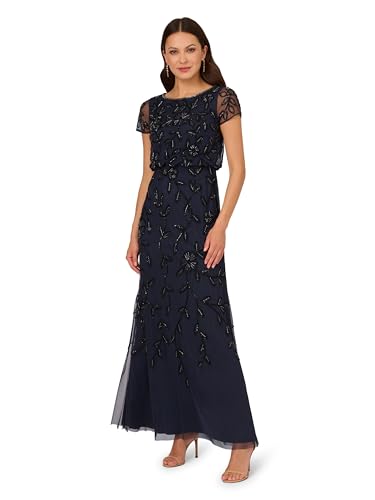
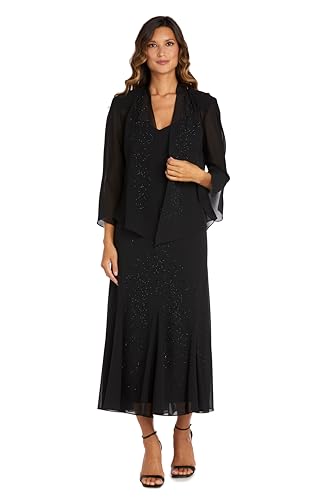

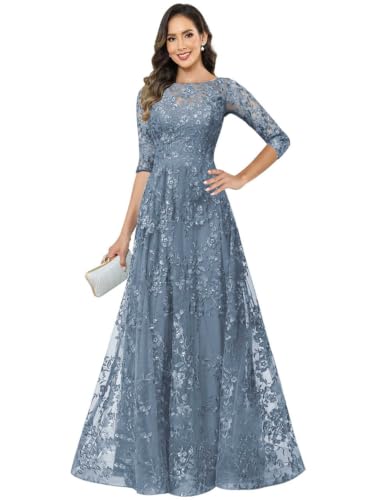
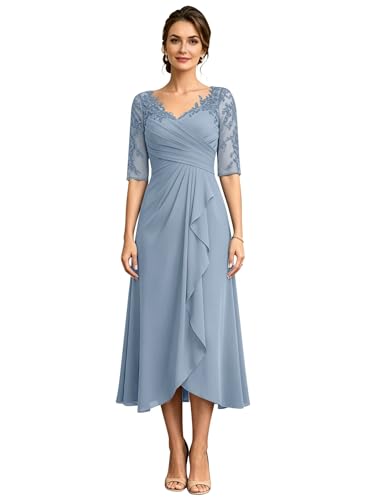
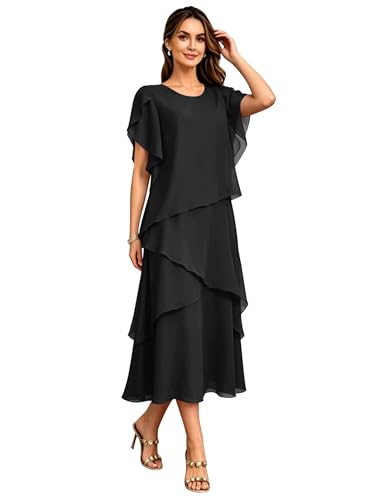




SOLODISH Chiffon Mother of The Bride Dresses Petite Short Sleeve Asymmetric Dusty Blue Mother of The Groom Dresses US10
Original price was: $74.99.$59.99Current price is: $59.99.


Petite Mother of the Bride Dresses: Frequently Asked Questions
What makes a mother of the bride dress petite?
A genuine petite dress is adjusted for shorter vertical proportions. Depending on the brand, this may include a shorter bodice, higher waist placement, shorter sleeves, adjusted armholes, and a proportioned hem. Petite does not simply mean a smaller regular size.
What height is usually considered petite?
Many clothing brands design petite ranges for women approximately 5 feet 4 inches and under. Height is only a general guide, so shoppers should also compare their torso, sleeve, waist-to-hem, and other measurements with the product size chart.
Is a regular size 6 the same as a petite size 6P?
No. The two sizes may have similar bust, waist, and hip measurements, but a 6P should have shorter and differently positioned vertical proportions through areas such as the bodice, waist, sleeves, and hem.
Can a petite mother of the bride wear a long gown?
Yes. A long gown can look elegant on a petite frame when the bodice, waist, skirt volume, decorative placement, and hem are correctly proportioned. Some hemming may still be required.
What dress length is best for a petite mother of the bride?
Long, ankle-length, tea-length, midi, and knee-length dresses can all work. The best length depends on the wedding dress code, venue, individual proportions, shoe choice, and personal style.
Are tea-length dresses suitable for petite women?
Yes. A tea-length dress can work especially well for daytime, church, garden, cocktail, and semi-formal weddings. Check where the hem falls on your own leg because tea-length garments can vary significantly.
What silhouettes work well for petite mothers of the bride?
A-line, sheath, column, fit-and-flare, wrap, empire-waist, and carefully proportioned mermaid dresses can all work. Correct waist, knee, flare, and hem placement are more important than following one universal silhouette rule.
Can petite mother of the bride dresses have sleeves?
Yes. Petite dresses are available with cap, flutter, short, three-quarter, long, lace, chiffon, and cape sleeves. Check the actual sleeve and upper-arm measurements before ordering.
Are petite plus-size mother of the bride dresses available?
Some brands offer petite-plus sizes or petite versions in extended sizes. Petite refers to height and vertical proportion, while plus size refers mainly to body circumference, so a shopper may need both.
Will a petite dress still need alterations?
It may. Petite sizing can reduce the need for major adjustments, but hemming, sleeve shortening, waist shaping, neckline securing, or minor tailoring may still be necessary for an individual fit.
What colors are appropriate for a petite mother of the bride dress?
Navy, dusty blue, teal, emerald, sage, plum, mauve, burgundy, champagne, silver, taupe, and other shades that complement the wedding palette can work. Avoid white, ivory, or bridal-looking colors unless the couple approves them.
Can a petite mother of the bride wear black?
Yes. A petite black dress can look sophisticated for a formal or evening wedding. Because family and cultural preferences differ, confirm the choice with the bride or couple.
What shoes should be worn with a petite mother of the bride dress?
Pumps, block heels, formal sandals, low heels, wedges, and dressy flats can all work. Choose the shoes before the final hem fitting so the dress is altered to the correct length.
How can I tell whether an online dress is genuinely petite?
Check whether the selected size includes a petite designation such as P, review the petite-specific size chart, compare garment lengths and bodice measurements, and read the manufacturer information. A product title containing the word petite is not enough by itself.
How early should a petite mother of the bride dress be ordered?
Order early enough to allow time for delivery, trying on the complete outfit, exchanging sizes if necessary, and completing alterations. Availability and shipping times vary by brand and product.
Elegant Petite Mother of the Bride Dresses for Every Wedding Style
Finding the right mother of the bride dress can be more difficult when standard-size clothing feels too long through the bodice, places the waist below its natural position, or requires extensive hemming. Petite mother of the bride dresses are intended to provide better overall proportion rather than simply reducing the width of a regular-size garment.
A properly proportioned petite dress may have a shorter shoulder-to-waist measurement, a better-positioned waistline, a more suitable sleeve length, adjusted armholes, and a hem designed for a shorter frame. These changes can make the outfit look more balanced and may reduce the amount of tailoring required before the wedding.
This collection includes petite formal gowns, midi dresses, tea-length styles, cocktail dresses, lace outfits, chiffon dresses, jacket sets, dresses with sleeves, and occasion-ready silhouettes for daytime and evening weddings. Begin with the wedding dress code and venue, then compare length, fabric, color, sleeve style, garment measurements, delivery time, and return conditions.
What Does Petite Sizing Mean?
Petite sizing refers primarily to vertical proportion. It is designed for women with shorter body measurements, although the exact standards vary among brands. Petite clothing may be labeled with a “P,” such as 8P, 12P, or 16P, or may appear in petite-specific ranges such as Petite Small, Petite Medium, or Petite Large.
A true petite version may adjust several areas:
- Shoulder-to-waist or bodice length
- Natural waist placement
- Sleeve length
- Armhole depth
- Shoulder width
- Neckline depth and scale
- Skirt length
- Placement of darts, ruching, lace, and embellishment
- Proportion of jackets, capes, and overlays
- Overall scale of prints and decorative details
A regular size 4 is not automatically a petite size 4P. The two garments may have similar bust or waist measurements, but the petite version should be shorter and differently proportioned through several parts of the garment.
Petite Does Not Mean Small or Slim
Petite sizing describes height and proportion rather than body weight or circumference. A petite woman may wear a smaller size, a mid-range size, or a plus size. What matters is whether the garment’s vertical measurements fit her frame.
For that reason, this category should not contain every dress offered in size 0, 2, 4, or XS. A small regular-size dress may still have a bodice, sleeve, waist position, and skirt length designed for a taller frame.
Likewise, a plus-size dress can belong in a petite collection when the manufacturer genuinely offers a petite-plus variation with adjusted proportions. A product should not be categorized as petite merely because its title includes the word.
How to Measure for a Petite Mother of the Bride Dress
Before ordering, take current body measurements while wearing lightweight clothing or the undergarments you expect to use beneath the dress. Ask another person to help where possible so the measuring tape remains level.
Record the following measurements:
- Full bust: Around the fullest part of the bust.
- Natural waist: Around the narrowest comfortable part of the torso.
- Full hip: Around the widest part of the hips and seat.
- Shoulder width: Across the back from one natural shoulder point to the other.
- Shoulder to waist: From the shoulder over the bust to the natural waist.
- Waist to hem: From the natural waist to the intended finished hem.
- Sleeve length: From the shoulder point to the preferred sleeve ending.
- Upper-arm circumference: Around the fullest part of the upper arm.
- Hollow to floor: From the hollow at the base of the neck to the floor.
- Preferred finished length: Measured while wearing the intended shoes.
Compare these measurements with the size chart for the individual dress. Do not assume that all petite brands use identical dimensions. If a listing provides only a general brand chart, check customer reviews and garment-specific details for additional fit information.
How a Petite Dress Should Fit
Shoulders and Neckline
The shoulder seams should sit close to the natural shoulder points rather than extending down the upper arms. The neckline should remain secure when sitting, leaning forward, and greeting guests.
A neckline that feels excessively low on a petite frame may indicate that the bodice is too long, even when the bust and waist circumference appear correct. Altering a highly embellished or structured neckline can be more difficult than simple hemming.
Bodice and Waist Placement
The dress waist should align with the intended part of your torso. A natural-waist dress should not sit at the upper hip, and an empire seam should rest beneath the bust rather than across it.
Incorrect waist placement is one of the clearest signs that a regular-size dress has not been proportioned for a petite frame. It can affect the skirt shape, ruching, pockets, embellishment, and overall balance of the outfit.
Sleeves and Armholes
Sleeves should end at their intended point. Three-quarter sleeves should not appear full length, and long sleeves should not cover the hands. Armholes should allow comfortable movement without revealing undergarments or cutting into the underarm.
Lift your arms, reach forward, and embrace someone while trying on the dress. Wedding-day clothing should allow normal movement through photographs, greetings, dinner, and dancing.
Skirt and Hem
A long gown should clear the floor at a safe and elegant length when worn with the intended shoes. A midi or tea-length dress should end at a deliberate point rather than appearing accidentally too long.
The ideal hem depends on your height, proportions, shoes, and the design of the skirt. Professional hemming may still be required even when a dress is labeled petite.
Choosing a Petite Dress for the Wedding Dress Code
Black-Tie and Formal Weddings
A formal or black-tie wedding may call for a floor-length petite gown in chiffon, crepe, satin, lace, velvet, georgette, tulle, or another elevated evening fabric. Look for a silhouette that creates presence without excessive fabric or poorly positioned volume.
Formal details may include:
- Beaded or sequined bodices
- Lace appliqué
- Elegant cape sleeves
- One-shoulder necklines
- Soft pleating or ruching
- A defined waist
- A controlled mermaid or trumpet hem
- A coordinating shawl or jacket
- Metallic thread or subtle sparkle
For a collection concentrated on long, evening, and black-tie silhouettes, explore our petite mother of the bride gowns.
Semi-Formal and Cocktail Weddings
A petite midi dress, tea-length dress, polished sheath, fit-and-flare silhouette, or elegant two-piece jacket outfit can work well for a semi-formal or cocktail wedding.
The fabric and styling should distinguish the dress from ordinary office clothing. Lace, chiffon, embroidery, refined pleating, formal crepe, decorative sleeves, and subtle embellishment can create a more celebratory appearance.
Daytime and Church Weddings
A tea-length, midi, jacketed, or sleeved petite dress may be particularly suitable for a daytime or church ceremony. Consider the venue’s expectations regarding neckline, shoulder coverage, sleeve length, and hem.
A removable jacket, bolero, wrap, or cape can provide additional coverage during the ceremony and be removed during the reception.
Garden and Outdoor Weddings
A petite A-line, floral midi, tea-length lace dress, or lightweight chiffon style can work beautifully for a garden wedding. Avoid unnecessary trains, excessive skirt volume, and hems that drag across grass or gravel.
Block heels, wedges, low heels, and dressy flats may provide more stability on outdoor surfaces than narrow stilettos.
Beach and Destination Weddings
For a beach or destination event, choose a manageable hem, travel-friendly fabric, and a silhouette that will not be difficult in wind, sand, or humidity. Petite sizing can help prevent long skirts and overlays from overwhelming a shorter frame.
For warm-weather fabrics and seasonal ideas, compare this collection with our mother of the bride summer dresses.
Best Dress Lengths for Petite Mothers of the Bride
Petite Long Gowns
Petite women can wear long gowns successfully. The key is selecting a design with the correct bodice, waist, skirt, and decorative proportions rather than relying only on hemming a regular-length gown.
A long dress can create an uninterrupted vertical line, particularly when the fabric, color, and silhouette flow smoothly from the bodice to the hem. A skirt with excessive tiers, horizontal bands, or very large embellishments may require more careful consideration.
For additional floor-length options, browse our long mother of the bride dresses. Confirm that any selected variation is genuinely available in petite sizing.
Tea-Length Dresses
A tea-length dress generally falls between the knee and ankle. It can be a polished choice for church, daytime, garden, cocktail, and semi-formal weddings.
Because the hem is highly visible, check where it falls on your individual frame. A length ending at the widest point of the calf may create a different effect from one ending slightly above or below it.
Compare more silhouettes in our tea-length mother of the bride dresses.
Midi Dresses
Midi dresses are versatile for city weddings, restaurant receptions, cocktail dress codes, garden ceremonies, and rehearsal dinners. They may be A-line, sheath, wrap, pleated, or fit-and-flare.
A petite midi should be proportioned to end at an intentional point on the leg. Review actual garment length rather than assuming that every item described as midi will fit the same way.
Knee-Length Dresses
A knee-length petite dress may suit a courthouse ceremony, brunch wedding, intimate celebration, or less formal daytime event. Elevated fabric, polished sleeves, formal accessories, and appropriate color can keep the outfit wedding-ready.
High-Low Dresses
A controlled high-low hem can show the shoes and reduce fabric around the front of the legs while retaining greater formality at the back. The difference between the front and back lengths should suit both your height and the venue.
Flattering Petite Dress Silhouettes
A-Line Dresses
An A-line dress is fitted or shaped through the upper body and gradually widens toward the hem. It is available in short, midi, tea-length, ankle-length, and floor-length versions.
A controlled A-line skirt can provide movement without the volume of a large ball gown. The waist seam and skirt flare should begin at the intended point on the torso.
Sheath and Column Dresses
A sheath or column dress creates a clean vertical line and can work well for formal, cocktail, city, and evening weddings. Look for enough room through the hips and knees to sit and walk comfortably.
A back slit, stretch fabric, or carefully shaped seams may improve movement without disturbing the streamlined appearance.
Fit-and-Flare Dresses
A fit-and-flare silhouette follows the upper body and expands through the skirt. It can create definition while allowing comfortable movement.
On a petite frame, the flare should begin at the correct waist or upper-hip position. If it begins too low, the bodice may appear too long.
Empire-Waist Dresses
An empire-waist dress has a seam beneath the bust with fabric falling from that point. Chiffon and georgette versions can create a soft, elongated appearance.
Check that the empire seam sits below the bust rather than across it. This is particularly important when buying a regular-size design for a petite frame.
Wrap and Faux-Wrap Dresses
A wrap-style neckline can create soft shape through the bodice and waist. Genuine wrap dresses may offer some adjustability, while faux-wrap dresses provide a similar appearance with a fixed closure.
Test the neckline while sitting and leaning forward. Fashion tape, a discreet snap, or a professional alteration may improve security.
Mermaid and Trumpet Gowns
A mermaid or trumpet gown can work on a petite frame when the knee and flare are positioned correctly. In a regular-length gown, the flare may begin too low and disrupt the intended shape.
Check the manufacturer’s garment measurements and allow sufficient room for walking, sitting, and using stairs.
Jacket Dresses and Two-Piece Outfits
A coordinated jacket dress can provide structure, coverage, and flexibility. The jacket may be worn for the ceremony and removed during dinner or dancing.
The jacket length, shoulder width, sleeve length, and decorative placement should all suit petite proportions. A jacket that is too long may visually overwhelm the dress even after the hem has been shortened.
Petite Mother of the Bride Dresses With Sleeves
Sleeves can provide coverage, seasonal comfort, and decorative detail. A petite sleeve should have the correct length and armhole placement rather than merely being narrowed.
Cap and Short Sleeves
Cap sleeves and short sleeves can provide light shoulder coverage for spring, summer, garden, and daytime weddings. The sleeve edge should not cut into the upper arm or limit movement.
Flutter Sleeves
Flutter sleeves create soft movement and generally fit less closely around the upper arm. They work especially well with chiffon, georgette, floral, and romantic occasion dresses.
Three-Quarter Sleeves
Three-quarter sleeves offer useful coverage while leaving the wrist visible. On a petite dress, they should end at the intended forearm position rather than appearing nearly full length.
Long Sleeves
Long lace, mesh, chiffon, crepe, or jersey sleeves may suit formal evening, fall, winter, church, and religious weddings. Check both the sleeve length and upper-arm measurement.
For additional coverage-focused styles, visit our long-sleeve mother of the bride dresses, then verify petite availability on the individual product.
Cape Sleeves and Overlays
A cape sleeve or draped overlay can cover the shoulders and upper arms without a closely fitted sleeve. This feature can also add enough visual detail to reduce the need for heavy jewelry.
Make sure the cape is proportioned to your height and does not extend so far that it interferes with your hands, chair, handbag, or walking.
Best Fabrics for Petite Mother of the Bride Dresses
Chiffon
Chiffon creates light movement and works well for A-line skirts, sleeves, jackets, overlays, and flowing formal gowns. Because the fabric is often sheer, confirm whether the bodice and skirt are fully lined.
A controlled chiffon skirt may be easier to proportion for a petite frame than a highly layered skirt with substantial volume.
Crepe
Crepe works well for clean, modern silhouettes such as sheaths, columns, wrap dresses, one-shoulder gowns, and tailored A-line dresses. Different types of crepe vary in weight and stretch, so review the fabric details carefully.
Lace
Lace can add texture and traditional wedding detail to the bodice, sleeves, jacket, overlay, or entire dress. Smaller-scale lace patterns may feel more balanced on some petite frames, although the final effect depends on the full garment design.
Explore additional textures in our lace mother of the bride dresses.
Satin
Satin creates a polished surface suitable for evening and formal weddings. Lightweight satin may drape softly, while heavier satin can create more structure and volume.
Because satin reflects light, it can emphasize wrinkles, seams, and areas where the dress is pulling. Accurate fit and appropriate undergarments are important.
Georgette
Georgette has a softly textured appearance and flowing movement. It can work well for layered dresses, sleeves, long jackets, and formal gowns.
Jersey and Stretch Fabrics
High-quality stretch fabric may provide easier movement through the shoulders, waist, and hips. It can work well for ruched, draped, wrap, sheath, and column dresses.
The fabric should have enough weight and recovery to maintain an occasion-ready appearance without becoming transparent or losing shape.
Beaded Mesh and Tulle
Beaded mesh and soft tulle can create formal texture and sparkle. Check the number of layers and the placement of embellishment. Large motifs or very heavy beadwork may require careful proportional balance and professional alterations.
Choosing a Petite Dress Color
The mother of the bride dress should complement the wedding palette without appearing bridal or matching the bridesmaids unless the couple requests it.
Navy and Blue
Navy, dusty blue, slate blue, royal blue, and soft blue are versatile for daytime and evening weddings. Navy creates a continuous, polished appearance and coordinates with many wedding color schemes.
Browse our navy blue mother of the bride dresses for more color options.
Champagne and Soft Metallics
Champagne, taupe, silver, pewter, soft gold, and rose gold can provide an elegant neutral appearance. Pale champagne should be discussed with the bride because it may appear close to ivory or white in photographs.
Compare warm neutral shades in our champagne mother of the bride dresses.
Green and Teal
Sage, eucalyptus, teal, emerald, and forest green can work for garden, outdoor, fall, winter, and jewel-tone weddings. Lighter shades feel soft and seasonal, while deeper green creates a more formal appearance.
Plum, Mauve and Purple
Lavender, mauve, plum, eggplant, and violet can coordinate with romantic, garden, autumn, and evening wedding palettes.
Burgundy and Wine
Burgundy, berry, wine, and cranberry are rich choices for evening, fall, winter, and formal celebrations.
Black
A petite black dress can look sophisticated for a formal or evening wedding. Since family and cultural preferences differ, ask the bride or couple before choosing an all-black outfit.
White, Ivory and Bridal-Looking Shades
Avoid white, ivory, cream, and very pale bridal-looking colors unless the couple has specifically approved them. Bright natural light and photography can make some pale champagne, silver, or blush fabrics appear lighter than expected.
Petite Plus-Size Mother of the Bride Dresses
Petite and plus size are not opposites. A shopper may need both extra circumference and shorter vertical proportions. The correct garment should accommodate the bust, waist, hips, upper arms, and shoulders while also placing the bodice, waist, sleeves, and hem correctly.
Look for products genuinely offered in petite-plus sizing or brands that provide both petite and extended-size variations. Do not assume that shortening a regular plus-size dress will correct the bodice, waist, sleeve, armhole, or decorative placement.
When a petite-plus variation is not available, select a dress that fits the most difficult areas to alter—usually the shoulders, bust, bodice, and waist—and ask an experienced formalwear tailor whether the remaining areas can be adjusted successfully.
Petite Dresses With Jackets
A jacket, bolero, cape, wrap, or chiffon duster can add coverage and adapt the outfit to changing temperatures. Petite shoppers should consider the jacket’s proportion as carefully as the dress beneath it.
Check:
- Shoulder width
- Sleeve length
- Upper-arm circumference
- Jacket length
- Closure placement
- Scale of lapels and decorative trim
- Whether the jacket is included in the listed price
A cropped bolero may help maintain visible waist definition, while a carefully proportioned long jacket can create a continuous vertical line. Either can work when it fits correctly.
Alterations for Petite Formal Dresses
Petite sizing can reduce alteration requirements, but it does not guarantee a perfect fit. Common alterations include:
- Hemming the skirt
- Shortening sleeves
- Adjusting the shoulder seam
- Taking in the waist or side seams
- Securing a wrap neckline
- Shortening straps
- Adjusting jacket length
- Repositioning hooks, snaps, or closures
- Adding a bustle or lifting a train
Major changes involving the bodice length, waist placement, shoulders, mermaid flare, allover beadwork, lace appliqué, or complex draping may be expensive. Ask a tailor before ordering when the dress appears to require structural changes.
Bring your wedding shoes and intended undergarments to the fitting. Heel height and foundation garments can change the dress length and overall fit.
How to Style a Petite Mother of the Bride Dress
Choose Shoes Before the Final Hem
Select your wedding shoes before the dress is hemmed. Pumps, block heels, formal sandals, low heels, wedges, and dressy flats can all work depending on the outfit and venue.
Very high heels are not required to make a petite frame look elegant. Comfort and safe movement are more important during a long wedding day.
Keep Accessories in Proportion
A large necklace, oversized handbag, or very wide belt may compete with a smaller frame or detailed dress. This does not mean petite women must wear only tiny accessories; the pieces should simply support the overall outfit rather than overwhelm it.
A compact clutch, refined earrings, bracelet, brooch, or carefully selected necklace may complete the look.
Coordinate Jewelry With the Neckline
A beaded, lace, high-neck, or cape-style dress may need only earrings and a bracelet. A simple V-neck or scoop-neck dress can support a necklace or statement pendant.
Test Undergarments Before Alterations
Try the dress with the exact bra, shapewear, slip, hosiery, or other foundation garments you plan to wear. Check the neckline, back, armholes, waist, and skirt under both indoor and natural light.
Shopping for Petite Mother of the Bride Dresses Online
Before ordering, review:
- Whether the selected variation is marked petite or “P”
- The actual garment measurements
- The brand’s petite size chart
- The model’s height and listed size, when provided
- Shoulder-to-waist or bodice length
- Dress length or hollow-to-hem measurement
- Sleeve and upper-arm measurements
- Fabric composition and stretch
- Lining and closure information
- Customer reviews and photographs
- What pieces or accessories are included
- Estimated delivery date
- Return and exchange conditions
- Whether the item is ready to ship or made to order
Do not assume that a product belongs in a petite category simply because a seller uses “petite” in the title. Confirm that the size variation, measurements, or manufacturer information supports the claim.
Petite Mother of the Bride Dresses for Different Seasons
Spring Weddings
Spring weddings often suit lace, chiffon, floral detail, dusty blue, sage, lavender, mauve, and softly layered silhouettes. A removable jacket or wrap may be useful for changing temperatures.
Summer Weddings
For summer, consider lightweight chiffon, georgette, lace, crepe, flutter sleeves, cap sleeves, sleeveless designs, and manageable skirt lengths. Review the lining because it affects comfort as much as the outer fabric.
Fall Weddings
Burgundy, plum, forest green, navy, copper, and jewel tones can suit fall celebrations. Crepe, lace, satin, and layered chiffon offer varying levels of warmth and formality.
Winter Weddings
Winter weddings may suit long sleeves, jackets, velvet, heavier crepe, metallic details, beading, and deeper colors. Consider indoor temperatures as well as the weather outside.
Can the Mother of the Groom or a Grandmother Wear These Dresses?
Yes. Petite formal dresses can also suit the mother of the groom, grandmother of the bride or groom, or another close family member. The role does not require an entirely different style of dress.
The mothers of the bride and groom do not need to match, but their outfits should generally coordinate in formality. Communication with the couple can prevent identical colors, clashing outfits, or one parent appearing considerably more formal than the other.
Petite Dress or Petite Gown?
“Petite mother of the bride dresses” is the broader category. It can include knee-length, midi, tea-length, ankle-length, and floor-length outfits for casual through black-tie weddings.
“Petite mother of the bride gowns” should be used more narrowly for full-length, evening, black-tie, gala, or highly formal dresses. Maintaining this distinction helps shoppers reach the most relevant collection and prevents two pages from targeting identical products and keywords.
Shop Petite Mother of the Bride Dresses With Confidence
The right petite mother of the bride dress should fit more than your bust, waist, and hips. It should also place the shoulders, neckline, bodice, waist, sleeves, decorative details, and hem in proportion to your frame.
Begin with the dress code and venue, then compare length, silhouette, sleeve style, fabric, color, petite size availability, garment measurements, delivery information, and return conditions. Order early enough to allow time for a complete try-on, an exchange if necessary, and professional alterations.
Browse the collection above to compare petite formal dresses, long gowns, midi and tea-length styles, lace dresses, chiffon outfits, sleeved designs, jacket dresses, petite-plus possibilities, and polished wedding looks.
For additional colors, sizes, and silhouettes, return to the complete mother of the bride dresses collection.