
Dark Blue Prom Dresses
Dark Blue Prom Dresses covers prom dresses in deep blue families such as navy, midnight, ink, deep sapphire, and other low-light blue shades across satin, velvet, chiffon, tulle, sequin, lace, fitted, A-line, ball-gown, and mermaid styles. Filter by actual shade, school rules, fit, support, length, and seller before relying on a retailer color name.Dark blue is an umbrella shade term and overlaps strongly with the site’s navy and navy-blue categories. The current product set also includes dark-navy items, so taxonomy should be driven by query and inventory uniqueness rather than by treating “dark blue” and “navy blue” as automatically separate colors.Related paths include blue prom dresses, navy blue prom dresses, navy prom dresses, royal blue prom dresses. Use this page as a deep-blue umbrella only if it contains a broader set than navy; otherwise consolidate into the stronger navy-blue collection to reduce cannibalization.

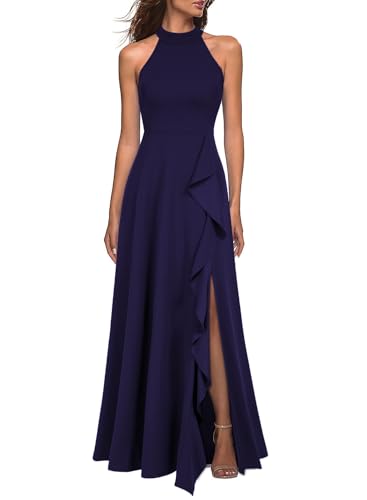

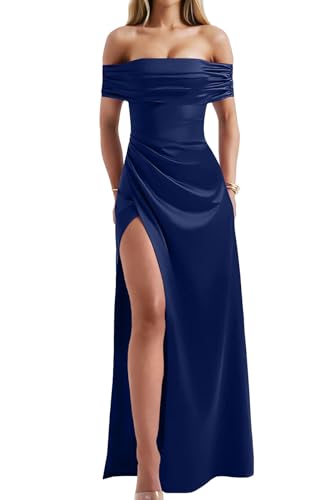


BTFBM Women Summer Bohemian Floral Casual Wrap V Neck Ruffle Cap Sleeveless Belt A-Line Pleated Hem Swing Midi Sun Dress
Original price was: $51.99.$45.99Current price is: $45.99.


Allegra K Women’s Plaid Vintage Casual Loose Fit Babydoll Half Placket Contrast Collar Dress
Original price was: $43.19.$35.99Current price is: $35.99.
Frequently Asked Questions About Dark Blue Prom Dresses
What shades count as dark blue prom dresses?
Common dark-blue families include navy, midnight, ink, and deep sapphire, though retailer naming is inconsistent.
Is dark blue the same as navy blue?
Navy is a major dark-blue shade, so the search intent often overlaps substantially.
Is royal blue a dark blue?
Usually no. Royal blue is typically brighter and more saturated than navy or midnight.
Why does a dark blue dress look black indoors?
Low light, camera exposure, matte fabric, and deep dye can reduce visible blue, especially in navy and midnight shades.
What fabrics work well in dark blue?
Satin, velvet, chiffon, tulle, crepe, lace, sequins, mesh, and mikado can all work with suitable lining and construction.
What shoes work with dark blue?
Silver, gold, navy, black, crystal, and selected nude tones can work depending on the actual shade and dress hardware.
Can dark blue dresses be altered?
Often, but matching navy, midnight, or sapphire replacement fabric and thread can be difficult.
Should dark blue and navy have separate category pages?
Only when they serve meaningfully different products or search intent; otherwise consolidation is usually cleaner.
What should I verify before ordering?
Check exact shade, seller, measurements, lining, support, length, delivery, returns, and alteration feasibility.
What Counts as Dark Blue Prom Dresses
“Dark Blue Prom Dresses” should contain prom dresses whose dominant shade is visibly deep blue, including navy, midnight, ink, deep sapphire, and similar dark variants. It can include long and short lengths, satin, velvet, sequins, chiffon, tulle, lace, corsets, slits, sleeves, and multiple silhouettes.
Dark blue should not absorb royal, cobalt, bright blue, teal, or black garments simply because low-light photography makes them appear darker. The exact selected variation and delivered color should determine placement.
Dark Blue Prom Dresses Versus Related Prom Categories
This page overlaps blue prom dresses, navy blue prom dresses, navy prom dresses, royal blue, and long blue collections. The key SEO question is whether “dark blue” produces a distinct product set or simply restates navy intent.
Use the narrowest category that reflects an actual product attribute or buying decision. Related paths include blue prom dresses, navy blue prom dresses, navy prom dresses, royal blue prom dresses. Internal links should help shoppers move between broader and narrower intent rather than create multiple pages for the same garment set.
Prom Dress Code, Venue, and Event Planning
Before choosing from this collection, check the school’s current written policy for neckline depth, backs, cutouts, transparency, slits, midriff exposure, and hem length. A dress that works in a standing catalog image can change once the wearer sits, raises both arms, or moves quickly.
Plan for transportation, photographs, dinner, stairs, crowded walking, dancing, restroom access, coat storage, and the venue surface. The final choice should satisfy the most restrictive part of the night rather than only the photo or entrance moment.
Silhouette and Proportion
Deep blue works across A-line, ball gown, mermaid, trumpet, column, sheath, fit-and-flare, and high-low designs. Dark color can visually hide seam lines in photos, so use garment fit and side/back views rather than relying on the apparent smoothness of a front-facing image.
Judge the fit from front, side, and back views after several minutes of sitting and walking. Pulling, twisting, a rising waist, unstable cups, compressed hips, or a skirt that blocks the stride usually indicates a pattern or size mismatch rather than a styling problem.
Fabric, Lining, and Surface Finish
Satin produces bright blue highlights, velvet can shift with pile direction, chiffon and tulle create layered depth, and sequins may reflect silver or electric blue. Lining color and fabric density matter because dark outer layers can still become translucent under strong backlighting.
Check the exact variation for lining, stretch, fabric density, care instructions, and surface treatment. Daylight and flash photography can reveal transparency, seam strain, texture changes, loose embellishment, lining edges, and color shifts that are difficult to judge from a retailer’s studio image.
Neckline, Bodice, Closures, and Support
Dark blue dresses may use strapless, sweetheart, square, V-neck, halter, off-shoulder, one-shoulder, high-neck, and corset bodices. Confirm cup and lining visibility under flash, especially where nude mesh, illusion panels, or dark lace create contrast.
Try the dress with the planned bra, cups, tape, or base layer. Test every zipper, hook, button, tie, lace-up point, and strap before removing tags, then raise both arms, bend, sit, and hug to confirm that the neckline stays secure without repeated adjustment.
Length, Slits, Trains, and Movement
Floor, sweep, ankle, high-low, midi, knee, and selected short lengths can work. Long dark hems can disappear visually against dim flooring, so safe shoe clearance and train handling should be tested physically rather than judged only from photos.
Wear the final shoes during the movement test. Walk quickly, climb a step, sit, turn, and simulate dancing; slits can rise, trains can catch, fitted knees can restrict stride, and layered linings can behave differently from the outer skirt once the fabric warms and settles.
Measurements and Size Selection
Record bust, waist, hips, torso, shoulders, upper arms when relevant, and preferred length. For dark fitted styles, inspect seam strain in brighter light because tension marks that disappear in a dark product photo may become visible on the received garment.
Numerical, junior, misses, petite, tall, plus, and brand-specific sizes can use different pattern blocks. Choose from the least flexible body area and rely on reviews only when the reviewer gives measurements, purchased size, and the exact color or construction variation.
Photography, Color, and Undertone
Navy, midnight, ink, and deep sapphire can look almost black in low light and much brighter under flash. Blue-black fabric and dark teal can also sit near the boundary, so compare the received garment with actual blue and black references instead of relying on the listing name.
Compare the delivered dress in daylight, warm indoor light, and flash before coordinating shoes, jewelry, or makeup. Retail color names are not standardized, and satin shine, velvet pile, sequins, mesh, lining, and camera processing can make the same shade look substantially different.
Petite, Tall, Plus, Junior, and Adaptive Fit
Dark blue is a color family, not a fit solution. Evaluate petite, tall, plus, junior, adaptive, large-bust, and different-torso needs using the garment’s real measurements, support, slit placement, sleeve fit, and vertical landmarks.
Look for size-specific photographs and garment measurements where available. Designs graded mainly in width can misplace cups, waistlines, motifs, pockets, slits, sleeves, and hems, so the best starting size is the pattern block that is closest to the wearer vertically as well as horizontally.
Alterations and Construction Limits
Matching dark blue can be harder than expected because navy, midnight, ink, and sapphire differ in undertone. Replacement satin, chiffon, lace, thread, or appliqué may photograph as a visibly different blue even when it looks close indoors.
Get an alteration estimate before the return deadline and bring the final shoes and underlayers to fittings. Straight hems and simple straps are usually easier than corsetry, sleeves, beading, lace borders, sequins, bias cuts, layered skirts, or motif-heavy seams.
Seller, Delivery, Returns, and Total Cost
Marketplace listings frequently use navy, dark navy, deep blue, royal blue, and blue interchangeably. Verify the exact color variation, seller, material, lining, size chart, delivery, and returns before placing a product on this page.
Save the selected seller, color, size, size chart, delivery estimate, included items, and return policy at checkout. Order early enough for inspection, one failed option, exchange, alterations, steaming, accessories, and a complete movement rehearsal; final-sale purchases require verified measurements and accepted risk.
Dark Blue Versus Navy, Midnight, and Royal Blue
Navy is one of the most common dark blues, while midnight is usually even deeper and can approach blue-black. Royal blue is typically brighter and more saturated, so it should usually remain in its own collection rather than being grouped into a dark-blue page.
Use product attributes for specific shades where possible. This lets one deep-blue hub support filters without requiring separate pages for every near-synonym.
When Dark Blue Looks Black in Photos
Low ballroom light can make navy and midnight look black, while camera flash can reveal a much stronger blue. Velvet pile and satin highlights exaggerate the shift because they change reflectance across folds.
Photograph the delivered dress near a window, under warm bulbs, and with flash. Check whether the shade still meets the shopper’s goal and whether shoes or accessories chosen for black now conflict with a visible blue undertone.
SEO Recommendation: Dark Blue Versus Navy Blue
Because dark blue commonly includes navy, the two pages can compete for the same queries and products. If Search Console impressions, product overlap, and backlinks point to the same intent, keep the stronger navy-blue URL and redirect the weaker dark-blue page.
Retain dark blue only when it functions as a broader deep-blue hub containing meaningful non-navy inventory such as midnight, ink, and deep sapphire, with unique headings, filters, and internal links.
Final Dark Blue Prom Dresses Checklist
Before ordering, confirm the exact deep-blue shade, school policy, measurements, fabric, lining, support, length, seller, delivery, returns, and whether the product belongs in navy, dark blue, or another shade family.
After delivery, inspect the dress in daylight, warm indoor light, and flash; test closures, hem clearance, sitting, stairs, and dancing; and confirm that the shade does not read unexpectedly black, royal, or teal.