
2 Piece Prom Dresses
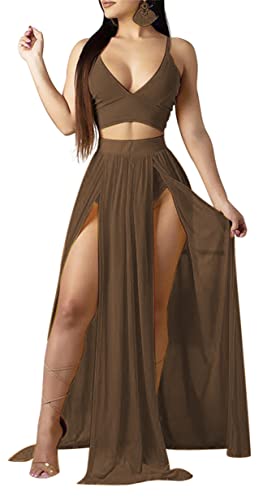
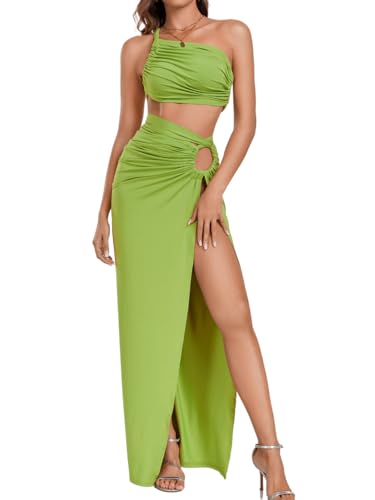
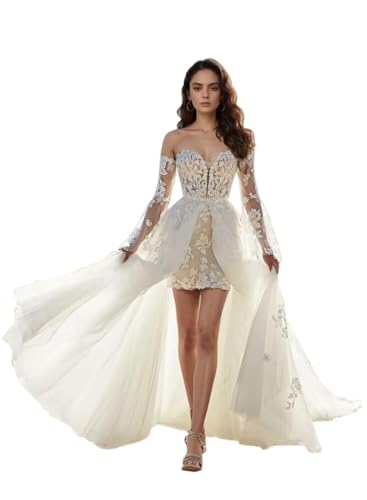
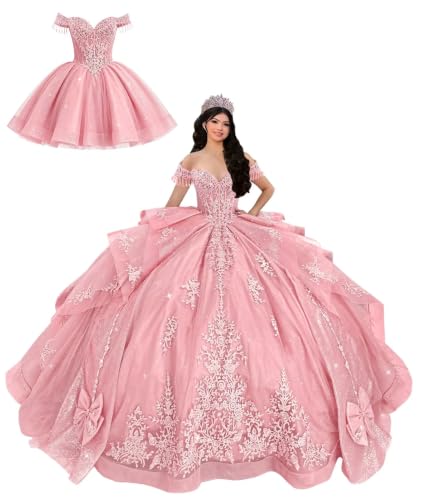
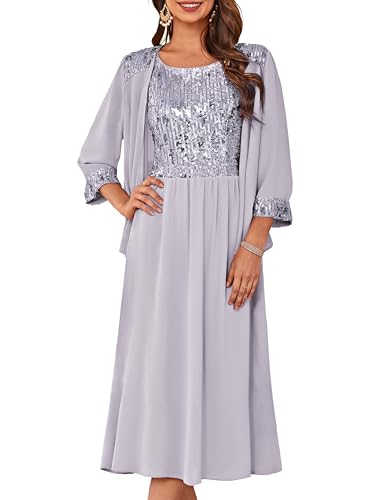
2 Piece Prom Dresses include coordinated top-and-skirt formal sets for school prom, senior prom, junior prom, formal dances, and selected pageant or evening events. The product grid may contain beaded crop tops, corset bodices, high-neck tops, satin skirts, A-line tulle skirts, mermaid skirts, sequined sets, long sleeves, lace-up backs, pockets, and plus-size options. Filter first by the actual invitation or use case, wearer and garment type, required hem or coverage, and exact measurements; then compare the selected seller, fabric, lining, closure, current delivery estimate, and return eligibility.This page is garment-format led and focuses on matching two separate pieces, midriff coverage, waistband stability, and school rules rather than treating every coordinated set as one fixed-size dress. Retailers frequently combine casual, cocktail, wedding guest, homecoming, prom, work, and formal products inside the same navigation path. This guide separates those intents using construction, length, exposure, venue, and wearer role so the page remains a useful commercial comparison category.Related paths include prom dresses, A-line prom dresses, beaded prom dresses, and affordable prom dresses. Each link answers a different shopping question: prom dresses addresses the full prom category; A-line prom dresses addresses a skirt-shape comparison; beaded prom dresses addresses embellishment-led shopping; affordable prom dresses addresses budget-led comparison.

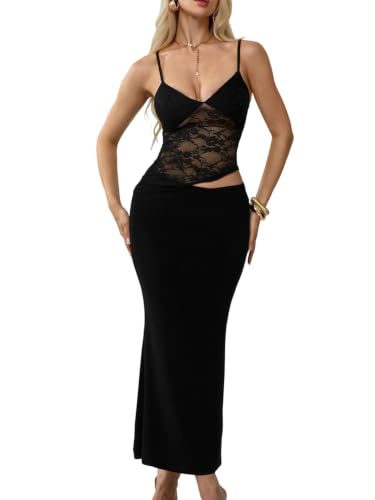
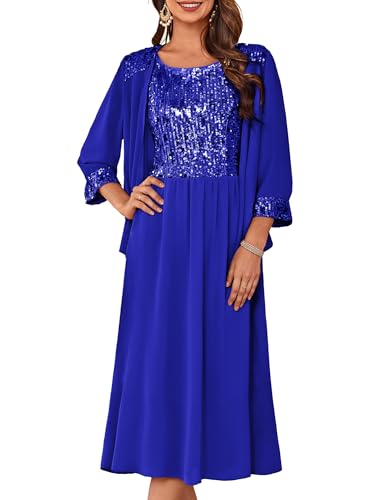
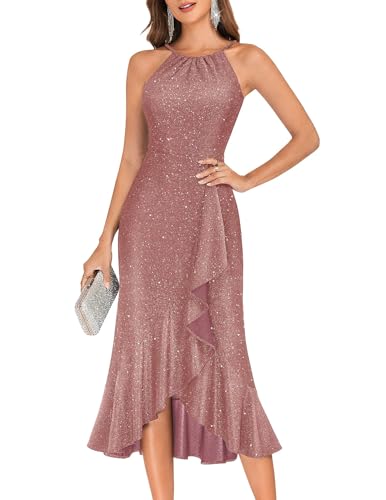
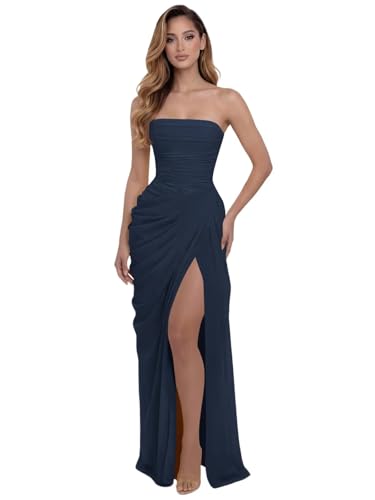
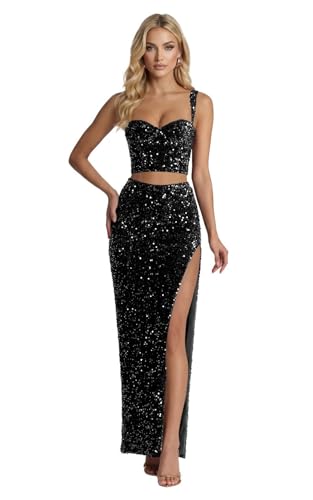
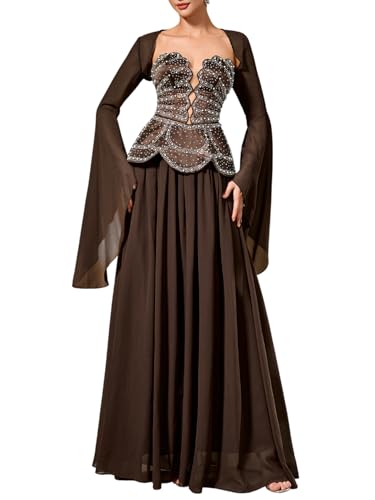
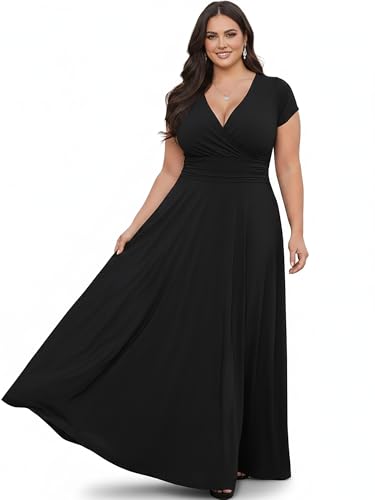


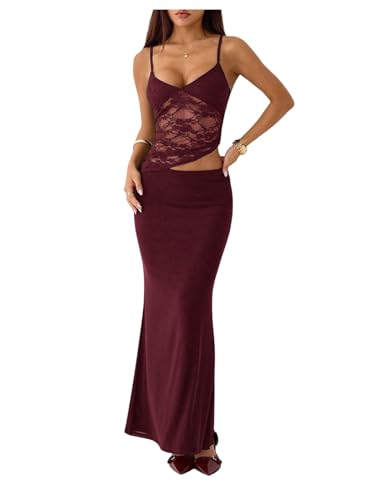







Frequently Asked Questions About 2 Piece Prom Dresses
What is a 2 piece prom dress?
It is a coordinated formal top and skirt designed to be worn together for prom.
Are two-piece prom dresses allowed at school proms?
Rules vary. Check the school policy for midriff, cutouts, backs, sheer panels, and movement coverage.
Can the top and skirt be different sizes?
Sometimes, but many sets are sold in one matched size; verify whether separate sizing is available.
How much midriff should show?
There is no universal amount. The wearer’s preference and the event or school rules control the acceptable gap.
How should the skirt waistband fit?
It should remain level and secure while sitting, walking, and dancing without rolling, rotating, or dropping.
What bra works with a two-piece prom top?
It depends on the neckline, back, cups, straps, and internal support; test the exact top before choosing the bra.
Can two-piece prom dresses be altered?
Yes, but two separate pieces, beading, boning, fixed cups, and layered skirts can increase complexity.
What should I confirm is included?
Verify that both top and skirt are included and whether an overskirt, belt, straps, or other accessories are separate.
What should I verify before ordering?
Check school rules, included pieces, sizes, bust, waist, hips, midriff, skirt length, seller, delivery, and returns.
What Counts as a 2 Piece Prom Dress
A 2 piece prom dress uses a separate formal top and skirt designed to be worn as one coordinated look. The pieces may expose a narrow midriff, meet at the waistband, overlap, or use a detachable overskirt. Both pieces must match in color, construction, and event level.
Prom is a full-evening formal event, so the label should be supported by lining, stable closures, controlled hems, and enough structure for photographs, seated dining, walking, and dancing. A seller title alone does not establish prom-level quality or school compliance.
Two-Piece Prom Versus One-Piece Gowns and Separates
A one-piece gown connects bodice and skirt, while a two-piece set allows independent movement and sometimes separate sizing. Ordinary crop tops and skirts do not become prom attire without formal fabric, lining, coordinated construction, and an event-appropriate hem and finish.
Use the invitation, school guidance, venue, and local tradition rather than assuming every formal dress is interchangeable. Prom often supports longer hems and stronger construction than homecoming, while pageant and quinceañera gowns may use volume, trains, or ornament that is difficult to manage at a school dance.
School Rules for Midriff and Two-Piece Styles
Some schools in the United States permit two-piece prom dresses, while others limit visible midriff, cutouts, backs, or sheer panels. Measure the actual gap while standing, sitting, and raising both arms, and ask the organizer before alterations when the rule is unclear.
Read the school or event rules literally and check minimum coverage, cutouts, back depth, slit height, sheer panels, midriff exposure, and footwear requirements. Product words such as modest, formal, or prom do not prove compliance with the policy enforced at entry.
A-Line, Mermaid, Column, and Ball-Gown Two-Piece Sets
Two-piece prom sets can use full A-line tulle skirts, fitted mermaid shapes, sleek columns, tiered ball-gown volume, or high-low hems. The top and skirt must remain visually balanced and physically aligned rather than sliding into different positions during movement.
Check the gown from front, side, and back after sitting for ten minutes. Pulling at the zipper, cups that shift, a waist seam that climbs, or a skirt that twists indicates a pattern mismatch. Choose the silhouette for the complete schedule rather than one standing photograph.
Waistband Height, Skirt Length, and Train Control
The skirt rise determines both midriff exposure and torso proportion. High-waisted skirts can meet the top, while lower rises create a larger gap. Measure the skirt from waistband to floor and check whether the waistband changes position when seated or dancing.
Measure shoulder-to-hem or waist-to-hem against a dress already owned, then repeat the check in the planned shoes. Account for trains, slits, layered hems, horsehair, and petticoats. The hem must clear stairs, vehicles, crowded dance floors, and restroom use without losing the intended line.
Satin, Tulle, Jersey, Sequins, and Lace Sets
Satin tops and skirts can show shade differences, tulle skirts need secure lining, jersey sets depend on recovery, sequins can snag the opposite piece, and lace tops may reveal the bra or lining. Confirm that both pieces use compatible care and stretch.
Inspect daylight and flash photographs for transparency, exaggerated shine, color shift, cling, seam strain, static, and shedding. Confirm the material, lining, stretch direction, care instructions, and exact variation on the final seller page. The fabric name alone does not establish durability or formality.
Top Closures, Skirt Zippers, and Waist Security
A two-piece outfit has at least two fit and closure systems to inspect. Check top straps, cups, boning, hooks, lace-up panels, skirt zippers, waistbands, and snaps. A secure bodice does not offset a waistband that rolls, rotates, or drops during dancing.
Test every zipper, button, tie, snap, hook, strap, and lace-up panel before removing tags. Check boning, cups, waist stays, slit reinforcement, lining length, bead security, and whether decoration crosses likely alteration points. Weak internal construction becomes more obvious after several hours of wear.
Prom Top Support and Bra Planning
Crop tops may be strapless, halter, high-neck, off-shoulder, or sleeved, each with different support needs. Fixed cups and short bodices must match torso length and bust depth. The bottom edge should not lift high enough to violate coverage rules during movement.
Fit the dress with the intended bra, cups, tape, or base layer. Inspect side coverage, back height, bust depth, torso length, shoulder pressure, and whether the neckline remains stable while sitting, hugging, and raising both arms. Tape should be a finishing aid rather than the only support system.
Long Sleeves, Straps, and Separate Layering
Long-sleeve or beaded tops add coverage but can overheat, while narrow straps and open backs limit bra choices. A jacket or coat must fit over the top without damaging beads or shifting the skirt waistband. Test the top both with and without outerwear.
Measure shoulders and upper arms and test reaching, dancing, and coat compatibility. A sleeve chosen for a cold arrival can overheat in a crowded venue, while a tight jacket can move straps, crush embellishment, or pull an off-shoulder edge upward.
Mixing Sizes in 2 Piece Prom Dresses
Separate sizing can improve fit when the wearer needs different top and bottom sizes, but many sets are sold only as one matched size. Verify whether pieces can be ordered independently and compare bust, underbust, waist, hips, torso, and skirt length.
Use current measurements in the planned undergarments and compare them with the exact seller chart. Choose from the least flexible area, such as a woven bodice, rigid waistband, lined sleeve, fixed cup, or fitted hip. Reviews are most useful when they identify height, measurements, size, and variation.
Matching Color, Dye Lot, and Beading Between Pieces
The top and skirt should match intentionally. Satin sheen, lace backing, tulle layers, and bead color can make one piece look different under flash. Confirm that both pieces are included in the selected variation and inspect them together after delivery.
Compare the selected shade in daylight, warm indoor light, and flash after delivery. Satin, sequins, tulle, velvet, and beads can shift the apparent color. Confirm theme restrictions, group coordination, and whether the received shade photographs distinctly from friends or a date's outfit.
Prom Transportation and Two-Piece Layering
Separate pieces can shift while entering vehicles, waiting outdoors, or carrying a coat. Cold arrivals may require a wrap that covers the midriff without bunching the top, while warm venues make heavy beaded tops uncomfortable. Plan storage for detachable pieces.
Plan transportation, outdoor lines, coat storage, venue heat, stairs, and the walking surface. Prom may involve cold arrivals and a warm dance floor in the same evening. Outerwear should fit without moving the neckline or damaging texture.
Dancing Without Top or Waistband Movement
Raise both arms, turn, sit, and dance to see whether the top lifts, the waistband rolls, or the skirt rotates. The visible gap should remain consistent and the lining should not appear. Repeatedly pulling the skirt upward is a sign of incorrect waist fit.
Complete a fifteen-minute rehearsal in the full outfit. Sit, bend, step up, turn, raise both arms, walk at event pace, practice dancing, enter a vehicle, and test restroom access. Reject repeated adjustment, restricted breathing, exposed lining, unstable pieces, or a hem that cannot be managed safely.
Bras, Shorts, Slips, and Midriff Base Layers
A two-piece dress may need a specific bra, dance shorts, anti-chafe layer, or smooth underwear. A bodysuit or camisole can reduce exposure but may create visible lines or change the intended look. Test restroom access because separate layers can complicate the outfit.
Test the complete outfit in daylight and flash, then remain seated long enough to identify rolling bands, visible straps, cup edges, lining contrast, or restricted breathing. Do not size down to force compression or use shapewear to correct a wrong bodice, waist, or hip pattern.
Shoes, Jewelry, and Bags for Two-Piece Prom Looks
Use the neckline of the top to choose jewelry and the skirt length to choose shoes. A small secure bag should not catch on beads or expose the waist when worn crossbody. Keep accessories coordinated so the outfit reads as one formal set.
Choose shoes before final hem approval and practice walking on the actual surface. Match jewelry to the neckline and beadwork, avoid bags that snag delicate fabric, and use a secure small bag for a phone, ID, ticket, and emergency items. Accessories should not conceal a weak fit.
Petite, Tall, Plus-Size, and Adaptive Two-Piece Fit
Two pieces can solve proportion differences, but only when the available sizing and waistband placement match the wearer. Tall shoppers may need more top length, petite shoppers may need a higher waistband or shorter skirt, and adaptive shoppers need manageable closures.
Look for size-specific photographs and garment measurements when available. Petite, tall, plus, junior, maternity, and adaptive shoppers may need different torso lengths, cup placement, sleeve positions, closure access, and hem measurements in the same visual style.
Altering Two Separate Prom Pieces
A tailor may adjust straps, top side seams, a plain waistband, or a simple hem, but beading, boning, fixed cups, lace edges, mermaid seams, and layered skirts add complexity. Changes to one piece can alter the visual spacing between both.
Get a tailoring estimate before the return deadline and bring the final shoes and support layers to every fitting. Plain hems and straps are usually simpler than beading, boning, corset cups, lace borders, layered tulle, sleeves, trains, and horsehair hems.
Seller, Delivery, Included Pieces, and Returns
Open the final listing and confirm whether the price includes both top and skirt, whether the pieces share one size, and whether accessories or overskirts are separate. Marketplace photos can show a complete outfit while the selected option includes only one component.
Save the selected seller, color, size chart, delivery estimate, and return policy at checkout. Order early enough for one failed option, exchange, alterations, steaming, and a full movement test. Final sale requires verified measurements and acceptable color and fit risk.
Keeping the Top and Skirt Visually Connected
A successful two-piece prom dress repeats color, fabric, beading, seam lines, or proportion across both pieces. A heavily embellished top with an unrelated casual skirt can look assembled rather than designed, even when both pieces fit separately.
Inspect the outfit from a distance and in flash photographs. The gap, waistband, and transition between fabrics should look intentional from front, side, and back. Coordinated construction matters more than buying two pieces from the same color family.
When Separate Sizing Creates Better Value
Separate sizing can reduce alteration costs when the wearer has different top and bottom measurements, but it may also increase return complexity or create dye-lot differences. Compare the cost and policy for each component before assuming a set is more flexible.
Choose separate pieces when the retailer clearly identifies compatibility, measurements, and return terms. Avoid building a prom look from final-sale components unless both have been tried together and pass the complete movement and photography test.
Final 2 Piece Prom Dress Checklist
Before ordering, confirm school rules, included pieces, top and skirt sizes, midriff gap, waistband rise, bust support, skirt length, fabric match, seller, delivery, returns, and alteration options.
After delivery, inspect the prom dress in daylight and flash, test every closure, and rehearse the full event schedule. Keep it only when it remains secure without repeated adjustment, satisfies the school or venue rules, and can be managed safely through transportation, photographs, dining, and dancing.