
Silk Prom Dresses
Silk Prom Dresses should refer to prom gowns whose fabric composition genuinely contains silk, rather than any smooth fabric that merely looks silky. Natural secondary searches include silk prom dress, silk evening gown for prom, long silk prom dress, silk slip prom dress, silk satin prom dress, and silk formal gown. The live MotherBrideDress category currently shows 36 results, but visible products include satin, wedding, quinceañera, and other non-silk items, so the current taxonomy overstates what the inventory actually contains.
Silk is a fiber, while satin is a weave. A polyester satin gown can have a silk-like shine without containing silk, and a true silk dress may use satin, charmeuse, chiffon, organza, or another construction. Nordstrom currently maintains a dedicated 100% silk formal-dress filter, illustrating the level of material accuracy shoppers expect when they search specifically for silk. MotherBrideDress should verify fiber composition at the exact product variation level before labeling an item as silk.
Related shopping paths include satin prom dresses, flowy prom dresses, simple prom dresses, and prom gowns. These pages cover satin-look construction, fluid movement, minimalist styling, and broader formal-gown intent when true silk composition is not required.
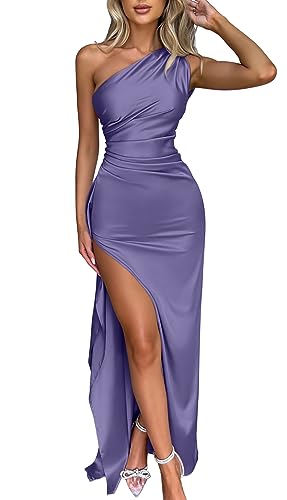
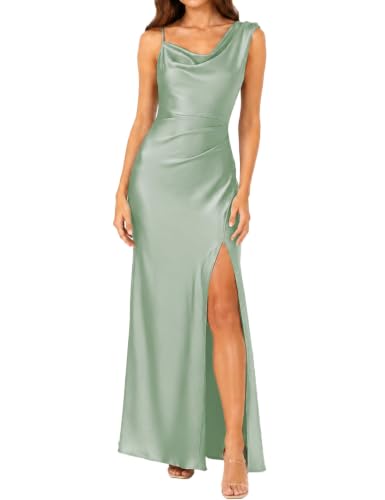



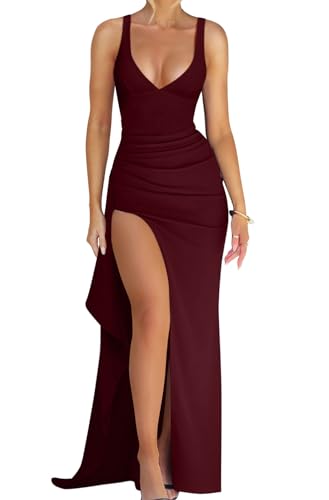


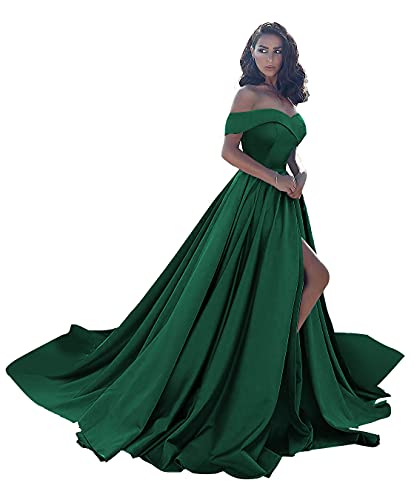


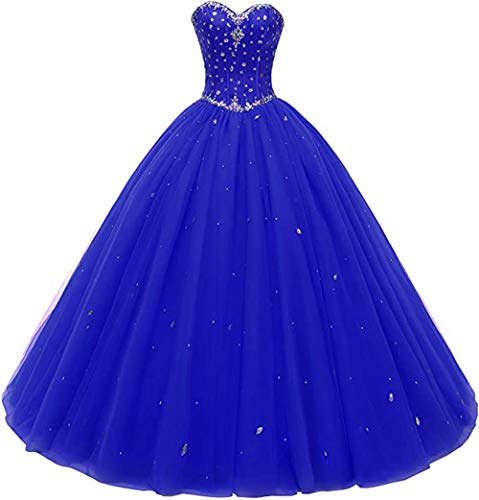
Likedpage Women’s Sweetheart Ball Gown Tulle Quinceanera Dresses Prom Dress
Original price was: $69.99.$64.99Current price is: $64.99.


Frequently Asked Questions About Silk Prom Dresses
Is satin the same as silk?
No. Satin is a weave; silk is a fiber. Satin can be polyester, silk, acetate, or another material.
How can I verify a silk prom dress?
Check the exact fiber-composition label or reliable seller/brand details for documented silk content.
What types of silk fabric are used in formal dresses?
Silk satin, charmeuse, chiffon, organza, and crepe are common constructions.
Does silk wrinkle?
Yes. Wrinkle behavior varies by weave, weight, lining, and handling.
Is silk always more breathable?
It can be comfortable, but lining, weight, and garment structure also affect temperature.
Are silk dresses difficult to alter?
They can be, especially bias-cut or delicate fabrics where needle marks and drape matter.
Can a polyester satin dress be called silk?
It should not be labeled as silk unless the composition actually includes silk.
Is the current Silk Prom Dresses inventory accurate?
The visible live grid includes many items without verified silk composition and needs cleanup.
What should I verify before ordering?
Check fiber content, seller, lining, measurements, care, delivery, returns, and alteration timing.
Silk Is a Fiber, Satin Is a Weave
Silk describes the fiber produced by silkworms and used in many luxury textiles. Satin describes a weave with a smooth reflective surface. Satin can be made from silk, polyester, acetate, or blends, so the words should not be treated as synonyms.
A silk prom category should therefore be composition-led. If a listing says satin but provides no silk fiber content, it belongs in Satin Prom Dresses rather than being assumed to be silk.
Silk Satin, Charmeuse, Chiffon, Organza, and Crepe
True silk can appear in multiple constructions. Silk satin and charmeuse are smooth and fluid, silk chiffon is light and sheer, silk organza is crisp and structured, and silk crepe has a more matte textured surface.
Each behaves differently in a prom gown. A silk charmeuse slip dress emphasizes drape, while silk organza can support a fuller skirt. Product content should name the specific material when the seller provides it.
Why Fiber Verification Matters
Shoppers may pay a substantial premium for silk because of its feel, drape, breathability, and material preference. Mislabeling polyester as silk undermines price comparison and trust.
Check the exact fiber-composition field, care label, brand page, or reliable retailer listing. Marketplace titles can use words such as silky or silk-look without meaning the garment contains silk.
Silk Drape and Fit
Fluid silk satin and charmeuse can follow the body closely and reveal underlayer lines or seam tension. Structured silk organza behaves very differently and may hold volume away from the body.
Choose size from body measurements rather than relying on the fabric to relax. Bias-cut silk can gain some length during wear and should be evaluated by an experienced tailor before final hemming.
Opacity and Underlayers
Pale or lightweight silk can be translucent, especially chiffon or fine charmeuse. Dark colors may still reveal undergarment edges because the fabric is smooth and reflective.
Use appropriate lining and smooth underlayers. Flash-test the dress from front, side, and back and avoid compression solely to hide a garment that is too tight.
Wrinkles, Water Marks, and Care
Silk can wrinkle and may show water spots, perspiration, or handling marks depending on weave and dye. Care requirements are often stricter than for polyester formalwear.
Follow the exact care label and use a professional cleaner or steamer when appropriate. Do not experiment with high heat, water, or stain removers immediately before prom.
Silk and Temperature
Silk is often valued for comfort and breathability, but fabric weight, lining, and garment structure still affect temperature. A heavily lined silk gown can feel warmer than a lightweight polyester chiffon dress.
Consider the venue, season, outerwear, and dance-floor conditions rather than assuming the fiber alone determines comfort.
Seams, Snags, and Delicate Surfaces
Fine silk can snag on rough jewelry, sharp nails, rhinestone bags, or textured chairs. Needle marks can also remain visible after alterations.
Use smooth accessories and inspect the garment immediately after delivery. Keep tags attached until fit and fabric condition are fully approved.
Alterations and Bias-Cut Silk
Bias-cut dresses require specialist handling because the fabric drapes and stretches diagonally. Hemming too early can produce an uneven final length after the garment settles.
Choose final shoes and consult an experienced formalwear tailor. Delicate silk seams, linings, and narrow hems can be less forgiving than heavier polyester satin.
Silk vs Silk-Look Value
A silk-look polyester gown may be the better practical choice for some shoppers because it can cost less and may be easier to care for. The SEO goal should not be to imply that silk is always superior.
Instead, describe material truthfully so shoppers can compare fiber, feel, care, price, durability, and event needs.
Current MotherBrideDress Inventory Problem
The live category shows 36 results, but visible products include strapless quinceañera dresses, satin wedding gowns, and other listings without verified silk content. That means the category is currently too broad.
During the final audit, remove products lacking documented silk composition. If only a handful of true-silk products remain, a material guide or filtered collection may be stronger than an inflated commercial category.
Ordering True Silk Online
Verify fiber percentage, lining, seller, brand, measurements, care instructions, delivery timing, and return policy. Save the material description at checkout.
After delivery, inspect texture, labeling, seams, color, and fit without removing tags. A high-price material claim should be verifiable before the return window closes.