
Plus Size Prom Dresses Cheap
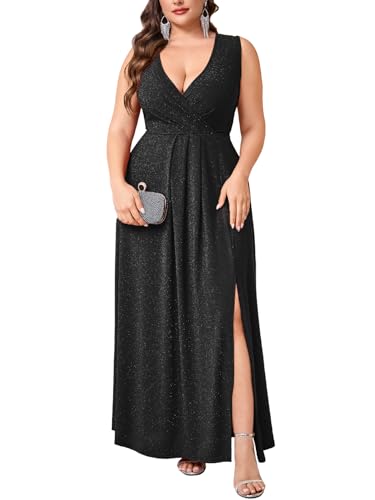
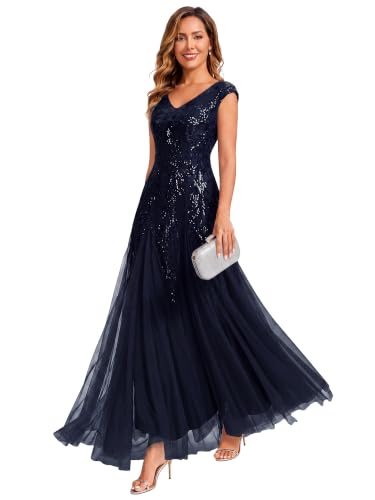
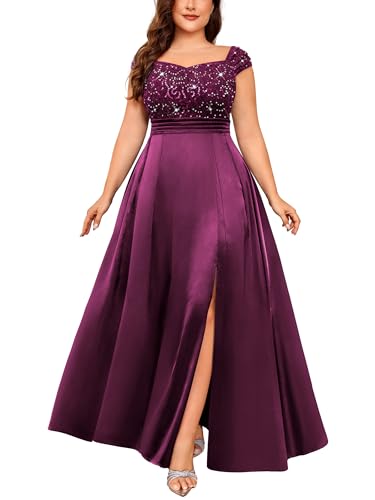
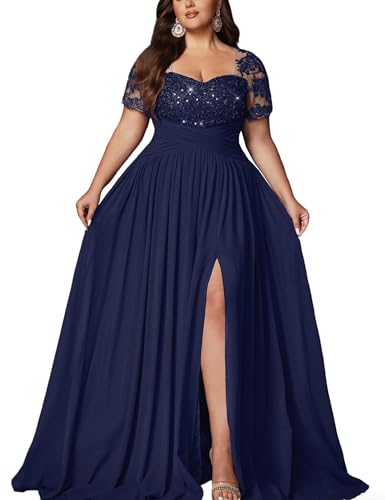
Plus Size Prom Dresses Cheap include budget-focused plus-size prom dresses where the shopper is balancing extended sizing, formal construction, delivery risk, and total outfit cost. The collection can include affordable satin A-lines, chiffon gowns, sequin dresses, plus-size corset styles, long formal dresses, and sleeved options. Start with the prom date, school or venue rules, wearer measurements, preferred construction, and budget; then verify the exact seller, selected variation, lining, closure, current delivery estimate, and return eligibility before ordering.
Cheap describes price intent, not garment quality. The collection needs an actual budget rule or price filter; otherwise the modifier becomes misleading and overlaps general plus-size prom. A useful category page should help shoppers narrow a real product decision rather than simply repeat a keyword. Compare the received garment for support, opacity, movement, hem or neckline behavior, alteration difficulty, and how the fabric photographs under daylight, warm indoor light, and flash.
Related shopping paths include plus size prom dresses, affordable prom dresses, cheap prom dresses, and prom dresses. These collections broaden or narrow the search by color, construction, length, fit, or adjacent intent, so shoppers can move between genuinely different product sets without treating every neighboring phrase as interchangeable.
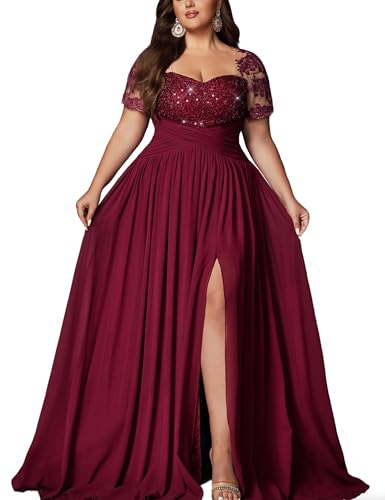
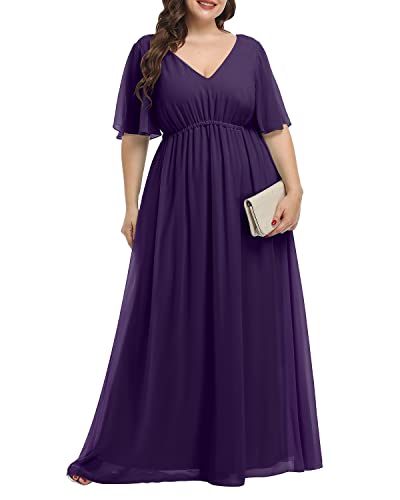
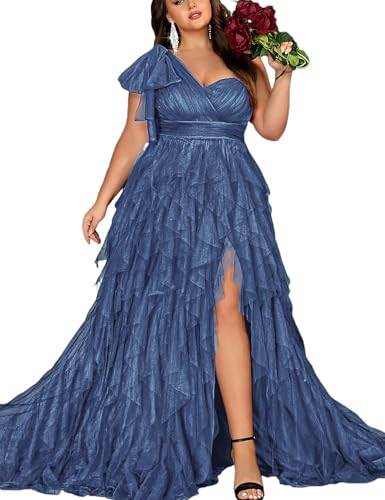
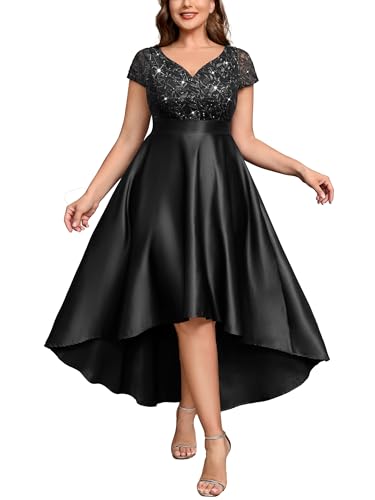





Frequently Asked Questions About Plus Size Prom Dresses Cheap
What does this size category mean?
It indicates a retail sizing or proportion category, but exact body measurements vary by brand and seller.
Should I order my usual size?
Not automatically. Compare your current measurements with the exact seller chart.
Which measurements matter most?
Bust, waist, hips, shoulders, torso, upper arms when relevant, and preferred garment length.
Do size charts match across brands?
No. Numerical and letter sizes can use different pattern blocks and measurements.
Which silhouette is best?
There is no universal best silhouette; choose from desired structure, fit, movement, and personal preference.
How should the bodice fit?
Cups, waist, straps, back, and neckline should stay aligned without seam strain or repeated adjustment.
Can the dress be altered?
Many can, but corsetry, sleeves, lace, sequins, and layered skirts can make alterations expensive.
How early should I order?
Allow time for delivery, exchange, alterations, shoes, steaming, and a complete movement test.
What should I verify before buying?
Check seller-specific measurements, fabric, lining, support, length, delivery, returns, and alteration feasibility.
What Plus Size Prom Dresses Cheap Means in Practice
Budget-focused plus-size prom dresses where the shopper is balancing extended sizing, formal construction, delivery risk, and total outfit cost. Size terminology is useful only when tied to the exact brand or seller chart.
Cheap describes price intent, not garment quality. The collection needs an actual budget rule or price filter; otherwise the modifier becomes misleading and overlaps general plus-size prom.
Start With Body and Garment Measurements
Measure bust, waist, hips, shoulders, torso, upper arms when relevant, and preferred dress length in the planned undergarments. Compare the least flexible body area with the seller chart.
When garment measurements are available, use them to estimate ease rather than treating the size label as a body measurement.
Define the Budget Before Comparing “Cheap” Dresses
Set a maximum dress price and a separate total-outfit budget for shipping, returns, alterations, shoes, underlayers, and accessories. A lower sticker price can become expensive if major tailoring or return shipping is required.
The collection should use a consistent price rule; otherwise “cheap” becomes an unstable keyword rather than a useful shopping filter.
Pattern Grading and Proportion
Good extended or petite grading changes vertical and horizontal landmarks such as cup placement, waist height, shoulder width, armholes, slit height, pocket position, and hem—not just overall width.
Look for size-specific photographs and reviews because a design may behave differently at different points in the size range.
Silhouettes and Ease
A-lines, ball gowns, mermaids, columns, fitted dresses, chiffon gowns, and two-piece styles require different amounts of ease. Choose the silhouette from desired structure and movement, not universal body-type rules.
Sit for ten minutes and check whether the waist, hips, thighs, cups, and lining remain comfortable.
Bodice Support and Neckline Security
Boning, cups, straps, side seams, waist seams, and back closures should align with the wearer. Built-in support is useful only when cup spacing, bust depth, and torso length are correct.
Raise both arms, bend, and hug before removing tags.
Length, Shoes, and Vertical Fit
Dress length can change dramatically across petite, regular, tall, and brand-specific pattern blocks. Choose shoes before final hemming and check waist and hip placement as well as the hem.
Shortening a dress cannot correct a waist or flare point that sits in the wrong place.
Fabric Stretch and Lining
Stretch claims should be verified across both outer fabric and lining. Sequins, lace, embroidery, and corsetry can reduce usable stretch even when the base fabric contains elastane.
Check seated comfort and seam strain before deciding to size down.
Value Checks at Lower Price Points
Inspect lining, zipper installation, boning, seam finishing, slit reinforcement, strap attachment, hem quality, and decoration security. Affordable fabric can still be wearable when construction is controlled.
Avoid final-sale risk unless measurements and seller reliability are already well verified.
Movement and Event Requirements
Prom is not a standing-photo event. Transportation, check-in, dinner, prolonged sitting, stairs, crowded walking, dancing, photographs, outerwear, and restroom access can expose fit problems that are invisible in a product image. Read the current school policy for necklines, backs, cutouts, transparency, slits, midriffs, and hems before approving a dress.
The right size should support ordinary movement without compression being used as a substitute for fit.
Alterations
Hems, straps, and limited side-seam adjustments are generally simpler than rebuilding cups, boning, sleeves, decorated seams, or multi-layer skirts.
Get a tailoring estimate before the return deadline when more than one structural area is wrong.
Seller, Returns, and Inventory
Marketplace category cards can combine different sellers, size charts, fabrics, delivery dates, return programs, and even different product constructions under visually similar listings. Save the exact seller, color, size, chart, delivery estimate, and return policy at checkout, and order early enough to allow inspection, exchange, alterations, steaming, and a complete movement test.
Extended or petite sizes may have different stock and return conditions from standard sizes, so verify the exact selected variation rather than relying on the general product page.
Styling Without Size Rules
Color, neckline, sparkle, sleeves, and silhouette do not belong to one size range. Choose from fit, comfort, event rules, and personal preference rather than restrictive “flattering” rules.
Accessories should complete a secure dress, not hide fit problems.
Final Fit Standard for Plus Size Prom Dresses Cheap
Keep the dress only when the vertical and horizontal landmarks align, the bodice stays secure, the lining has enough ease, and the hem works with the final shoes.
A correct size is the one that supports the intended garment design and comfortable movement—not the smallest label that closes.