
Black and White Prom Dress
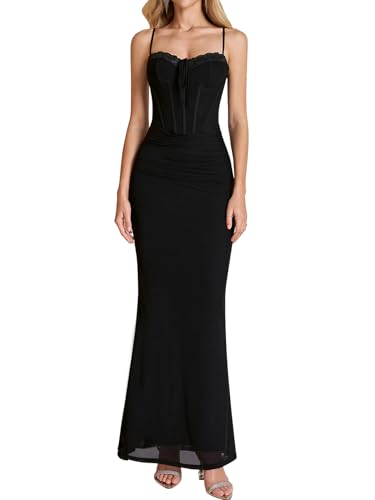
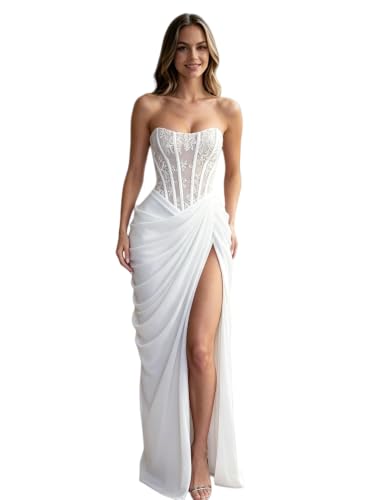
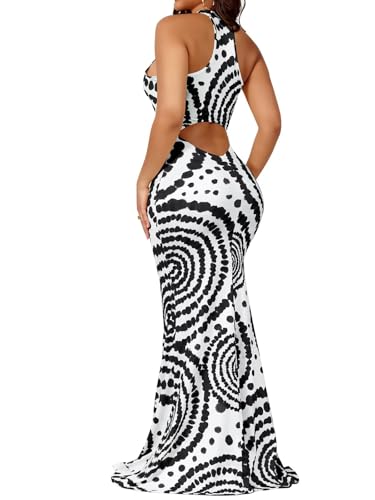
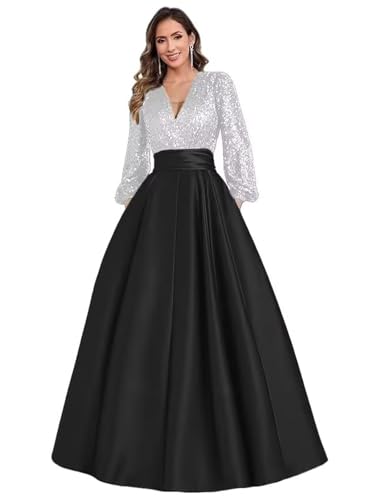
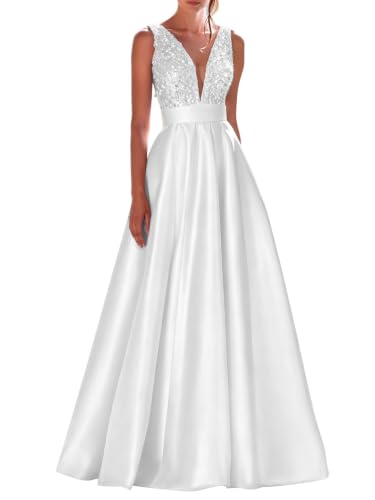
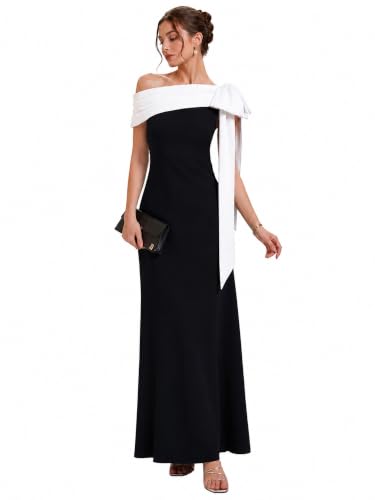
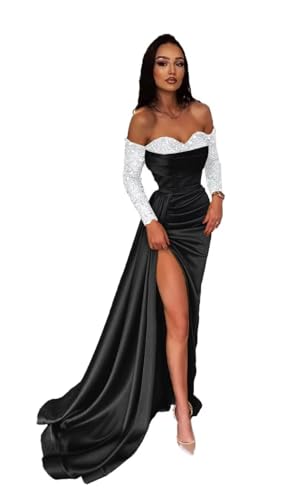
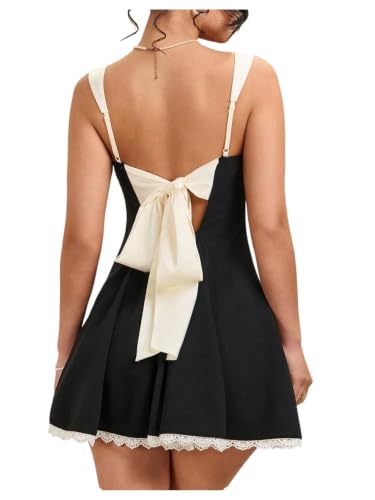
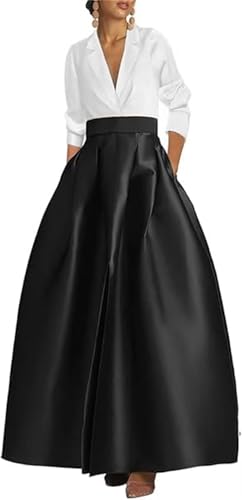
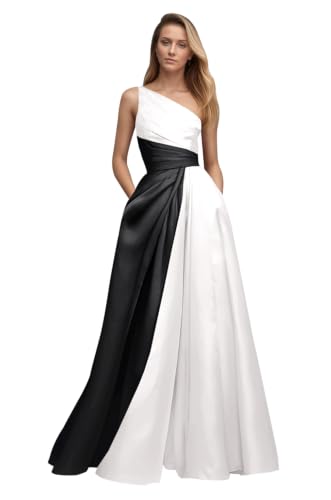
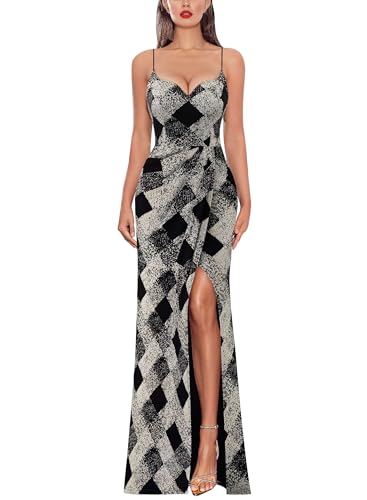
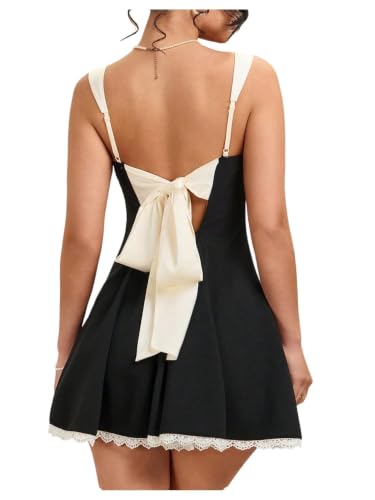
Black and White Prom Dress cover prom dresses that use black and white together through color blocking, prints, lace overlays, appliqué, embroidery, piping, panels, or layered skirts. The product grid may contain black gowns with white floral appliqué, white satin with black corsetry, monochrome ball gowns, printed A-lines, tuxedo-inspired columns, lace overlays, two-piece sets, and high-low dresses. Filter first by the school dress code, event plan, wearer, required color or construction, and exact measurements; then compare the selected seller, fabric, lining, closure, current delivery estimate, and return eligibility.The garment should visibly contain both colors; a solid black dress with white shoes or a white dress with black jewelry belongs on a single-color page. Retailers frequently combine prom, homecoming, bridesmaid, evening, and marketplace products inside the same navigation path. This guide uses garment-level evidence—fit, fabric, lining, support, movement, and role—so the category does not become a list of interchangeable style words.Related paths include black prom dresses, white prom dress, floral prom dresses, and two piece prom dresses. Each link answers a different shopping question and should be retained only when its modifier creates a distinct product set or buying decision.









Frequently Asked Questions About Black and White Prom Dress
What counts as a black and white prom dress?
The garment should visibly combine black and white through fabric, panels, print, lace, appliqué, embroidery, or piping.
Can ivory count as white in this category?
Retailers sometimes group ivory or cream with white, but the actual undertone should be verified because contrast with black makes differences obvious.
What shoes work with black and white?
Black, silver, crystal, selected white, or skin-tone shoes can work when they suit the hem and venue.
Will white panels be transparent?
They can be. Check lining, cups, seams, and undergarments in daylight and flash before removing tags.
Can black dye transfer onto white fabric?
It is possible during steaming, cleaning, or friction, so follow care instructions and test cautiously.
Are black and white dresses appropriate for prom?
Yes when the dress meets school rules and has prom-level fabric, lining, support, and construction.
Can contrast panels be altered?
Some can, but symmetry, piping, lace motifs, and printed borders make changes more visible.
How should I choose jewelry?
Use a restrained metal finish and let the monochrome pattern or neckline remain the main feature.
What should I verify before ordering?
Check white undertone, opacity, seller, measurements, lining, closure, care, delivery, returns, and alterations.
What Counts as Black and White Prom Dress
“Black and White Prom Dress” cover prom dresses that use black and white together through color blocking, prints, lace overlays, appliqué, embroidery, piping, panels, or layered skirts. The category label is useful only when the received garment supports the promised color, construction, length, and prom-level purpose; a seller title alone is not enough evidence.
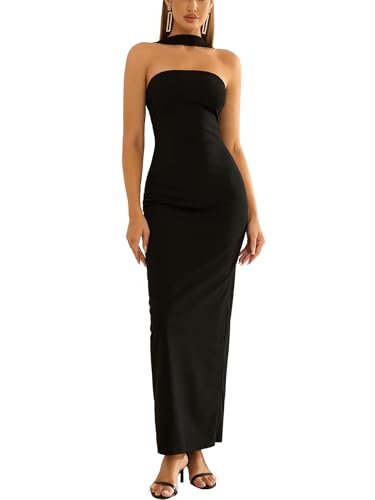
The garment should visibly contain both colors; a solid black dress with white shoes or a white dress with black jewelry belongs on a single-color page. Use the exact product variation, school policy, wearer measurements, and event schedule to decide whether an item truly belongs in this category.
Black and White Prom Dress Versus Adjacent Prom Categories
This page should remain separate from black prom, white prom, printed, floral, two-piece, and monochrome formal intent only when the modifier changes the product set or the shopper’s decision. Closely related labels can share inventory, but they should not repeat the same purpose, headings, FAQs, and internal links.
For Black and White Prom Dress, start with the narrowest genuine requirement. Keep a specific page when its color combination, sleeve construction, length, or two-piece structure creates different fit and shopping questions; consolidate pages created only by word order or subjective adjectives.
Prom Night, School Rules, and Event Planning
Shoppers considering Black and White Prom Dress should plan for transportation, outdoor or indoor photographs, check-in, dinner, prolonged sitting, crowded walking, and dancing. The dress must satisfy the most restrictive portion of that schedule rather than a single standing product image.
Before approving Black and White Prom Dress, read the current school policy for necklines, backs, cutouts, transparency, slits, midriffs, and hems. Check venue stairs, flooring, coat storage, weather, and arrival plans before choosing a train, narrow skirt, fragile surface, or special layer.
Black and White Prom Dress by Silhouette
Black and White Prom Dress may use A-line, ball gown, column, mermaid, fit-and-flare, sheath, high-low, and two-piece shapes. These shapes distribute structure and ease differently, so no silhouette should be presented as universally flattering or suitable for every wearer.
Evaluate each Black and White Prom Dress option through bust placement, waist position, hip and knee ease, skirt volume, and seated behavior. Check front, side, and back views after ten minutes of sitting; pulling, twisting, riding, gaping, or a climbing waist indicates a pattern mismatch.
Length, Hems, Slits, and Trains
Black and White Prom Dress may use floor, sweep, ankle, high-low, midi, and selected short lengths. Retail length labels are not standardized, and model height does not replace an actual shoulder-to-hem or waist-to-hem measurement.
Test the hem of Black and White Prom Dress in the final shoes while walking, sitting, climbing a step, and turning. Slits, curved hems, wraps, trains, fitted skirts, and layered linings can change coverage or floor clearance once the wearer moves.
Fabrics and Surface Finish
Relevant fabrics include satin, mikado, tulle, lace, crepe, chiffon, velvet, organza, and printed jacquard. Suitability depends on density, lining, recovery, surface finish, seam control, and support rather than the fiber or fabric name by itself.
Inspect Black and White Prom Dress in daylight and flash photographs for transparency, shine, color variation, static, pilling, seam strain, and lining edges. The final seller page should identify material, care, lining, and the exact color or construction variation being purchased.
Bodice, Closures, Lining, and Structure
Prom-level construction may include contrast piping, black lace over white lining, white appliqué on black tulle, monochrome florals, bows, corsetry, and geometric panels. Stable closures, clean hems, reinforced slits, secure straps, adequate lining, and controlled seams matter more than decoration alone.
For Black and White Prom Dress, test every zipper, hook, button, tie, snap, and lace-up point before removing tags. Check whether skirt weight pulls the bodice, whether decoration crosses alteration seams, and whether the lining is shorter, tighter, or less flexible than the outer layer.
Necklines and Support Planning
Black and White Prom Dress may include strapless, sweetheart, square, V-neck, halter, one-shoulder, off-shoulder, and high neck. Each requires different bust depth, side coverage, back height, strap placement, and support planning.
Fit Black and White Prom Dress with the intended bra, cups, tape, or base layer. Raise both arms, sit, bend, and hug. Fashion tape can finish an edge, but it should not be the only structure preventing a neckline from dropping, rolling, or gaping.
Sleeves, Straps, and Coverage
This category can include sleeveless, cap, lace, mesh, short, and long-sleeve options. Sleeve or strap choice affects temperature, shoulder movement, upper-arm fit, outerwear, and school coverage but does not determine the formality of the complete dress.
When sleeves or straps appear on Black and White Prom Dress, measure shoulders, armholes, upper arms, elbows, and cuffs when applicable. Reach forward, cross the arms, lift a bag, and test the planned coat or wrap. Return a dress that restricts movement instead of expecting it to loosen safely.
Measurements and Prom-Night Fit
For Black and White Prom Dress, prioritize contrast seam placement, bust and waist alignment, panel symmetry, opacity, seated ease, and neckline security. Numerical, junior, misses, petite, tall, plus, and brand-specific sizes use different pattern blocks, and familiar label numbers are not reliable across sellers.
For Black and White Prom Dress, record bust, waist, hips, shoulders, torso, upper arms, and preferred garment length in the planned undergarments. Choose from the least flexible area and use reviews only when they identify measurements, purchased size, and the exact variation.
Color, Undertone, and Photography
Important color questions include true black, soft black, optical white, ivory risk, warm white, dye transfer, and high-contrast photography. Retail names can conceal undertone and finish differences, while lining, pile direction, metallic surfaces, and camera processing can shift the appearance.
Compare customer photographs for Black and White Prom Dress and inspect the delivered dress under daylight, warm indoor light, and flash. Confirm school or group restrictions and coordinate accessories with the actual received shade rather than a generic color word.
Season, Venue, and Outerwear
Prom shopping should account for black heat absorption outdoors, white transparency, winter velvet, spring tulle, outerwear, and venue surfaces. The outdoor arrival and indoor dance floor can create opposite temperature needs, and fabric chosen for one part of the night may fail during another.
Plan how Black and White Prom Dress will handle parking, transportation, photographs, coat storage, venue surfaces, and weather backup. Outerwear should fit without shifting the neckline, crushing texture, snagging decoration, or adding unsafe bulk around the hem.
Walking, Sitting, and Dancing
A realistic fit test should cover panel alignment after sitting, slit control, skirt volume, train management, dancing, and avoiding white hems on dirty surfaces. Problems hidden in a catalog pose often appear only after the lining warms, the skirt settles, or the wearer has been seated.
Complete a fifteen-minute rehearsal in the chosen Black and White Prom Dress outfit. Sit, stand, bend, step up, walk quickly, turn, raise both arms, and simulate dancing. Reject restricted breathing, exposed lining, unstable closures, unsafe hems, or constant adjustment.
Bras, Slips, Shorts, and Shapewear
Base-layer planning should address skin-tone underlayers beneath white panels, opaque linings, clean cup edges, and preventing dark undergarments from showing. The correct bra, slip, shorts, hosiery, or shapewear depends on the actual neckline, fabric, opacity, and wearer preference.
Test underlayers beneath Black and White Prom Dress in daylight and flash and remain seated long enough to detect rolling bands, visible seams, pressure, or restricted restroom access. Do not size down to force compression or use underlayers to correct a structurally wrong dress.
Shoes, Jewelry, Bags, and Styling
A complete outfit may use black, silver, crystal, or restrained pearl-like accents, consistent hardware, secure bags, and shoes chosen for the venue. Shoes and outerwear are practical equipment as well as styling choices, and they must work with the venue surface, hem, and full event duration.
When styling Black and White Prom Dress, match metal finishes to visible hardware or beadwork and avoid bags or jewelry that snag lace, mesh, sequins, or sleeves. Accessories should complete a suitable dress, not conceal weak fit, poor construction, or dress-code problems.
Petite, Tall, Plus, Junior, and Adaptive Fit
For Black and White Prom Dress, evaluate size-specific pattern placement, panel width, torso length, plus and petite grading, tall hems, and adaptive closures. Inclusive shopping requires correct vertical and horizontal landmarks, not generic claims that a color or silhouette is reserved for a particular body type.
For Black and White Prom Dress, look for size-specific photographs and garment measurements. A design graded mainly in width can misplace cups, waist, pockets, motifs, slits, sleeves, and hems; choose the pattern block that starts closest to the wearer.
Alterations and Construction Limits
Likely alteration questions include preserving panel symmetry, black-white seam alignment, lace motifs, printed borders, decorated hems, and matching white tones. Plain straps and straight hems are generally easier than decorated borders, corsetry, sleeves, layered skirts, sequins, bias cuts, or motif-heavy seams.
Get a tailoring estimate for Black and White Prom Dress before the return deadline and bring the final shoes and underlayers to fittings. Return a dress that misses several structural measurements rather than paying to rebuild the bust, waist, sleeves, and hem.
Seller, Delivery, Returns, and Total Cost
Online comparison should verify actual white tone, product variation, seller, lining, transparency, measurements, delivery, returns, and cleaning risk. Marketplace categories can combine different sellers, materials, size charts, delivery dates, and return rules under one product card.
When ordering Black and White Prom Dress, save the selected seller, color, size, chart, delivery estimate, and policy at checkout. Order early enough for one failed option, inspection, exchange, alterations, steaming, and a full rehearsal; final sale requires verified measurements and accepted risk.
Optical White, Ivory, Cream, and Photography Risk
Retailers may label warm ivory, cream, silver-white, or nude-lined fabric as white. Against black, small undertone differences become obvious, especially in flash photographs and beside true-white accessories.
Review the received dress near a window and under warm indoor light. Check whether white panels are opaque, whether cups or lining appear yellow, and whether the black fabric transfers dye onto pale sections during steaming or wear.
Monochrome Prom Styling Without Looking Like a Uniform
Black and white can look graphic, romantic, vintage, minimalist, or tuxedo-inspired depending on silhouette and detail. The combination does not need excessive accessories to feel formal; fabric quality and controlled fit usually provide enough impact.
Choose one leading feature such as a sculptural bow, floral appliqué, corset panel, or contrast neckline. Keep the remaining styling consistent so the monochrome design reads as intentional rather than assembled from unrelated pieces.
Final Black and White Prom Dress Checklist
Before ordering Black and White Prom Dress, confirm the school policy, prom date, venue, wearer role, exact measurements, garment construction, color or modifier, lining, closure, support plan, seller, delivery date, return terms, and likely alteration work.
After delivery, inspect Black and White Prom Dress in daylight and flash, test every closure, and rehearse sitting, walking, stairs, reaching, dancing, outerwear, and restroom access. Keep the dress only when it remains secure, comfortable, and appropriate without repeated adjustment.