
Plus Size 26 Dresses for Women
Plus Size 26 Dresses for Women is a numeric-size category for shoppers looking specifically for dresses available around a US women’s size 26 or 26W. Those labels are not interchangeable across every brand: 26, 26W, 3X, 4X, and seller-specific extended sizes can map to different bust, waist, hip, and garment measurements. The safest approach is to use size 26 as a search filter, then verify the exact chart, pattern block, stretch, bust support, upper-arm fit, torso length, and garment length for each product.
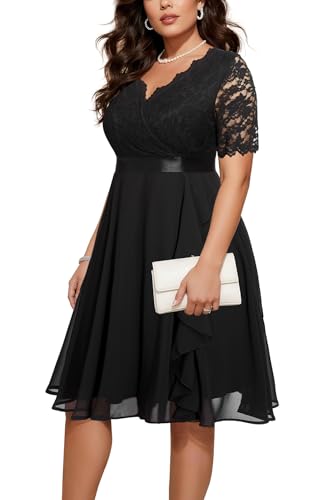
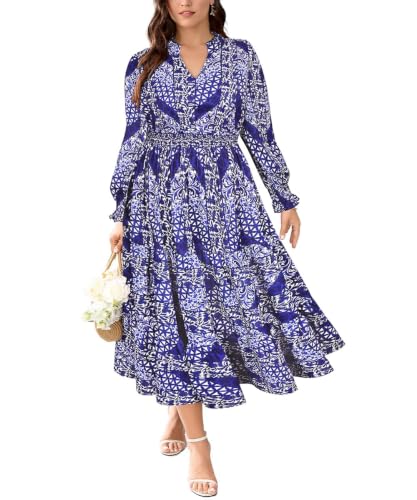
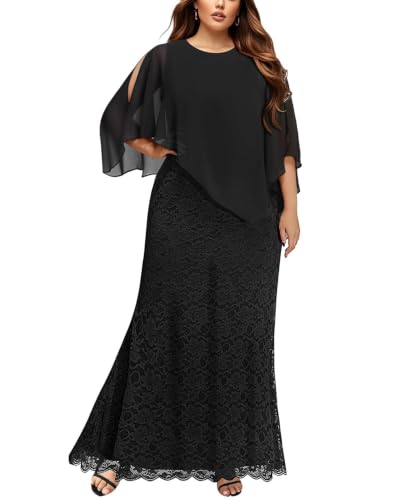
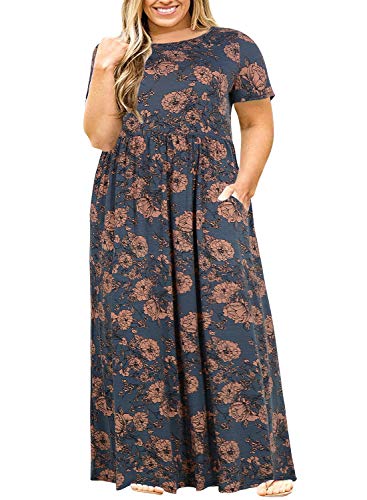
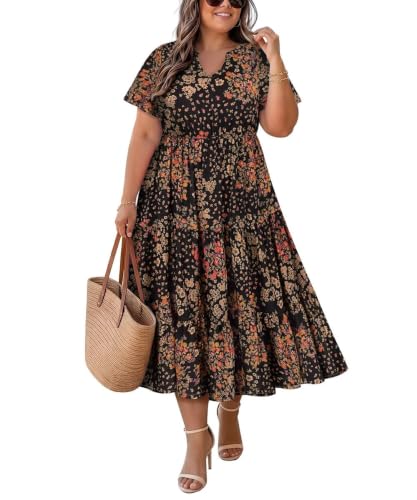
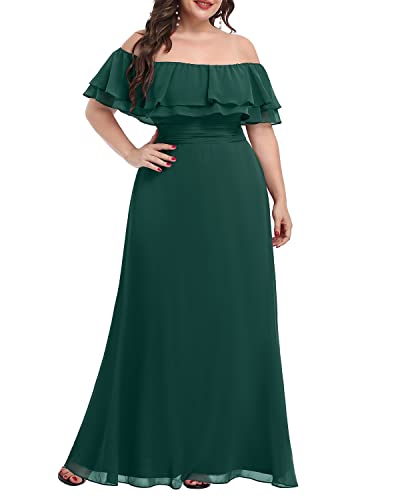
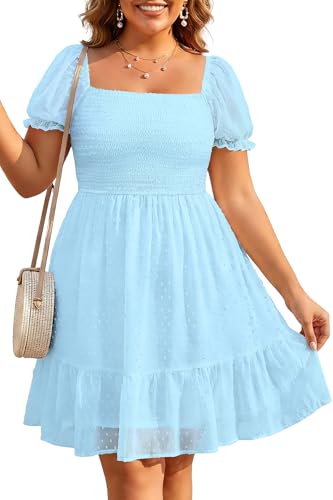
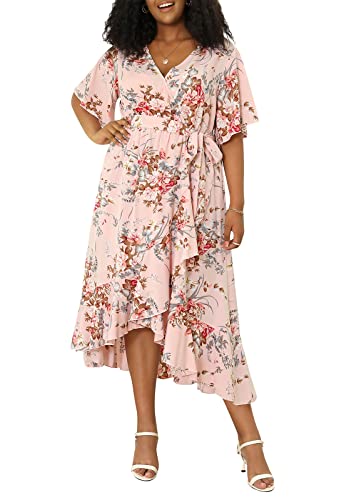
This live category is broad enough to include casual, wedding, bridesmaid, formal, mother-of-the-occasion, and party options. Compare it with the broader plus size dresses collection, fancy plus size dresses, XXX large dresses, and all dresses by size. The category is useful only when the selected product truly offers a size compatible with the shopper’s measurements.
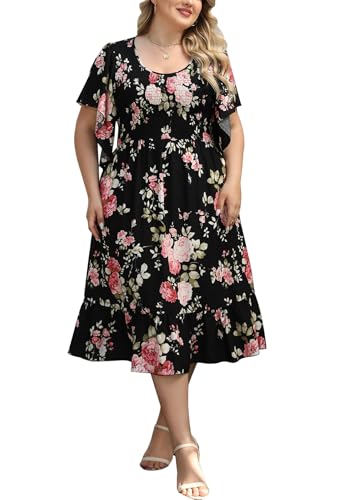
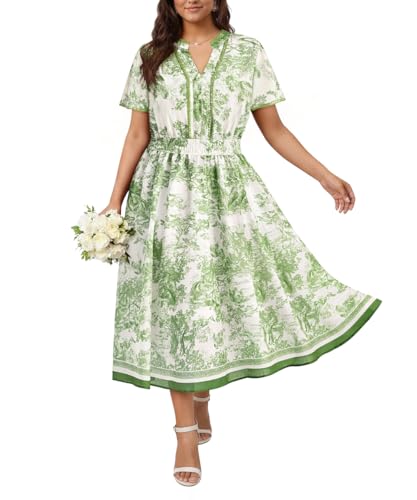
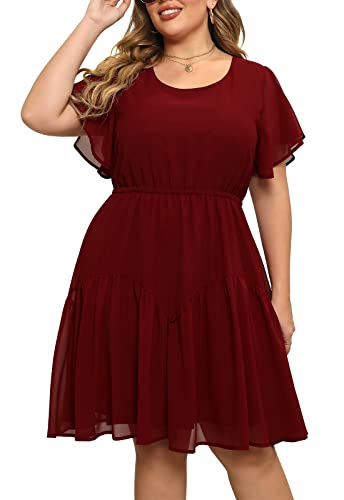
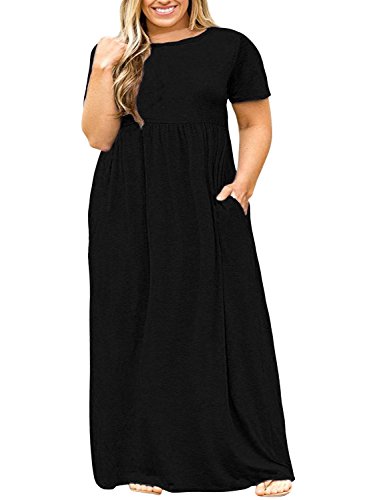
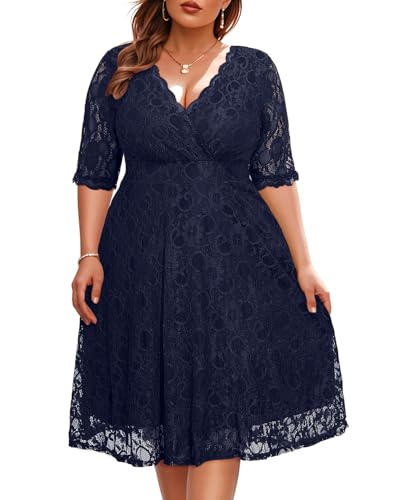
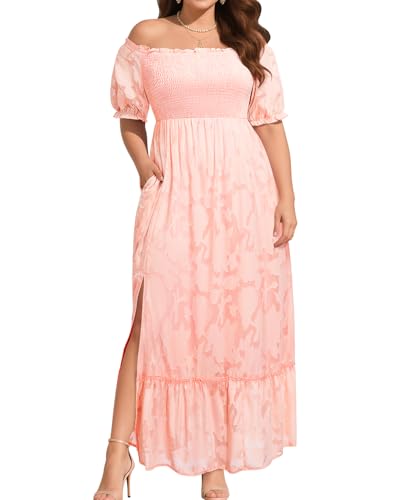
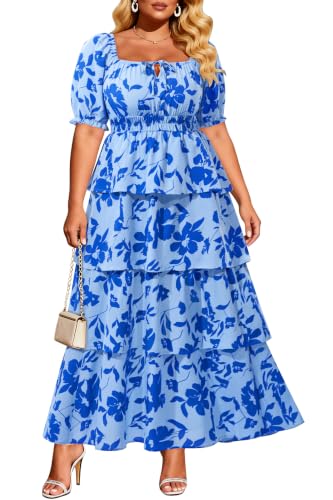
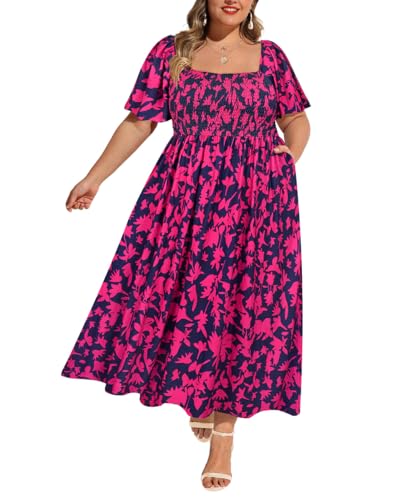



Frequently Asked Questions About Plus Size 26 Dresses for Women
Is size 26 the same as 26W?
Not always. Brands may use different pattern blocks and measurements for 26 and 26W, so compare the exact chart.
Is size 26 equal to 3X or 4X?
There is no universal conversion. A size 26 may map to different alpha sizes depending on the brand and fabric.
Which measurements matter most for size 26 dresses?
Full bust, waist, high and full hip, shoulders, upper arms, torso when fitted, and garment length are useful.
What should I check in a formal size 26 gown?
Check bodice support, cup depth, zipper or lace-up closure, lining, hip ease, sleeve mobility, hem length, and alteration feasibility.
Can size 26 dresses be petite or tall?
Yes. Numeric size and height proportion are separate. Look for petite, regular, or tall versions when offered.
Can a size 26 formal dress be altered?
Often, but complex sleeves, beading, corsetry, lace, layered skirts, and limited seam allowance can restrict changes.
What should I verify before ordering online?
Confirm that size 26 or 26W is actually selectable, then check measurements, fabric, seller, delivery, returns, and reviews with fit details.
Size 26 vs 26W
Some US brands distinguish misses size 26 from women’s 26W, while others use only one system. A W label may indicate a different pattern block with adjusted proportions through the bust, waist, hip, armhole, or rise, but there is no universal rule that applies to every seller. Marketplace listings can also use 26W as a search term without providing a consistent chart.
Use the product-specific measurement table. If both 26 and 26W are offered, compare their actual bust-waist-hip measurements rather than assuming the difference.
Size 26 vs 3X or 4X
Alpha-size conversions are especially unreliable in extended sizing. One brand may map size 26 to 3X, another to 4X, and another may use a completely different range. Fabric stretch and intended ease also affect the relationship. Do not choose an XXXL or 3X dress solely because a generic conversion chart suggests it equals 26W.
The XXX large dresses category is therefore a separate browsing path. Cross-shop only when the seller’s measurements confirm compatibility.
Measurements to Take Before Ordering Size 26
Measure full bust at the fullest point, natural waist, high hip, full hip, shoulder width, upper-arm circumference, and preferred garment length. For fitted or formal dresses, add torso length, back width, and bust depth when possible. Measure in the undergarments intended for the event because bras and shapewear can change the dimensions that matter to a structured bodice.
Keep the tape level and comfortably close without compressing the body. Compare measurements with the exact product chart and note whether the seller lists body measurements or finished garment measurements.
Casual Size 26 Dresses
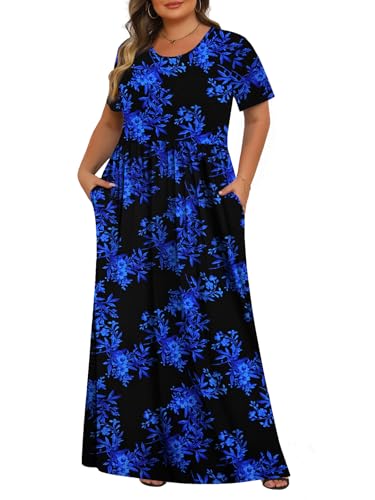
Casual dresses in jersey, cotton blends, smocked fabrics, loose maxis, T-shirt styles, and A-line silhouettes may allow more ease than formal gowns. Even so, verify upper-arm openings, shoulder fit, pocket placement, and length. Oversized marketing language does not guarantee adequate bust or hip room, and a loose body can still have a narrow sleeve or armhole.
For hot-weather styles, check breathability and lining. For work or church dresses, check sitting length, neckline security, and whether the fabric becomes transparent in daylight.
Formal and Evening Size 26 Dresses
Formal gowns require more precise fit because satin, crepe, boned bodices, lace, beaded mesh, and lined chiffon often have less tolerance. Check cup depth, neckline support, waist seam position, zipper strain, and whether the skirt lining allows full stride. A 26W label does not guarantee that a strapless or corset bodice was graded with enough structural support.
For black-tie or gala intent, use the fancy plus size dresses collection as a second filter and verify the exact size option on the product page.
Upper Arms, Sleeves, and Shoulder Fit
Extended-size fit problems often appear at the upper arm or shoulder because sellers may grade the torso more generously than the sleeve. Fitted lace sleeves, mesh sleeves, cap sleeves, and structured jackets need actual upper-arm and shoulder measurements. Flutter, cape, and split sleeves offer more movement but still need comfortable armholes.
Reach forward, raise the arms, and simulate putting on a coat. If the body of the dress lifts dramatically or the sleeve twists, the shoulder or armhole may be restricting movement.
Waistlines and Skirt Shapes
A-line, empire, wrap, sheath, column, fit-and-flare, mermaid, and ball gown silhouettes distribute ease differently. Do not choose from generalized “body type” rules. Instead, check where the waist seam lands, how much hip ease the skirt provides, and whether the garment remains comfortable after sitting for ten minutes.
Mermaid and fitted columns require accurate hip and thigh measurements. Ball gowns need skirt volume management. Wrap styles need enough overlap across the bust and skirt when seated.
Stretch, Lining, and Fabric Recovery
Stretch jersey, scuba, ponte, and knit fabrics can offer flexibility, but the lining or zipper panel may be less stretchy than the outer layer. Chiffon and lace often depend on a fitted lining that controls the actual size. Sequins and embroidered mesh may have minimal give and can reduce ease at seams.
Check recovery by sitting and moving in the dress. A fabric that stretches but stays bagged at the seat or waist can look less polished after an hour of wear.
Length and Proportion in Size 26
Numeric size does not determine height. Size 26 shoppers may need petite, regular, or tall proportions depending on the brand. A full-length gown can be too long even when circumference fits, and a regular bodice can be too long on a petite wearer. Conversely, some plus-size dresses become slightly shorter when more fabric is used across bust or hip curves.
Use garment length and model information when available. Select shoes before formal hemming and test stairs, sitting, and walking.
Closures and Construction Stress
Zippers, hook-and-eye closures, buttons, lace-up backs, and elastic panels should close smoothly without excessive strain. A zipper that technically closes but ripples or exposes seam tension is a sign that the garment is too tight or poorly proportioned. Lace-up backs can add adjustment but still require the bodice and modesty panel to cover correctly.
Inspect side seams and armholes for pulling. Do not rely on shapewear to force a structurally small dress into place.
Alterations in Extended Sizes
Tailoring a size 26 dress can be straightforward when changes involve a plain hem or minor waist adjustment. Complexity rises with beaded seams, corsetry, lace motifs, sleeves, jackets, multi-layer skirts, horsehair, prints, and decorative borders. Letting a dress out requires sufficient seam allowance and matching fabric; it is often less predictable than taking a dress in.
Ask a tailor before the return deadline if the bust, shoulders, or hips need major change. Replacement in a different size or cut may be safer.
Online Shopping and Return Protection
Affiliate listings can mix size systems and sellers, so save screenshots of the selected size, chart, color, delivery date, and return terms. A title containing “26W” is not enough if the variation menu does not actually offer that size. Reviews should be filtered mentally for body measurements, purchased size, fabric stretch, and whether the reviewer discusses arms, bust, waist, and length.
For a fixed event date, build in time for one failed order. Extended formal inventory may have fewer replacement options close to the event.
How to Shortlist Size 26 Dresses for Women
Begin with the seller chart and actual measurements, then narrow by occasion, fabric, silhouette, sleeve fit, support, and length. Compare size 26/26W only with alpha sizes when the brand provides a clear measurement match. If you want a broader extended-size search, move to plus size dresses; if you want dressier inventory, use fancy plus size dresses.
The best size 26 dress is one whose chart, pattern proportions, and construction match the wearer—not the one with the most generous-sounding label.