
Three-Quarter Sleeve Dresses for Women
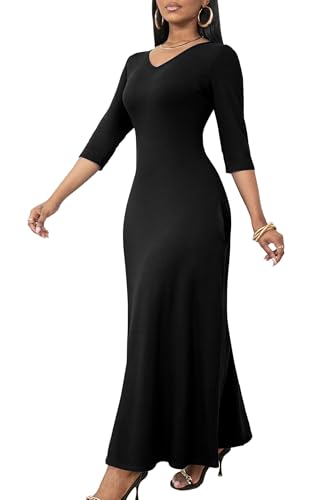
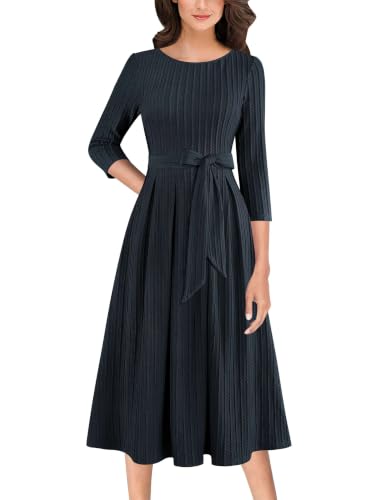
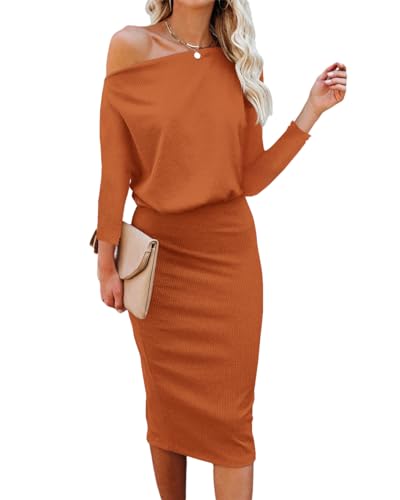
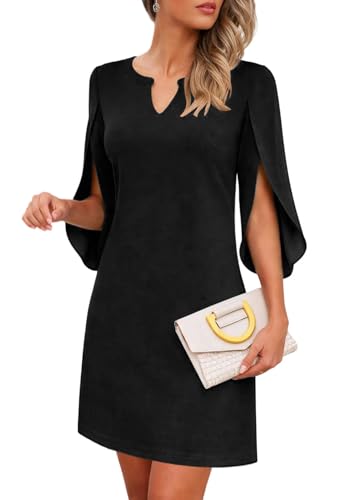
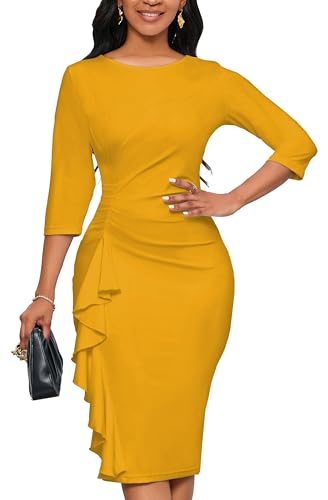
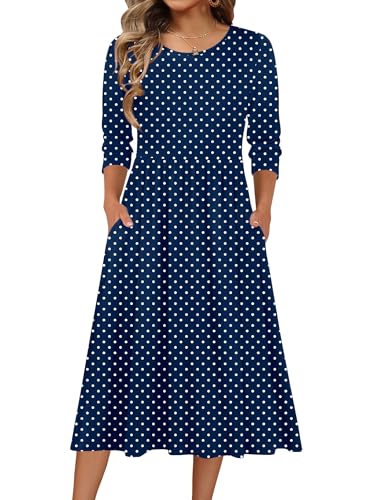
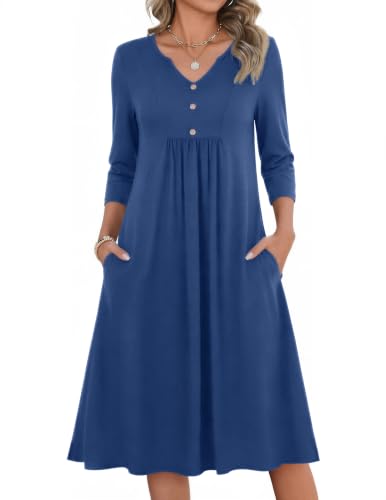
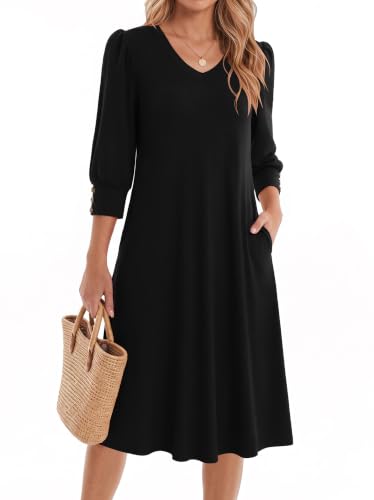
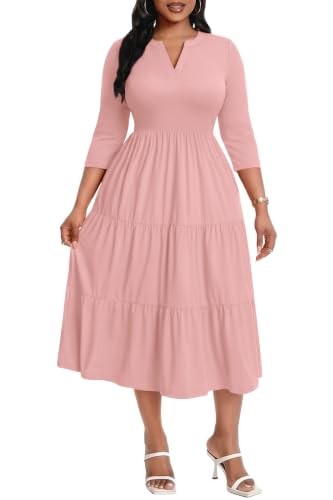
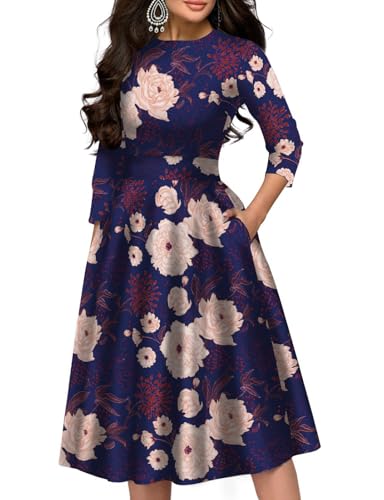
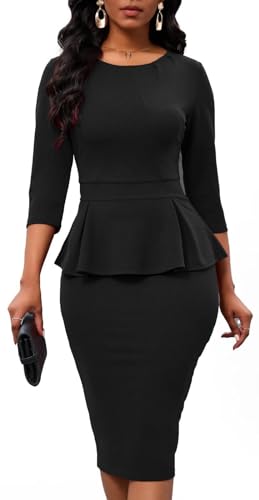
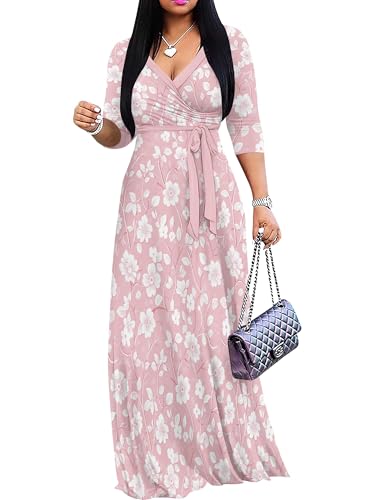
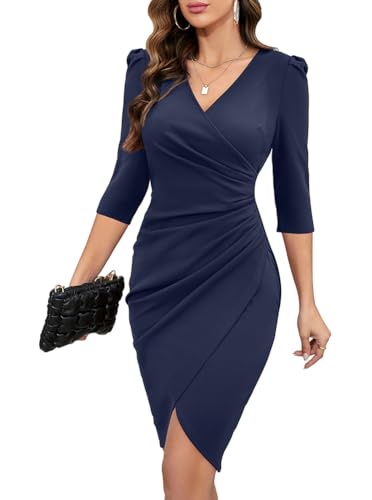
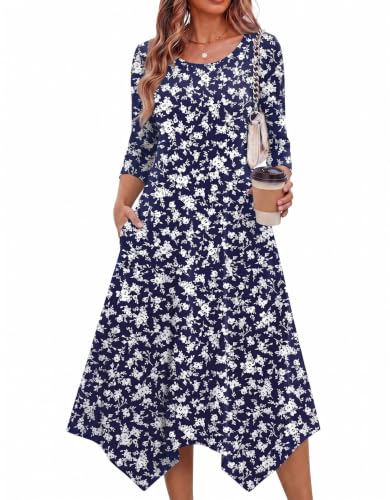
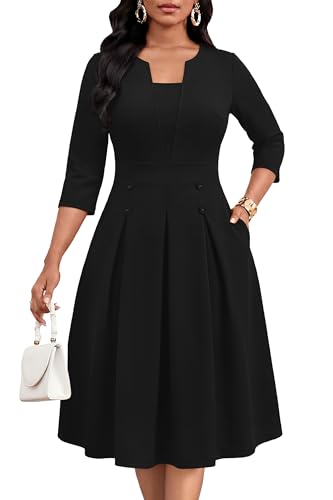
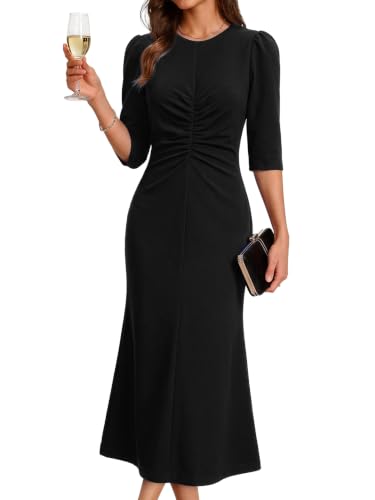
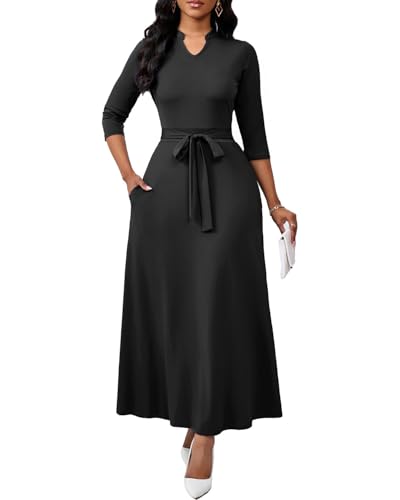
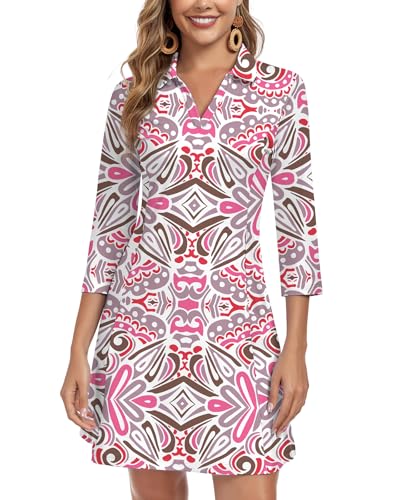
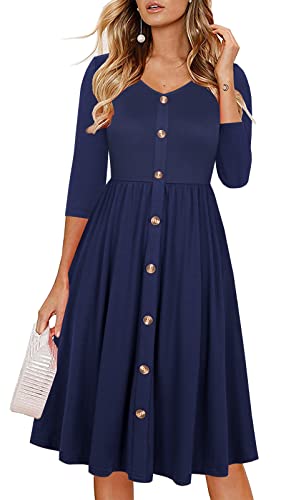
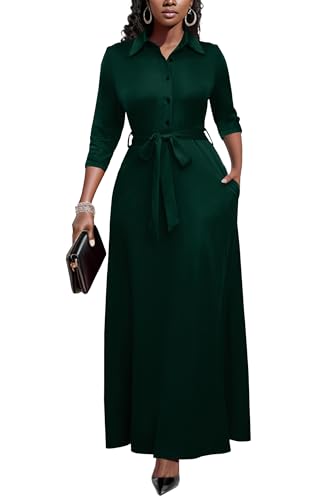
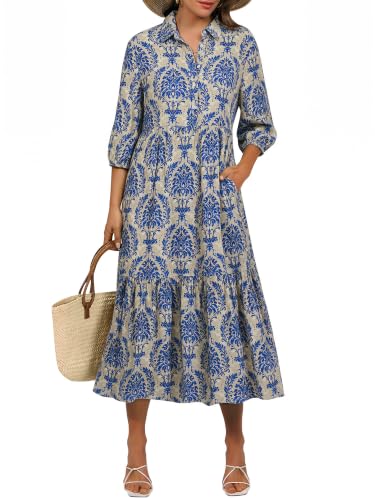
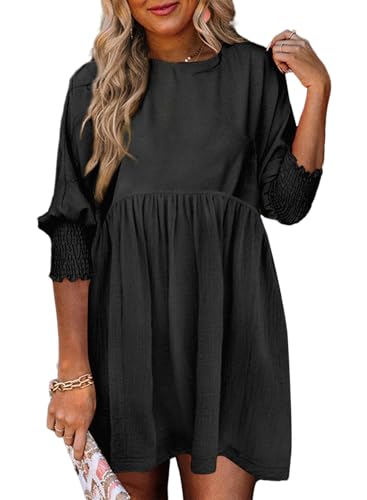
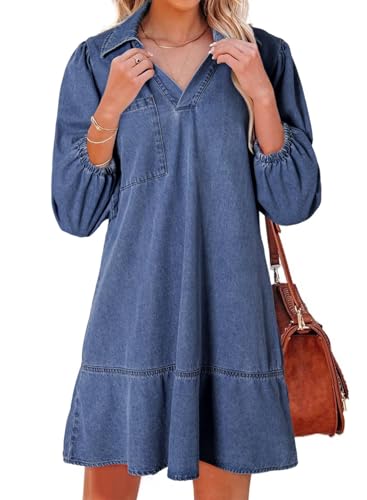
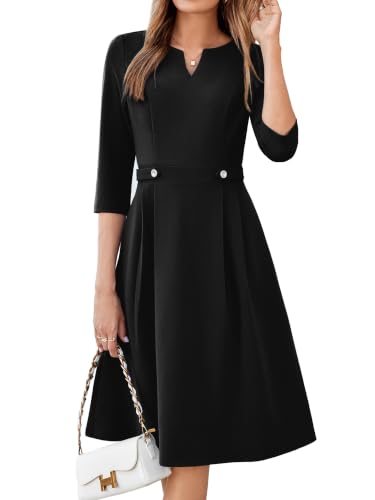
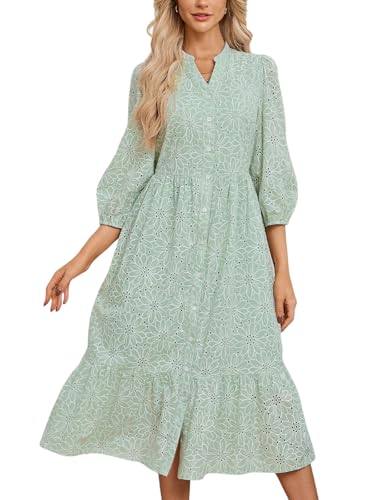
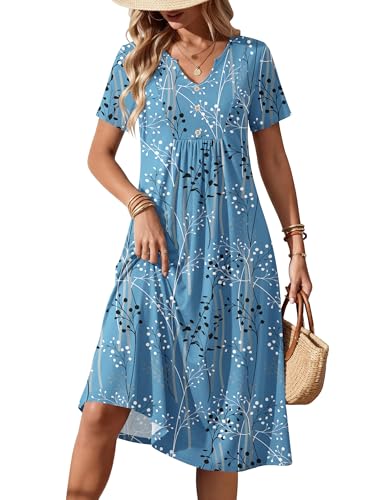
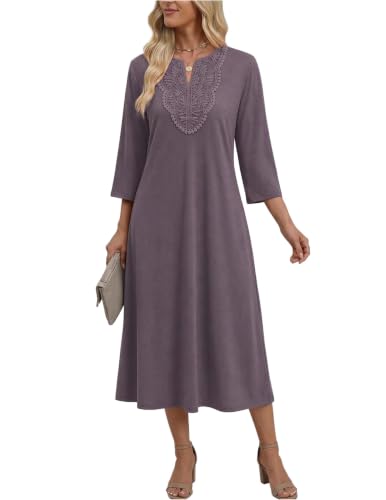
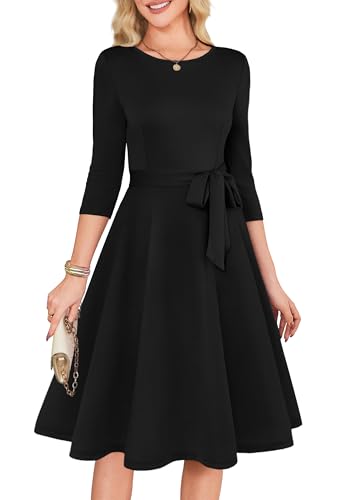
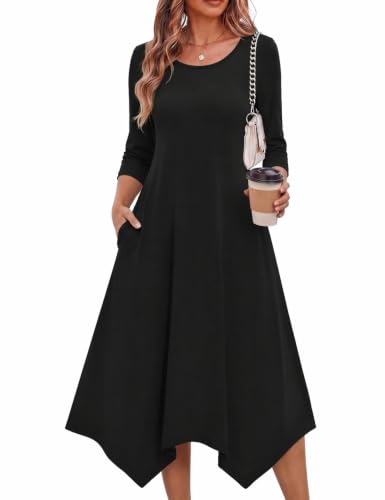
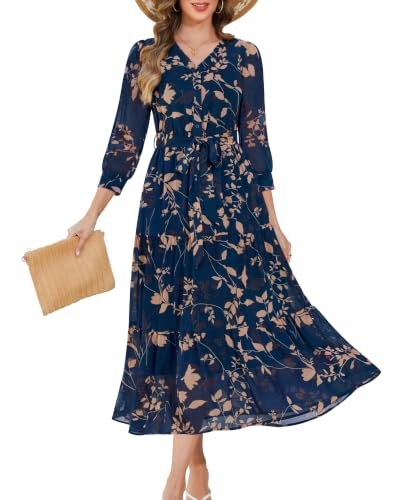
A three-quarter sleeve ends between the elbow and the wrist, and it is chosen for a specific reason: it covers the upper arm without the warmth or restriction of a full sleeve, and it leaves the wrist free.This is a broad everyday collection rather than a formal one. Maxi and midi lengths together make up around half the listings, and the largest share of styles come from casual labels such as Zeagoo, ANRABESS and AUSELILY rather than occasion-wear brands. Around one dress in six is plus size, and lace appears in roughly one in eight.For formal three-quarter-sleeve options specifically, the mother of the bride collection carries far more, since the sleeve length is standard there.
Three-Quarter Sleeve Dresses: Frequently Asked Questions
Where does a three-quarter sleeve end?
Between the elbow and the wrist, though listings apply the term to anything from just below the elbow to a few inches above the wrist. A sleeve ending closer to the wrist, sometimes called a bracelet sleeve, reads more formal.
Is this a formal or casual collection?
Largely everyday. Maxi and midi lengths make up around half the listings, chiffon and satin appear only rarely, and most styles come from casual labels. For formal three-quarter-sleeve dresses, the mother of the bride collection carries far more.
Which measurement matters most?
Upper arm circumference. A dress that fits at the bust but binds at the upper arm restricts movement and cannot be let out, because sleeves rarely have enough seam allowance.
What sleeve construction is most forgiving?
Raglan and dolman sleeves allow more movement across a wider range of arm sizes. Set-in sleeves fit more closely and restrict more.
Can I wear a jacket over a three-quarter sleeve dress?
Not comfortably over a fitted jacket, since both sleeves compete for the same space and the dress sleeve bunches at the elbow. An open cardigan or loose duster layers much better.
Are these suitable for modest dressing?
Yes, particularly styles with a higher neckline and a midi or maxi hem. Check fabric opacity in customer photographs, as lightweight jersey can be more sheer than studio images suggest.
Are plus sizes available?
Around one listing in six is plus size, which is reasonable coverage for an everyday collection.
Which fabrics wear best day to day?
Jersey and ponte hold shape and wash well. Cotton blends breathe but crease. Rayon and viscose drape well but shrink if washed warm. Check whether lace or chiffon details carry different care requirements from the main fabric.
How do I know if a midi will be the right length on me?
Compare the total dress length in the listing against your own height rather than trusting the label. A midi on a 5'9" model falls as a maxi on a 5'2" frame.
Why the Sleeve Length Is Chosen
Three-quarter sleeves solve a narrow problem well. They cover the upper arm, which is the coverage most people are actually looking for, while stopping short of the wrist so the sleeve does not interfere with eating, typing, cooking or washing hands.
That combination makes them the default sleeve length for work dresses, for transitional weather, and for anyone who wants arm coverage without heat. It is also the reason this collection skews casual and everyday rather than formal: the sleeve is a practical choice more often than a decorative one.
What This Collection Actually Contains
Nearly nine in ten listings here specify a sleeve of some kind, which is expected given the category. What is more telling is the length distribution.
Maxi and midi dresses together account for around half the collection. Floor-length styles make up about a fifth. Short dresses are rare. This is a midi-and-maxi collection, not a gown collection.
Fabric confirms the same picture. Chiffon appears in only a small fraction of listings and satin in fewer still, where a formal collection would show much higher proportions of both. Lace features in roughly one dress in eight, and wrap styles in about one in twelve. V-necks are the most common neckline.
Around one listing in six is plus size, which is reasonable everyday coverage.
Where the Sleeve Ends Matters
"Three-quarter" is not a precise measurement, and listings apply it to sleeves ending anywhere from just below the elbow to a few inches above the wrist. That range covers two quite different looks.
A sleeve ending just below the elbow reads as casual and is cooler. A sleeve ending closer to the wrist, sometimes called a bracelet sleeve, reads more formal and is the version that works under a coat without bunching.
Where a listing gives a sleeve length measurement, compare it against a dress you already own and like. Where it does not, look at the product photograph and judge against the model's forearm rather than trusting the term.
Fit Through the Arm and Shoulder
Sleeved dresses have fit points that sleeveless ones do not, and they are the ones most likely to make a dress unwearable.
Upper arm circumference is the measurement to check first. A dress that fits at the bust but binds at the upper arm restricts movement and cannot be let out, because there is rarely enough seam allowance in a sleeve. If the listing gives an upper arm or bicep measurement, use it.
Shoulder width comes second. A shoulder seam sitting outside the point of your shoulder makes the whole dress look borrowed, and correcting it means reworking the sleeve head, which is not worth the cost on an everyday dress.
Sleeve construction affects both. A set-in sleeve fits closely and restricts more. A raglan or dolman sleeve allows more movement and is more forgiving across a wider range of arm sizes.
Choosing by Occasion
Work. A midi in a stable knit or ponte, in a solid color, with a set-in sleeve. Machine washable matters more than it seems at the point of purchase.
Everyday and weekend. Maxi styles in jersey or cotton blends. The wrap styles in this collection sit mostly here and adjust across a wider size range than fixed-waist dresses.
Church, temple and modest dressing. Three-quarter sleeves with a higher neckline and a midi or maxi hem. Check the fabric's opacity in the customer photographs, since lightweight jersey can be more sheer than the studio image suggests.
Occasion wear. This collection carries some, but far fewer than a dedicated formal page. Look for lace or a defined waist, and consider browsing the mother-of-the-bride or formal collections instead if the event is a wedding.
Layering
A three-quarter sleeve sits awkwardly under a fitted jacket, because the two sleeves compete for the same space and the dress sleeve bunches at the elbow. It layers well under an open cardigan or a loose duster, and well over a long-sleeve thermal layer in cold weather, which is a practical way to extend a summer dress into winter.
If you intend to wear a jacket over the dress, a shorter sleeve or a full-length fitted sleeve will layer better than a three-quarter one.
Fabric and Care
Because this collection is largely everyday wear, care instructions carry more weight than they would for occasion dresses. A dress that needs dry cleaning after every wear will simply be worn less.
Jersey and ponte hold shape and wash well. Cotton blends breathe but crease. Rayon and viscose drape beautifully and shrink if washed warm. Lace and chiffon details often carry different care requirements from the main fabric, which is worth checking before buying.
Reading the Listings
Look for a sleeve length measurement and an upper arm measurement. Check the total dress length against your height, since a midi on a 5'9" model is a maxi on a 5'2" frame. Read the fabric composition rather than the fabric name. Reviews that mention the reviewer's height and usual size are the most useful.
Amazon prices and availability change frequently, so treat what you see as current at that moment.
Related Collections
For formal events, mother of the bride dresses carries far more three-quarter-sleeve occasion wear. For work specifically, see women's work dresses. For other sleeve options, browse dresses by length.