
Collared Dresses
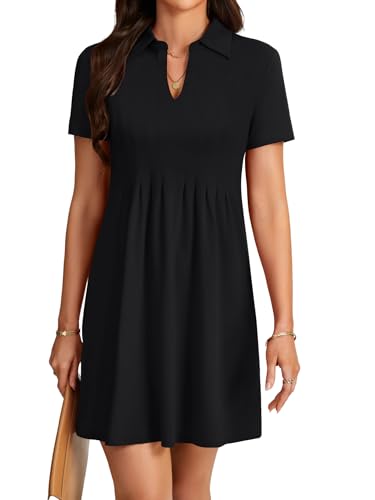
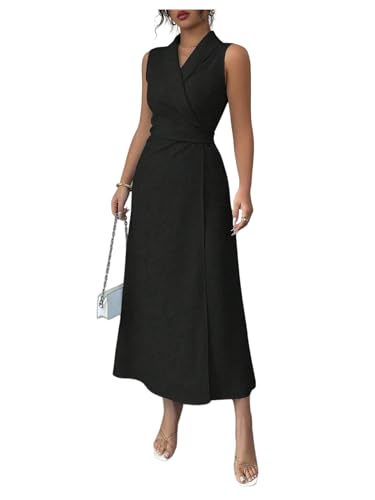
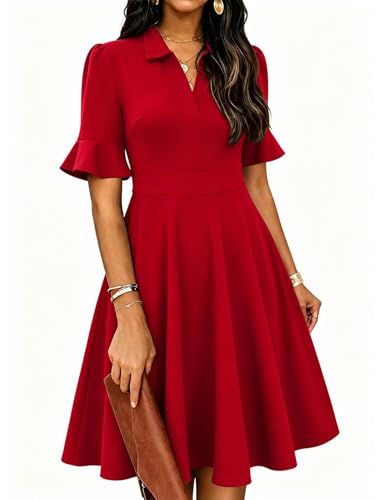
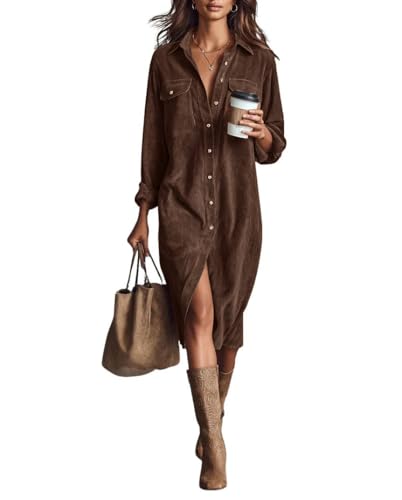
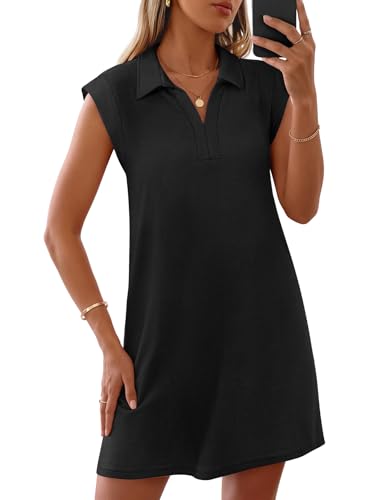
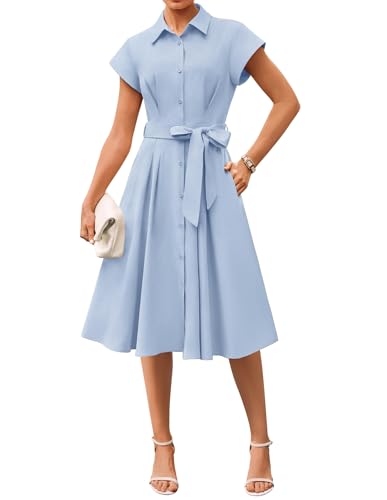
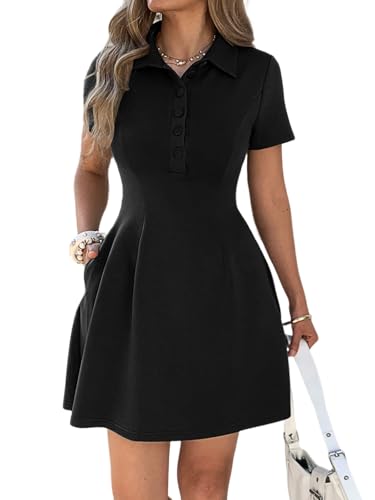
Collared Dresses cover dresses with a defined collar element at the neckline, including shirt-style, pointed, spread, Peter Pan, band/mandarin-inspired, polo, and decorative collar constructions. The grid can include shirt dresses, work sheaths, belted midis, casual cotton dresses, knit polo dresses, denim styles, party dresses, and selected formal collared designs. Start with the exact occasion, wearer measurements, required coverage, preferred fabric or color, and practical movement needs; then compare the selected seller, size chart, garment details, current delivery estimate, and return eligibility.A collar is a construction feature rather than a formality label. Collared dresses should be separated from high-neck dresses that have no collar and from simple V-neck or button-front dresses whose neckline does not include a true collar element. Product titles and model photos are useful starting points, but the received garment, current variation, construction, and seller-specific measurements are the evidence that should control the buying decision.Related shopping paths include dress neckline guide, high neck dresses, one shoulder dresses, and off shoulder dresses. Use the broader page when the shopper has not chosen the modifier yet, and the narrower page only when it creates a genuinely different product set or fit decision.
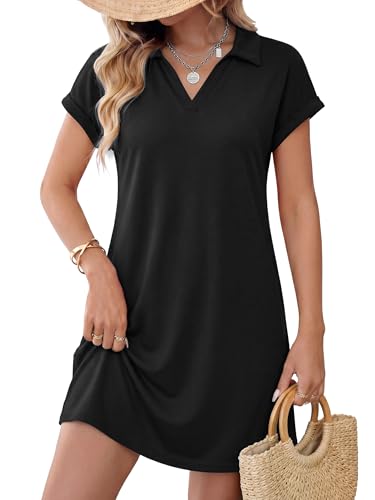
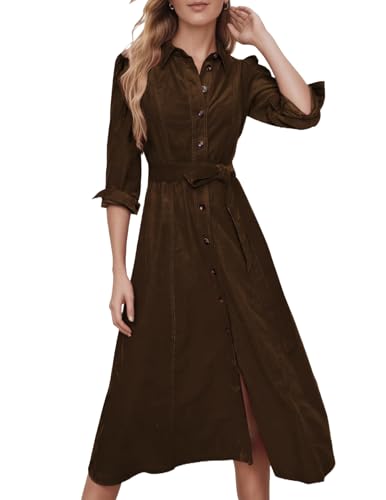
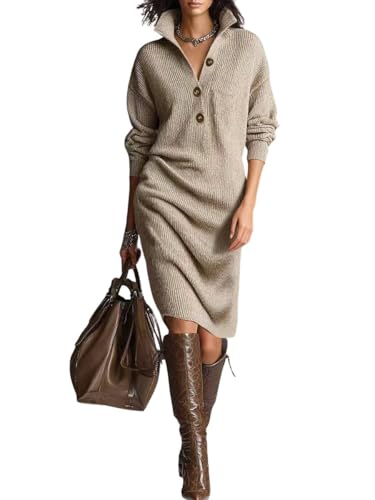
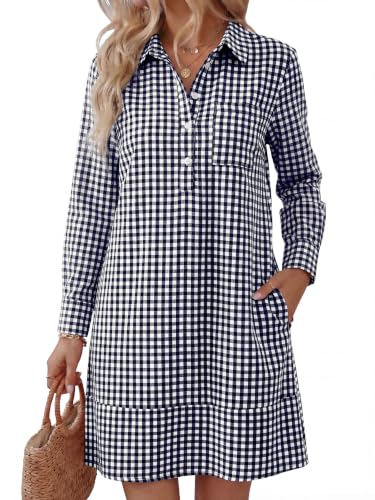


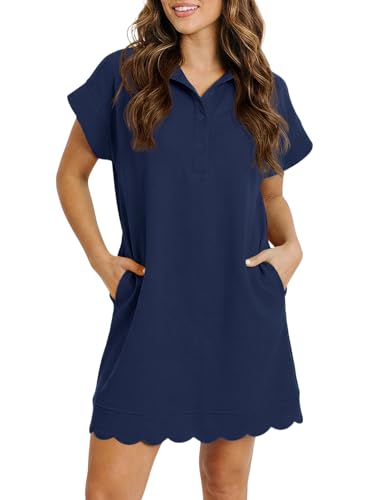


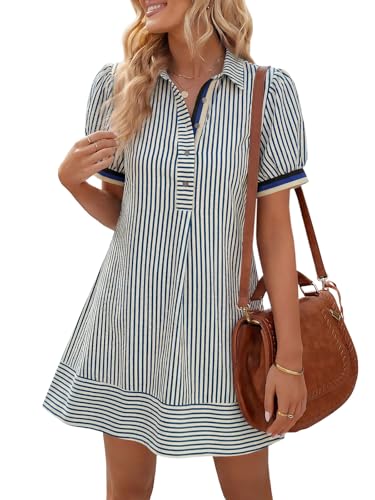
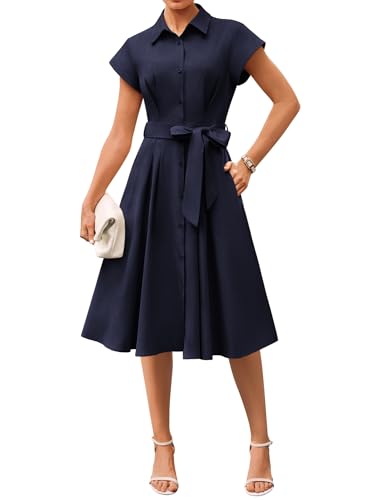

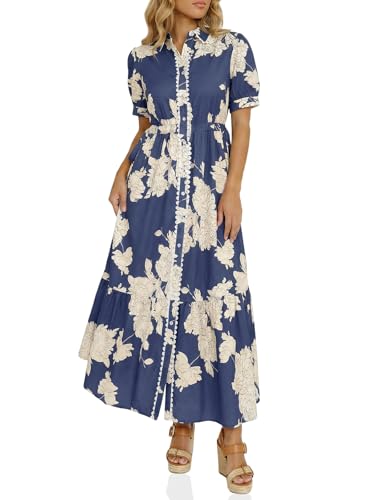


Frequently Asked Questions About Collared Dresses
What is a collared dress?
It is a dress with a defined collar element such as a shirt, point, spread, Peter Pan, polo, band, or decorative collar.
Are all shirt dresses collared?
Most classic shirt dresses are, but some button-front dresses use collarless V, round, or banded necklines, so the actual construction should be checked.
What collar styles are common on dresses?
Point, spread, Peter Pan, polo, notched, stand or band, mandarin-inspired, contrast, oversized, and tie-collar designs are common.
Are collared dresses only for work?
No. They can be casual, travel, party, church, business-casual, cocktail, or even formal depending on fabric and construction.
How should a button-front collared dress fit at the bust?
The placket should lie flat without gaping, pulling, or horizontal strain while standing and sitting.
Can collared dresses be plus size or petite?
Yes when collar scale, shoulder width, bust shaping, torso length, and button placement are proportioned for the wearer.
What should I wear over a collared dress?
Cardigans, sweaters, blazers, coats, or jackets can work; test how the collar sits under the outer layer.
Can a collar be altered easily?
Not always. Changing collar shape or size can require neckline, facing, interfacing, and placket reconstruction.
What should I verify before ordering?
Check collar type, neck and shoulder fit, bust/placket fit, fabric, sleeve mobility, length, size chart, seller, delivery, returns, and alterations.
What Counts as Collared Dresses
Collared Dresses include a visible collar component attached to or formed at the neckline, such as a shirt collar, point collar, spread collar, Peter Pan collar, polo collar, stand or band collar, or decorative contrast collar.
The key identifier is the neckline construction itself. Collared means the neckline includes a collar component. High neck can sit close to the neck without a collar; a simple button-front V-neck dress may have no collar; a turtleneck is a different raised-neck construction. A listing should not be included merely because a model poses in a way that makes the neckline appear collared.
Collared Dresses: Neckline Shape and Garment Structure
Variants can include button-front shirt dresses, notched collars, lapel-like collars, soft tie collars, rounded Peter Pan collars, mandarin-inspired bands, contrast collars, oversized statement collars, and knit polo constructions. Neckline shape interacts with shoulder seams, bodice depth, strap placement, sleeve attachment, back height, and the amount of stretch or boning in the upper body.
Inspect the front, side, and back together. A neckline can look stable in a straight-on photo but twist, gape, roll, or shift once the wearer raises the arms, sits, or turns.
Choosing the Right Occasion
Collared dresses can suit offices, travel, casual weekends, school or church settings, brunch, business-casual events, cocktail styling, and selected formal occasions depending on fabric, length, and construction.
Use the event rather than the neckline name alone to set formality. Fabric, length, lining, embellishment, footwear, and the complete styling determine whether the dress reads as casual, cocktail, wedding-guest, work, prom, or evening wear.
Silhouettes and Dress Lengths
They appear on shirt dresses, fit-and-flare shapes, sheaths, wrap-inspired styles, maxis, midis, minis, belted dresses, denim dresses, utility dresses, and tailored coat-dress silhouettes.
Check whether the upper-body line balances the skirt volume and length for the intended event. A dramatic neckline on a fitted mini creates a different effect and movement profile from the same neckline on an A-line midi or floor-length gown.
Fabrics, Drape, and Neckline Stability
Cotton poplin creates crisp collars; linen softens with wear; crepe and satin can make dressier collars; denim and twill add structure; knits create polo and relaxed collar shapes. Interfacing quality controls whether the collar lies flat.
Soft fabrics can collapse or migrate if the neckline depends on tension, while rigid satin, mikado, brocade, lace, or heavily embellished fabric can hold shape but may feel less forgiving. Read the material and lining details for the exact variation.
Measurements and Upper-Body Fit
Check neck circumference, shoulder width, bust fit across buttons or seams, upper back, torso, and waist. A collar can fit correctly while the placket gaps at the bust, so both neckline and bodice must be evaluated.
Measure in the undergarments planned for the dress and compare with the seller chart. If the neckline relies on a close bodice, prioritize the least flexible area rather than choosing from a familiar label size.
Bras, Cups, Tape, and Support
Traditional shirt collars often work with standard bras, but open backs, cutaway shoulders, sheer fabric, or deep button plackets may change support needs. Check the exact garment instead of assuming the collar guarantees conventional coverage.
Test the support plan before removing tags. Fashion tape can refine an edge, but it should not be the only thing preventing a neckline from dropping, twisting, or exposing more than intended during normal movement.
Shoulder, Arm, and Dance-Floor Movement
Reach forward and turn the head to see whether the collar or back yoke pulls. Button-front dresses should remain closed without horizontal strain, and cuffs or sleeves should allow normal work and dining movement.
Raise both arms, reach forward, hug, sit, bend, and turn. Return or alter a dress that repeatedly pulls the neckline out of place, restricts the shoulder joint, or requires constant adjustment to remain secure.
Coverage, Dress Codes, and Modesty
A collar can increase neckline coverage, but button plackets, short hems, side slits, sheer lace, or fitted shapes may still affect workplace, school, or religious dress requirements.
Check the complete garment rather than assuming the neckline determines coverage. Back height, cutouts, sheer mesh, slits, mini lengths, sleeve transparency, and movement can matter as much as the front neckline.
Petite, Tall, Plus, and Different Torso Proportions
Petite and plus pattern blocks should preserve collar scale, shoulder seam location, bust shaping, waist position, and button placement. Oversized collars can overwhelm short torsos if they are not proportioned intentionally.
Look for size-specific photos and garment measurements when available. Grading only in width can misplace neckline depth, shoulder points, bust shaping, waist position, sleeve openings, and decorative motifs.
Jackets, Wraps, and Layering
Blazers, sweaters, cardigans, and coats can layer over collars, but thick or oversized collars may bunch under lapels. Try the intended outer layer to decide whether the collar sits inside, outside, or fully covered.
Try outerwear over the complete dress before the event. A jacket or wrap should not force the neckline upward, flatten a sculptural shoulder detail, catch embellishment, or create bulky pressure across the upper arm.
Jewelry, Hair, and Accessories
Collars can frame necklaces, ties, brooches, scarves, or earrings. Keep accessories clear of button plackets and oversized collar points so the neckline does not become visually or physically crowded.
Let the neckline determine where visual weight belongs. Avoid necklaces, earrings, bags, or straps that compete with or physically catch the dress, especially when the upper edge includes ruffles, beading, lace, bows, or appliqué.
Season, Temperature, and Comfort
Cotton and linen collars can be cooler; high buttoned collars, wool blends, velvet, and lined tailoring can add warmth. Consider whether the dress will be worn indoors at work or outdoors for long periods.
Consider both arrival conditions and the indoor venue. Shoulder exposure, dense high necks, heavy embellishment, velvet, mesh, and fitted sleeves can change comfort substantially between outdoor photos and a warm reception or dance floor.
Photography and How the Neckline Reads on Camera
Check whether the collar stays symmetrical, whether points curl, and whether contrast collars discolor or pick up makeup. Flash can reveal puckered interfacing and button-placket strain.
Photograph the dress in daylight, warm indoor light, and flash. Check symmetry or intended asymmetry, exposed bra edges, lining, shadow under folds, skin-tone mesh, and whether the neckline remains defined from front and three-quarter angles.
Alterations and Construction Limits
Changing collar size or shape can require rebuilding the neckline and facing. Simple sleeve or hem adjustments are usually easier than altering a collar, yoke, or button placket.
Ask a tailor before the return deadline when the neckline depends on boning, draping, lace motifs, beadwork, asymmetric seams, sleeves, or cut-on panels. Small changes at the shoulder can alter the entire bodice balance.
Collared Dresses Versus Adjacent Neckline Categories
Collared means the neckline includes a collar component. High neck can sit close to the neck without a collar; a simple button-front V-neck dress may have no collar; a turtleneck is a different raised-neck construction.
Keep this category separate when the physical neckline construction creates a distinct product set and buying question. Do not create extra indexable pages from spelling variations or labels that describe the same garment construction.
Seller, Delivery, Returns, and Total Cost
Verify the exact seller, selected color and size, material, lining, closure, garment measurements, delivery date, and return terms. Marketplace-style grids can mix brands and pattern blocks under one category.
Order with enough time for inspection, a possible exchange, alterations, steaming, and a full movement test. Final-sale items make measurement accuracy and construction verification more important.
Final Collared Dresses Checklist
Before ordering Collared Dresses, confirm the event, dress code, neckline construction, bust and torso fit, shoulder mobility, support plan, fabric, lining, closure, size chart, seller, delivery timing, return terms, and likely alterations.
After delivery, check the neckline from every angle and rehearse sitting, walking, reaching, hugging, layering, and dancing. Keep the dress only when the neckline stays secure and comfortable without repeated adjustment.