
Prom Ball Gowns
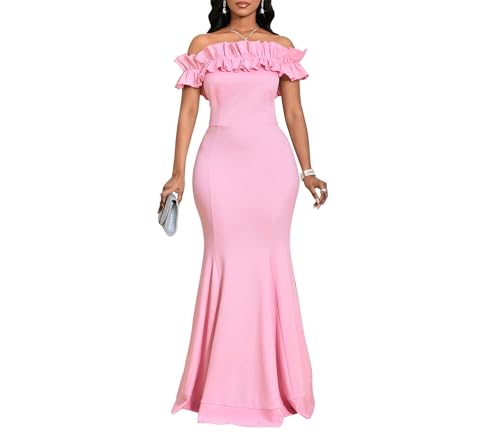
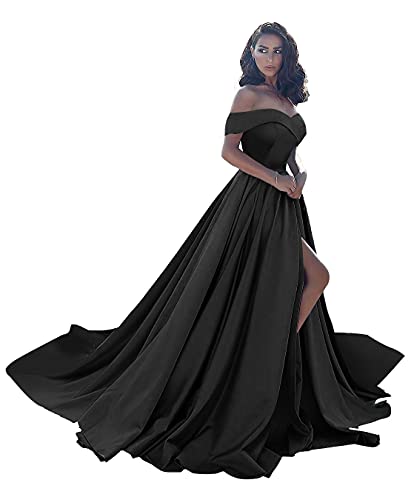
Prom Ball Gowns are defined by a shaped or fitted bodice paired with a substantially fuller skirt. Ball gown prom dresses may use layered tulle, organza, satin, mikado, lace, glitter mesh, deep pleats, or gathered panels. Related terms such as formal ball gowns, full-skirt prom gowns, tulle ball gowns, satin ball gowns, and princess ball gowns all describe nearby versions of this formal silhouette.
A ball gown creates different practical demands from an A-line or fitted dress. Skirt circumference affects cars, chairs, stairs, restrooms, and dancing, while heavy satin or embellishment can pull on the bodice. Verify school rules, measurements, shoe height, lining, train length, support, and whether pictured fullness requires a separate petticoat.
Related shopping paths include princess prom dresses, poofy prom dresses, A-line prom dresses, and long prom dresses. Use these categories to compare romantic princess styling, maximum poofy volume, a lighter A-line shape, and other long formal options before choosing how much skirt you want to manage.







Frequently Asked Questions About Prom Ball Gowns
What is a prom ball gown?
It has a fitted or shaped bodice and a substantially full skirt, often built with tulle, organza, satin, pleats, or crinoline.
How is a ball gown different from an A-line?
A ball gown expands more dramatically, while an A-line widens gradually from the waist or hip.
Do ball gowns need petticoats?
Some do and some have enough built-in structure. Verify what created the volume shown in the photos.
Which fabric is easiest to move in?
Light tulle can feel easier than heavy satin, but layer count, lining, embellishment, and train length matter.
Can a ball gown have a slit?
Yes. Test it while sitting, climbing stairs, and dancing, and confirm school compliance.
Are ball gowns difficult to hem?
They can be, especially with layered tulle, horsehair, lace borders, sequins, ruffles, or trains.
How should the bodice fit?
It should stay level and secure without gaping, digging, sliding, or constant adjustment.
What shoes work with a ball gown?
Choose stable shoes for the venue and finalize heel height before hemming.
What should I verify before ordering?
Check measurements, skirt construction, lining, petticoat needs, support, train, seller, delivery, returns, and alterations.
How to Shop Prom Ball Gowns
Use prom ball gowns as the main shopping intent, then narrow the choice with relevant secondary terms such as ball gown prom dresses, formal ball gowns, and tulle ball gowns. For U.S. prom shoppers, the useful decision is not keyword repetition; it is whether the exact garment matches the style, construction, fit, school rules, budget, and delivery timeline.
Start with current measurements in the planned undergarments, the prom date, venue, written school dress code, and final or likely shoe height. Then compare the selected seller, exact variation, lining, closure, support, return policy, and alteration difficulty before removing tags.
How a Ball Gown Is Built
True ball-gown volume can come from circular pattern pieces, deep gathers, pleats, tulle layers, organza, crinoline, horsehair, or structured satin. The internal construction is more reliable than the product title.
Look at side and back images. A real full skirt should maintain obvious width beyond the hips rather than falling like a standard A-line.
Tulle vs Satin Ball Gowns
Tulle creates airy volume and works with embroidery or 3D florals. Satin and mikado create smoother architecture but can feel heavier and show seam tension more clearly.
Organza offers crisp volume with less weight than some satins. Compare layer count, lining, embellishment, and temperature needs instead of choosing from fabric name alone.
Bodice Support for Heavy Skirts
Boning, cups, corset backs, straps, waist support, and firm closures can distribute skirt weight. Poor cup placement or a loose waist lets the gown slide or rotate.
Test after the skirt has settled. The neckline should remain level while sitting, standing, and raising the arms.
Petticoats and Crinoline
Some gowns contain enough built-in tulle; others are photographed over a separate petticoat or hoop. That difference changes storage, sitting, hem position, and total cost.
Confirm what is included. If adding understructure, use one sized to the skirt rather than forcing a wider shape that shows through the fabric.
Dress Code Details Beyond the Full Skirt
Ball gowns can still have plunging necklines, sheer corsets, high slits, cutouts, and open backs. A formal silhouette does not guarantee school compliance.
Check coverage seated and moving. Sheer mesh can appear more transparent under flash or tension, and a slit can rise when the skirt shifts.
Movement and Dance-Floor Space
Practice entering a car, sitting without crushing the skirt, using stairs, turning around people, and walking quickly. A sweep train is usually easier than a long train at a crowded prom.
If the gown has pockets or an overskirt, test them with movement. Heavy items can distort the skirt and removable layers need secure storage.
Hemming and Alteration Cost
Ball gowns should be hemmed with final shoes and any petticoat in place. Added understructure pushes the skirt outward and changes the apparent front length.
Horsehair, lace borders, beading, embroidery, ruffles, and multiple layers increase tailoring labor. Get an estimate before the return deadline.
Ball Gown Scale, Seating, and Real-World Space
Prom ball gowns occupy more physical space than most A-line or column dresses. Before keeping one, practice entering a car, walking through a doorway, sitting in a dining chair, climbing stairs, turning in a crowded room, and moving past other people. A skirt that looks effortless in a studio photograph may require deliberate handling once the tulle, lining, petticoat, or hoop spreads around the wearer.
Check whether the skirt compresses comfortably while seated and whether it returns to shape without constant fluffing. Very wide hoops or stiff underskirts may be less practical in narrow vehicles and crowded venues. The goal is not to eliminate volume but to choose a construction the wearer can control confidently throughout the night.
Petite, Tall, and Plus-Size Ball Gown Fit
Ball gown fit begins in the bodice. Petite shoppers should check torso and skirt length; tall shoppers should confirm that the waist and hem are not pulled upward; plus-size shoppers should look for stable cup placement, strong closures, and grading that keeps the waist seam and skirt volume balanced. Familiar size numbers are not enough because brands use different blocks.
When the skirt contains border lace, horsehair, embroidery, or multiple graduated layers, hemming can be expensive. Compare the starting pattern and total alteration cost before ordering. A gown that is closer in torso and length may be better value even if its ticket price is slightly higher.
Final Prom Ball Gowns Checklist
Before checkout, confirm that the exact product genuinely fits the prom ball gowns intent. Verify measurements, fabric, lining, closure, support, current price, seller, color or construction variation, delivery estimate, return eligibility, school requirements, and likely alterations.
After delivery, inspect the dress in daylight and phone flash, test every closure, and rehearse sitting, walking, stairs, reaching, and dancing in the intended shoes. Keep the dress only when it remains secure, comfortable, appropriate, and practical without repeated adjustment.