
Modest Prom Dresses
Modest Prom Dresses include prom dresses selected for greater coverage, controlled transparency, secure necklines, and wearer-defined comfort or religious, family, cultural, or school requirements. The collection can include high-neck A-lines, long-sleeve gowns, opaque chiffon dresses, lace styles with lining, floor-length formal gowns, and covered-shoulder designs. Start with the prom date, school or venue rules, wearer measurements, preferred construction, and budget; then verify the exact seller, selected variation, lining, closure, current delivery estimate, and return eligibility before ordering.
Modesty is not one universal garment specification. Long sleeves alone do not guarantee coverage, and a high neckline can coexist with an open back, slit, cutout, or sheer panel. A useful category page should help shoppers narrow a real product decision rather than simply repeat a keyword. Compare the received garment for support, opacity, movement, hem or neckline behavior, alteration difficulty, and how the fabric photographs under daylight, warm indoor light, and flash.
Related shopping paths include long sleeve prom dresses, high neck prom dresses, prom dresses with sleeves, and prom dresses. These collections broaden or narrow the search by color, construction, length, fit, or adjacent intent, so shoppers can move between genuinely different product sets without treating every neighboring phrase as interchangeable.
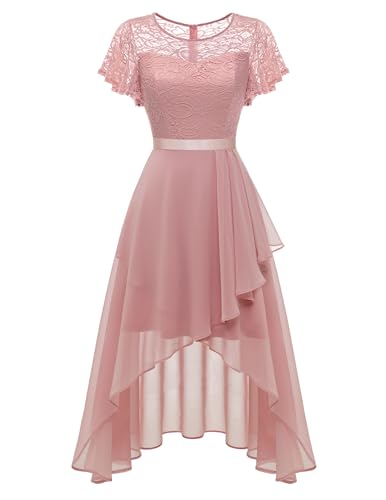

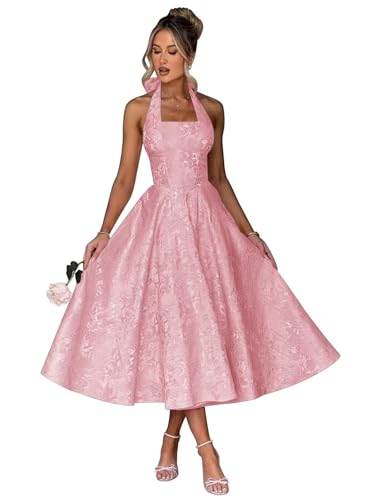


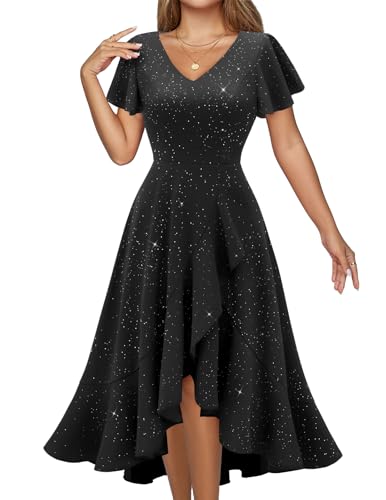



Dessiny Women’s Dusty Blue Mermaid Bow Prom Dresses Satin for Women Spaghetti Straps Long Pleated Prom Dress for Formal Party with Slit Simple US8
Original price was: $64.99.$49.99Current price is: $49.99.


Short Sequin Homecoming Dresses for Teens Spagehtti Strap Prom Dress Short Sparkly A-line Formal Ball Cocktail Party Gowns with Pockets Size 6 Grey
Original price was: $49.99.$42.99Current price is: $42.99.

BITALY Double V Neck Prom Dresses for Teens Long with Appliques Teal Blue Floral Lace Ball Gown for Pageant Tulle Formal Evening Dress for Women Size 2
Original price was: $109.99.$89.99Current price is: $89.99.
Frequently Asked Questions About Modest Prom Dresses
What makes a prom dress modest?
The wearer’s or event’s coverage requirements define it; consider neckline, back, sleeves, transparency, slit, fit, and hem together.
Do long sleeves guarantee modest coverage?
No. A dress can still have a low back, sheer bodice, cutouts, or high slit.
Are illusion panels opaque?
Not always. Check them under daylight, flash, and tension to see how transparent they become.
Can a fitted dress still be modest?
Depending on the wearer’s standard, yes; modesty is not one universal silhouette.
Can I add coverage with alterations?
Sometimes, but raising necklines, lining panels, adding sleeves, or closing backs can require significant work.
What should I measure?
Bust, waist, hips, shoulders, torso, upper arms, sleeve length, and garment length when relevant.
How should I test the dress?
Check standing, sitting, raised-arm, side, and back views and compare them with the written school or personal requirements.
What layers can help?
Boleros, wraps, camisoles, and slips may add coverage, but test them with the dress because they change fit and heat.
What should I verify before ordering?
Check exact coverage, lining, measurements, seller, school rules, delivery, returns, and alteration options.
Define the Coverage Requirement First
Prom dresses selected for greater coverage, controlled transparency, secure necklines, and wearer-defined comfort or religious, family, cultural, or school requirements. The shopper should define which areas require coverage and how much transparency, fit, sleeve length, neckline height, back exposure, and slit height are acceptable.
Modesty is not one universal garment specification. Long sleeves alone do not guarantee coverage, and a high neckline can coexist with an open back, slit, cutout, or sheer panel.
Neckline, Back, Sleeve, and Slit Must Be Evaluated Together
A high neckline with a low back may not meet the intended standard; a long-sleeve dress can still have sheer arms or a high slit. Review front, side, and back images as one garment.
Apply the most restrictive school, family, cultural, or personal requirement to the complete dress rather than one feature.
Opaque vs Illusion Coverage
Mesh, lace, nude lining, and illusion panels can appear more transparent under flash or when stretched. If opaque coverage is required, confirm the lining reaches the relevant areas and remains opaque in movement.
Photograph the received dress in daylight and flash before removing tags.
Ease and Silhouette
Modest does not have to mean oversized. A-lines, ball gowns, columns, and gently fitted dresses can all provide coverage while preserving shape.
Choose enough ease for breathing, sitting, stairs, and dancing without relying on an intentionally loose label to solve a poor pattern fit.
Sleeves and Upper-Arm Fit
Long, three-quarter, flutter, cap, lace, and mesh sleeves create different coverage and temperature. Measure shoulders, armholes, upper arms, elbows, and cuffs when applicable.
Reach forward and raise both arms; the neckline and waist should not shift when the sleeves move.
Length and Floor Clearance
Floor, ankle, midi, and tea lengths may all work depending on the written dress code and personal requirement. Choose shoes before final hemming and test stairs and quick walking.
Very long trains can create unnecessary management problems even when they provide maximum coverage.
Measurements and Support
Record bust, waist, hips, shoulders, torso length, upper-arm circumference when relevant, and the preferred garment length while wearing the planned underlayers. Compare those numbers with the seller-specific chart and garment information instead of choosing only by a familiar label size. Reviews are most useful when they identify body measurements, purchased size, and the exact color or construction variation.
Support can come from cups, boning, straps, seams, and back closures. Coverage should not depend on a too-tight bodice that becomes uncomfortable after sitting.
Temperature and Layering
Adding a bolero, wrap, camisole, or underskirt can expand options, but layers change armholes, neckline position, heat, and movement. Test all intended layers together.
Choose outerwear that does not crush sleeves or shift the bodice.
School Policy and Event Schedule
Prom is not a standing-photo event. Transportation, check-in, dinner, prolonged sitting, stairs, crowded walking, dancing, photographs, outerwear, and restroom access can expose fit problems that are invisible in a product image. Read the current school policy for necklines, backs, cutouts, transparency, slits, midriffs, and hems before approving a dress.
Keep a copy of the written policy if the event enforces specific measurements or coverage rules; subjective terms such as “appropriate” may be interpreted differently.
Alterations for Added Coverage
Adding sleeves, raising a neckline, closing a back, or lining a sheer panel can require more work than a simple hem. Matching fabric and lace may be difficult.
When several structural changes are needed, returning the dress may be more practical than rebuilding it.
Seller, Delivery, and Returns
Marketplace category cards can combine different sellers, size charts, fabrics, delivery dates, return programs, and even different product constructions under visually similar listings. Save the exact seller, color, size, chart, delivery estimate, and return policy at checkout, and order early enough to allow inspection, exchange, alterations, steaming, and a complete movement test.
Confirm the exact lining and transparency of the selected variation because different colors may use different nude mesh, cups, or underlayers.
Final Modest Prom Dress Check
Approve the dress only when the complete outfit meets the wearer’s coverage standard in standing, sitting, raised-arm, side, and back views.
Comfort, security, and personal choice are the goal; modesty should not be reduced to one universal silhouette or rule.