
Scoop Neck Dresses
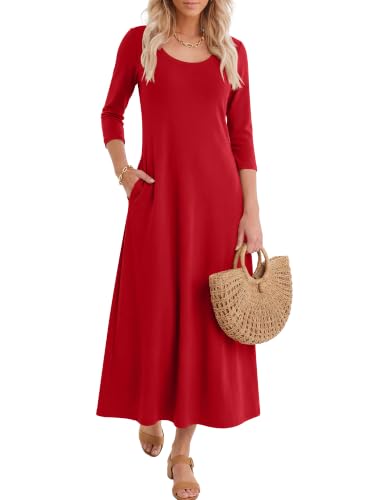
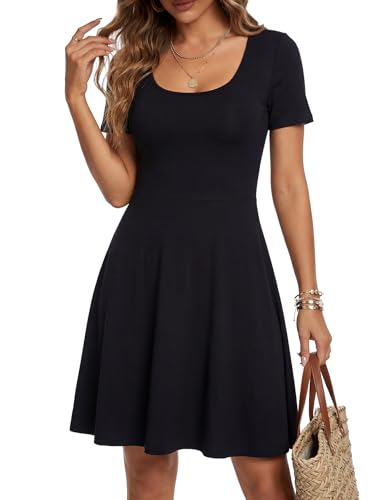
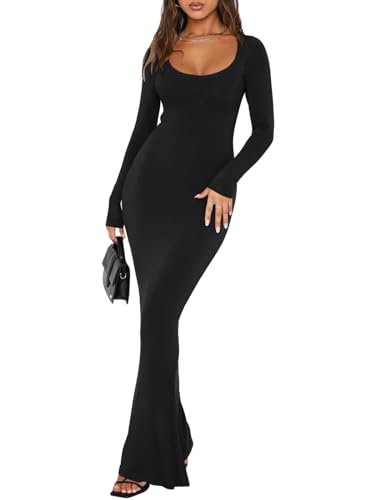
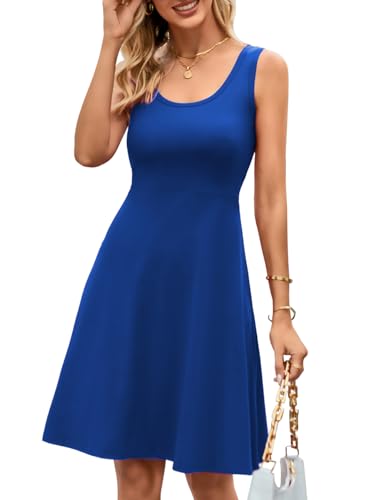
Scoop Neck Dresses cover dresses with a rounded U-shaped opening across casual, work, cocktail, wedding guest, bridesmaid, mother-of-the-bride, prom, and formal styles. The product grid may contain scoop-neck sheath dresses, fit-and-flare midis, satin slips, floral maxis, sweater dresses, lace cocktail dresses, short-sleeve day dresses, jacket dresses, and plus-size gowns. Filter first by the actual invitation or use case, wearer and garment type, required hem or coverage, and exact measurements; then compare the selected seller, fabric, lining, closure, current delivery estimate, and return eligibility.This page is neckline-led and includes shallow, medium, and deeper scoop openings; it is not a promise that every rounded neckline has the same coverage or support. Retailers frequently combine casual, cocktail, wedding guest, homecoming, prom, work, and formal products inside the same navigation path. This guide separates those intents using construction, length, exposure, venue, and wearer role so the page remains a useful commercial comparison category.Related paths include square neck dresses, V-neck dresses, boat neck dresses, and dress necklines. Each link answers a different shopping question: square neck dresses addresses a more angular open neckline; V-neck dresses addresses a pointed center opening; boat neck dresses addresses a wider and shallower shoulder line; dress necklines addresses the full neckline comparison hub.
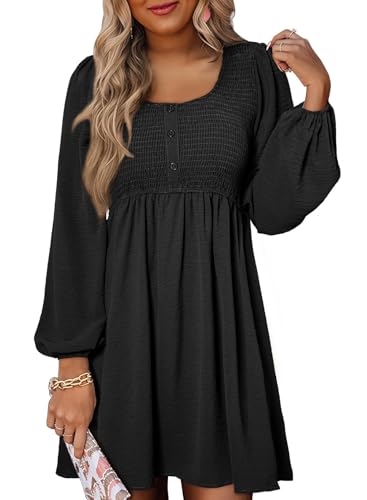
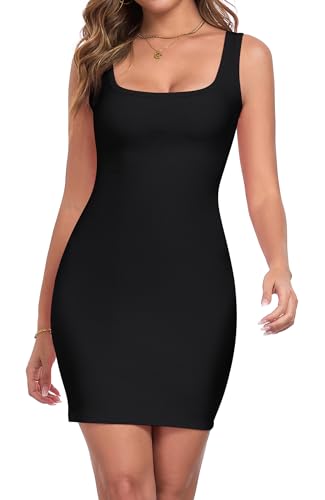
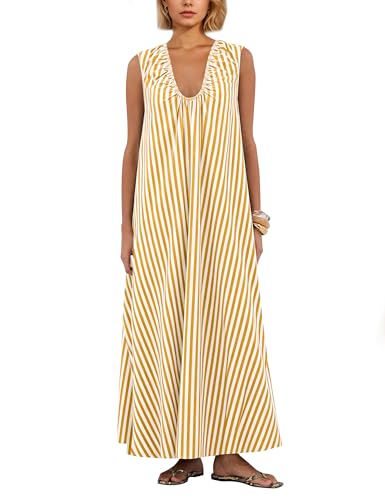
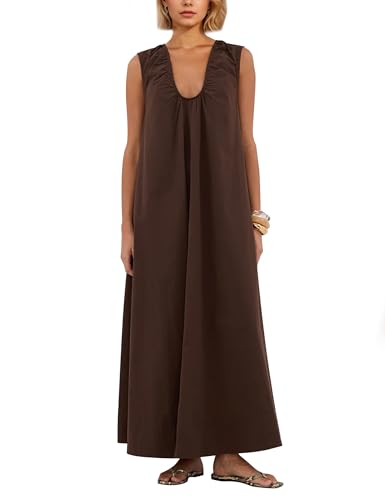

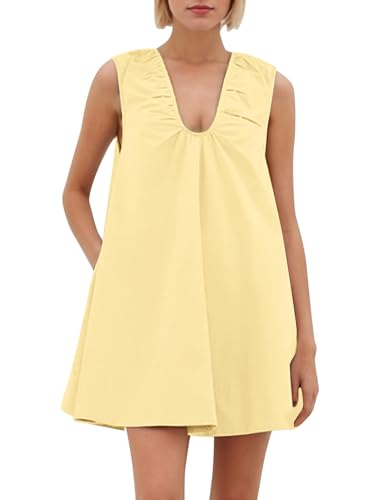
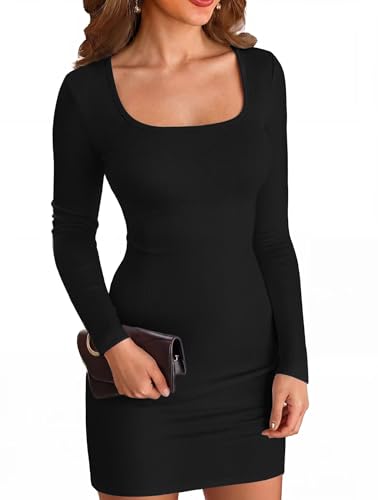
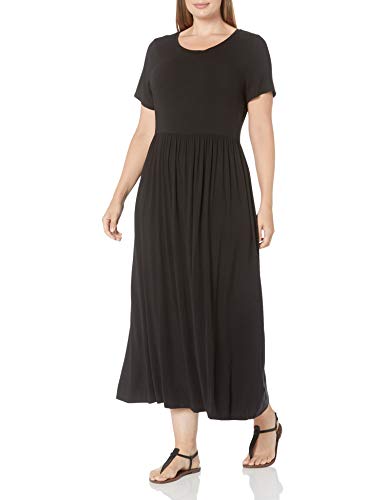
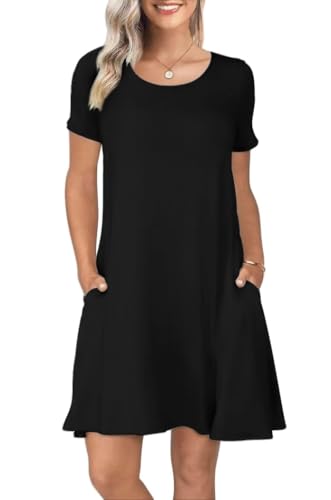
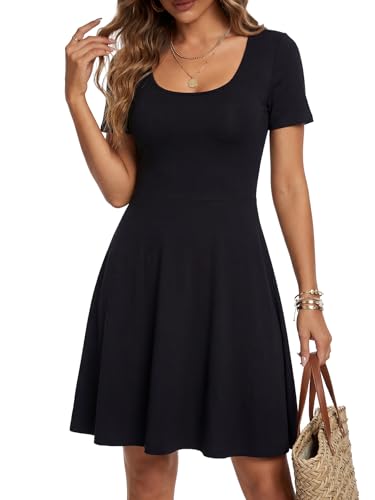



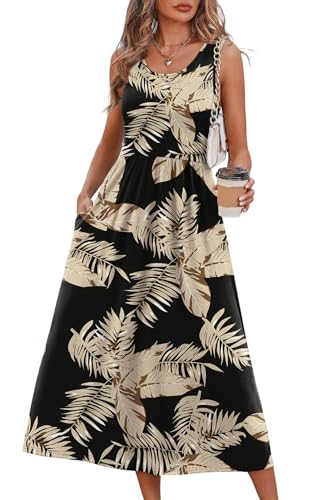


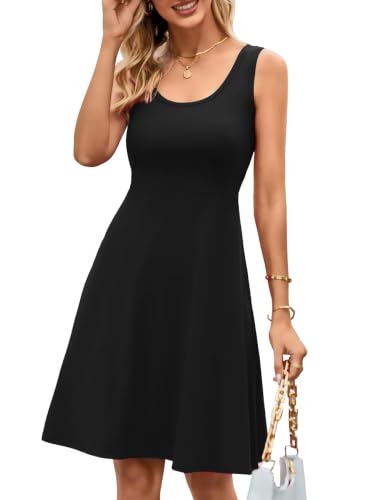


Frequently Asked Questions About Scoop Neck Dresses
What is a scoop neck dress?
It has a rounded U-shaped neckline that is generally lower and wider than a crew neck.
Is a scoop neck the same as a round neck?
They can overlap, but round neck is broader terminology and may include higher crew-like openings.
Can scoop neck dresses be formal?
Yes. Formality depends on fabric, length, lining, tailoring, and embellishment rather than the neckline alone.
Which bra works with a scoop neck dress?
A standard, balconette, plunge, or low-cut bra may work depending on the opening width, depth, straps, and back.
Do scoop neck dresses work for work events?
Shallower, stable scoop necks can work when the complete dress meets workplace coverage and formality expectations.
How can I stop a scoop neckline from gaping?
Choose the correct shoulder and bust fit; small finishing issues may use tape, but structural gaping needs alteration or a different size.
What necklace works with a scoop neck?
Short pendants, curved necklaces, or no necklace can work; match the scale to the opening and dress detail.
Can a scoop neckline be altered higher?
Sometimes, using straps or a modesty panel, but lace, beads, prints, and fixed cups can limit the change.
What should I verify before ordering?
Check neckline depth, opening width, shoulders, bust, fabric, lining, support, length, seller, delivery, and returns.
What Counts as a Scoop Neck Dress
A scoop neckline forms a continuous rounded opening that is usually lower and wider than a crew neck. The curve may be shallow or deep, and some sellers apply the term to U-necks, soft round necks, or low front-and-back openings. The received garment determines the actual coverage.
Treat the neckline as a construction feature rather than a universal body-shape rule. The useful evidence is where the edge sits on the wearer, how it connects to straps or sleeves, whether the lining follows the same shape, and whether the opening remains controlled while sitting, reaching, and walking.
Scoop Neck Versus Crew, Boat, Square, and V-Neck
Crew necks sit closer to the base of the neck, boat necks extend more horizontally toward the shoulders, square necks use visible corners, and V-necks form a center point. A scoop is defined by its curved U-shaped edge, although hybrid labels and soft fabrics can blur those boundaries.
Use the actual garment rather than the retailer label. Product grids can place several neck shapes under the same filter, and photographs may be pinned or styled to reduce gaping. Compare the front edge, shoulder placement, side coverage, back height, and support plan before deciding which category best describes the dress.
Scoop Neck Dresses by Occasion
Shallow scoop neck dresses can work for offices, graduations, daytime weddings, and religious events, while deeper scoops appear in cocktail, prom, evening, and vacation styles. The occasion depends on the complete dress, not the neckline alone.
Start with the invitation, workplace, school, ceremony, or venue requirements. Remove dresses that fail a non-negotiable coverage or dress-code rule before comparing color and decoration. A neckline that works at dinner may need a layer for a religious ceremony, while a workplace event may require more stability during speaking and seated networking.
Sheath, A-Line, Slip, and Fit-and-Flare Scoop Styles
A scoop neck can soften a tailored sheath, open the upper line of a fit-and-flare dress, frame a slip silhouette, or balance a full A-line skirt. The shoulder width, armhole, waist position, and skirt volume determine whether the rounded opening looks intentional.
Check the dress from front, side, and back after sitting for ten minutes. Pulling at the zipper, a waist seam that climbs, an opening that spreads, or a skirt that twists indicates a pattern mismatch. The neckline should remain part of a balanced silhouette rather than becoming a continuous adjustment task.
Mini, Midi, and Long Scoop Neck Dresses
Scoop neck dresses appear from mini to floor length. A shallow scoop with a knee or midi hem may serve work and daytime events, while a lower scoop on a long satin or beaded gown may require stronger bust support and event-specific coverage.
Use exact garment measurements instead of relying on mini, knee, midi, tea, or maxi labels. Repeat the hem check while seated and walking, account for slits and wrap fronts, and select shoes before alterations. Neckline and hem exposure should be evaluated together for the specific event.
Jersey, Satin, Lace, Crepe, and Knit Scoop Necks
Jersey and knit scoops can stretch wider during wear, satin may show tension along the curved edge, lace can require a stable facing, and crepe can create a cleaner outline. Fabric recovery and lining decide whether the curve returns to shape after sitting and movement.
Inspect daylight and flash photographs for transparency, shine, cling, seam strain, static, and color shift. Confirm the material, lining, stretch direction, care instructions, and exact selected variation on the final seller page. A structured neckline in a woven fabric behaves differently from the same outline in a soft knit or bias satin.
Facings, Binding, Elastic, and Edge Stability
Scoop edges may be finished with a facing, binding, lining, elastic, rib band, lace trim, or clean turn. A wavy edge, stretched binding, rolling facing, or exposed lining can make a simple neckline look poorly made and can worsen after cleaning.
Test every zipper, button, tie, snap, hook, and strap before removing tags. Check whether the lining is tighter than the outer layer and whether boning, cups, lace, beads, or piping cross likely alteration points. Decorative detail cannot compensate for an unstable edge or weak closure.
Bra Coverage and Bust Depth for Scoop Neck Dresses
Many scoop neck dresses work with standard bras, but deeper and wider openings can expose cups or straps. Bust depth, strap placement, armhole shape, and back height matter more than the word scoop, especially in fixed woven bodices and occasion gowns.
Fit the dress with the intended bra, cups, tape, or base layer. Inspect cup placement, side coverage, back height, armhole exposure, shoulder pressure, and whether the neckline stays in place during a hug and with both arms raised. Fashion tape should refine a correct fit, not hold the garment together.
Sleeveless, Short-Sleeve, and Long-Sleeve Scoop Styles
Sleeveless scoop dresses emphasize the armhole and strap relationship, while short and long sleeves add shoulder and upper-arm fit variables. In knits, a heavy sleeve can pull the scoop wider; in woven dresses, a tight sleeve can distort the front edge.
Measure shoulders and upper arms and test reaching, sitting, and coat compatibility. Tight outerwear can move a neckline, crush a sleeve, or pull a strap outward. Return a dress with restricted movement rather than assuming the fabric will loosen safely during the event.
Measuring a Scoop Neck Bodice
Record bust, high bust, shoulder width, torso length, and preferred neckline depth. Compare the front drop and opening width when garment measurements are available. A scoop that sits correctly on one torso can become unexpectedly low or wide on another.
Compare current body measurements with the exact seller chart and choose from the least flexible area, such as a woven bodice, fixed waistband, lined sleeve, fitted hip, or structured cup. Reviews are most useful when they include height, measurements, purchased size, and the exact product variation.
Color, Prints, and Visible Base Layers
Light colors, thin knits, and high-contrast prints can make bra edges and lining more visible around a scoop neckline. Large prints may also appear interrupted at the curved edge, so review the exact placement shown for the selected size and variation.
Review the selected color in daylight, warm indoor light, and flash after delivery. Surface shine and camera processing can change both the shade and the apparent depth of the neckline. For weddings, school events, uniforms, or coordinated groups, confirm restricted colors before alterations.
Scoop Neck Dresses Across Seasons
Cotton and jersey scoops can suit warm weather, while ponte, sweater knit, velvet, and long-sleeve versions support cooler seasons. A wide scoop can feel exposed under winter outerwear, so test scarves, coats, and underlayers without distorting the edge.
Plan the complete route from transportation to venue. Heat, air conditioning, wind, rain, grass, coat storage, and long seated periods affect fabric, straps, sleeves, and layering. Outerwear should fit over the dress without shifting the neckline or crushing texture.
Movement and Gaping at a Rounded Neckline
Bending forward, reaching, hugging, and sitting can cause a deep scoop to gap or reveal a base layer. Stretch fabric may also widen during the day. The dress should recover without repeated pulling at the shoulders or center front.
Complete a fifteen-minute rehearsal in the planned shoes and base layers. Sit, bend, step up, turn, raise both arms, walk at event pace, and practice restroom access. Reject repeated adjustment, restricted breathing, exposed lining, or a neckline and hem that cannot remain controlled.
Camisoles, Bras, Slips, and Modesty Layers
A standard bra, balconette, camisole, slip, or modesty insert may work depending on the scoop depth and fabric. The layer should follow the curve without creating a second accidental neckline, visible straps, or bulky edges under a fitted bodice.
Test the complete outfit in daylight and flash, then remain seated long enough to see whether straps, bands, or seams become visible. Do not size down to force compression or depend on shapewear and tape to correct an incorrectly fitted bodice, waist, or hip.
Necklaces and Accessories for Scoop Neck Dresses
A scoop neckline can frame short pendants, curved necklaces, statement pieces, or an unadorned collarbone. Match necklace scale to the opening and dress detail. A crowded necklace can compete with lace, beading, ruching, or a printed bodice.
Accessories should support the strongest feature of the dress rather than compete with it. Match metal finishes to visible hardware or beadwork, select heel width for the venue surface, and keep bags away from lace, sequins, fringe, or delicate neckline edges.
Petite, Tall, Plus-Size, and Maternity Scoop Fit
Torso length and bust depth can change where a scoop lands more than the labeled size. Petite shoppers may find a standard scoop lower, while fuller busts can spread the curve wider. Maternity and adaptive designs also need accessible closures and stable shoulder placement.
Look for size-specific photographs and garment measurements when available. A design scaled only in width can misplace the neckline, bust, waist, pockets, sleeves, or embellishment. Start with the pattern block closest to the wearer instead of budgeting to reconstruct several landmarks.
Altering a Scoop Neckline
A tailor may be able to raise a plain scoop with a modesty panel, adjust straps, or reshape a simple facing, but lace borders, beading, prints, fixed cups, and narrow shoulder sections can limit the result. Lowering an opening can also affect support and lining.
Get a tailoring estimate before the return deadline and bring the final bra, base layers, and shoes to every fitting. Return a dress that misses several structural measurements; rebuilding the neckline, moving the waist, changing sleeves, and shortening a decorated hem can exceed the value of choosing a better starting garment.
Buying Scoop Neck Dresses Online
Compare front, side, and back photographs and look for exact neckline depth, stretch, lining, closure, and model measurements. Marketplace listings can combine several sellers or variations with different curves, fabrics, and policies under one product title.
Save screenshots of the selected seller, color, size chart, delivery estimate, and return policy at checkout. Order early enough for inspection, exchange, steaming, and alterations. Compare total cost, including shipping, tax, return fees, tailoring, support pieces, shoes, cleaning, and replacement risk.
When a Scoop Neck Reads Casual or Formal
A cotton scoop-neck T-shirt dress and a beaded scoop-neck gown share a neckline but not an occasion level. Fabric density, lining, tailoring, hem, sleeve finish, and accessories determine whether the dress reads as casual, professional, cocktail, or formal.
Use the scoop as one filter inside the correct event category. Do not promote a casual knit to formal status through jewelry alone, and do not reject a simple neckline when the rest of the dress has strong evening construction.
Preventing a Stretched or Wavy Scoop Edge
Rounded edges are vulnerable to stretching during hanging, washing, and dressing. Store heavy knit dresses so the shoulders do not pull, follow the care label, and avoid forcing the garment over the head when the opening or closure is too small.
After cleaning, check whether the binding, facing, or lining has changed shape. A neckline that remains wavy after gentle pressing may need professional repair. Return a new dress with a distorted edge rather than assuming styling will hide it.
Final Scoop Neck Dress Checklist
Before ordering, confirm the occasion, scoop depth and width, shoulder and bust measurements, garment length, fabric, lining, support plan, sleeves, seller, delivery, returns, and likely alteration work.
After delivery, inspect the dress in daylight and flash, test every closure, and rehearse sitting, walking, stairs, reaching, transportation, and outerwear. Keep it only when the neckline remains secure without repeated adjustment and the complete garment satisfies the intended occasion.