
Dark Purple Prom Dress
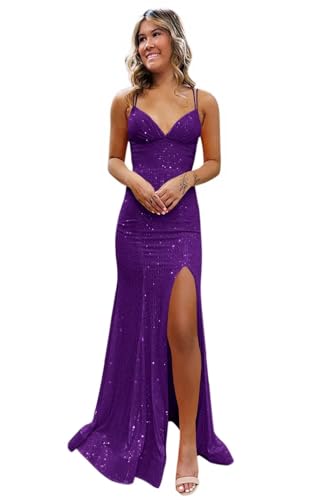
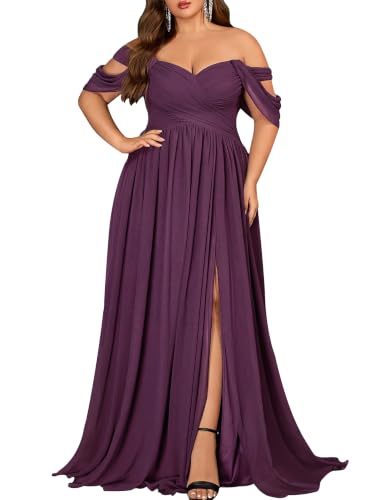
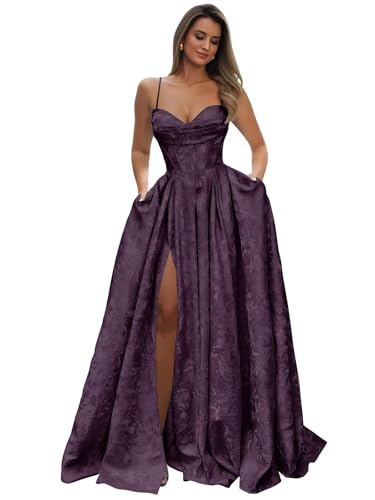
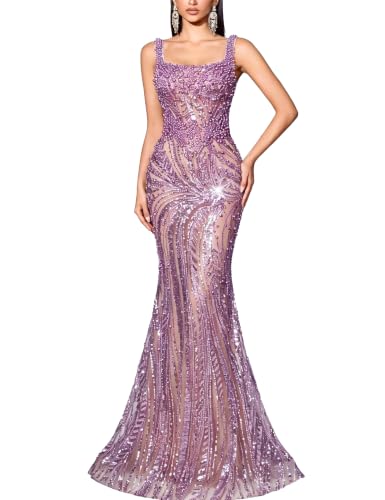
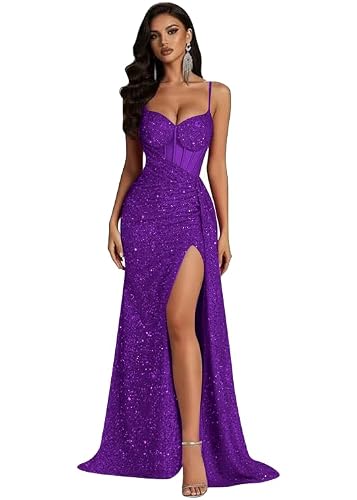
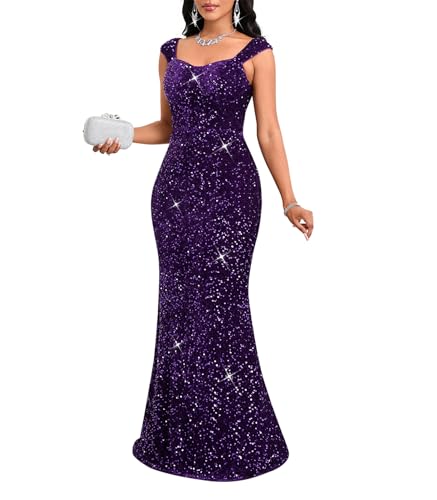
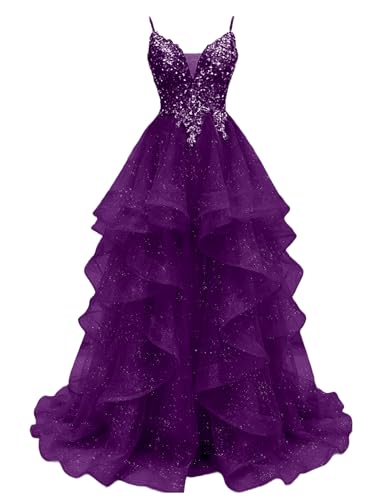
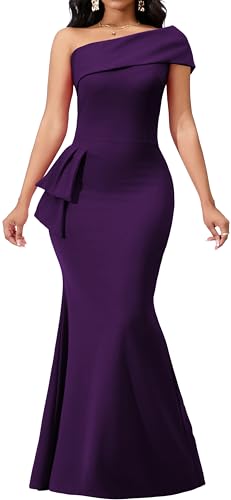
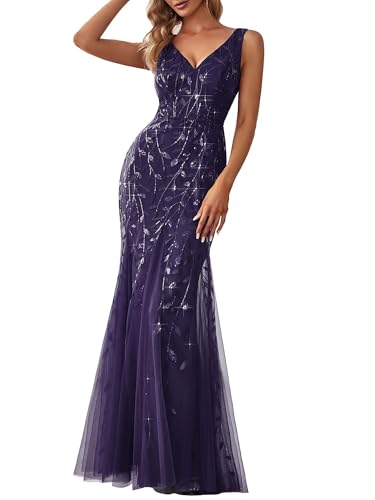
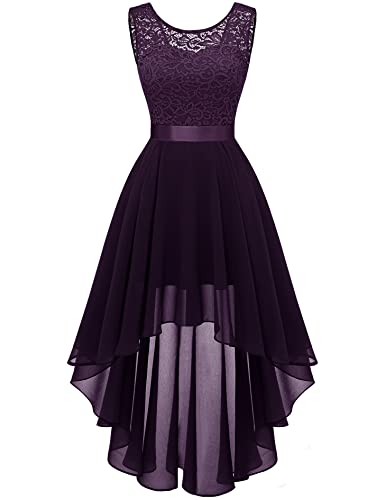
Dark Purple Prom Dress covers prom dresses in deep purple families such as plum, eggplant, aubergine, deep violet, raisin, and other saturated purple shades. The collection may include satin, velvet, chiffon, tulle, lace, sequins, fitted columns, A-lines, ball gowns, mermaids, corsets, sleeves, and slits.Dark purple should remain distinct from lavender, lilac, and other light-purple pages, while recognizing that plum and eggplant can overlap burgundy or wine in warm light. The selected variation and delivered fabric should control the category.Related paths include purple prom dresses, light purple prom dresses, lavender prom dresses, lilac prom dress. Use the broad purple hub for shoppers without a shade requirement and this page for genuinely deep purple intent.










Frequently Asked Questions About Dark Purple Prom Dress
What shades count as dark purple prom dresses?
Common dark-purple families include plum, eggplant, aubergine, deep violet, raisin, and other saturated purple tones.
Is plum the same as dark purple?
Plum is usually a warm, red-leaning dark purple, but retailers use the name inconsistently.
Is eggplant purple or burgundy?
Eggplant is generally a very dark purple, though warm versions can approach burgundy in some lighting.
What fabrics work well in dark purple?
Velvet, satin, chiffon, tulle, crepe, lace, sequins, mesh, and mikado can all work.
Why does dark purple look black indoors?
Deep dye, low light, velvet pile, and camera exposure can suppress visible purple.
What shoes work with dark purple?
Silver, gold, black, nude, crystal, and selected tonal purples can work depending on the undertone and hardware.
Can dark purple dresses be altered?
Often, but matching deep-purple fabric, lace, thread, or embellishment can be difficult.
How is dark purple different from lavender or lilac?
Lavender and lilac are much lighter purple families, while dark purple includes deeper plum, eggplant, and violet shades.
What should I verify before ordering?
Check exact shade, seller, measurements, lining, support, length, delivery, returns, and alteration feasibility.
What Counts as Dark Purple Prom Dress
“Dark Purple Prom Dress” should contain prom dresses whose dominant visible shade is a deep purple such as plum, eggplant, aubergine, deep violet, raisin, or similar. Long and short lengths, multiple fabrics, sleeves, slits, corsets, sparkle, and multiple silhouettes can all qualify.
Lavender, lilac, periwinkle, pale mauve, bright fuchsia, burgundy, and wine-red dresses should not be classified as dark purple simply because retailer naming is loose. Warm plum can approach red, while cool violet can approach blue; undertone matters.
Dark Purple Prom Dress Versus Related Prom Categories
This page should sit below the broad purple category and beside light purple, lavender, and lilac pages. It remains distinct when the shade is the primary shopping decision rather than just another synonym for purple.
Use the narrowest category that reflects an actual product attribute or buying decision. Related paths include purple prom dresses, light purple prom dresses, lavender prom dresses, lilac prom dress. Internal links should help shoppers move between broader and narrower intent rather than create multiple pages for the same garment set.
Prom Dress Code, Venue, and Event Planning
Before choosing from this collection, check the school’s current written policy for neckline depth, backs, cutouts, transparency, slits, midriff exposure, and hem length. A dress that works in a standing catalog image can change once the wearer sits, raises both arms, or moves quickly.
Plan for transportation, photographs, dinner, stairs, crowded walking, dancing, restroom access, coat storage, and the venue surface. The final choice should satisfy the most restrictive part of the night rather than only the photo or entrance moment.
Silhouette and Proportion
Deep purple works across A-line, ball-gown, mermaid, trumpet, column, sheath, fit-and-flare, and high-low shapes. Very dark color can hide seam tension in product photos, so fit should be judged under brighter light and from several angles.
Judge the fit from front, side, and back views after several minutes of sitting and walking. Pulling, twisting, a rising waist, unstable cups, compressed hips, or a skirt that blocks the stride usually indicates a pattern or size mismatch rather than a styling problem.
Fabric, Lining, and Surface Finish
Velvet gives plum and eggplant strong depth, satin reveals highlights and undertone, chiffon and tulle layer color, and sequins may reflect blue, pink, silver, or black. Check lining because pale nude mesh or cups can become more visible against a dark purple shell.
Check the exact variation for lining, stretch, fabric density, care instructions, and surface treatment. Daylight and flash photography can reveal transparency, seam strain, texture changes, loose embellishment, lining edges, and color shifts that are difficult to judge from a retailer’s studio image.
Neckline, Bodice, Closures, and Support
Sweetheart, square, V-neck, halter, strapless, one-shoulder, off-shoulder, high-neck, and corset designs are all possible. Under flash, sheer purple mesh can become more transparent and dark lace may separate sharply from its lining.
Try the dress with the planned bra, cups, tape, or base layer. Test every zipper, hook, button, tie, lace-up point, and strap before removing tags, then raise both arms, bend, sit, and hug to confirm that the neckline stays secure without repeated adjustment.
Length, Slits, Trains, and Movement
Floor and sweep gowns are common, but ankle, high-low, midi, knee, and selected short styles can work. Long velvet or heavily beaded skirts can add heat and weight; fitted mermaids need adequate knee ease for walking and dancing.
Wear the final shoes during the movement test. Walk quickly, climb a step, sit, turn, and simulate dancing; slits can rise, trains can catch, fitted knees can restrict stride, and layered linings can behave differently from the outer skirt once the fabric warms and settles.
Measurements and Size Selection
Measure bust, waist, hips, torso, shoulders, upper arms when relevant, and preferred length. Use brighter light to inspect strain across dark satin or velvet because tension marks may disappear in low-light product photography.
Numerical, junior, misses, petite, tall, plus, and brand-specific sizes can use different pattern blocks. Choose from the least flexible body area and rely on reviews only when the reviewer gives measurements, purchased size, and the exact color or construction variation.
Photography, Color, and Undertone
Plum often leans red, eggplant can be brown-red-purple, and deep violet usually leans cooler or bluer. Warm ballroom lighting can push plum toward wine, while flash can reveal a stronger violet or blue undertone.
Compare the delivered dress in daylight, warm indoor light, and flash before coordinating shoes, jewelry, or makeup. Retail color names are not standardized, and satin shine, velvet pile, sequins, mesh, lining, and camera processing can make the same shade look substantially different.
Petite, Tall, Plus, Junior, and Adaptive Fit
No dark-purple shade or silhouette is limited to one body type or complexion. Focus on correct vertical landmarks, cup placement, torso length, sleeve ease, hem position, and support across petite, tall, plus, junior, and adaptive options.
Look for size-specific photographs and garment measurements where available. Designs graded mainly in width can misplace cups, waistlines, motifs, pockets, slits, sleeves, and hems, so the best starting size is the pattern block that is closest to the wearer vertically as well as horizontally.
Alterations and Construction Limits
Matching deep purple is challenging when fabrics differ in sheen, pile, or undertone. Velvet, satin, lace, sequins, and appliqué can make replacement material obvious, especially in flash photographs or under warm lighting.
Get an alteration estimate before the return deadline and bring the final shoes and underlayers to fittings. Straight hems and simple straps are usually easier than corsetry, sleeves, beading, lace borders, sequins, bias cuts, layered skirts, or motif-heavy seams.
Seller, Delivery, Returns, and Total Cost
Retailers may use dark purple, plum, grape, eggplant, aubergine, violet, or wine inconsistently. Verify the exact selected variation, seller, fabric, lining, size chart, delivery, and return terms before categorizing or ordering.
Save the selected seller, color, size, size chart, delivery estimate, included items, and return policy at checkout. Order early enough for inspection, one failed option, exchange, alterations, steaming, accessories, and a complete movement rehearsal; final-sale purchases require verified measurements and accepted risk.
Plum, Eggplant, Aubergine, and Deep Violet
Plum generally carries more red, eggplant and aubergine can be darker and browner, and deep violet tends to remain more clearly purple or blue-purple. Retailers do not use these names consistently, so the actual garment matters more than the label.
A deep-purple page can include several of these families, but filters should allow shoppers to distinguish warm and cool undertones when inventory is large enough.
Avoiding Burgundy and Wine-Red Category Drift
Warm plum can look close to burgundy or wine, especially under amber ballroom lighting. If the received dress reads primarily red with a purple cast, a dark-red or burgundy category may be more accurate; if it reads primarily purple, keep it here.
Use side-by-side product imagery and customer photos rather than duplicating the same item across both color pages solely to capture keyword variants.
Dark Purple Under Flash and Low Light
In low light, eggplant and deep violet can lose hue and appear almost black. Flash often restores purple while also exposing satin hotspots, sequins, lining, and sheer mesh.
Photograph the delivered dress in daylight, warm indoor light, and flash before choosing accessories. This prevents a styling plan built around one inaccurate studio image.
Final Dark Purple Prom Dress Checklist
Before ordering, confirm whether the desired shade is plum, eggplant, violet, or another deep purple; then verify school policy, measurements, fabric, lining, support, seller, delivery, returns, and alteration risk.
After delivery, inspect the dress under several lighting conditions, test closures, sleeves, hem, stairs, sitting, and dancing, and confirm that the shade remains distinctly purple rather than unexpectedly burgundy, wine, or black.