
Unique Prom Dresses
Unique Prom Dresses are best defined by a clear design point of view rather than by the word “unique” in a product title. Distinctive options can use sculptural ruffles, 3D florals, feathers, asymmetrical hems, unexpected bows, unusual textures, color shifts, cutouts, or unconventional two-piece and architectural silhouettes.
For US prom shoppers, originality also has a practical side: a memorable dress still needs secure support, school-compliant coverage, manageable weight, and realistic alterations. Instead of chasing novelty alone, identify the one or two details that make the dress feel personal and then judge whether those details still work when sitting, walking, taking photos, and dancing.
Explore adjacent style ideas through elegant prom dresses, boutique prom dresses, vintage prom dresses, or browse all prom dresses to compare statement details across colors and silhouettes.



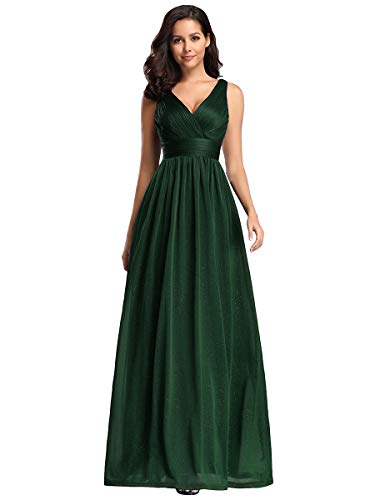


Ever-Pretty Women’s Elegant V Neck Floor Length A Line Empire Waist Long Tulle Bridesmaid Dresses 07303
Original price was: $72.99.$51.99Current price is: $51.99.



Frequently Asked Questions About Unique Prom Dresses
What makes a prom dress unique?
A unique prom dress usually has a distinguishing construction or design feature such as sculptural ruffles, 3D florals, unusual fabric, asymmetric lines, statement bows, feathers, color transitions, or an uncommon silhouette.
Does unique mean trendy?
No. A dress can be distinctive without following the current trend cycle. Personal styling, vintage references, custom alterations, or an unusual color can also create individuality.
How can I avoid wearing the same dress as someone else?
Shop early, check whether local boutiques register sold styles, consider less common colors or details, and personalize the look with accessories or tailoring where appropriate.
Are unusual details harder to alter?
They can be. Sculptural ruffles, feathers, heavy beadwork, corsetry, asymmetric hems, and 3D appliques may limit where seams can be changed.
How do I keep a statement dress comfortable?
Test weight, scratch points, sitting, arm movement, stairs, and dancing. A dramatic design still needs secure support and manageable volume.
What should I check before ordering online?
Verify the exact fabric, lining, detachable elements, size chart, seller, delivery date, return policy, and whether the distinctive detail is present on the selected color variation.
What if I want something unique but simple?
Choose one standout feature—such as a sculptural neckline, unusual back, strong color, or architectural drape—rather than combining many details at once.
What “Unique” Should Mean on a Prom Category
Because unique is subjective, the category needs visible criteria. Strong candidates have construction, surface detail, color treatment, or silhouette that differs meaningfully from standard satin columns and basic A-lines.
Statement Details Seen in Current Designer Collections
Current designer pages highlight 3D floral appliques, feather accents, sculptural ruffles, asymmetrical hems, statement cutouts, oversized bows, ombre sequins, jacquards, and architectural necklines. These details create a useful benchmark for what belongs in a distinctiveness-led category.
One Strong Feature vs Too Many Competing Details
A dress does not need every trend at once. A clean gown with one dramatic bow, one unusual neckline, or one high-impact texture can feel more intentional than a design where feathers, sequins, ruffles, cutouts, and color blocking compete for attention.
How to Reduce Same-Dress Risk
Shopping early can help, especially where boutiques track sold styles for nearby schools. Less common colors, vintage-inspired shapes, limited-run designers, custom accessories, and thoughtful alterations can also make a mainstream gown feel more personal.
Construction and Alteration Risk
Many statement features are alteration-sensitive. Feathers, molded ruffles, 3D flowers, beaded corsets, and asymmetrical hems can cover seam lines or require handwork. Get a tailoring opinion before the return deadline if the fit is not already close.
Photography, Movement, and Scale
Large bows, trains, high-volume skirts, and dimensional appliques may look different in close-up photos than across a ballroom. Test front, side, back, seated, and moving views so the detail reads well from multiple angles.
Personal Style Matters More Than a Trend Label
Recent US prom coverage shows a broad mix of aesthetics rather than one dominant 2026 uniform. A stronger strategy is to identify the wearer’s preferred mood—minimal, romantic, dramatic, vintage, glamorous, or experimental—and choose a distinctive detail within it.
How to Shortlist Unique Prom Dresses
Ask what specifically makes each dress different, whether that feature suits the wearer, and whether it survives the fit, comfort, dress-code, alteration, and movement tests. “Unique” should describe a real design distinction, not a catch-all label.
Unique Prom Dresses With 3D Florals and Sculptural Appliqué
Three-dimensional floral appliqué can make a prom dress look distinctive without relying on an unusual color. Petals may be stitched to tulle, satin, mesh, or organza and can appear on the bodice, shoulder, hip, or entire skirt. The important buying questions are how securely the flowers are attached, whether they crush when seated, and whether they interfere with the zipper or alteration seams.
Large floral elements also change scale in photos. A shoulder flower or hip rosette that looks balanced on a tall model may dominate a petite frame, while scattered appliqué can create a softer effect. Compare floral prom dresses when the print or flower motif matters more than novelty itself.
Statement Bows, Ruffles, Feathers, and Fringe
Oversized bows, sculptural ruffles, feather trim, and fringe create motion and are common ways to make a formal dress feel less standard. Each detail has a practical tradeoff. Bows may add volume at the hip or back, ruffles can affect seating, feathers need protection from crushing, and long fringe can tangle with jewelry or catch under a clutch.
Choose the statement placement intentionally. A large back bow is strongest in rear photos; shoulder ruffles frame the face; hip draping changes the silhouette; fringe emphasizes movement while dancing. If a dress combines several of these features, check that they share one visual direction instead of competing for attention.
Asymmetrical and Architectural Prom Dress Silhouettes
Unique prom dresses can also stand out through construction: one-shoulder bodices, angled necklines, asymmetric cutouts, high-low hems, sculpted waistlines, cape panels, detachable overskirts, and exaggerated trains create shape without requiring heavy embellishment. These designs depend on internal support because an uneven neckline or side cutout can shift more visibly than a symmetrical bodice.
Test the garment from all angles. Architectural dresses often look best in a specific pose, but prom involves sitting, turning, hugging, stairs, and dancing. If the statement line collapses or twists during normal movement, the design is not functioning as intended. For a quieter alternative, compare elegant prom dresses.
Unusual Prom Dress Fabrics and Surface Texture
Jacquard, brocade, metallic fabric, ombré sequins, velvet, pleated organza, glitter mesh, and textured floral fabrics can make a familiar A-line or mermaid silhouette feel unique. Texture is often easier to wear than an extreme cut because the basic fit remains recognizable while the surface provides visual interest.
Inspect how the texture behaves at seams and folds. Raised jacquard can add stiffness, sequins increase weight, velvet changes with pile direction, and metallic coatings may show creases. A unique fabric still needs proper lining, comfortable skin contact, and a realistic alteration path.
How to Avoid Looking Like Everyone Else at Prom
No retailer can guarantee that another student will not choose the same dress, but shoppers can reduce duplication risk by avoiding only the most heavily promoted hero styles and by choosing a distinctive combination of silhouette, color, and detail. A familiar black gown with a sculptural neckline can feel more individual than a trend-heavy dress copied across many brands.
Personal styling matters too. Shoes, earrings, hair, clutch, and makeup can change the final look without compromising fit. The goal is not to make every element unusual; it is to create a coherent outfit that clearly reflects personal taste. The vintage prom dresses collection offers another route to a less conventional aesthetic.
Alteration Planning for Statement Prom Dresses
Unusual construction often costs more to alter because decorative elements may cross side seams, hems, or closure lines. A sculpted bodice can contain internal cups and boning; a feathered hem may need trim removed and reapplied; a 3D floral skirt may require motifs to be repositioned after shortening. Ask for an alteration estimate before the return window ends.
Prioritize fit at the most complex area when selecting a size. If the bodice is heavily structured and the skirt is simple, fitting the bust and waist may be more important than choosing for hip ease. If a dramatic fitted skirt has intricate seaming, the reverse may be true. “Unique” should never mean unalterable or uncomfortable.
Unique Prom Dresses on a Realistic Budget
A statement dress can cost more to alter even when its purchase price is reasonable. Feathers, fringe, 3D flowers, sequins, asymmetric draping, detachable skirts, and sculpted bodices all increase the amount of handwork a tailor may need to preserve. Compare the total cost of the dress, shipping, alterations, shoes, and accessories before choosing a design that only fits the budget at checkout.
If the statement feature is concentrated away from major seams, alteration may be simpler. A dramatic bow attached at the back can be easier to work around than all-over beadwork crossing every side seam. When two unusual dresses feel equally strong, the one with cleaner fit and a simpler alteration path is usually the safer prom purchase because its design will still look intentional after tailoring.