
Size S Dresses for Women
Size S dresses for women can include everyday, work, wedding-guest, cocktail, formal, vacation, and seasonal styles, but the letter S does not represent one universal set of measurements. The products below may use US small, international small, numerical sizes such as 4 or 6, or brand-specific charts with different bust, waist, hip, shoulder, and length dimensions.
Use size S only as a starting filter. Compare fresh measurements with the exact listing and check fabric stretch, lining, closure, torso length, and model height. A small dress can fit correctly at the waist while remaining too narrow at the shoulder or too short in the bodice.
Browse formal dresses, casual dresses, work dresses, and wedding guest dresses to narrow the selection by occasion. Confirm seller, shipping, availability, and returns on the final retailer page.


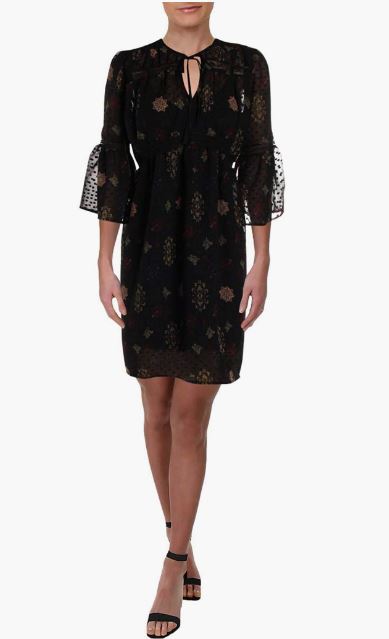


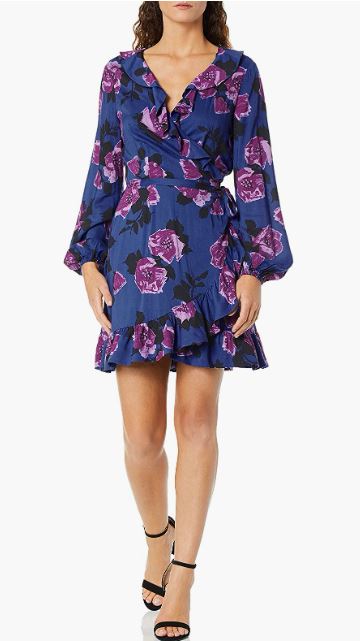

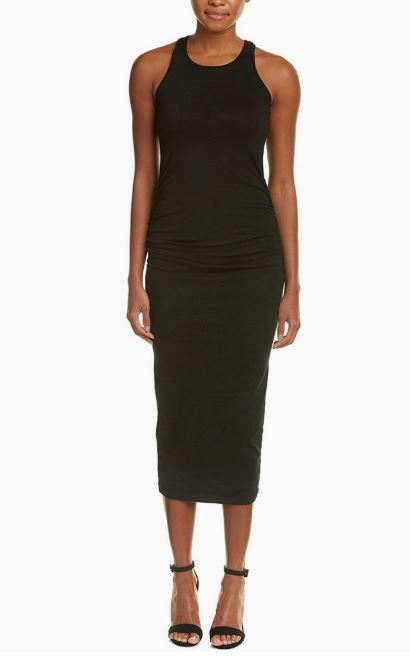
Michael Stars Women’s Racerback Midi Dress
Original price was: $88.00.$45.26Current price is: $45.26.

Frequently Asked Questions About Size S Dresses for Women
What measurements usually correspond to women’s size S?
They vary by brand. Size S may overlap with numerical sizes such as 2, 4, or 6, but you should use the exact bust, waist, hip, shoulder, and length chart for the dress.
Is size S the same as a US size 4 or 6?
Sometimes, but not universally. Retailers use different conversions and pattern proportions. Compare measurements rather than relying on the letter-to-number label.
How do I choose between XS, S, and M?
Identify the least flexible area of the garment and compare the exact chart. Consider fabric stretch, lining, shoulder fit, sleeves, and alteration options.
Does size S include petite sizing?
No. Small describes width, while petite usually changes length and vertical proportions. A regular S may still be too long or have the waist in the wrong place.
Which size S styles work for formal events?
Satin, chiffon, crepe, lace, velvet, sequined, A-line, sheath, and long dresses can work when the construction matches the dress code.
How do I check whether a small dress is too tight?
Look for pulling, twisted seams, a riding hem, restricted breathing, tight sleeves, or lining that limits sitting and walking.
Can a size S dress be altered?
Many can be hemmed or adjusted at straps and seams. Lace, sequins, fixed waistbands, and narrow seam allowances can make changes more difficult.
What should I wear during the try-on?
Use the planned bra, shapewear or slip if any, and intended shoes. Test sitting, bending, walking, and arm movement.
What should I confirm after clicking an affiliate product?
Verify seller, live price, size chart, stock, material, lining, closure, delivery, returns, care, and included accessories.
What Does Women’s Size S Mean?
Small is an alpha-size label used by individual brands. One retailer may map it to US 4–6, another to 2–4, and another may use an international chart with different proportions. Even within the same brand, a fitted formal dress and a relaxed knit dress may provide different room.
Do not convert automatically from tops, jeans, or another retailer. Use the exact dress chart and determine whether it shows body measurements or finished garment dimensions.
Take a Complete Measurement Set
Measure bust, natural waist, full hip, shoulder width, upper arm, height, and the length needed for the intended shoes. For fitted or structured dresses, shoulder-to-waist and torso length are also useful. Wear the bra and underlayers planned for the dress.
Keep the measuring tape level and comfortable. Pulling it tight produces a number that does not represent how the dress must fit during breathing, sitting, and eating.
Size S Versus XS and M
When measurements fall between labels, compare the least flexible area. A woven bodice may require the larger size, while a stretch knit may fit in the smaller label if the neckline and length remain correct. Avoid following a general rule to size up or down without examining the construction.
Check whether the dress can be altered. Shortening straps or taking in a waist may be easier than adding room to a tight sleeve or bust.
Petite and Tall Considerations
Size S describes width more than height. A regular small may have a waist and hem that sit incorrectly on a petite or tall shopper. Some brands offer petite or tall versions that adjust the bodice and rise as well as the length.
When no alternate exists, compare shoulder-to-waist and total length. A simple hem can be shortened, but moving a fixed waist seam is more complex.
Small A-Line and Fit-and-Flare Dresses
A-lines work across casual, office, wedding, and cocktail occasions because the skirt opens below the waist. Fit-and-flare dresses create stronger waist definition and may use pleats, gathers, or circular skirts. Check where the waist seam sits and how much volume the skirt adds.
Browse styles of dresses for broader silhouette comparisons. Choose according to construction and occasion rather than a body-shape rule.
Size S Wrap Dresses
True wrap dresses allow waist and neckline adjustment, but the shoulders, bust overlap, and skirt coverage still need to fit. Faux-wrap dresses may look adjustable while using a fixed seam or zipper.
Check tie length, internal closures, and front coverage when seated. A wrap should not require constant pulling or fashion tape to remain wearable.
Sheath and Bodycon Dresses
Fitted silhouettes need accurate bust, waist, hip, and length measurements. Check stretch percentage, lining, vents, and seam placement. A dress that pulls horizontally, twists, or rides upward may be too narrow even if it closes.
Thin stretch fabric can become transparent over the body. Review the dress in daylight and bright indoor lighting.
Size S Formal Dresses
Formal styles may include satin, chiffon, crepe, lace, velvet, sequins, and long gowns. The label S does not guarantee equal length or bust depth across sellers. Use formal dresses to compare event-specific options.
Plan shoes before assessing a long hem and check whether beading or lace makes alterations difficult.
Wedding Guest Dresses in Small
A size-S wedding guest dress should match the invitation, venue, time, and season. Floral midis, chiffon wraps, and A-lines suit many daytime events; satin, velvet, crepe, or long gowns may work in the evening.
Browse wedding guest dresses for a narrower search. Check seated coverage and the walking surface before choosing the hem.
Cocktail and Party Dresses
Mini, knee, midi, bodycon, lace, sequin, and fit-and-flare dresses can meet cocktail or party dress codes. Secure the neckline and straps before focusing on decoration. A shorter dress should preserve coverage while sitting and dancing.
Use cocktail dresses to compare current styles. Try the dress with the intended shoes and bag.
Work Dresses in Size S
Professional styles should maintain coverage and shape through commuting, sitting, and layering. Ponte sheaths, shirt dresses, wraps, crepe midis, and structured knits can work. The work dress category separates office-focused options.
Check whether pockets gape, buttons pull, and sleeves fit beneath a blazer. Care requirements matter for repeat wear.
Casual Small Dresses
Casual dresses may include jersey maxis, cotton sundresses, sweater dresses, shirt dresses, and relaxed minis. Look for washable fabric, reliable opacity, secure armholes, and a hem compatible with flats or sneakers.
Browse casual dresses for everyday options. A relaxed cut should not slide at the shoulders or expose undergarments.
Fabric Stretch and Recovery
Jersey, ponte, rib knits, and elastane blends may provide movement, but the amount and direction vary. Stretching is not the same as recovery; a dress can loosen after sitting. Woven satin, chiffon, crepe, and lace require closer sizing.
Check the lining separately. A stretch outer fabric over rigid lining behaves like a nonstretch dress.
Neckline and Bra Compatibility
V, square, scoop, cowl, halter, off-shoulder, and high necklines require different bras and strap placement. Use dress neckline categories for focused browsing.
Check neckline security while bending and sitting. A standing product pose does not reveal gaping or movement.
Mini, Midi, and Maxi Labels
Length terms are relative to the model’s height. A midi can approach maxi length on one shopper and fall below the knee on another. Use the actual garment measurement and dress length categories.
For maxis, measure with shoes. For minis, sit and climb stairs before deciding the length is practical.
Read Reviews for Measurable Evidence
Useful reviews include height, body measurements, purchased size, fabric thickness, and a specific fit issue. “True to size” is less useful when the reviewer’s usual brands are unknown.
Marketplace pages may group reviews from multiple colors or products. Confirm that photographs show the exact variation.
Home Try-On Process
Use a clean, fragrance-free room and keep tags attached. Photograph the front, side, and back. Sit, bend, raise the arms, walk, and remain in the dress for at least fifteen minutes. Check whether the waist shifts, the shoulders slide, or the fabric becomes uncomfortable.
Try the planned bra, shoes, jacket, and shapewear if any. These items can change fit and length.
Alterations for a Small Dress
Hemming, strap shortening, and small side-seam adjustments may be straightforward. Moving a waistline, rebuilding a sleeve, or altering sequins and scalloped lace is more complex. Ask a tailor before the return period ends.
Compare the total alteration cost with another size or style that fits better from the package.
Affiliate Shopping Verification
MotherBrideDress.com links to third-party retailers such as Amazon. The final retailer controls the current seller, price, size availability, delivery, product details, and return policy.
Verify the exact size chart, material, lining, closure, care, recent reviews, and included accessories. Do not rely on a generic S conversion from another product.
Common Size S Shopping Mistakes
- Assuming S means the same measurements across brands.
- Converting from tops or jeans without checking the dress chart.
- Ignoring shoulder, arm, torso, and length measurements.
- Treating a faux wrap like an adjustable wrap.
- Judging mini or maxi length from the model image.
- Testing the dress without the intended bra or shoes.
- Removing tags before completing a movement test.
- Missing the marketplace seller’s return deadline.
Choose the Size S Dress by Evidence
A reliable small dress fits the entire construction—not merely one waist or bust number. Compare measurements, fabric, lining, length, closure, and occasion. Use reviews as supporting evidence and verify the final seller details.
Return to dresses by size when another brand’s chart places you in XS, M, or a numerical size instead of S.
Small Dresses for Travel and Packing
For travel, prioritize fabric recovery, compact packing, comfortable sitting, and compatibility with more than one pair of shoes. Jersey, knit, and some crepe dresses may recover quickly after folding, while satin, linen, and structured skirts may require steaming. A dress with pockets can be practical, but check whether the pocket bags create bulk at the hip.
Carry important occasionwear when possible. Keep the planned bra, belt, and shoes with the dress so one delayed bag does not make the outfit unusable.
Building a Small-Size Work Capsule
A few well-fitting dresses can cover presentations, office days, interviews, and business dinners. Compare solid ponte, crepe sheaths, shirt dresses, and wrap midis. Check whether each style works with a blazer, cardigan, flat, and low heel.
Repeat wear depends on care. A machine-washable dress may be more useful than a dry-clean-only design even when the initial price is similar.
Print Scale and Pattern Placement
Print scale affects the appearance and alteration options of a small dress. Large florals may dominate a short garment, while small prints create an all-over effect. Stripes should align where possible, and border prints may be lost if the hem is shortened.
Customer photographs show real pattern placement better than a single sample image. Two dresses in the same style may not place a large motif identically.
Buttons, Zippers, and Closures
Check button spacing at the bust, zipper movement, hook placement, and whether ties remain secure. A small label does not guarantee that the shoulder and bust proportions work together. Shirt dresses should remain closed while seated; side zippers should lie flat without pulling.
Test closures several times before deciding to keep the garment. A weak zipper or loose button is easier to address before the event.
Evaluating Total Cost
Include shipping, returns, alterations, undergarments, shoes, and cleaning when comparing dresses. A lower-priced small dress may become expensive if the waistline and hem both require reconstruction. Another design with a higher purchase price but correct proportions may cost less overall.
Do not alter the dress until the complete outfit and event requirements are confirmed.
Storage and Long-Term Care
Support woven dresses on shaped hangers, fold heavy sweater dresses, and protect sequins or lace in garment bags. Do not crowd delicate fabric against exposed zippers. Store in a dry place away from prolonged sunlight.
Review the care label after each wear rather than relying on memory. Different colors or fabrics within one style may have separate instructions.