
Satin Prom Dresses
Satin Prom Dresses cover formal dresses made with satin or satin-look woven fabrics that create a smooth face and visible sheen. Natural secondary searches include satin prom dress, long satin prom dresses, satin mermaid prom dress, satin prom dress with slit, strapless satin prom dress, and satin ball gown. The live category currently shows 26 results and should focus on the fabric decision rather than treating satin as a synonym for every shiny formal gown.
Satin describes a weave and surface effect, not one fiber or one quality level. Polyester satin, stretch satin, charmeuse-like fabric, heavier duchess-style satin, and blended constructions differ in weight, drape, stretch, shine, wrinkle behavior, and seam visibility. Windsor’s current satin-prom merchandising highlights practical details such as knit lining, stretch, padded busts, boning, lace-up backs, pockets, and fit—exactly the information shoppers need beyond generic luxury language.
Related shopping paths include silk prom dresses, red satin prom dresses, mermaid prom dresses, and prom dresses with slits. These pages separate true silk-related intent, a strong color-plus-fabric subset, fitted silhouettes, and slit construction.
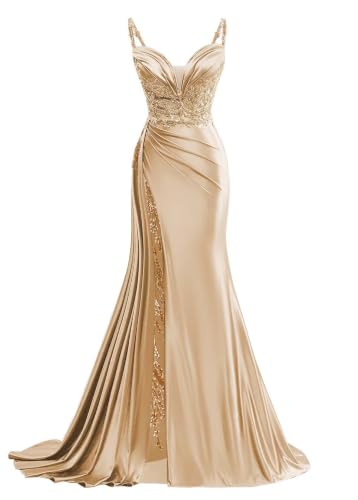



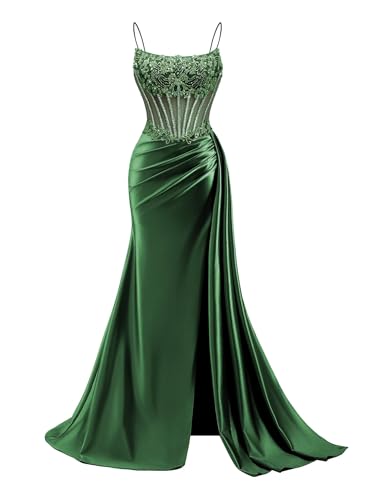


Backless Satin Ivory Bridesmaid Dresses for Women Plus Size Party Prom Dress Formal Gown US22W
Original price was: $89.99.$84.99Current price is: $84.99.


Frequently Asked Questions About Satin Prom Dresses
What is satin in a prom dress?
Satin is a smooth, reflective weave that can be made from polyester, silk, acetate, or blended fibers.
Is satin the same as silk?
No. Silk is a fiber; satin is a weave. Many satin prom dresses are polyester.
Does stretch satin make a fitted dress easier to move in?
It can, but lining stretch, pattern ease, and seam construction still matter.
Does satin wrinkle?
Many satin fabrics can crease, with behavior depending on fiber, weight, weave, and storage.
Does satin photograph differently with flash?
Yes. Flash can create bright highlights and reveal wrinkles, seam tension, and underlayer lines.
Can satin dresses have pockets and slits?
Yes. Pockets, slits, ruching, pleats, and draping are common satin-gown features.
Can satin be altered?
Often, but needle marks, bias cuts, corsetry, pockets, structured hems, and pleats can increase difficulty.
How should satin be stored?
Use a clean garment bag with enough space to reduce crushing and protect the surface from snags.
What should I verify before ordering?
Check fiber content, seller, lining, stretch, measurements, color, delivery, returns, and alteration needs.
What Satin Actually Means
Satin is a weave characterized by a smooth, reflective face. It can be made from polyester, silk, acetate, or blended fibers. The fiber content affects care and feel, while the weave creates the familiar shine.
Do not assume a product is silk because it looks silky. Read the material composition and seller details. A lower-cost polyester satin can still work well for prom, but it should be described accurately.
Stretch Satin vs Structured Satin
Stretch satin includes elastic recovery that can improve comfort in fitted gowns, while heavier structured satin supports pleats, ball gowns, and sculpted bodices. A fluid satin may drape beautifully but show more underlayer lines and wrinkles.
Check whether the lining stretches with the outer fabric. A flexible satin shell paired with a rigid lining can still restrict the hips, thighs, or seated fit.
A-Line and Ball Gown Satin
Heavier satin produces clean volume in A-line and ball-gown silhouettes. Pleats, box folds, pockets, and structured hems can create shape without many tulle layers.
Skirt weight matters. Wear the gown for several minutes to see whether the waist drops or a strapless bodice begins to slide. Internal support should carry the fabric without excessive tightening.
Mermaid and Fitted Satin
Fitted satin highlights contours and seam tension because light reflects from every wrinkle or pull line. Correct hip, thigh, and knee ease is therefore visible as well as functional.
Sit, walk, climb stairs, and dance during the try-on. If the satin forms strong horizontal lines or the lining rides upward, the size or pattern may be wrong.
Slits, Draping, and Ruched Details
Satin works well with side slits, cowl necks, gathered waists, ruching, and draped skirts because the sheen emphasizes folds. Those details can improve movement or visual interest but also complicate alterations.
Check whether draping returns to its intended position after sitting. A slit edge should lie flat, and the lining should not twist beneath a bias or ruched outer layer.
Wrinkles, Pressing, and Event-Day Preparation
Satin can crease during shipping, sitting, or storage. The severity depends on fiber, weight, and weave. Do not assume every satin gown can be ironed directly.
Follow the care label and use cautious steaming or professional pressing when appropriate. Prepare the dress before prom day so there is time to address wrinkles, shine marks, static, or snagging.
Flash Photography and Shine
Flash creates bright highlights on satin and can reveal seam strain, wrinkles, cups, and underlayer edges. Deep colors may show lighter reflective streaks that are not obvious in a mirror.
Take photos from several angles in daylight and flash. Check whether the dress looks smooth during normal posture, not only after the fabric has been manually arranged.
Bodice Construction and Support
Strapless, sweetheart, corset, and one-shoulder satin gowns often use padded cups, boning, non-slip grip lining, lace-up backs, or hook-and-eye closures. Competitor product pages increasingly expose these details because they directly affect fit.
Test the neckline after the skirt has settled. The bodice should remain secure when arms rise and while sitting without being painfully tight.
Opacity, Lining, and Underlayers
Dark satin is usually more forgiving than pale satin, but thin or high-shine fabric can still reveal pocket bags, seam allowances, underwear edges, or shapewear lines.
Use smooth underlayers only when desired and compatible with the neckline. Flash-test the complete outfit and avoid sizing down simply to create a smoother appearance.
Snagging, Static, and Care
Satin can snag on rough jewelry, sharp nails, rhinestone bags, and textured venue surfaces. Synthetic satin may also develop static in dry indoor conditions.
Store the gown in a clean garment bag and keep accessories smooth. A small snag can become highly visible because the surface is uniform and reflective.
Alterations and Needle Marks
Plain satin seams may be easier to adjust than beaded lace, but needle marks, bias cuts, corsetry, pockets, horsehair hems, and structured pleats can complicate tailoring.
Get an alteration estimate before the return window closes. Choose final shoes before hemming and avoid major changes to a gown that is structurally wrong through the torso or hips.
Inventory and Product-Level Verification
The live satin category shows 26 results, but some visible items mix prom, bridesmaid, graduation, and other occasion labels. Keep products only when satin is genuinely part of the selected variation and the garment is reasonably prom appropriate.
Verify exact seller, fabric, lining, color, size chart, delivery date, and returns. Fabric-focused SEO works best when the product grid actually reflects the fabric promise.