
Cute Short Prom Dresses
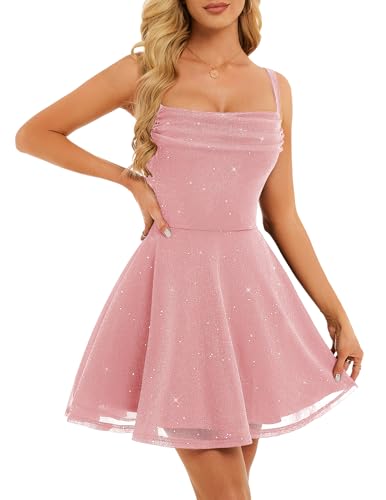
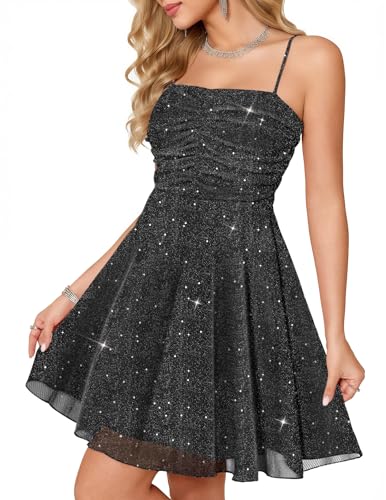
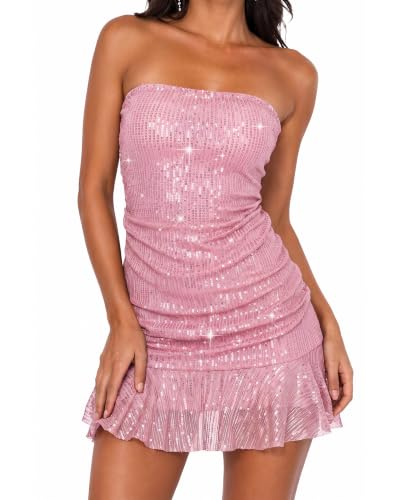
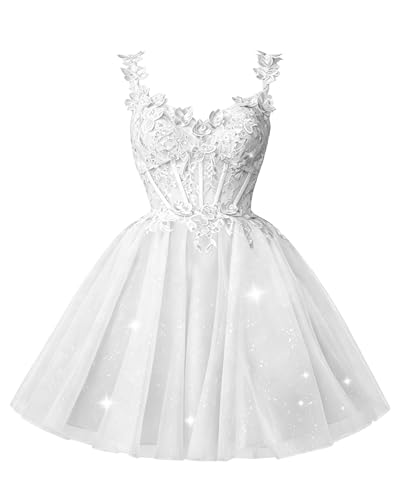
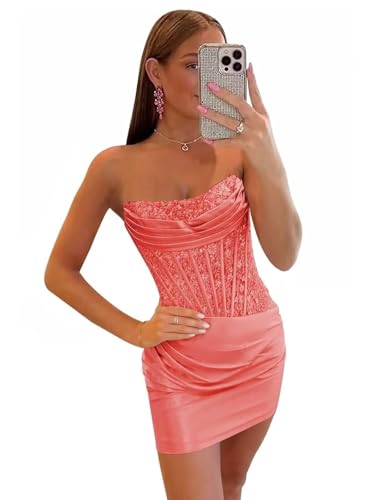
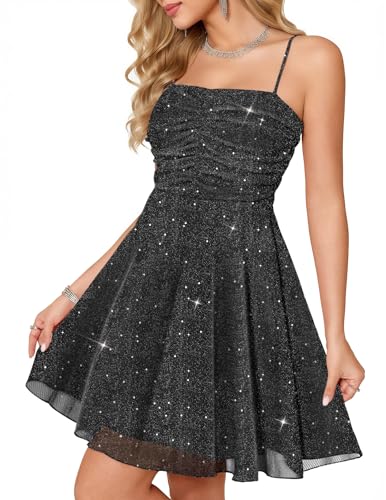
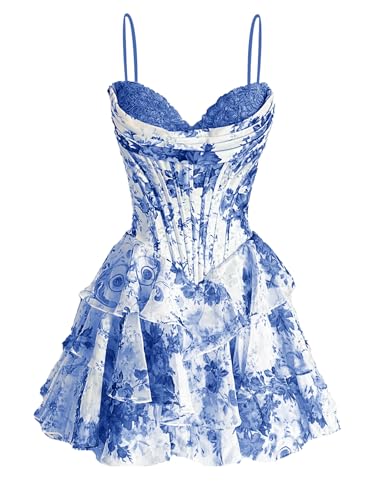
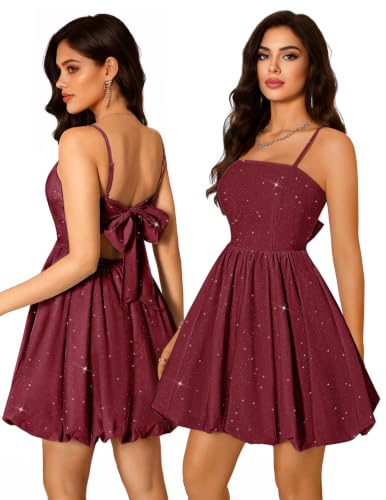
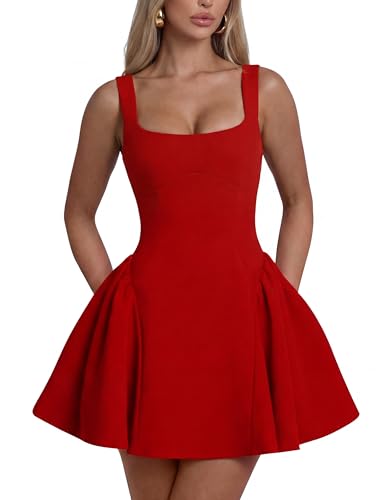
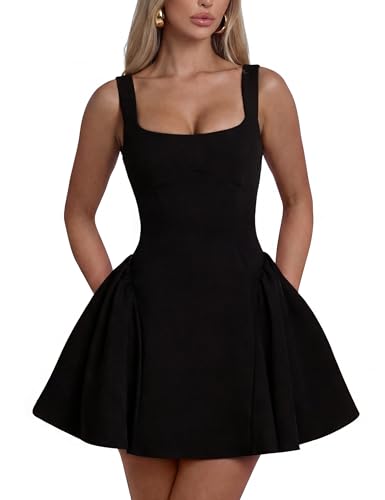
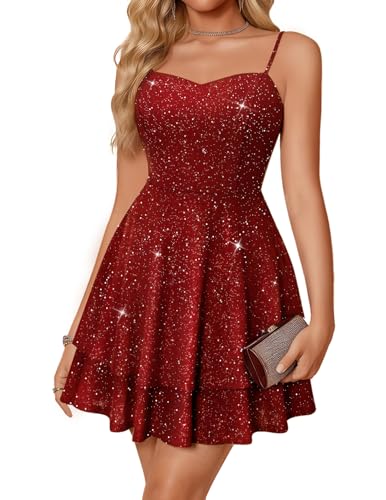
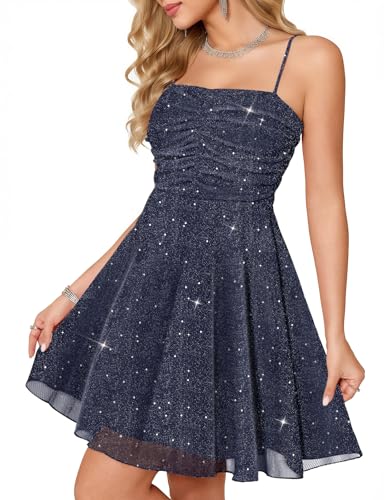
Cute Short Prom Dresses combines a measurable length modifier with a subjective style modifier: short prom dresses presented as playful, romantic, youthful, or trend-forward. The grid may include mini and above-knee A-lines, fit-and-flare dresses, satin corset minis, sequin styles, bows, rosettes, ruffles, floral details, and selected knee-length party dresses.The “short” part creates a real product distinction, while “cute” does not. This page therefore overlaps heavily with the broader short prom dresses category and should not become a second indexable URL for the same mini and knee-length inventory.Related paths include short prom dresses, cute prom dresses, high low prom dresses, short sleeve prom dress. If product and query overlap is high, consolidate this page into short prom dresses and retain “cute” as merchandising language rather than a separate taxonomy requirement.











Frequently Asked Questions About Cute Short Prom Dresses
What counts as a short prom dress?
Short can include mini, above-knee, knee, and selected high-low styles, but the actual garment measurement matters more than the retailer label.
Do cute short prom dresses have to be pastel?
No. Black, navy, red, metallic, jewel-tone, floral, and bright styles can all fit the category.
Are short prom dresses allowed at every school?
No. School dress codes vary, so check the written hem, slit, neckline, back, and transparency rules before buying.
Are short dresses easier to dance in?
They often provide more floor clearance, but fitted skirts can ride up and full skirts can lift, so movement still needs to be tested.
What measurements matter for a short prom dress?
Bust, waist, hips, torso, and actual shoulder-to-hem or waist-to-hem length are especially useful.
Can a short prom dress be altered?
Often, but decorative hems, horsehair, lace borders, sequins, ruffles, and tiers can complicate shortening.
Is cute short the same intent as short prom dresses?
Usually there is substantial overlap because short is measurable while cute is subjective.
Can a homecoming dress work for prom?
Sometimes, if the school permits the length and the garment has the formality, fit, lining, and construction required for the event.
What should I verify before ordering?
Check exact hem length, school rules, seller, measurements, lining, support, delivery, returns, and alteration options.
What Counts as Cute Short Prom Dresses
“Cute Short Prom Dresses” should contain prom-appropriate short dresses—typically mini, above-knee, knee, or selected high-low styles—whose design also fits a playful or romantic aesthetic. Bows, sparkle, florals, corset tops, ruffles, satin, tulle, and fit-and-flare shapes are common, but none is required.
Short is measurable; cute is subjective. The page should not include floor-length gowns simply because they feel cute, and it should not exclude sleek or dark short dresses when the product is genuinely prom-ready and the merchandising goal is broader than a pastel aesthetic.
Cute Short Prom Dresses Versus Related Prom Categories
The primary overlap is with short prom dresses, cute prom dresses, high-low prom dresses, and homecoming-style short formalwear. When the same items dominate both short and cute-short pages, one strong short-dress URL is usually preferable.
Use the narrowest category that reflects an actual product attribute or buying decision. Related paths include short prom dresses, cute prom dresses, high low prom dresses, short sleeve prom dress. Internal links should help shoppers move between broader and narrower intent rather than create multiple pages for the same garment set.
Prom Dress Code, Venue, and Event Planning
Before choosing from this collection, check the school’s current written policy for neckline depth, backs, cutouts, transparency, slits, midriff exposure, and hem length. A dress that works in a standing catalog image can change once the wearer sits, raises both arms, or moves quickly.
Plan for transportation, photographs, dinner, stairs, crowded walking, dancing, restroom access, coat storage, and the venue surface. The final choice should satisfy the most restrictive part of the night rather than only the photo or entrance moment.
Silhouette and Proportion
Short options can include A-line, fit-and-flare, bodycon, sheath, bubble, skater, dropped-waist, and short corset shapes. Check waist placement, skirt flare, seated coverage, and whether the hem rises when the wearer bends or raises both arms.
Judge the fit from front, side, and back views after several minutes of sitting and walking. Pulling, twisting, a rising waist, unstable cups, compressed hips, or a skirt that blocks the stride usually indicates a pattern or size mismatch rather than a styling problem.
Fabric, Lining, and Surface Finish
Satin, tulle, lace, sequins, glitter mesh, crepe, chiffon, organza, and embellished knits are common. Short hems expose more of the lining and underside during movement, so inner construction, seam finish, opacity, and skirt control are especially visible.
Check the exact variation for lining, stretch, fabric density, care instructions, and surface treatment. Daylight and flash photography can reveal transparency, seam strain, texture changes, loose embellishment, lining edges, and color shifts that are difficult to judge from a retailer’s studio image.
Neckline, Bodice, Closures, and Support
Square, sweetheart, strapless, halter, one-shoulder, spaghetti-strap, corset, and off-shoulder tops are common. A short skirt does not reduce the need for secure support; test the neckline while dancing because vigorous movement can shift both the bodice and the hem.
Try the dress with the planned bra, cups, tape, or base layer. Test every zipper, hook, button, tie, lace-up point, and strap before removing tags, then raise both arms, bend, sit, and hug to confirm that the neckline stays secure without repeated adjustment.
Length, Slits, Trains, and Movement
Mini, above-knee, knee, midi, and high-low labels are not standardized. Measure shoulder-to-hem or waist-to-hem on the actual wearer, then test sitting and stairs; a catalog mini can become much shorter on a tall wearer or with a longer torso.
Wear the final shoes during the movement test. Walk quickly, climb a step, sit, turn, and simulate dancing; slits can rise, trains can catch, fitted knees can restrict stride, and layered linings can behave differently from the outer skirt once the fabric warms and settles.
Measurements and Size Selection
In addition to bust, waist, hips, and torso, record desired finished hem length. For bodycon or fitted short styles, thigh and seat ease may matter; for full skirts, check whether the lining is shorter than the outer layer.
Numerical, junior, misses, petite, tall, plus, and brand-specific sizes can use different pattern blocks. Choose from the least flexible body area and rely on reviews only when the reviewer gives measurements, purchased size, and the exact color or construction variation.
Photography, Color, and Undertone
Pastels and bright colors are common in cute-short merchandising, but black, navy, red, metallic, and jewel tones can also work. Flash may intensify sequins and expose pale lining, so check the full front, side, and back appearance before removing tags.
Compare the delivered dress in daylight, warm indoor light, and flash before coordinating shoes, jewelry, or makeup. Retail color names are not standardized, and satin shine, velvet pile, sequins, mesh, lining, and camera processing can make the same shade look substantially different.
Petite, Tall, Plus, Junior, and Adaptive Fit
Petite and tall wearers can experience dramatically different hem positions in the same nominal size. Plus and junior grading can also change skirt flare, waist height, and bodice proportion; use garment measurements rather than assuming “short” lands at the same point on every body.
Look for size-specific photographs and garment measurements where available. Designs graded mainly in width can misplace cups, waistlines, motifs, pockets, slits, sleeves, and hems, so the best starting size is the pattern block that is closest to the wearer vertically as well as horizontally.
Alterations and Construction Limits
Shortening a plain hem is usually straightforward, but horsehair, scalloped lace, sequins, ruffles, bubble hems, tiered skirts, and decorative borders can make changes visible or expensive. Lengthening is often impossible unless there is enough hem allowance.
Get an alteration estimate before the return deadline and bring the final shoes and underlayers to fittings. Straight hems and simple straps are usually easier than corsetry, sleeves, beading, lace borders, sequins, bias cuts, layered skirts, or motif-heavy seams.
Seller, Delivery, Returns, and Total Cost
Many short product listings are actually homecoming, cocktail, graduation, club, or casual dresses. Confirm the fabric, lining, construction, school policy, and event formality rather than relying on the word prom in a marketplace title.
Save the selected seller, color, size, size chart, delivery estimate, included items, and return policy at checkout. Order early enough for inspection, one failed option, exchange, alterations, steaming, accessories, and a complete movement rehearsal; final-sale purchases require verified measurements and accepted risk.
Mini, Above-Knee, Knee, and High-Low Lengths
A short prom category should not rely on one generic length label. Mini dresses end well above the knee, above-knee styles provide more coverage, knee-length styles can read more classic, and high-low hems combine a short front with a longer back.
Because product titles use these terms inconsistently, the useful comparison is the actual garment measurement on the wearer with the final shoes.
Dance-Floor Movement and Seated Coverage
Short dresses can be easier to walk and dance in than long gowns, but they require a more deliberate seated and bending test. Fitted skirts can ride upward, full skirts can lift during turns, and slit or wrap constructions can open further than expected.
Rehearse sitting, stepping up, bending, turning, and dancing. Shorts or another base layer can be used for comfort if desired, but they should not be expected to correct a hem that violates school policy.
SEO Recommendation: Cute Short Versus Short Prom Dresses
The short modifier creates real intent; cute usually does not. If both pages target the same mini and knee-length inventory, the stronger architecture is to keep one short prom dresses collection and use cute as a filter, heading, or merchandising phrase.
Retain a separate cute-short page only when it has demonstrably distinct products, search demand, internal links, and conversion behavior. Otherwise use a 301 redirect to the short-prom destination and merge the best content.
Final Cute Short Prom Dresses Checklist
Before ordering, confirm the exact hem measurement, school minimum-length rule, seated coverage, silhouette, lining, support, measurements, seller, delivery, returns, and whether the dress is truly prom-appropriate rather than only a casual mini.
After delivery, test the dress in the final shoes while sitting, bending, stepping up, walking quickly, and dancing. Check whether the skirt rides, twists, opens, or exposes lining and whether the bodice remains secure through the same movements.