
Tulle Prom Dress
Tulle Prom Dress styles range from airy A-lines and layered ball gowns to fitted mermaids with tulle godets, illusion panels, and embellished overlays. For US prom shoppers, the key difference is not simply whether a dress contains tulle, but how many layers it uses, how stiff or soft the mesh feels, and whether the bodice and lining support the volume comfortably.
Tulle can create dramatic movement without the weight of many dense fabrics, but it also introduces practical questions about snagging, static, transparency, steaming, and hemming. Compare the exact selected dress for skirt layers, lining depth, horsehair or wire at the hem, appliques, glitter, and train length before deciding whether the look will work for your venue and dance-floor plans.
Explore related collections including ball gown prom dresses, lace prom dresses, princess prom dresses, and the full prom dresses collection for alternatives by silhouette, fabric, and level of volume.

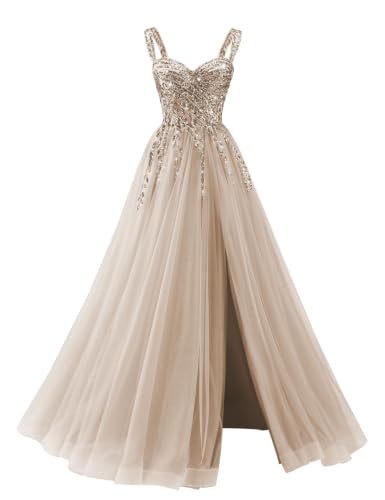
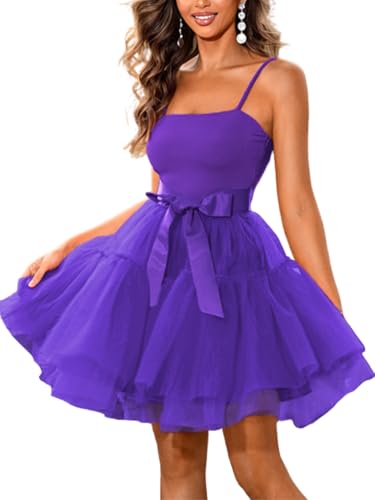



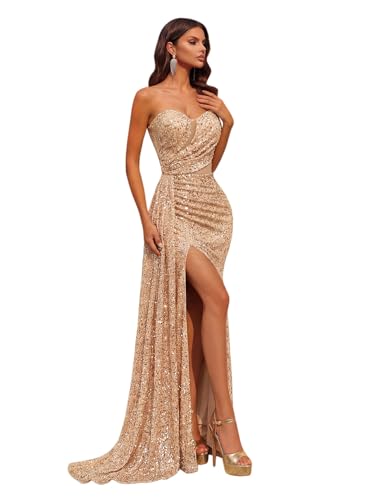


Frequently Asked Questions About Tulle Prom Dress
What is tulle in a prom dress?
Tulle is a lightweight open-net fabric commonly layered to create volume, softness, or a sheer overlay. The exact hand and stiffness vary by fiber, mesh size, and number of layers.
Is a tulle prom dress always a ball gown?
No. Tulle appears in ball gowns, A-lines, mermaids, fitted dresses, short styles, sleeves, overlays, and detachable skirts.
How do I keep tulle from snagging?
Use smooth jewelry and bags, avoid rough hook-and-loop closures, and protect the skirt from sharp chair edges and textured outerwear.
Can a tulle prom dress be hemmed?
Usually, but multiple layers, horsehair trim, appliques, glitter, lace borders, or a train can increase alteration time and cost.
Does tulle wrinkle?
Tulle can crease in shipping. Follow the care label and use cautious steaming from a safe distance rather than pressing high heat directly onto delicate mesh or decoration.
What should I check before buying online?
Check the number of skirt layers, lining, bodice structure, closure, length, seller-specific measurements, delivery date, return policy, and whether pictured detachable pieces are included.
How should I test a tulle dress before prom?
Wear it with the planned shoes and underlayers, then sit, walk, climb a step, turn, and dance to make sure the skirt volume and hem remain manageable.
How Tulle Changes the Shape of a Prom Dress
Tulle is often used in layers because each layer adds air and structure without the bulk of a heavy woven fabric. Soft tulle can fall close to the body, while stiffer netting can hold a wide A-line or ball-gown shape. A fitted dress may use tulle only below the knee or as an overskirt, so confirm where the fabric is actually used.
Soft Tulle, Stiff Tulle, Glitter Tulle, and Embroidered Tulle
Not all tulle behaves the same. Fine soft tulle drapes more fluidly; stiffer net can create visible volume; glitter tulle may shed; and embroidered or appliqued tulle can become heavier and more alteration-sensitive. Close-up photos are more useful than a generic fabric label.
Volume, Layers, and Lining
Ask how many layers sit above the lining and whether an underskirt or crinoline is built in. More volume can look dramatic in photos but can also affect car seating, stairs, crowded tables, and restroom access. The lining should provide coverage without pulling tighter than the outer skirt.
Snagging, Static, and Surface Care
Tulle can catch on rhinestone bracelets, sharp clutch hardware, rough chair edges, and hook-and-loop fasteners. Static may cause layers to cling. Plan smooth accessories and follow the care label for anti-static treatment, steaming, and storage.
Fit and Support Above a Full Skirt
A voluminous skirt can place more demand on the waist seam and bodice. Check boning, cups, straps, lace-up backs, and waist stability while sitting and raising both arms. A dramatic skirt should not pull a poorly fitted bodice downward.
Hemming a Tulle Prom Dress
Plain-cut tulle can sometimes be shortened more simply than satin, but multiple layers, horsehair edging, lace motifs, glitter, appliques, or a shaped train can make the job more complex. Choose final shoes before alterations and ask a tailor for a quote while the return window is open.
Tulle Prom Dress Details Worth Comparing
Compare tulle prom dresses by silhouette and visible construction details such as corset bodices, tiers, floral embroidery, rhinestones, slits, and mini-versus-floor length. Then go deeper into layer count, skin contact, snag risk, lining, and how the skirt behaves while seated; those details affect comfort long after the first photo.
How to Shortlist Tulle Prom Dresses
Start with the amount of volume you actually want, then compare bodice support, fabric finish, lining, hem complexity, and movement. Keep only options that remain comfortable and controllable during a realistic prom-night rehearsal.
Tulle Ball Gown vs A-Line Tulle Prom Dress
A tulle ball gown builds volume from the waist and creates a fuller formal profile, while an A-line tulle prom dress usually widens more gradually from the bodice. That difference affects how much space the skirt uses in a car, at dinner tables, on stairs, and on a crowded dance floor. Shoppers comparing a tulle prom dress should look beyond the front photo and check side views, layer count, underskirt structure, and whether the skirt springs back after sitting.
For a dramatic princess look, tiered tulle, ruffled tulle, horsehair-edged layers, and corset ball gowns create more architectural volume. For easier movement, softer A-line tulle, chiffon-backed tulle, or fewer skirt layers can deliver the airy effect without as much bulk. The right choice depends on how much volume you actually want to manage for several hours.
Corset Tulle Prom Dresses and Bodice Construction
Corset tulle prom dresses are common because a structured bodice visually balances a light, full skirt. The useful details are boning placement, cup position, waist seam stability, lace-up or zipper construction, and whether illusion panels are soft against the skin. A sheer corset bodice can photograph beautifully but should still stay secure when the wearer sits, reaches, hugs, and dances.
Check whether the tulle begins at the natural waist, dropped waist, hip, or flare point. That placement changes proportion and can affect alteration difficulty. If the bodice has floral appliqué, rhinestones, or beadwork extending into the skirt, taking in the waist may require removing and reapplying decoration rather than making a simple seam adjustment.
Glitter Tulle, Floral Tulle, and Embroidered Tulle
Glitter tulle prom dresses emphasize sparkle across a lightweight net base, while embroidered tulle uses stitched motifs and floral tulle may rely on printed flowers, appliqué, or three-dimensional petals. These finishes create different care and comfort issues. Glitter can transfer or shed, embroidery adds weight, and raised floral appliqué can catch on jewelry or outerwear.
Before ordering, zoom in on fabric close-ups and read the material description for the selected color. A distant product image can make glitter, sequins, rhinestones, metallic thread, and beaded embroidery look similar even though they behave differently during alterations and cleaning. If the dress has a slit, inspect how the decorated tulle meets the lining so the edge does not scratch or expose an unintended seam.
Long Tulle Prom Dresses, Trains, and Hem Control
Long tulle prom dresses often use multiple outer layers over a shorter or narrower lining. Measure the finished hem with the actual prom shoes because one inch of heel height can change how several layers stack around the feet. Trains and chapel-style back extensions create a more formal look but also increase contact with pavement, stairs, and crowded floors.
When hemming, a tailor may need to trim each layer separately to preserve the original stagger, ruffle, or horsehair edge. Ask whether decorative borders can be moved before buying a dress that is substantially too long. A removable overskirt can offer the full tulle effect for photos and a simpler base silhouette for dancing, but confirm that attachment points are secure and discreet.
How to Style a Tulle Prom Dress Without Snagging It
Because tulle is an open net, accessory hardware matters. Smooth earrings, rounded bracelet settings, satin or fabric clutches, and shoes without exposed hooks reduce snag risk. Crystal jewelry can complement glitter or rhinestone tulle, while simpler metal jewelry keeps an embroidered or 3D floral tulle gown from looking overloaded.
Outerwear should slide over the fabric rather than grip it. Avoid hook-and-loop closures, rough sequined jackets, and bags with exposed chain edges that rub the skirt. If the bodice is already heavily embellished, let the tulle texture remain the focal point and use smaller accessories so the final look reads as intentional instead of crowded.
Tulle Prom Dress Sizing for Petite, Tall, and Plus-Size Shoppers
Tulle itself does not determine fit; the bodice pattern and lining do. Petite shoppers should check torso length and skirt volume because a very full skirt can visually overwhelm a shorter frame if the waist seam sits too low. Tall shoppers should verify hollow-to-hem or finished length instead of assuming floor length will reach the shoes. Plus-size shoppers should prioritize stable bodice support and enough lining ease at the hips and seat.
Use the seller-specific size chart for bust, waist, and hips, then compare reviews that mention the exact style and size. If the outer tulle looks loose but the lining pulls across the hips, size or pattern fit is still wrong. Alter the structured layer first; the decorative tulle should follow rather than being used to hide tension underneath.