
Velvet Prom Dresses
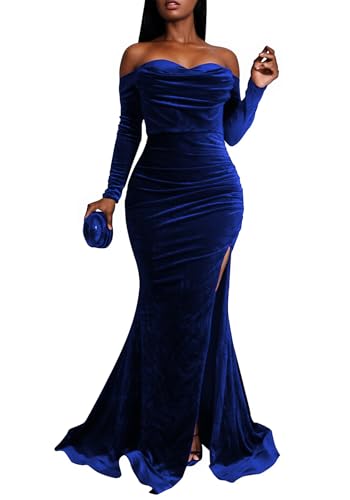
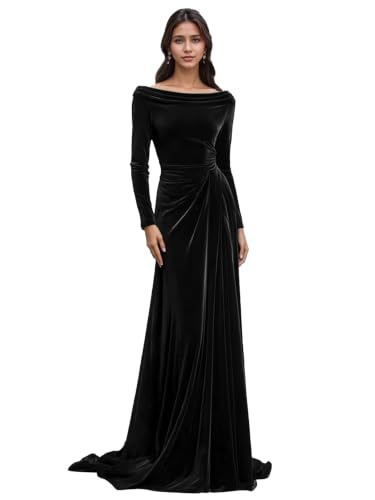
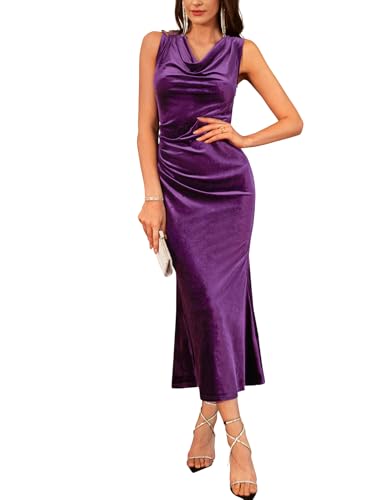
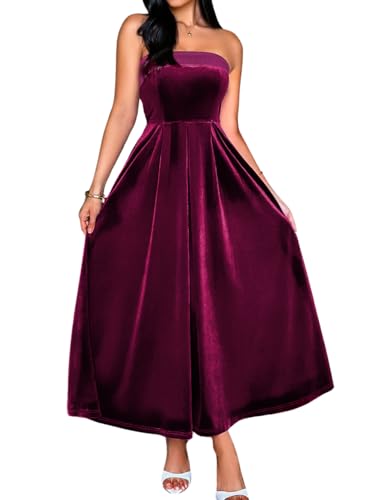
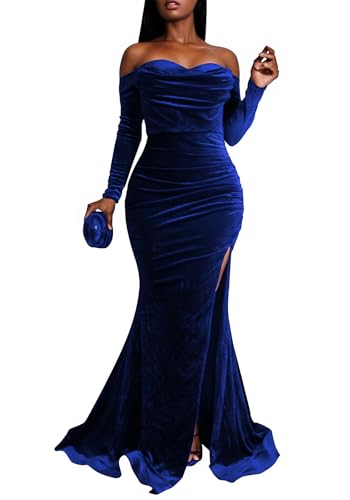
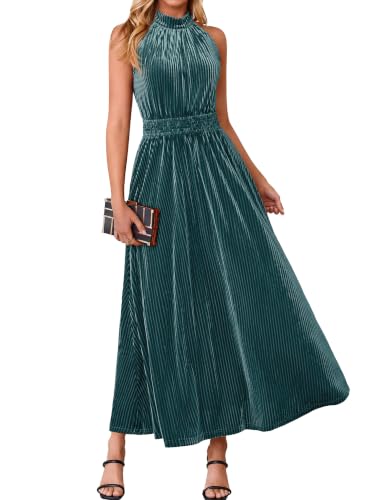
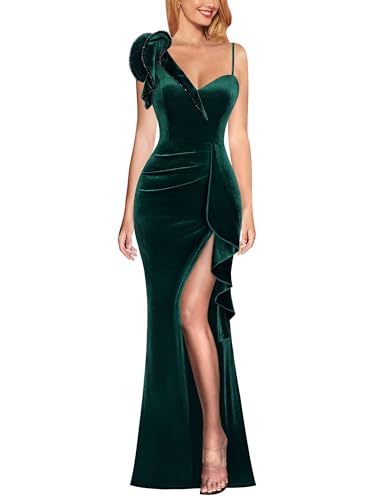
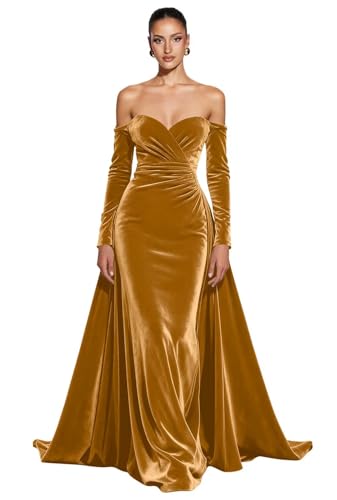
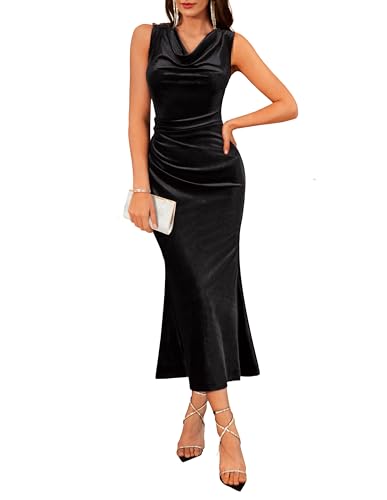
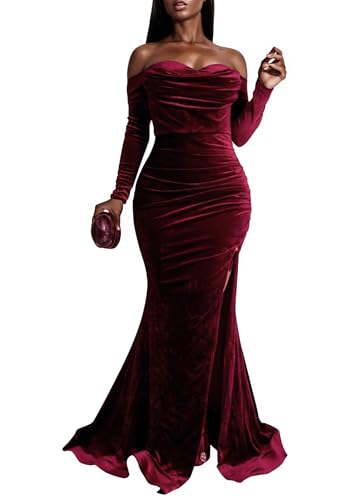
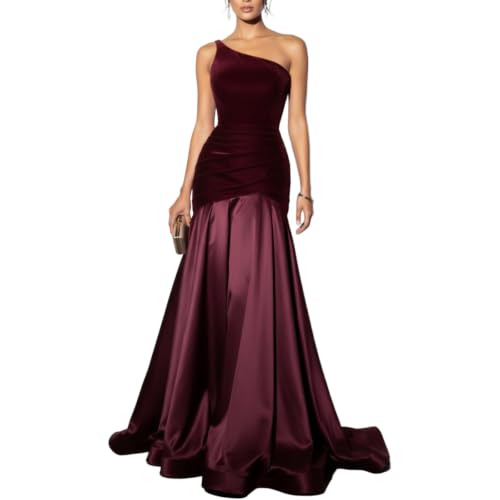
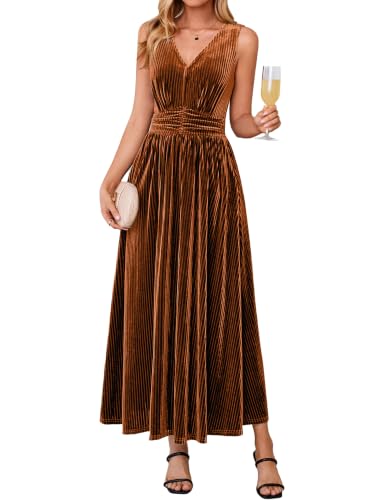
Velvet Prom Dresses offer a plush surface with deeper color and a softer, light-absorbing finish than satin or sequins. They can feel especially dramatic in black, burgundy, navy, emerald, and purple, but the pile direction and lighting can change how the shade appears from one photo to the next.
For US prom shoppers, velvet is as much a comfort decision as a style decision. Check fabric weight, stretch, lining, venue temperature, and whether the pile feels smooth at the underarms and seams. Fitted velvet can show pressure and drag differently from woven satin, while embellished velvet may become significantly heavier.
Compare fabric and silhouette alternatives through satin prom dresses, long sleeve prom dresses, mermaid prom dresses, and the full prom dresses collection.







Frequently Asked Questions About Velvet Prom Dresses
Is velvet too warm for prom?
Velvet can retain more warmth than chiffon or light mesh, so consider venue temperature, season, sleeve coverage, and how long you will be indoors.
What is the difference between velvet and velour?
Both have a pile surface, but fiber, knit or woven construction, stretch, sheen, and hand can differ. Use the exact material description rather than the visual appearance alone.
Why does velvet look different in photos?
Its pile changes how light is absorbed and reflected, so the color can appear deeper or lighter depending on direction, flash, and camera angle.
What silhouettes work well in velvet?
Fitted columns, mermaids, one-shoulder gowns, long-sleeve dresses, strapless gowns, and mixed-fabric ball gowns can all use velvet effectively.
Can velvet be altered?
Yes, but pile direction, seam impressions, stretch, embellishment, and matching fabric can make some changes more demanding.
How should I store a velvet prom dress?
Follow the care label, avoid crushing the pile under heavy garments, and use a breathable garment bag with enough room to prevent hard creases.
What should I verify before ordering?
Check whether the dress is true velvet or another plush fabric, the stretch content, lining, weight, support, size chart, delivery, and returns.
Why Velvet Looks Different From Satin
Velvet has a raised pile that creates directional depth rather than a smooth mirror-like shine. As the wearer moves, sections may appear darker or lighter depending on pile direction and the angle of the light.
Stretch Velvet vs Structured Velvet
Some prom velvets contain stretch and follow the body closely; others rely on woven structure and seams. Stretch can improve movement but does not replace correct hip, waist, and bust sizing. Check the fiber content and lining because a non-stretch lining can limit an otherwise flexible shell.
Temperature and Venue Comfort
Velvet generally feels warmer than chiffon, organza, or lightweight tulle. For a heated ballroom or late-spring event, sleeveless or open-back construction may feel more comfortable than long sleeves. For cooler arrivals, velvet can reduce the need for heavy outerwear.
Silhouettes and Current Designer Details
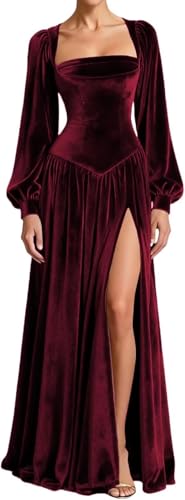
Designer velvet collections include one-shoulder gowns, mermaids, strapless sweetheart dresses, high slits, crystal trim, bows, long sleeves, and mixed velvet bodices. These details can change weight and where the fabric needs to stretch.
Pressure Marks, Crushing, and Care
Velvet can show flattened pile where it is tightly packed, pressed, or stored under weight. Follow the care label and avoid aggressive ironing. A professional cleaner familiar with formalwear may be safer for heavily embellished or structured velvet.
Alterations in Velvet
Tailoring can be more visible because old seam lines or pressed pile may leave marks. Ask how side seams, darts, hems, or straps will be handled before committing to major changes.
Photography Under Flash and Stage Lighting
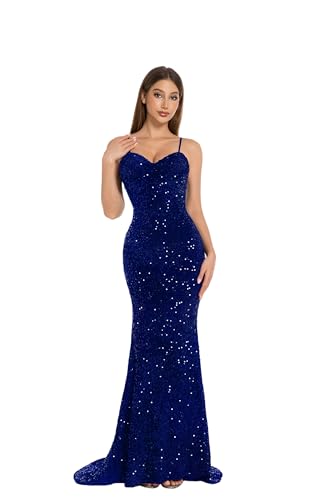
Velvet often photographs with rich depth rather than high glare, but rhinestones, sequins, or metallic trim can create bright contrast. Test flash to make sure the fabric does not appear unexpectedly patchy from pile direction.
Choosing Among Velvet Prom Dresses
Prioritize fabric feel, temperature, stretch, lining, movement, and the exact shade under real light. A velvet gown should look luxurious without becoming too heavy, hot, or restrictive for the event.
Crushed Velvet, Stretch Velvet, and Burnout Velvet
Velvet prom dresses can use several constructions that look and feel different. Stretch velvet usually follows the body more closely and works well for fitted or mermaid silhouettes. Crushed velvet has an intentionally irregular nap that reflects light in multiple directions. Burnout velvet creates patterned sheer and opaque areas, so lining and underlayers become part of the design.
These fabric types should not be treated as interchangeable. A structured woven velvet may hold a corset or A-line shape better than a soft stretch velvet, while burnout designs can require more careful coverage checks. Compare fabric behavior rather than buying from the word “velvet” alone.
Velvet Mermaid, Fitted, One-Shoulder, and Long-Sleeve Prom Dresses
Velvet naturally creates depth in fitted silhouettes because the pile emphasizes curves and seam lines. Mermaid velvet prom dresses should allow comfortable movement through the thighs and knees; one-shoulder velvet gowns need stable bodice support; long-sleeve velvet styles require enough upper-arm and elbow ease so the fabric does not pull or twist.
A strapless velvet dress may use internal boning and cups to carry the skirt weight, while a slit can improve stride in a close-fitting skirt. If you prefer a smoother, more reflective fabric, compare satin prom dresses.
Best Colors for Velvet Prom Dresses
Black, burgundy, emerald, navy, plum, and deep purple are popular velvet families because the pile gives dark shades visible depth instead of reading flat. Lighter velvet can be striking too, but pressure marks, shading, and pile direction may be easier to notice. Always view the received dress in several lighting conditions because velvet can appear lighter when the nap faces the camera and deeper when it faces away.
When coordinating accessories, use the actual dress rather than the online swatch. Silver, gold, black, crystal, and tonal accessories can all work, but matching should follow the garment’s undertone and visible hardware.
Velvet Prom Dresses for Winter, Spring, and Warm Venues
Velvet is often associated with cooler weather because it can feel warmer than chiffon, mesh, or lightweight satin, but prom venue temperature matters more than the calendar. A heavily lined velvet gown may become uncomfortable in a crowded dance room even if the evening outside is cool. Sleeveless or slit styles can reduce heat without losing the velvet look.
If the event involves outdoor photos, transportation, and a warm indoor venue, rehearse the full outfit for at least fifteen minutes. Check underarm comfort, perspiration visibility, lining breathability, and whether outerwear crushes the pile.
How to Steam, Store, and Protect Velvet
Velvet pile can flatten under pressure, so storage and steaming require more care than smooth woven fabric. Hang the dress with enough space that other garments do not press against the surface. Follow the care label and avoid placing a hot iron directly on the pile. If steaming is permitted, use distance and let the fabric relax rather than forcing creases flat.
During transport, avoid folding heavy embellishment against plain velvet because beads can leave impressions. A breathable garment bag is preferable for keeping dust away while allowing the fabric to hang without compression.
Velvet Alterations and Seam Marks
Taking in velvet can leave visible needle or seam impressions, especially when the new seam line sits close to the original. Hem changes can also alter the way the nap falls at the bottom edge. Ask an experienced formalwear tailor how much the dress can realistically be adjusted before ordering a size that needs major reshaping.
For beaded or crystal-trimmed velvet, alterations may require removing decoration first. A simpler fitted velvet gown can be easier to modify, but stretch recovery still matters. If the fabric bags at the seat or knees after movement, shortening or taking in the dress may not solve the underlying material behavior.
Beaded, Crystal, and Embellished Velvet Prom Dresses
Velvet can carry rhinestones, crystal trim, gold embellishment, beaded necklines, and appliqué, but decoration changes the way the fabric hangs. Dense beadwork adds weight to a material that may already feel substantial, while crystals near the underarm or neckline can create friction. Check whether the embellished area stays flat when seated and whether the dress pulls downward from the bodice.
Decoration also affects care. Beads can press into the pile during storage, and glued stones may react poorly to heat. If the dress needs taking in, ask whether embellishment crosses the alteration seam. For a cleaner fabric-led look, choose velvet with minimal surface detail and let the pile, silhouette, slit, or neckline create the visual effect.