
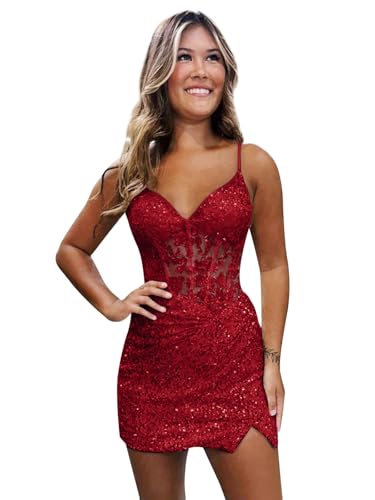
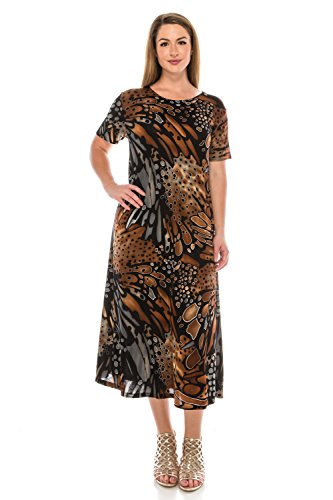
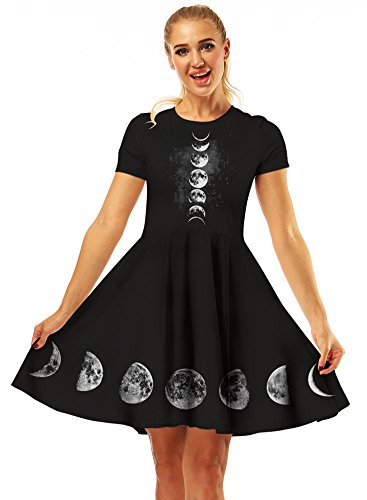
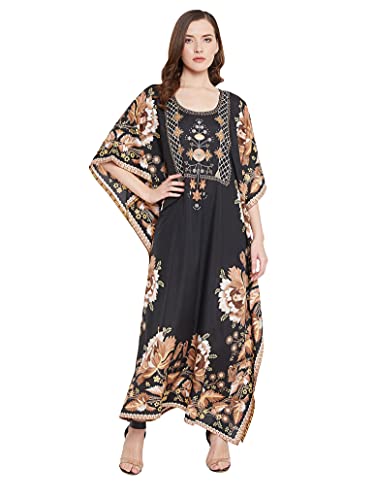
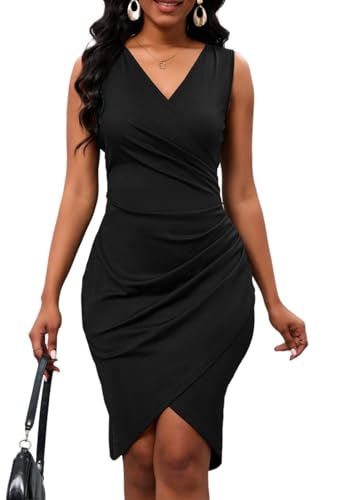
Shop Always Pretty Dresses for Special Occasions

Explore Always Pretty dresses that may suit a mother of the bride or groom, wedding guest, formal dinner, gala, prom, or other special event. Marketplace availability can include older evening gowns, long dresses, sleeved styles, fitted silhouettes, A-line designs, and embellished occasion dresses in limited sizes and colors.

Always Pretty has a limited and inconsistent U.S. marketplace presence, so verify the photographed brand label, style code, condition, measurements, seller, delivery date, and return terms on the exact listing. Always Pretty is not the same name as Ever-Pretty. If you need a wider current selection, compare all mother-of-the-bride dresses.

Affiliate disclosure: As an Amazon Associate I earn from qualifying purchases. MotherBrideDress.com does not sell or ship these items. Prices, sizes, colors, stock, seller details, item condition, shipping, and return terms are controlled by Amazon or the individual seller and may change. Verify the exact product page before ordering.

Showing 1–30 of 76 resultsSorted by latest

Always Pretty Dresses FAQ

Question

Is Always Pretty the same brand as Ever-Pretty?

Answer

No. Always Pretty and Ever-Pretty should not be treated as interchangeable brand names. Ever-Pretty has a separate active dress business and its own category on this site. Confirm the exact neck label, care label, manufacturer, and product title before assigning or buying a dress.

Question

Are Always Pretty dresses still available online?

Answer

Always Pretty dresses may appear through limited, older, boutique, discontinued, or pre-owned marketplace listings rather than a broad current U.S. collection. Availability can be restricted to one size, color, or seller. Verify the label, measurements, condition, seller, delivery date, and return terms on the exact offer.

Question

Can an Always Pretty dress work for a mother of the bride or groom?

Answer

Yes, a verified Always Pretty evening gown, formal A-line dress, refined midi, sleeved style, or embellished dress may work if its color, coverage, condition, and formality match the wedding. Ask about the couple's dress code and palette, then test sitting, walking, sleeve movement, and neckline security.

Question

Do Always Pretty dresses run true to size?

Answer

There is no dependable brand-wide sizing rule for limited or older Always Pretty inventory. Fit can change with the style, production period, fabric, lining, stretch, and previous alterations. Compare your current bust, waist, hips, upper arms, and required length with actual garment measurements.

Question

How can I verify an Always Pretty dress listing?

Answer

Check that the product title, photographed neck label, care label, manufacturer field, and style code consistently identify Always Pretty. Reject unrelated “The Summer I Turned Pretty” merchandise, Always feminine-care products, generic keyword matches, and Ever-Pretty dresses. Ask the seller when the brand or item condition is unclear.

Question

What should I inspect on an older or pre-owned formal dress?

Answer

Inspect the labels, zipper, hooks, boning, underarms, neckline, lining, seams, hem, lace, and embellished areas. Ask about stains, odor, storage, cleaning, smoke, pets, missing decoration, and previous alterations. Compare the current garment measurements with the listing before removing tags or arranging tailoring.

Question

Where can I buy the Always Pretty dresses shown on this page?

Answer

The product buttons on this page lead to Amazon listings. MotherBrideDress.com helps shoppers discover and compare products but does not sell, stock, ship, or accept returns for them. Verify the brand, seller, condition, selected size and color, current price, delivery estimate, and return terms on the exact Amazon product page.

Question

Does MotherBrideDress.com earn a commission from these dresses?

Answer

Yes. As an Amazon Associate, MotherBrideDress.com earns from qualifying purchases. This does not change the price you pay. Review the exact dress, selected variation, seller, item condition, price, shipping information, and return terms before placing an order.

How to Choose an Always Pretty Dress Online

Shopping for an Always Pretty dress requires more verification than buying from a major brand with a current U.S. catalog. Search results for this name are noisy. They can include genuine older formal dresses, products from unrelated labels, titles using the ordinary words “always” and “pretty,” merchandise connected with the television and book series The Summer I Turned Pretty, or results for the separate Ever-Pretty brand.

That ambiguity does not make every Always Pretty dress unsuitable. It means the brand name alone is weak buying evidence. The product should earn its place in this category through a clear label, consistent photos, a specific style description, useful measurements, and transparent seller terms. The guide below helps U.S. shoppers evaluate the actual garment without inventing a brand history or assuming that every indexed result belongs here.

Confirm That the Dress Is Actually Always Pretty

Start with the physical label. A genuine listing should show or clearly describe the brand as Always Pretty. Look for a photographed neck label, care label, hangtag, manufacturer field, or original style code. The title, description, item specifics, and photographs should agree. If the seller uses several different brand names on one page, the product should not be treated as verified.

Be careful with keyword-based marketplace results. A title such as “always pretty in pink,” “you will always look pretty,” or “The Summer I Turned Pretty” does not identify the Always Pretty dress label. Likewise, an Always feminine-care product has no relationship to this formalwear category. Every unrelated result weakens topical relevance and makes the page less useful.

Always Pretty and Ever-Pretty must not be merged casually. Ever-Pretty has an active dress business, official collections, and current Amazon listings. A product marked Ever-Pretty belongs on the separate Ever-Pretty category page. Changing or shortening that brand name creates inaccurate product information and encourages both ranking overlap and shopper confusion.

Understand Limited and Older Marketplace Availability

Always Pretty formalwear appears more clearly through older, regional, boutique, discontinued, and pre-owned listings than through a broad current U.S. retail collection. That affects how shoppers should interpret availability. A style may appear in one size, one color, or one seller's inventory without representing a current collection.

Limited stock can still be useful. Older formalwear may offer sleeves, coverage, structured silhouettes, fishtail skirts, embellishment, and traditional evening styling that are harder to find in trend-led collections. However, old stock and pre-owned garments require more careful inspection. Packaging, storage, fading, missing beads, prior alterations, and outdated size information can all affect the purchase.

Do not claim that a listing is “new season,” “official,” “authentic,” “in stock,” or available in a full size range unless the exact Amazon page supports that statement. Marketplace inventory can change quickly. A category description should guide the shopper, while the product page supplies the current seller, variation, price, shipping, and return details.

Match the Dress to the Wedding Dress Code

Mother of the bride or groom: A long gown, refined midi, dress with sleeves, embellished evening dress, or formal A-line style may suit the role when its color and formality match the couple's plans. Ask about the wedding palette and whether either mother has already selected a color. The goal is coordination, not an exact bridesmaid match.

Formal or black-tie wedding: Look for floor length, elevated fabric, secure construction, and a finish that looks appropriate under evening lighting. A long hem alone does not make a dress black-tie. Thin casual jersey, beach-style prints, or visibly inexpensive construction can still appear underdressed. Compare dedicated mother-of-the-bride evening dresses when the invitation requires a true gown.

Cocktail or semi-formal wedding: Knee-length, tea-length, and midi designs can work well. Look for a polished silhouette, event-ready fabric, comfortable neckline, and thoughtful detail. Browse more cocktail dresses if the Always Pretty selection does not provide the right size or level of formality.

Wedding guest: A guest has more flexibility than a mother in the ceremony, but the invitation still controls the choice. A fitted midi, printed dress, long evening style, or sleeved design may work depending on the venue and time. Compare the site's broader wedding guest dresses for more current options.

Prom, gala, or formal dinner: Embellished bodices, dramatic skirts, fishtail hems, sweetheart necklines, and high-shine finishes may be suitable. Check whether the design supports sitting, walking, dining, and dancing. A dramatic photograph can hide a restrictive skirt or insecure neckline.

Compare Silhouettes Before Choosing a Size

A-line: An A-line dress is usually fitted through the upper body and widens toward the hem. It can provide easier movement through the hips and legs, but the bust, shoulders, and waist still need to align correctly. A wide skirt cannot compensate for a bodice that pulls or gaps.

Column or sheath: A straighter silhouette can look clean and formal, especially in a long length. It needs enough ease through the waist, hips, seat, and thighs. Test sitting and taking a full stride. Diagonal wrinkles, a rising hem, or an overstretched slit indicate that the dress is too tight.

Fishtail or mermaid: This shape follows the body before widening lower on the skirt. It can create a dramatic formal line but may restrict walking and stairs. Find out where the flare begins, how much stretch the fabric provides, and whether the hem can be shortened without changing the intended proportions.

Fit-and-flare: A fitted bodice with a fuller skirt can balance structure and movement. Check where the waist seam lands. If it sits above or below the natural waist, the bodice may wrinkle and the skirt may not open at the correct point.

One-shoulder or asymmetric: An asymmetric neckline can make a simple fabric feel more formal. The dress should stay level when both arms move. Check bra compatibility, underarm coverage, and the position of any side zipper. Compare additional one-shoulder dresses if secure support is a priority.

Check Fabric, Lining, and Embellishment

Marketplace descriptions may use broad terms such as satin, chiffon, lace, mesh, tulle, jersey, or sequin. Read the fiber content and construction details instead of treating a fabric word as proof of quality. “Satin” describes a surface and may be polyester rather than silk. “Chiffon” can be soft or stiff, and its comfort depends on the lining and seams.

Chiffon and layered skirts: Lightweight layers can move well and soften an A-line shape. Confirm the opacity and length of the lining. Inspect the hem for pulls, uneven layers, or snags, especially on an older or pre-owned gown.

Lace and mesh: These materials can provide formal detail and visual sleeve coverage. They do not automatically provide warmth or opacity. Check underarms, cuffs, neckline edges, and exposed seams for scratchiness. Lace attached across a zipper or side seam can make tailoring slower and more expensive.

Stretch knit or jersey: Stretch may improve sitting and movement, but it can reveal undergarment lines and pull across the hips. Ask for the exact fiber blend and lining. A seller's word “stretchy” does not explain whether the lining stretches with the outer fabric.

Sequins, beads, and rhinestones: Embellishment can raise the formality of a dress, but it adds inspection and alteration risks. Check close-up photos for missing pieces, loose threads, discoloration, or an uneven pattern. Decoration near the hem, side seams, zipper, or sleeve edges can make even a basic alteration costly.

Measure the Body and the Garment

There is no reliable evidence that every Always Pretty dress runs large, small, or true to size. Older labels, regional stock, varying silhouettes, stretch, lining, and prior alterations can all change fit. Your usual size in a current U.S. brand is only a starting point.

Measure over the bra and shapewear planned for the event. Use a flexible tape without pulling it tight. Then compare those numbers with the exact listing's size chart or, preferably, the garment's actual measurements. The site's women's dress size chart explains common size categories, but it cannot replace measurements from a particular dress.

  • Bust at the fullest point
  • Natural waist
  • Fullest hip and seat
  • Shoulder width and shoulder-to-waist length
  • Upper-arm circumference for sleeved styles
  • Shoulder-to-hem or center-back length
  • Slit height and the point where a fishtail begins
  • Comfortable ease for sitting, dining, walking, and dancing

Garment measurements should normally exceed body measurements in selected areas to allow movement. The amount depends on the fabric and silhouette. Compare the listing with a dress you already own that has a similar construction. Do not compare a stretchy unlined dress with a rigid, fully lined gown.

Petite and Plus-Size Fit Is About Proportion

A limited marketplace selection may tempt shoppers to order whichever labeled size appears. That is a mistake when the torso, armhole, waist position, or skirt proportions are wrong. Buying the closest number does not solve every fit problem.

Petite sizing can shorten the shoulder-to-waist length, adjust armholes, raise the knee and flare points, and reduce sleeve and hem length. Hemming a regular gown does not correct a waist seam that sits too low. Compare purpose-designed petite mother-of-the-bride dresses if several vertical proportions need adjustment.

Plus-size shoppers should check bust shaping, upper-arm room, waist placement, hip ease, lining stretch, and zipper length. A dress that closes while standing may still pull when seated. If the correct size is unavailable, browse plus-size mother-of-the-bride dresses instead of relying on aggressive shapewear or an uncertain alteration.

Test Sleeves, Necklines, and Support

Sleeves are useful only when they allow movement. Raise both arms, reach forward, bend the elbows, hug, and sit. Pulling across the upper back may come from the bodice or armhole rather than the sleeve width. Sheer mesh can look loose while offering very little stretch.

Sweetheart, V-neck, halter, boat, scoop, off-the-shoulder, and asymmetric necklines need different support. Check the planned bra before judging bodice fit. A different bra can change bust height, neckline coverage, and waist placement. If a listing uses unclear terminology, compare the site's dress neckline categories.

For a mother of the bride or groom, test coverage while bending, greeting guests, and sitting for photographs. Fashion tape or a small snap can secure minor movement. It should not be used to rescue a bodice that is substantially too small or poorly proportioned.

Choose a Wedding-Appropriate Color

Navy, teal, royal blue, burgundy, plum, gray, emerald, and muted metallic shades can work across many formal weddings. Ask the couple whether they want the mothers to coordinate and whether a color is reserved for bridesmaids. Coordination usually means harmony, not wearing an identical shade.

Avoid white, ivory, cream, or a mostly white print unless the couple explicitly approves it. Pale champagne, silver, blush, and light blue can photograph much lighter than expected. Check daylight, indoor lighting, and flash photos before removing tags or committing to alterations.

Black can suit city, evening, cocktail, and black-tie weddings, but family and cultural expectations vary. Refined jewelry, texture, a formal wrap, or a clutch can make black look celebratory. Accessories can elevate a suitable dress; they cannot turn a casual garment into a formal gown.

Inspect Old Stock and Pre-Owned Dresses Carefully

Read the condition field, not just the title. “New with tags,” “new without tags,” “new old stock,” “open box,” and “pre-owned” describe different risks. A stock photo may show the original style while the seller ships an individual garment with its own storage history or alterations.

Ask for current photographs of the neck label, care label, size tag, zipper, underarms, neckline, lining, hem, and embellished areas. Ask whether the dress has been altered, dry-cleaned, stored with fragrance, or exposed to smoke or pets. If it has been hemmed or taken in, the original label size no longer describes the actual garment.

Inspect the dress as soon as it arrives. Look for odor, makeup, deodorant marks, fading, pulls, pilling, loose seams, broken zippers, missing hooks, damaged boning, detached lining, and lost embellishment. Keep all packaging until you have checked the fit and the return requirements.

Estimate Alteration Difficulty Before Buying

Common formalwear alterations include hemming, shortening straps or sleeves, closing a low neckline, adjusting the waist, and taking in side seams. A plain dress may be straightforward. A fishtail shape, layered chiffon, lace motifs, boning, asymmetric construction, border design, or embellished hem may require specialized work.

Do not assume a tailor can add room. Older dresses may have narrow seam allowances, and fabric can show permanent needle marks or fading after seams are released. If the bust, upper arms, or hips are too small, choosing a larger garment and reducing easier areas is generally safer.

Get an alteration opinion before the return deadline when the dress needs more than a simple hem. The cost of restructuring an uncertain marketplace gown can exceed the value of buying a better-fitting current style. For more predictable contemporary options, compare Adrianna Papell dresses or browse all women's dresses.

Verify the Amazon Offer Before Ordering

MotherBrideDress.com is an affiliate discovery site, not the seller. Amazon or the individual marketplace seller controls the actual offer. One product page can attach different conditions, prices, shipping dates, and return terms to different sellers or variations.

  1. Confirm that the photographed label and manufacturer identify Always Pretty.
  2. Reject results connected with unrelated brands or ordinary keyword matches.
  3. Select the required size and color before judging price and delivery.
  4. Compare body measurements with actual garment measurements.
  5. Check fabric, lining, stretch, closure, care, and included pieces.
  6. Read the condition and ask whether the garment has been altered.
  7. Review current photos, seller feedback, shipping, and arrival date.
  8. Confirm the return window, return shipping, and any restocking terms.

The strongest choice is not the listing with the most dramatic title. It is the dress whose identity, measurements, condition, event suitability, seller, and return terms are clear. If no verified Always Pretty item meets those standards, choosing a better-documented dress from another brand is the rational decision.