
Red and Gold Prom Dress
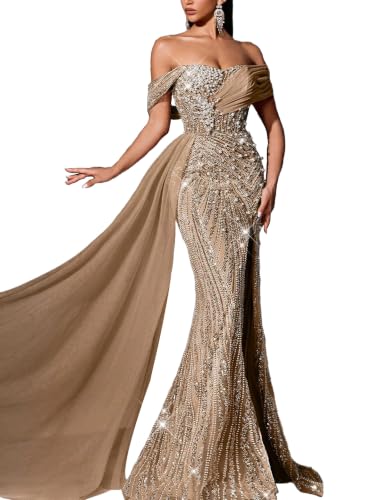
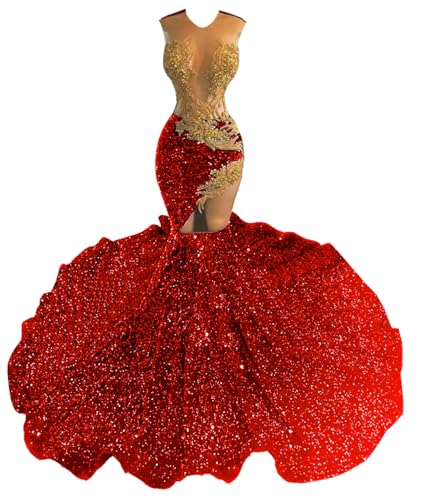
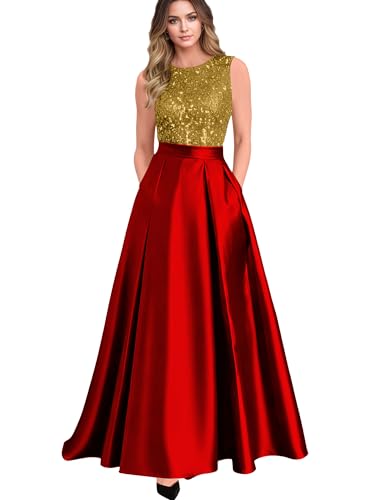
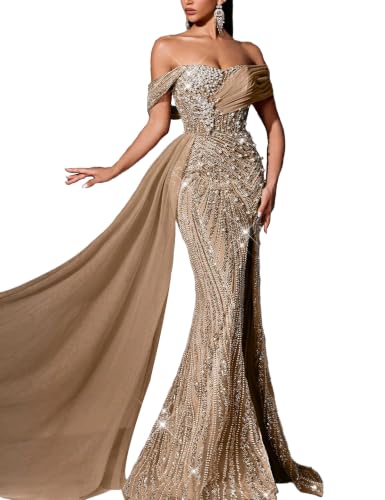
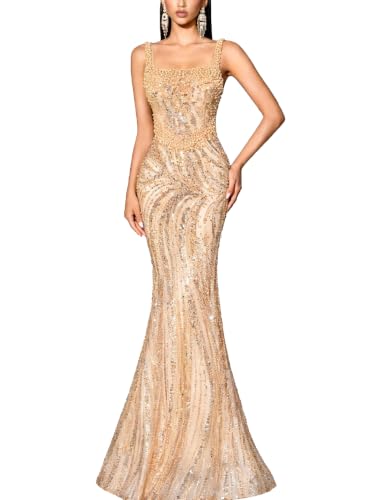
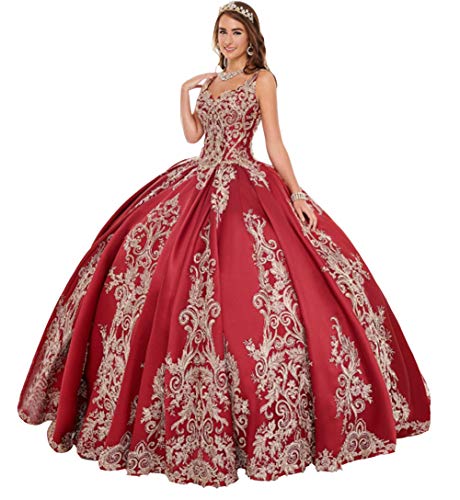
Red and Gold Prom Dress covers prom gowns where red and gold are both built into the garment through metallic embroidery, lace, sequins, beadwork, appliqué, brocade, foil print, corset panels, waistbands, or contrast motifs. Secondary searches include red and gold prom dresses, red prom dress with gold, burgundy and gold prom dress, red gold mermaid gown, red and gold ball gown, and red sequin gold prom dress. A solid red dress styled only with gold jewelry belongs on the broader red category instead.
For U.S. prom shoppers, the main decisions are the actual red and gold undertones, decoration weight, bodice support, motif placement, flash photography, and whether gold embellishment crosses seams that may need alteration. Yellow gold, champagne gold, antique gold, bronze-gold, and rose-gold accents can photograph very differently. Compare the exact selected variation and customer images rather than assuming every product labeled red and gold uses the same metal tone.
Related shopping paths include red prom dresses, gold prom dresses, red sparkly prom dresses, and red mermaid prom dresses. These categories help shoppers broaden by base color, metallic color, shine, or fitted silhouette.








Frequently Asked Questions About Red and Gold Prom Dress
What counts as a red and gold prom dress?
Both colors should be visibly built into the garment through fabric, embroidery, lace, sequins, beading, appliqué, print, or panels.
Which red shades work with gold?
Cherry, ruby, crimson, scarlet, wine, and burgundy can all work depending on the actual gold tone.
Which gold tones are common?
Yellow gold, champagne, antique gold, bronze-gold, and rose-gold accents are common.
Do gold sequins photograph brightly?
Yes. Flash can create strong reflections, while warm indoor light can push gold toward bronze.
Does embellishment add weight?
Dense beading, sequins, and metallic appliqué can add weight and affect bodice support.
What shoes work with red and gold?
Gold, bronze, black, nude, or carefully matched red shoes can work depending on hardware and venue.
Are red-and-gold gowns difficult to alter?
They can be when metallic lace, beadwork, embroidery, or motifs cross seams and hems.
How should jewelry be chosen?
Match the actual gold tone already visible on the dress and keep jewelry restrained when the gown is heavily embellished.
What should I verify before ordering?
Check exact shades, seller, measurements, lining, decoration method, delivery, returns, and alteration feasibility.
What Counts as a Red and Gold Prom Dress
The category should contain garments where both red and gold are visible on the dress itself. Gold can appear as embroidery, lace, sequins, beading, metallic thread, appliqué, printed motifs, buttons, or panels.
Do not classify a solid red gown as red and gold simply because the model is wearing gold earrings. Product-level color evidence keeps the category useful and prevents intent drift.
Red Shades: Cherry, Ruby, Crimson, Wine, and Burgundy
Bright red creates the strongest contrast with metallic gold, while burgundy and wine can produce a deeper evening look. Satin brightens the red under light; velvet absorbs light and can make the base appear darker.
Retail labels are inconsistent. Inspect the delivered fabric in daylight and flash before selecting accessories or assuming the red will match a date’s tie, corsage, or group theme.
Gold Tones and Metallic Finish
Yellow gold is warm and bright, champagne gold is softer, antique gold is muted, bronze adds brown depth, and rose gold introduces pink. Sequins and metallic embroidery can also shift toward silver in flash.
Coordinate jewelry with the visible metal already built into the gown. Mixing several gold temperatures can make a detailed dress look less cohesive.
Embroidery, Lace, Sequins, and Beading
Gold embroidery adds pattern without the full weight of dense beading. Metallic lace can cover larger areas, sequins create stronger reflections, and beads add dimension and weight. Each detail changes cleaning and alteration requirements.
Inspect close-up photos for loose threads, exposed glue, sharp bead backs, missing stones, or inconsistent motif alignment. These issues matter more on a high-contrast red base.
A-Line, Ball Gown, Mermaid, and Column Shapes
Red-and-gold designs work across silhouettes. Ball gowns can place gold detail heavily on the bodice and scatter motifs through tulle; mermaid gowns often use contrast appliqué along fitted seams; columns may use a simpler metallic border or waistband.
Choose silhouette from actual measurements, movement needs, and school rules. Decoration should enhance a dress that already fits rather than distract from structural problems.
Bodice Support Under Embellishment
Dense embroidery and beading can add significant weight to the top of a gown. Strapless, corset, sweetheart, and off-shoulder designs need stable cups, boning, closures, and torso fit.
Wear the dress for at least fifteen minutes and raise both arms. If the neckline drops or the skirt pulls the bodice downward, the support is not strong enough for the event.
Flash Photography and Ballroom Lighting
Metallic gold creates hotspots in flash and can shift toward bronze under warm ballroom light. Red satin can also reflect orange or pink highlights depending on camera processing.
Take test photos from several angles. Check whether the gold remains distinct, whether lining or cups become visible, and whether the color combination still looks balanced in group photos.
Shoes, Bags, and Jewelry
Gold, bronze, black, nude, or carefully matched red shoes can work. Choose a bag with a smooth surface if the dress includes lace or sequins to reduce snagging.
Jewelry should usually echo the dress metal rather than compete with it. A heavily embellished neckline may need only earrings, while a minimalist red gown with a gold belt can support more visible jewelry.
School Rules and Formality
Color does not determine school appropriateness. Check neckline, back, transparency, cutouts, slit height, midriff, and hem against the written prom policy.
Gold mesh, illusion panels, or lace may appear more transparent under tension. Evaluate seated and raised-arm coverage on the actual wearer.
Alterations Around Gold Motifs
Plain red satin seams are easier to adjust than metallic lace borders, gold appliqué, bead clusters, or motifs crossing the waist and hips. Moving a motif can leave visible needle marks or require replacement pieces.
Ask for a tailoring estimate before the return deadline. If several structural areas are wrong, returning the gown is usually safer than rebuilding an embellished design.
Seller Verification and Delivery
Verify the exact seller, selected red and gold variation, size chart, lining, decoration method, delivery date, and return terms. Marketplace product cards can group several colorways or sellers under one image.
Order early enough for inspection, one failed option, exchanges, alterations, steaming, and a full rehearsal. Metallic decoration also needs time for close inspection and minor repairs if permitted.
Total Look and Final Decision
Use one leading feature: gold corset embroidery, a metallic waistband, an embellished skirt, or a dramatic train. Accessories should support that feature rather than adding several unrelated focal points.
Keep the dress only when the gold detail is secure, the red shade is acceptable, the fit remains stable through movement, and the total outfit works in the lighting and venue planned for prom.