
Straight Dresses for Women
Straight Dresses for Women are defined by a relatively consistent line from the upper body through the skirt, with less flare than an A-line and less contour-and-flare shaping than a mermaid. Depending on construction, shoppers may also encounter related terms such as column dress, shift dress, straight-cut maxi, sheath, or pencil dress, but those labels are not perfectly interchangeable. For work events, cocktail occasions, weddings, dinners, graduations, and formal evenings, the useful fit questions are shoulder alignment, bust and hip ease, side-seam position, back vent or slit, fabric stretch, and whether the dress maintains a clean vertical line when seated and walking.
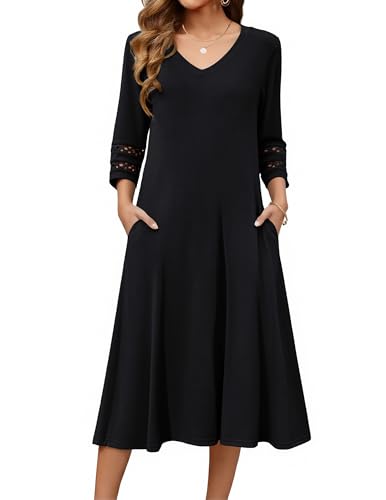
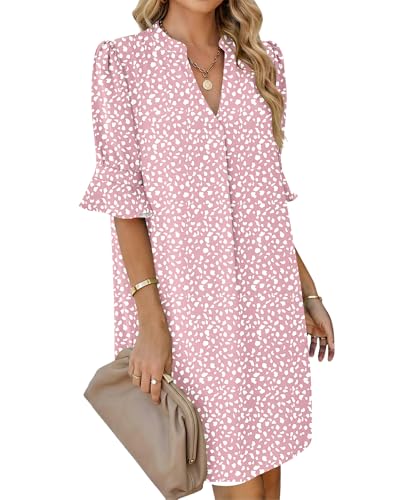
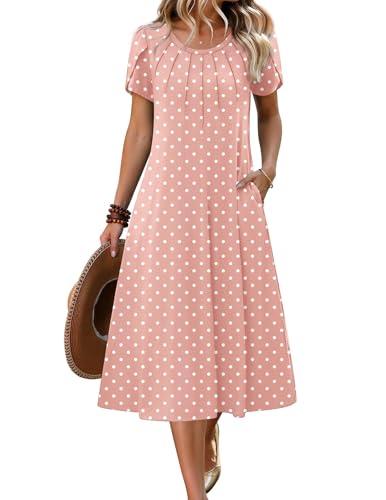
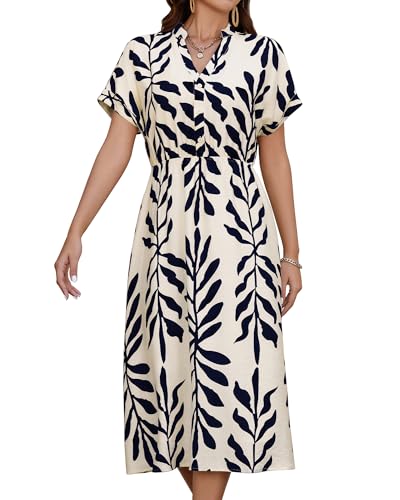
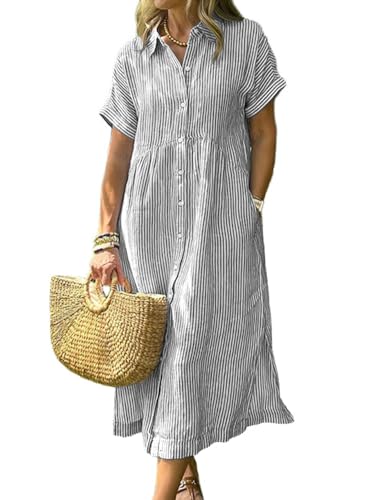
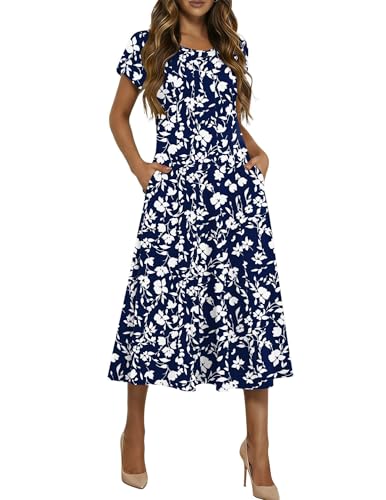
This live category currently contains many products that do not match straight-dress intent, so classification accuracy is essential. Use the page to compare actual straight silhouettes and move to related gowns for women, chiffon dresses, jacket dresses, or the broader dress styles hub when the desired silhouette changes.
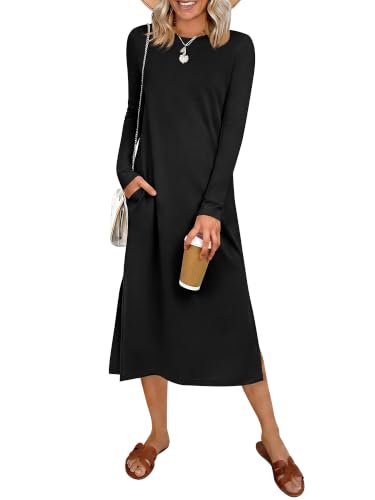
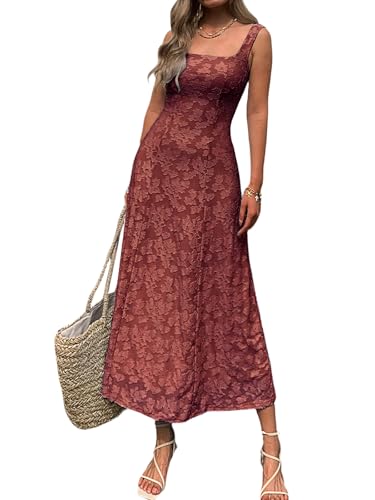
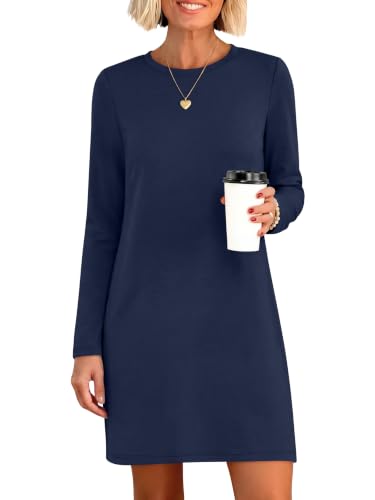
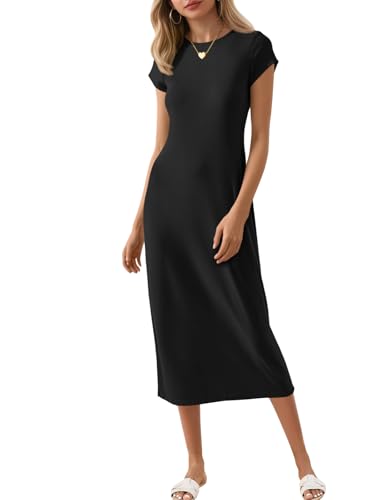







Frequently Asked Questions About Straight Dresses for Women
What is a straight dress?
A straight dress has limited flare from the upper body through the skirt, creating a relatively vertical silhouette compared with A-line, fit-and-flare, or ball-gown shapes.
Is a straight dress the same as a sheath dress?
Not always. Sheaths usually follow the body more closely and often use more waist shaping, while some straight dresses or shifts hang more loosely.
Why do straight dresses often have slits or vents?
A narrow skirt needs extra walking room. Back vents and side slits allow stride without adding full skirt flare.
Which measurements matter most?
Shoulder width, bust, waist, full hip, upper arm when sleeved, and dress length are especially important because the silhouette has limited forgiveness.
Which fabrics work well for straight dresses?
Crepe, ponte, jersey, satin, velvet, jacquard, and stretch wovens can all work, but each creates different structure, shine, and movement.
Can a straight dress be altered?
Yes, but side-seam balance, vents, lining, bias satin, and sequins can make some changes more technical.
What should I verify before ordering online?
Confirm the actual straight silhouette, hip ease, vent or slit, stretch, lining, seller-specific measurements, delivery, and returns.
Straight Dress, Column Dress, Sheath, and Shift
A straight dress has limited outward flare, but related silhouettes differ in fit. A column usually creates a long narrow formal line; a sheath follows the body more closely and often includes waist shaping; a shift hangs more loosely from the shoulders with minimal waist definition. Product titles frequently blur these terms, so evaluate the pattern lines and actual photos.
The category should exclude full A-lines, ball gowns, fit-and-flare dresses, and mermaids because their defining construction is different.
Shoulder Alignment Creates the Vertical Line
When a straight dress hangs from the shoulders, poor shoulder fit can make the entire garment twist. Shoulder seams should sit near the natural shoulder point, and armholes should lie flat without pulling toward the neck or dropping too low.
For sleeveless designs, check side coverage and bra visibility. For sleeved versions, measure upper arms and confirm that sleeve tension does not drag the bodice sideways.
Bust Ease Without Gaping or Pulling
A straight cut still needs shaping for the bust. Darts, princess seams, stretch, or draping can create room without turning the dress into a fitted hourglass silhouette. Horizontal pulling across the bust, a gaping armhole, or a neckline that lifts away from the chest signals poor proportion.
Choose the size that accommodates the least flexible area, then tailor easier sections rather than forcing a smaller size to maintain a narrow appearance.
Hip and Thigh Ease
Because the skirt does not flare dramatically, full hip and thigh measurements are important. A straight midi or column can look clean while standing but ride upward when walking if the hip area is too tight. Lining must also have enough circumference; a roomy outer fabric cannot compensate for a narrow lining.
Test a long stride and sit for at least ten minutes. Side seams should remain approximately vertical instead of pulling toward the front or back.
Back Vents, Side Slits, and Walking Room
Straight skirts often need a back vent or side slit to allow normal stride. The opening should be long enough for movement without rising higher than desired when seated. On work or church dresses, slit height may be modest; formal columns may use a higher side slit intentionally.
Check vent construction after hemming because shortening a dress can change the proportion between total length and slit depth.
Stretch Crepe, Ponte, Satin, Jersey, and Woven Fabrics
Stretch crepe and ponte can support a clean straight line while allowing movement. Jersey is softer and can cling more closely. Satin reflects tension and may show every pull line, while non-stretch woven crepe or jacquard requires more exact fit through the hips and shoulders.
Read fiber content when possible. A small amount of elastane in the outer shell does not guarantee that the lining stretches.
Straight Midi Dresses for Work and Events
Midi-length straight dresses can work for offices, business dinners, graduations, cocktail events, and religious ceremonies depending on neckline and fabric. A structured crepe midi with sleeves reads differently from a satin slip-style column, even if both have relatively straight skirts.
Consider seated hem position, especially for knee and midi lengths. A narrow skirt can rise several inches when sitting.
Straight Maxi and Formal Column Dresses
Long straight gowns emphasize vertical length and often use satin, crepe, velvet, sequins, or chiffon overlays. Floor-length columns need careful shoe and hem planning because there is less skirt volume to hide an uneven hem or footwear.
If the dress has no vent or stretch, a floor-length straight skirt can severely restrict walking. Confirm stride before approving the fit.
Necklines and Sleeve Proportion
Boat, square, crew, V-neck, mock-neck, cowl, one-shoulder, and strapless necklines can all work with a straight silhouette. The upper detail often becomes the visual focus because the skirt shape is restrained.
Use sleeves and neckline to match occasion formality, but do not let decorative details hide fit issues such as pulling armholes or an unstable strapless bodice.
Belts, Seams, and Waist Definition
A straight dress can include a belt or subtle waist seam without becoming fit-and-flare. The distinction is whether the skirt continues in a mostly straight path rather than widening dramatically below the waist. Removable belts allow the wearer to add shape while preserving the underlying cut.
A tight belt can cause fabric to blouse above it and bunch below, which may defeat the clean line. Check the dress both belted and unbelted.
Alterations to Straight Dresses
Straight silhouettes expose tailoring errors because side seams and hems are visually simple. Taking in the waist or hip should preserve vertical seam balance, while shortening a vented skirt requires maintaining the opening proportion. Bias satin and sequin columns need specialist handling.
If the dress twists before alterations, identify whether the problem comes from uneven shoulders, grain alignment, or a size mismatch rather than assuming a side seam can fix everything.
How to Shop a Straight Dress Online
Use front, side, and back images to confirm the vertical line. Then compare shoulder width, bust, waist, hip, garment length, slit or vent, fabric stretch, lining, zipper, and care instructions. Reviews are most useful when they mention hip fit, riding, and whether the dress stays straight during movement.
For marketplace listings, the selected variation may change fabric or length. Verify the exact size and color rather than assuming every option shown on one product page has identical construction.