
Fitted Dresses for Women
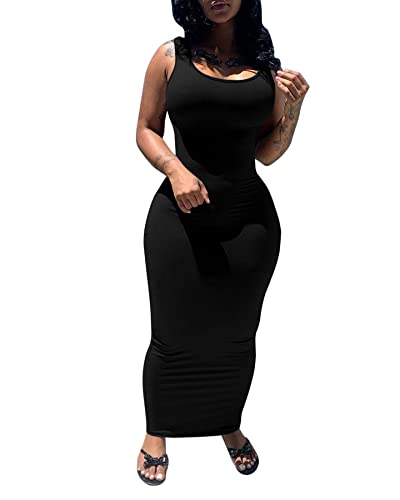
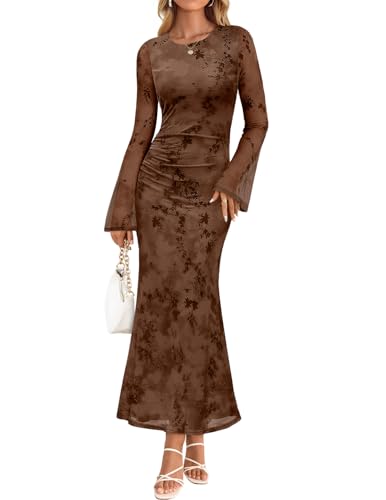
fitted dresses for women include shaped silhouettes for work, cocktail parties, weddings, dinners, date nights, graduations, homecoming, formal events, and selected casual outfits. The product grid below contains 179 current category products and may cover bodycon minis, sheath dresses, fitted midis, rib knits, satin styles, lace, long sleeves, ruched dresses, plus-size options, and structured formal designs. Compare silhouette, fabric, length, neckline, sleeves, closure, and event suitability rather than choosing from one styled photograph.Fitted can describe close bodycon stretch, tailored sheath construction, strategic seams, or a shaped bodice with a less narrow skirt. Sizing and product terminology vary across sellers, so verify current measurements, material, lining, care, delivery, and return terms on the final retailer page. A suitable dress should remain secure while sitting, walking, reaching, and wearing the intended shoes or underlayers.Related shopping paths include styles of dresses, sheath dresses, casual bodycon dresses, and fit-and-flare dresses. These internal categories separate the broader Styles of Dresses intent from size, color, silhouette, length, and occasion-specific searches.





XYAYE Off Shoulder Sweet 15 16 Quinceanera Dresses Ball Gown for Women 2021 Princess Lace Tulle Prom Dresses Sky Blue 6
Original price was: $147.99.$138.99Current price is: $138.99.

Frequently Asked Questions About Fitted Dresses for Women
What is a fitted dress?
A fitted dress follows the body through seams, darts, panels, or stretch. It may be bodycon, sheath, tailored, ruched, or fitted only through the bodice.
How should a fitted dress fit?
It should remain smooth and secure without restricting breathing, sitting, walking, or arm movement. Stress lines and riding hems can indicate poor fit.
What is the difference between bodycon and sheath?
Bodycon usually relies on stretch for a close fit, while sheath dresses often use tailored seams and more structured fabric.
Can fitted dresses be worn to work?
Yes, when the neckline, hem, fabric, and fit meet workplace expectations and appear tailored rather than strained.
Are fitted dresses appropriate for weddings?
Yes, when the invitation, venue, color, coverage, and fabric are suitable for the event.
Do fitted dresses work in plus sizes?
Yes. Use exact bust, waist, hip, seat, shoulder, upper-arm, and length measurements and check the lining.
Should I use shapewear?
Shapewear is optional. It should be comfortable and should not be required to close or tolerate an undersized garment.
Can fitted dresses be altered?
Many can be adjusted at seams or hems. Stretch fabric, lining, ruching, zippers, lace, and embellishment may complicate changes.
What should I verify on the retailer page?
Check seller, size chart, stretch, lining, seams, closure, length, delivery, returns, and care.
What a Fitted Dress Means
Fitted describes several constructions and should not be treated as one silhouette. Review close stretch, tailored seams, darts, and shaped panels before focusing on decoration. Next, compare bodycon versus sheath versus fitted bodice and confirm the role of lining and fabric with the intended undergarments, shoes, or outerwear. A complete home fitting is more useful than an isolated standing pose.
During the home trial, test close stretch, tailored seams, darts, and shaped panels while seated and repeat the check after several minutes. Inspect bodycon versus sheath versus fitted bodice from multiple angles and verify that the role of lining and fabric remains stable when the wearer reaches, turns, and walks. Keep tags and packaging until every requirement passes.
Bodycon Versus Sheath Dresses
Bodycon and sheath styles can look similar in photographs while behaving differently. For fitted dresses for women, stretch-dependent close fit affects both appearance and function. The value of tailored shaping with structured fabric becomes clearer from front, side, and back views, while sheath dresses for women must be tested in motion. The final choice should meet the event without depending on repeated adjustment.
During the home trial, test stretch-dependent close fit while seated and repeat the check after several minutes. Inspect tailored shaping with structured fabric from multiple angles and verify that sheath dresses for women remains stable when the wearer reaches, turns, and walks. Keep tags and packaging until every requirement passes, with this point applied specifically to Fitted Dresses for Women during the Bodycon Versus Sheath Dresses review.
How a Fitted Dress Should Fit
A fitted dress should follow the design without restricting normal movement. The practical issue is how smooth seams and intended shaping works with normal breathing, sitting, and walking. For fitted dresses for women, avoiding horizontal stress lines and twisted hems may become the least flexible or most visible part of the dress. Inspect all layers and closures rather than assuming one adjustable feature solves the complete fit.
The wearer should breathe normally, sit, use stairs, and move through the planned occasion. If smooth seams and intended shaping creates pressure or normal breathing, sitting, and walking shifts, another cut may be more suitable. Do not use avoiding horizontal stress lines and twisted hems to justify keeping a fundamentally incorrect fit.
Stretch and Fabric Recovery
Stretch is useful only when the fabric returns to shape and remains opaque. Rank jersey, rib knit, ponte, crepe, and elastane blends, stretch direction and recovery after sitting, and thin-fabric transparency according to the event. This makes comparison more consistent and prevents temporary trends from overriding fit or dress-code requirements. The garment should support the full schedule from arrival through seated portions and movement.
For an important event, leave enough time to exchange the garment if jersey, rib knit, ponte, crepe, and elastane blends or stretch direction and recovery after sitting differs from the listing. A tailor may correct a simple issue, but thin-fabric transparency can make alterations expensive or structurally unwise. Request advice before the return deadline.
Lining and Internal Construction
The interior can be more restrictive than the visible outer layer. A reliable decision balances rigid lining beneath stretch fabric, boning, cups, zippers, and vents, and seam allowance and alteration potential. No decorative feature should force the wearer to accept restricted movement, uncertain measurements, or unsuitable care. When two listings appear similar, prefer the one with clearer evidence and stronger return protection.
A useful listing should explain rigid lining beneath stretch fabric, show boning, cups, zippers, and vents, and provide enough information to assess seam allowance and alteration potential. When those details are missing, reliable return terms become more important. Avoid nonreturnable purchases based on guessed measurements.
Casual Fitted Dresses
Casual fitted dresses should tolerate sitting and repeated care without losing shape. A reliable decision balances rib knit, jersey, T-shirt, sweater, and simple mini styles, washability and everyday comfort, and casual bodycon dresses. No decorative feature should force the wearer to accept restricted movement, uncertain measurements, or unsuitable care, with this point applied specifically to Fitted Dresses for Women during the Casual Fitted Dresses review. When two listings appear similar, prefer the one with clearer evidence and stronger return protection, with this point applied specifically to Fitted Dresses for Women during the Casual Fitted Dresses review.
Photograph the received dress in daylight and venue-like lighting. This is useful for judging rib knit, jersey, T-shirt, sweater, and simple mini styles, while a movement test reveals problems involving washability and everyday comfort. Read the care label early because casual bodycon dresses may affect steaming, cleaning, packing, and storage.
Work Fitted Dresses
A fitted work dress should look tailored rather than strained. Consider sheath, ponte, crepe, and structured midi options within the entire outfit. Shoes, foundation garments, bags, and coats may change the way professional neckline and seated hem performs, while women’s work dresses can affect tailoring and care. Complete that review before tags are removed or alterations begin.
The wearer should breathe normally, sit, use stairs, and move through the planned occasion, with this point applied specifically to Fitted Dresses for Women during the Work Fitted Dresses review. If sheath, ponte, crepe, and structured midi options creates pressure or professional neckline and seated hem shifts, another cut may be more suitable. Do not use women’s work dresses to justify keeping a fundamentally incorrect fit.
Cocktail and Party Fitted Dresses
Party dresses should remain secure during movement and extended wear. Begin with satin, lace, sequins, velvet, and ruched styles, then examine how it interacts with dancing, standing, and seated coverage. In this category, cocktail dresses often determines whether the garment remains practical while sitting, walking, reaching, or wearing outer layers. Product photographs should support—not replace—the listing specifications.
Plan the complete outfit before the return deadline. The bra or layer may alter satin, lace, sequins, velvet, and ruched styles; shoe height can change dancing, standing, and seated coverage; and cocktail dresses may determine whether the dress survives travel and repeated wear. The final rehearsal should match the real event.
Wedding Guest Fitted Dresses
A fitted wedding guest dress should respect the event before emphasizing the silhouette. Review invitation, venue, color, and ceremony customs before focusing on decoration. Next, compare midi, lace, satin, and formal crepe and confirm wedding guest dresses with the intended undergarments, shoes, or outerwear. A complete home fitting is more useful than an isolated standing pose, with this point applied specifically to Fitted Dresses for Women during the Wedding Guest Fitted Dresses review.
Use a written comparison that records invitation, venue, color, and ceremony customs, midi, lace, satin, and formal crepe, and wedding guest dresses for each candidate. This is more dependable than remembering several similar marketplace pages. Remove products that miss a critical measurement, date, or policy before comparing accessories.
Formal Fitted Dresses
Formal fitted gowns need sufficient stride, seated comfort, and hem control. Consider long columns, fitted bodices, mermaid-adjacent skirts, and satin within the entire outfit. Shoes, foundation garments, bags, and coats may change the way vents, slits, and walking room performs, while formal dresses can affect tailoring and care. Complete that review before tags are removed or alterations begin, with this point applied specifically to Fitted Dresses for Women during the Formal Fitted Dresses review.
Photograph the received dress in daylight and venue-like lighting, with this point applied specifically to Fitted Dresses for Women during the Formal Fitted Dresses review. This is useful for judging long columns, fitted bodices, mermaid-adjacent skirts, and satin, while a movement test reveals problems involving vents, slits, and walking room. Read the care label early because formal dresses may affect steaming, cleaning, packing, and storage.
Ruching and Draping
Ruching can add texture but should not be treated as a substitute for correct sizing. For fitted dresses for women, fabric distribution and seam placement affects both appearance and function. The value of fixed versus adjustable gathering becomes clearer from front, side, and back views, while how ruching changes while seated must be tested in motion. The final choice should meet the event without depending on repeated adjustment, with this point applied specifically to Fitted Dresses for Women during the Ruching and Draping review.
For an important event, leave enough time to exchange the garment if fabric distribution and seam placement or fixed versus adjustable gathering differs from the listing. A tailor may correct a simple issue, but how ruching changes while seated can make alterations expensive or structurally unwise. Request advice before the return deadline.
Necklines and Sleeves
The upper body can become restrictive even when the skirt stretches. A reliable decision balances strapless, square, V, high, off-shoulder, and long sleeves, bra compatibility and upper-arm fit, and neckline categories. No decorative feature should force the wearer to accept restricted movement, uncertain measurements, or unsuitable care, with this point applied specifically to Fitted Dresses for Women during the Necklines and Sleeves review. When two listings appear similar, prefer the one with clearer evidence and stronger return protection, with this point applied specifically to Fitted Dresses for Women during the Necklines and Sleeves review.
A useful listing should explain strapless, square, V, high, off-shoulder, and long sleeves, show bra compatibility and upper-arm fit, and provide enough information to assess neckline categories. When those details are missing, reliable return terms become more important, with this point applied specifically to Fitted Dresses for Women during the Necklines and Sleeves review. Avoid nonreturnable purchases based on guessed measurements.
Mini, Midi, and Maxi Fitted Lengths
Fitted hems may rise during movement and should be tested at their shortest point. Marketplace titles may emphasize actual garment measurement, but the product page should also document riding hems and seated coverage. For fitted dresses for women, dresses by length reveals whether the design has been built for real use or simply styled effectively for photographs. Use measurable details whenever possible.
For an important event, leave enough time to exchange the garment if actual garment measurement or riding hems and seated coverage differs from the listing. A tailor may correct a simple issue, but dresses by length can make alterations expensive or structurally unwise. Request advice before the return deadline.
Plus-Size Fitted Dresses
Fitted styles are available across sizes, but exact pattern measurements remain essential. For fitted dresses for women, bust, waist, hip, seat, shoulder, and upper-arm measurements affects both appearance and function. The value of proportional seams and lining becomes clearer from front, side, and back views, while stretch that supports rather than distorts must be tested in motion. The final choice should meet the event without depending on repeated adjustment, with this point applied specifically to Fitted Dresses for Women during the Plus-Size Fitted Dresses review.
During the home trial, test bust, waist, hip, seat, shoulder, and upper-arm measurements while seated and repeat the check after several minutes. Inspect proportional seams and lining from multiple angles and verify that stretch that supports rather than distorts remains stable when the wearer reaches, turns, and walks. Keep tags and packaging until every requirement passes, with this point applied specifically to Fitted Dresses for Women during the Plus-Size Fitted Dresses review.
Undergarments and Shapewear
Undergarments should support the outfit without making an undersized dress tolerable. The first screening question concerns bra seams, slips, bodysuits, and optional shapewear. Once that requirement passes, use comfort and visible lines to narrow the options and inspect testing the planned foundation during fitting under daylight and ordinary indoor light. This sequence reduces returns caused by color shift, incorrect length, transparency, or rigid construction.
Plan the complete outfit before the return deadline, with this point applied specifically to Fitted Dresses for Women during the Undergarments and Shapewear review. The bra or layer may alter bra seams, slips, bodysuits, and optional shapewear; shoe height can change comfort and visible lines; and testing the planned foundation during fitting may determine whether the dress survives travel and repeated wear. The final rehearsal should match the real event, with this point applied specifically to Fitted Dresses for Women during the Undergarments and Shapewear review.
Final Fitted-Dress Review
A fitted dress should be kept only after it passes a realistic movement and opacity test. Compare front, side, and back photographs across several products and record differences in sitting, walking, stairs, bending, and reaching. Then test seller, measurements, delivery, returns, and care against the venue, weather, and planned activities. A strong option should remain secure and presentable without emergency fixes.
For an important event, leave enough time to exchange the garment if front, side, and back photographs or sitting, walking, stairs, bending, and reaching differs from the listing. A tailor may correct a simple issue, but seller, measurements, delivery, returns, and care can make alterations expensive or structurally unwise. Request advice before the return deadline.