
Red Prom Dress With Slit
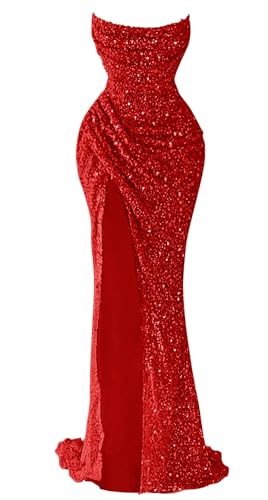
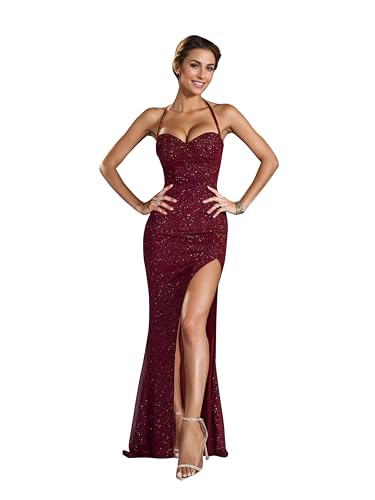
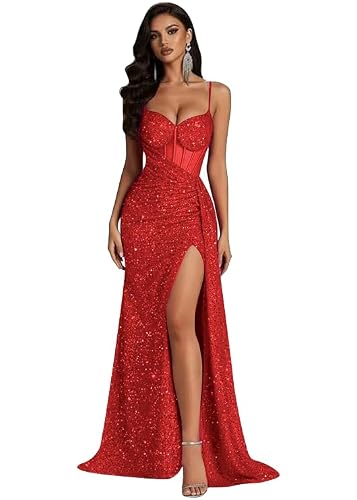
Red Prom Dress With Slit covers red prom gowns where a side, front, wrap, or layered opening is a meaningful skirt feature. Secondary searches include red prom dresses with slits, red high slit prom dress, red thigh slit gown, red side slit prom dress, red satin prom dress with slit, and red mermaid prom dress with slit. The live category currently shows many products, including satin, mermaid, A-line, and high-slit formal styles.
A slit is both a styling detail and a movement feature. It can improve stride in a narrow skirt, but coverage changes when the wearer sits, climbs stairs, turns, or dances. U.S. shoppers should check school rules, slit height on the actual wearer, lining construction, reinforcement at the top of the opening, and how hemming could change the slit-to-hem proportion.
Related shopping paths include prom dresses with slits, red prom dresses, red mermaid prom dresses, and red satin prom dresses. These pages broaden by slit detail, color, fitted silhouette, or fabric.


Frequently Asked Questions About Red Prom Dress With Slit
Where can the slit be placed on a red prom dress?
Common placements include side, front, wrap, and layered openings.
Does a slit improve movement?
It can increase stride, especially in fitted skirts, but correct hip and knee ease still matter.
How high should a prom slit be?
Use the written school policy and measure the opening on the actual wearer.
Does a slit rise when sitting?
It can, especially in fitted and wrap styles, so always test seated coverage.
Can hemming make a slit look higher?
Yes. Shortening the skirt changes the visual slit-to-hem proportion.
Should the lining have the same slit?
Not necessarily; lining placement varies and affects coverage.
Can a slit be lowered?
Sometimes, depending on seam allowance, draping, lining, and decoration.
What shoes work with a red slit gown?
Choose shoes for comfort, venue surface, hem clearance, and how visible they are through the slit.
What should I verify before ordering?
Check slit placement, school rules, lining, measurements, seller, fabric, delivery, returns, and alterations.
Side, Front, Wrap, and Layered Slits
A side slit usually opens with the stride, a center-front slit is more visible, and a wrap skirt relies on overlap that changes with movement. Layered chiffon or tulle can visually soften an opening while still providing stride.
Look at front, side, and seated images. The same slit can appear much higher when the model steps forward.
How High Is Too High?
There is no universal prom slit height because school rules vary. Measure the opening on the actual wearer and compare it with the written policy.
Do not rely on product words such as high slit or modest slit. Sitting, bending, stairs, and dancing are better tests of real coverage.
Slit Height After Hemming
Shortening a long gown changes the proportion between slit top and hem. A slit that looked balanced on a taller model may appear much higher after several inches are removed.
Ask the tailor to evaluate slit and hem together before cutting. Lowering or partially closing a slit may be possible depending on seam allowance and drape.
Red Satin Slit Dresses
Satin is common in slit gowns because the smooth fabric drapes clearly around the opening. It also shows wrinkles, seam tension, and bright highlights under flash.
Check whether the lining is as flexible as the satin and whether the slit edge stays flat after sitting.
Mermaid and Fitted Slit Gowns
Fitted skirts often benefit most from a slit because it increases stride. However, a slit cannot fix insufficient hip or knee ease.
Test the dress with the slit closed naturally rather than exaggerating the opening. The wearer should still be able to sit and move comfortably.
Lining and Reinforcement
Some linings mirror the slit, some stop above it, and others continue underneath for more coverage. Check the exact construction.
The top of the slit should be reinforced because repeated walking places stress on that point. Loose stitching or stretched seams should be addressed before prom.
School Rules and Seated Coverage
Prom policies may regulate slit height, sheer panels, midriffs, necklines, backs, and hems at the same time. A compliant slit does not make the rest of the dress compliant.
Sit for several minutes and stand again. Check whether the slit migrates toward the center, the lining twists, or the skirt needs repeated repositioning.
Shoes and Hem Clearance
A slit often makes shoes more visible, so choose footwear that works with the dress and venue. Comfort matters because the wearer may be walking and dancing for hours.
Select shoes before hemming. The front should clear safely without changing the intended slit proportion.
Underlayers
Skin-tone shorts or other underlayers can be worn if desired, but they should not be required to make an unstable slit acceptable.
Test underlayers in flash photography and while seated. Rolling waistbands or visible edges can create new problems.
Photography
Bright red and satin or sequins can produce strong flash reflections. A slit can also look more dramatic in posed photos than during normal standing.
Take natural front, side, walking, and seated photos. Confirm both shade accuracy and coverage before removing tags.
Alterations
Closing part of a slit may be straightforward on a simple seam and harder on draping, lace, sequins, or wrap construction. Raising a slit permanently should also be evaluated against school rules.
Get tailoring advice before the return deadline and avoid last-minute changes that alter balance or reinforcement.
Seller and Inventory Verification
The live category has 23 results, but marketplace listings can include varied colors or non-prom occasion labels. Verify the exact red variation, seller, slit placement, fabric, lining, measurements, delivery date, and returns.
Keep product curation focused on genuinely red prom-ready gowns where the slit is an actual construction feature.
Final Online Shopping Review
Before checkout, compare the exact product variation rather than relying on the category title alone. Confirm the selected seller, color, material, lining, size chart, closure, garment length, delivery estimate, return eligibility, and any final-sale terms. Save the relevant order details because marketplace listings, prices, sellers, and availability can change after purchase.
After delivery, inspect the dress in daylight and flash, test every closure, and wear the complete outfit long enough to reveal movement or comfort problems. Sit, stand, walk quickly, climb a step, raise both arms, and simulate dancing. Keep the item only when the fit, construction, color, and event requirements remain acceptable without repeated adjustment.