
Junior Prom Dresses
Junior Prom Dresses include prom dresses sold in juniors sizing or marketed to junior and teen formalwear shoppers. The collection can include short party dresses, satin A-lines, lace styles, long gowns, halters, sequins, modest dresses, and fitted prom looks. Start with the prom date, school or venue rules, wearer measurements, preferred construction, and budget; then verify the exact seller, selected variation, lining, closure, current delivery estimate, and return eligibility before ordering.
Junior may describe a retail department, a younger pattern block, or a size system. It is not interchangeable with child sizing, petite sizing, or a specific age. A useful category page should help shoppers narrow a real product decision rather than simply repeat a keyword. Compare the received garment for support, opacity, movement, hem or neckline behavior, alteration difficulty, and how the fabric photographs under daylight, warm indoor light, and flash.
Related shopping paths include girls prom dresses, kids prom dresses, petite prom dresses, and prom dresses. These collections broaden or narrow the search by color, construction, length, fit, or adjacent intent, so shoppers can move between genuinely different product sets without treating every neighboring phrase as interchangeable.
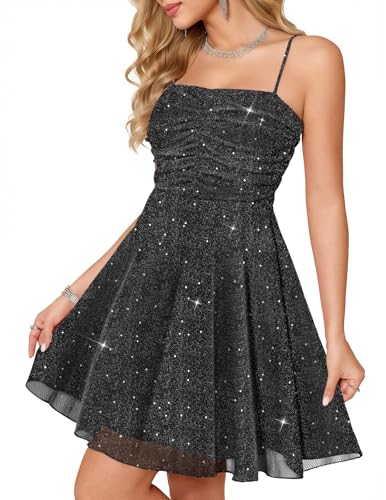




Sukleet Spaghetti Straps Homecoming Dresses for Juniors Burgundy Short Prom Dresses with Pockets Semi Formal Dress Size 2
Original price was: $44.98.$39.98Current price is: $39.98.


Frequently Asked Questions About Junior Prom Dresses
Is this an exact age or size category?
No. Retail age, girls, juniors, and youth labels vary; use the exact seller chart and garment measurements.
Which measurements matter?
Bust or chest, waist, hips, shoulders, torso, upper arms when relevant, and preferred dress length are useful.
How should I choose a silhouette?
Choose from event rules, movement, comfort, fit, and personal preference rather than age stereotypes.
What length is appropriate?
The written school or event rules and the wearer’s comfort control the answer; test the hem with final shoes.
How early should I order?
Allow time for delivery, exchange, possible growth, alterations, shoes, and a complete rehearsal.
Are built-in cups enough support?
Only when cup placement and bodice structure fit the wearer; test the exact dress with the intended underlayers.
What fabrics are comfortable?
Smooth lining and adequate ease matter more than one fabric name; sequins, lace, glitter, and mesh should be checked for irritation.
Can the dress be altered?
Many can, but corsetry, beading, lace, layered skirts, and sleeves can make changes expensive.
What should I verify before buying?
Check the size chart, exact measurements, school rules, seller, fabric, lining, delivery, returns, and included items.
What the “Junior” Label Actually Means
Prom dresses sold in juniors sizing or marketed to junior and teen formalwear shoppers. Retailers use age, department, and size labels differently, so the category name should be treated as a shopping starting point rather than a precise fit standard.
Junior may describe a retail department, a younger pattern block, or a size system. It is not interchangeable with child sizing, petite sizing, or a specific age.
Age, Department, and Size Are Different Things
A child size, girls size, juniors size, petite size, and adult numerical size may be based on different pattern blocks and measurement assumptions. Two dresses carrying the same nominal number can fit very differently.
Use the seller chart and garment measurements, especially bust or chest, waist, hips, shoulders, torso, upper arms, and length.
School Event Rules and Family Requirements
Prom is not a standing-photo event. Transportation, check-in, dinner, prolonged sitting, stairs, crowded walking, dancing, photographs, outerwear, and restroom access can expose fit problems that are invisible in a product image. Read the current school policy for necklines, backs, cutouts, transparency, slits, midriffs, and hems before approving a dress.
For younger wearers, also confirm supervision, transportation, shoe height, and whether the venue has stairs, outdoor areas, or long periods of standing.
Silhouettes and Movement
A-lines, fit-and-flare shapes, ball gowns, columns, high-low dresses, and short party styles distribute volume differently. The best choice allows normal stride, sitting, dancing, and restroom access.
Avoid choosing a restrictive cut simply because it is marketed to a particular age group.
Bodice Support and Coverage
Check cup placement, straps, side coverage, back height, transparency, and neckline security. Built-in cups or boning are useful only when they align with the wearer’s actual proportions.
Fashion tape should not be the primary structure keeping a neckline in place.
Fabric Comfort and Skin Contact
Lace, sequins, glitter, mesh, and beadwork can scratch the underarm or neckline, while heavy tulle can add heat and bulk. Satin and chiffon may feel smoother but still require stable lining.
Wear the dress long enough at home to identify pressure, itching, static, or overheating before removing tags.
Length, Shoes, and Growth Timing
For younger shoppers, growth between ordering and the event may affect hem, waist, and bodice fit. Order early enough for exchange but not so early that the final fit is impossible to predict.
Select shoes before final hemming and keep heel height realistic for the wearer’s experience and venue.
Measurements and Size Selection
Record bust, waist, hips, shoulders, torso length, upper-arm circumference when relevant, and the preferred garment length while wearing the planned underlayers. Compare those numbers with the seller-specific chart and garment information instead of choosing only by a familiar label size. Reviews are most useful when they identify body measurements, purchased size, and the exact color or construction variation.
If measurements fall into different sizes, prioritize the least flexible part of the garment and ask a tailor whether the remaining areas can be altered safely.
Accessories Without Creating Snag Risk
Choose lightweight jewelry, a secure small bag, and outerwear that does not catch sequins, lace, tulle, or sleeves. Hair accessories should not repeatedly pull against neckline or back decoration.
The complete outfit should remain comfortable through the full event rather than only during photographs.
Seller, Returns, and Included Items
Marketplace category cards can combine different sellers, size charts, fabrics, delivery dates, return programs, and even different product constructions under visually similar listings. Save the exact seller, color, size, chart, delivery estimate, and return policy at checkout, and order early enough to allow inspection, exchange, alterations, steaming, and a complete movement test.
Confirm whether belts, detachable straps, gloves, wraps, overskirts, or other pictured pieces are actually included. Age-targeted marketplace listings often mix pageant, bridesmaid, homecoming, and prom terminology.
Avoiding Stereotypes in Formalwear
Color, sparkle, sleeves, and silhouette should be chosen from personal preference, fit, event rules, and comfort rather than rigid claims about what a certain age “should” wear.
Use the category to narrow sizing and occasion needs, then let the wearer choose among appropriate options.
How to Shortlist Junior Prom Dresses
Start with the event rules and measurements, then compare silhouette, support, fabric comfort, length, seller reliability, delivery, and alteration time.
The final dress should stay secure and comfortable during sitting, walking, stairs, dancing, and photographs.