
White Mermaid Prom Dress
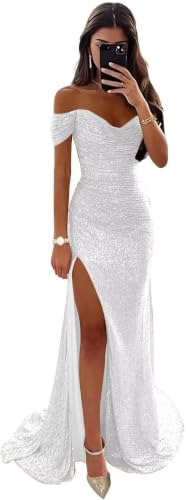
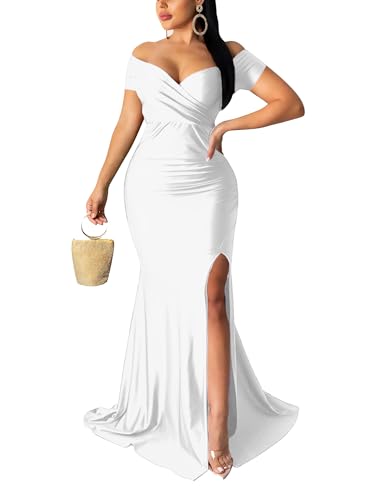
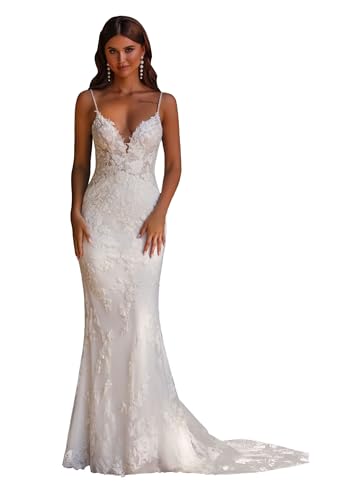
White Mermaid Prom Dress styles combine a pale white or ivory color family with a close-fitting silhouette that flares below the hips or around the knees. The look depends on two things working together: the color must be sufficiently lined for coverage, and the fitted section must allow enough hip and knee ease for real prom-night movement.
White makes fit details more visible than many dark colors. Strained seams, cup edges, lining transitions, and underlayers can show under daylight or flash, while mermaid construction places extra tension through the waist, hips, thighs, and flare point. Test both transparency and movement before committing to alterations.
Compare related options through white prom dresses, mermaid prom dresses, fitted prom dresses, or the complete prom dresses collection.
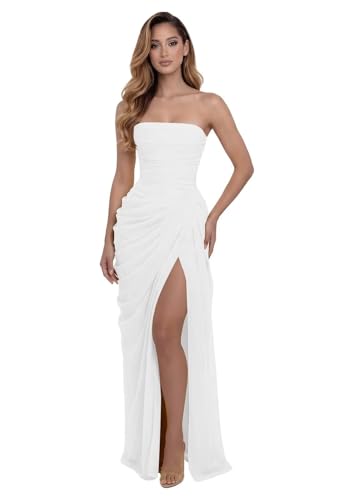
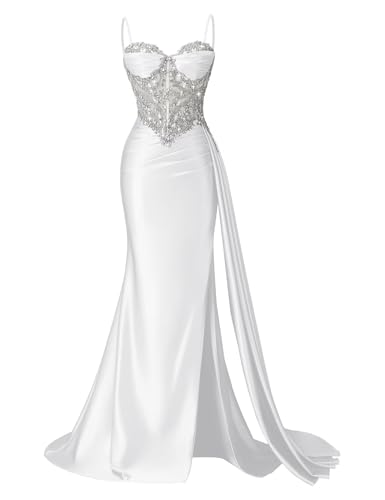
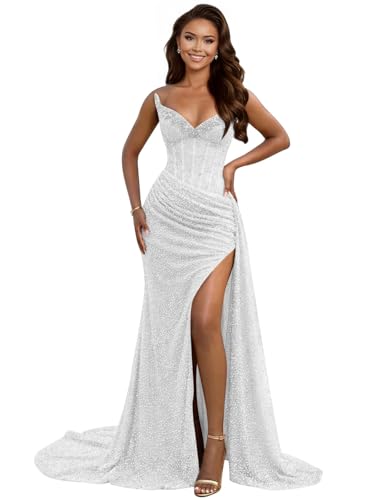
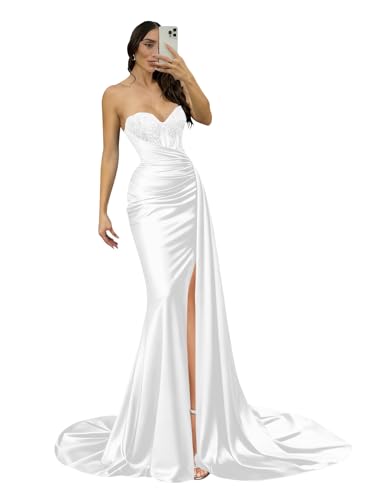







Frequently Asked Questions About White Mermaid Prom Dress
What is a white mermaid prom dress?
It combines a white or ivory color family with a fitted mermaid silhouette that stays close through the torso and hips before flaring lower on the skirt.
Where should a mermaid dress start to flare?
The flare point varies by design and body proportions. It should allow enough knee and stride movement for walking, stairs, sitting, and dancing.
Is ivory the same as white?
No. Ivory is warmer and creamier, though retailers sometimes group both under white collections. Use the exact selected color.
What undergarments work with white mermaid dresses?
Choose from the exact neckline, back, lining, and transparency. Seamless or color-compatible underlayers can help, but the dress should not depend on shapewear to correct a poor fit.
Can a mermaid prom dress be altered?
Often, but changes around hips, knees, flare seams, lace, beadwork, or a train can affect the intended silhouette.
How do I test transparency?
Check the dress in daylight and flash, including cups, seams, lining edges, and the skirt when seated or stretched over the hips.
What should I verify online?
Confirm the exact white or ivory shade, flare construction, lining, stretch, size chart, train, seller, delivery date, and return terms.
How a White Mermaid Prom Dress Should Fit
The bodice and skirt should follow the body without horizontal strain lines, twisting, or pulling the flare upward. The wearer should be able to sit fully and take a normal stride without the skirt locking around the knees.
Flare Point, Godets, and Lower-Skirt Volume
Some mermaids flare gradually; others use dramatic tulle godets, ruffles, or structured panels. A lower flare can look more sculpted but may reduce stride, while a higher flare can feel closer to fit-and-flare.
White, Ivory, and Cream Differences
Retailers may group white and ivory together, but the undertone affects shoes, jewelry, underlayers, and photography. Compare the received dress in neutral daylight before finalizing accessories.
Lining and Transparency in a Fitted Pale Dress
Because mermaid skirts stretch across the hips and thighs, a lining that seems opaque on the hanger may become more transparent under tension. Check daylight, indoor light, and flash while standing and seated.
Support and Underlayers
Strapless and deep-neck mermaids need stable cups, boning, or back support. Seamless underlayers can reduce visible lines, but they should not be used to force a too-small dress into place.
Alterations Around the Mermaid Shape
Taking in or releasing the hips, thighs, or flare seams can change the silhouette. Lace appliques, beading, ruffles, and trains add complexity. Bring final shoes to hem fittings so the train and front clearance stay balanced.
Photography and Bridal-Look Considerations
White mermaid dresses can overlap visually with bridal silhouettes. Prom-specific styling, modern accessories, bold embellishment, or a clearly formal-party construction can shift the look, but personal preference and school traditions should guide the choice.
Choosing a White Mermaid Prom Dress
Approve the dress only when the shade, lining, hip and knee movement, bodice support, train, and flash photography all work together. The mermaid line should remain clean without sacrificing comfort.
White Mermaid Prom Dress vs Trumpet and Fit-and-Flare
A true mermaid prom dress stays fitted through the torso, hips, and much of the thighs before flaring lower on the leg. Trumpet silhouettes usually begin widening higher, while fit-and-flare can be a broader retail term. For a white mermaid prom dress, the exact flare point matters because pale fabric makes seam placement and tension easier to see.
If you want to compare the silhouette independent of color, browse mermaid prom dresses. A higher flare generally allows more stride, while a lower dramatic flare needs careful knee and thigh ease testing.
Stretch Satin, Jersey, Lace, and Tulle Mermaid Construction
White mermaid gowns can be built from stretch satin, jersey, crepe, lace, sequins, or layered tulle. Stretch fabrics may feel easier to move in but can reveal underlayers and seam tension. Lace softens the surface and can disguise some lines, while beading adds weight. Tulle or organza godets create volume below the flare point without requiring the fitted section to be bulky.
Check whether the lining stretches at the same rate as the outer fabric. A stretchy shell over a rigid lining can still restrict hips and thighs. The seller’s fabric description should be read for both outer material and lining whenever available.
White Mermaid Prom Dress Underwear and Shapewear
Pale fitted fabric can reveal underwear seams more readily than dark colors, especially under flash. Seamless nude undergarments that match the wearer’s skin tone are usually less visible than white underwear beneath a white dress. If shapewear is planned, test whether its waistband or leg opening creates a line across the fitted skirt.
The dress should fit without relying on extreme compression. Shapewear can smooth, but it cannot correct a bodice that is too small, a flare point in the wrong position, or a lining that restricts movement. Check the complete outfit seated as well as standing.
White Mermaid Corset Bodices, Strapless Tops, and Open Backs
Mermaid silhouettes often pair with structured corset bodices because the fitted skirt benefits from a stable upper section. Check cup placement, boning, waist seam, back closure, and whether the bodice stays level while walking. Strapless styles need enough internal grip and structure that the wearer is not pulling the dress up throughout the night.
Open-back and illusion-back designs reduce the space available for traditional bra bands, so support may need to come from built-in cups or the corset itself. For a broader fitted comparison, see fitted prom dresses.
Trains, Ruffled Flares, and Godets on White Mermaid Dresses
The lower skirt creates much of the drama in a mermaid gown. Organza ruffles, layered tulle, godets, horsehair edging, or a sweep train can expand the flare and create movement in photos. These features also affect stairs, car seating, crowded dance floors, and hemming cost.
Practice turning and walking backward so the train does not wrap around the legs. If the back hem is long, ask whether a bustle loop can be added without damaging the fabric. A dramatic white train can read bridal, so decide whether that overlap fits the intended prom look.
Keeping a White Mermaid Prom Dress Clean and Photo-Ready
White fitted gowns show makeup, self-tanner, floor marks, and transfer from dark outerwear quickly. Put the dress on after makeup when possible, cover shoulders while styling hair, and transport it in a clean garment bag. During photos, avoid resting the fitted skirt against rough walls or damp outdoor surfaces.
Check the hem immediately after alterations and before prom. A floor-dragging white mermaid skirt can collect visible marks fast, while a slightly cleaner clearance may preserve the silhouette better through the night. For more color-led options, compare the broader white prom dress collection.
Mermaid Flare Placement for Petite and Tall Shoppers
The flare point should align with the wearer’s leg proportions, not only the dress size. On a petite shopper, a standard mermaid seam can fall too low and restrict the knees; on a tall shopper, it can sit too high and read more like a trumpet silhouette. Compare hollow-to-hem, waist-to-knee, and total skirt length when measurements are available.
Shortening a mermaid gown from the bottom does not move the flare point. If the fitted section is proportionally wrong, the dress may require complex reshaping through multiple seams or godets. Choose a style whose flare placement is already close to correct before paying for decorative hemming, ruffle reconstruction, or train adjustments.