
Plus Size 24 Dresses for Women
Plus size 24 dresses for women should be compared by garment measurements, fabric behavior, and occasion—not by the number on the label alone. The product grid below includes size-24 options that may cover formal events, wedding-guest outfits, cocktail parties, work, dinners, vacations, and everyday wear. Look for silhouettes that give the amount of structure, stretch, coverage, and movement you prefer.
US dress sizing is not standardized across retailers. A size 24 in one brand may differ at the bust, waist, hip, upper arm, or length from another. Open the exact size chart for every listing and compare it with fresh body measurements. When a chart places you between sizes, use the garment’s least flexible area and the fabric description to guide the decision.
Browse related collections such as formal dresses, wedding guest dresses, and cocktail dresses when you want to narrow the products by event. Verify current seller, delivery, returns, and product details on the final retailer page before ordering.
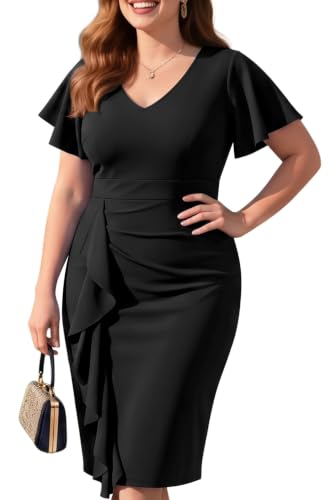
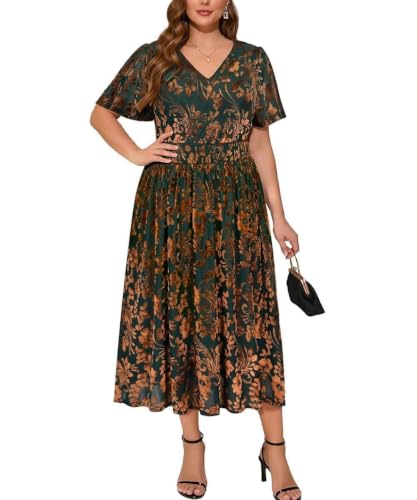
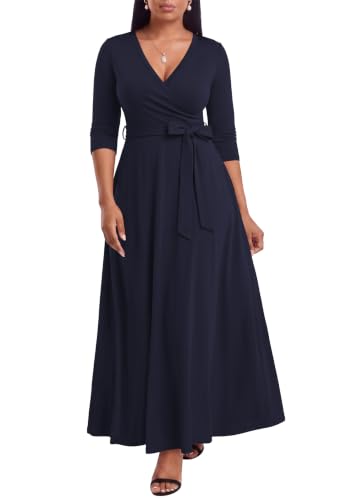
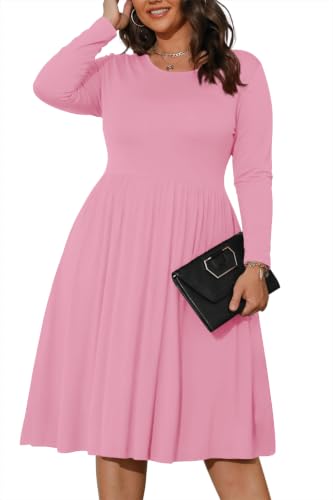
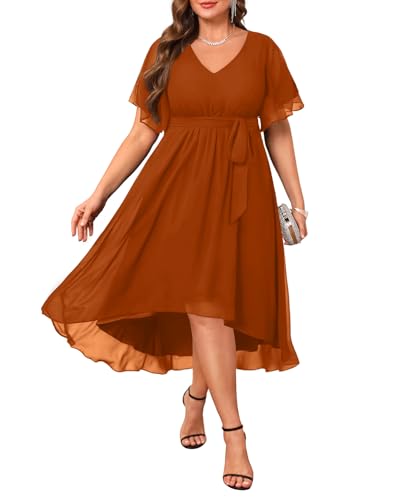
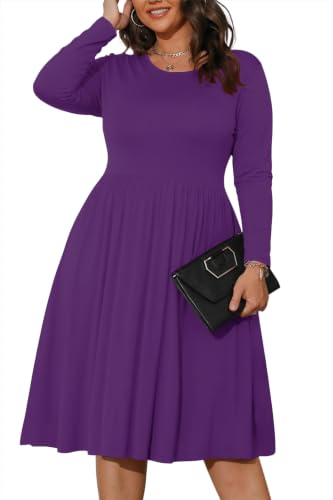
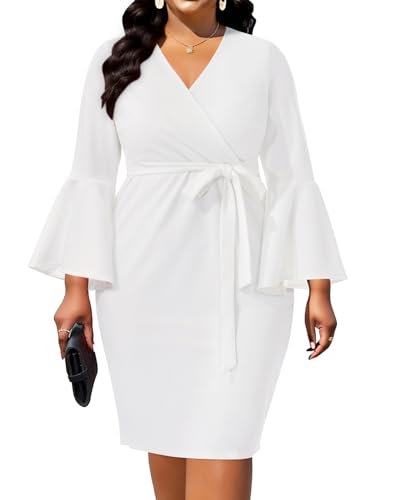
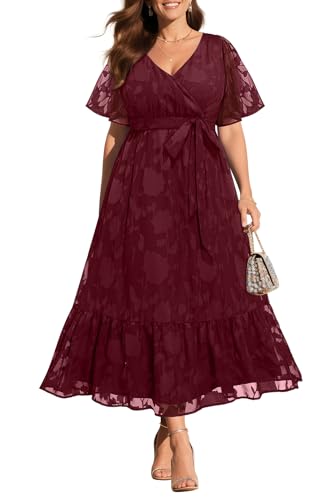
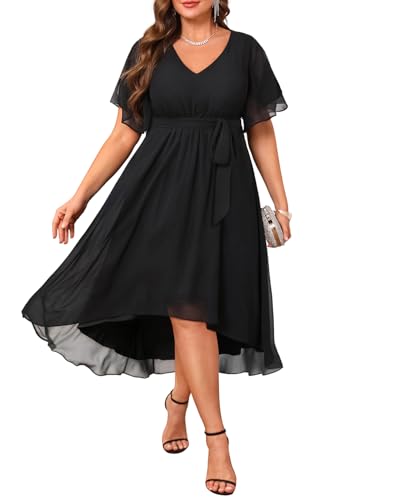
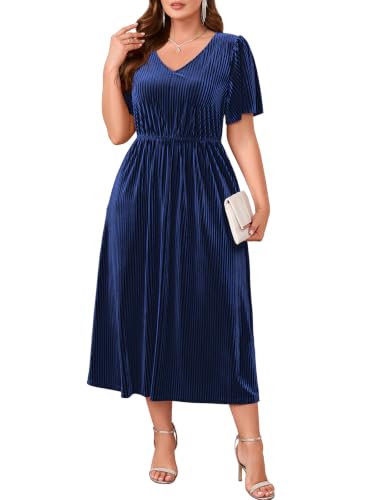
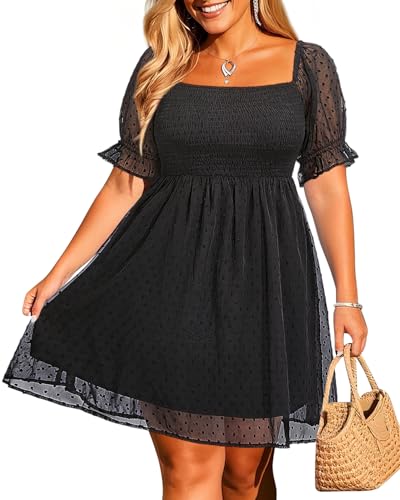
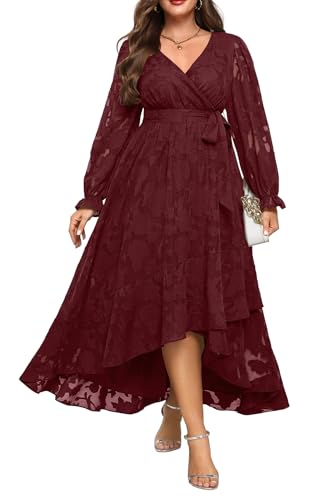
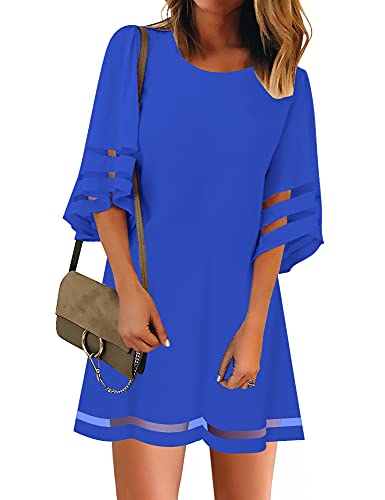
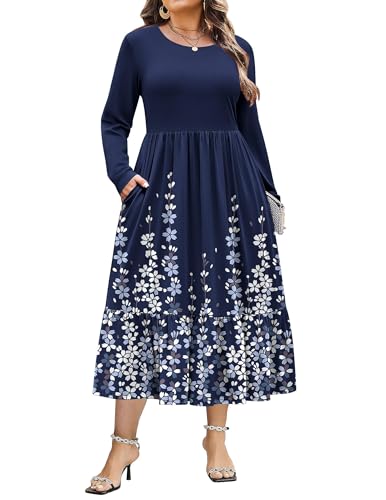


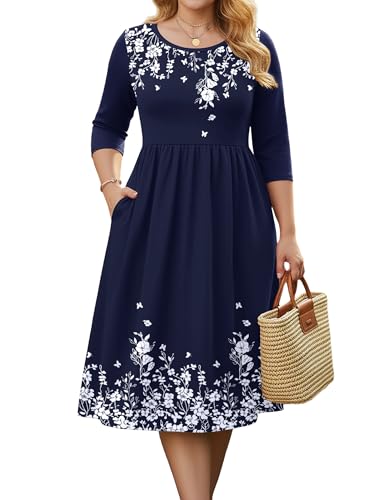
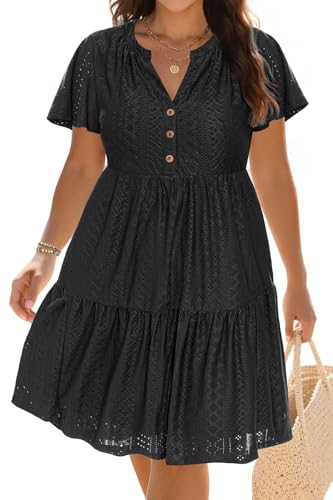

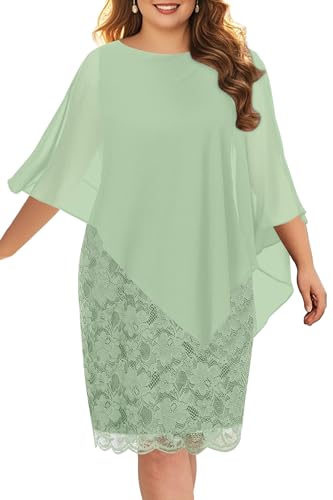

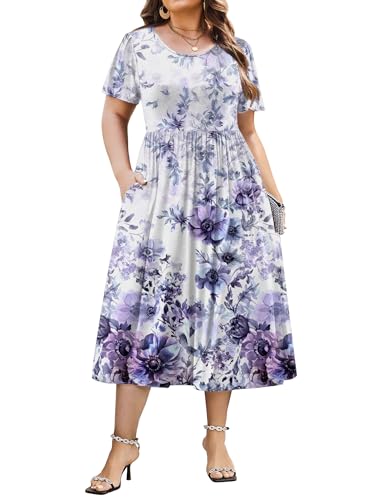


Frequently Asked Questions About Plus Size 24 Dresses for Women
Are all women’s size 24 dresses the same measurements?
No. Size 24 measurements vary by brand, retailer, garment type, and whether the label is 24 or 24W. Compare fresh bust, waist, hip, upper-arm, and length measurements with the exact listing’s chart.
Should I size up in a size 24 formal dress?
Not automatically. Check the fabric, closure, and least flexible area. Woven fitted bodices need more precision than stretch knits. Use the chart and reviews, and choose the closest workable fit rather than following a blanket rule.
Which dress shapes are commonly available in size 24?
Common options include A-line, fit-and-flare, wrap, empire-waist, sheath, shift, shirt, midi, and maxi dresses. Availability varies by retailer and occasion.
How do I choose a size 24 wedding guest dress?
Match the invitation’s dress code, season, venue, and time of day. Then compare fabric, length, coverage, comfort, and measurements. Leave enough time for exchange or hemming.
What measurements should I take before buying a size 24 dress?
Measure bust, natural waist, full hip, shoulder width, upper arm, height, and the required garment length. Use the undergarments and shoes planned for the event when relevant.
Are stretch dresses easier to fit in size 24?
Stretch can provide flexibility and movement, but the cut still matters. Check recovery, lining, neckline, armholes, and whether the garment becomes transparent or distorted when stretched.
Can a size 24 dress be altered?
Many can be hemmed or adjusted at the straps, shoulders, or seams, but beading, lace edges, pockets, and narrow seam allowances can limit changes. Ask a tailor before the return period closes.
What should I check on an affiliate retailer page?
Verify the current seller, price, stock, size chart, fabric, closure, delivery, care instructions, recent reviews, and return policy. These details can change after you leave MotherBrideDress.com.
How can I compare size 22, 24, and 28 dresses?
Use each brand’s measurement chart rather than the label alone. A size 24 from one brand may overlap with a 22 or 28 elsewhere. Choose the size that matches the garment’s least flexible area.
How to Shop for a Size 24 Dress Online
Begin with the listing-specific measurements rather than assuming that your usual size will transfer between brands. Record bust, natural waist, full hip, shoulder width, upper-arm circumference, and the length required for the intended shoes. Some sellers provide only body measurements; others list finished garment measurements. Those are not interchangeable. Garment dimensions include wearing ease, while body charts indicate the customer range the brand intends to fit.
Read the material description next. A woven polyester sheath with no stretch requires a different margin than a jersey wrap dress. Smocking, elastic panels, adjustable ties, and knit fabric can add flexibility, but they do not correct an unsuitable cut. Look at the closure, lining, seam placement, and review photographs to judge how the dress behaves when sitting and moving.
Size 24 Does Not Fit the Same Across Every Brand
Retail size labels are brand conventions, not universal measurements. Differences are common in formalwear, imported marketplace products, and brands that use separate straight-size and plus-size blocks. A chart may identify 24, 24W, 3X, 4X, or another label with overlapping—but not identical—measurements.
Do not convert automatically from jeans, tops, or a different retailer. Use inches from the exact dress chart. If reviews say a style runs small, compare the reviewers’ measurements where provided instead of following a blanket recommendation to size up.
Prioritize the Least Adjustable Area
When measurements point to different sizes, identify the area the dress cannot easily accommodate. A fitted woven bodice may make bust or upper-arm room the deciding factor. A stretch-knit dress may be more forgiving through the torso but still need enough length. A full A-line skirt gives more hip space than a narrow sheath, while a defined waist must sit at the correct level.
Minor adjustments are possible, but extensive alterations can change the cost and proportions. Choose the closest workable fit and consult a tailor before relying on a major redesign.
Dress Shapes to Compare
A-Line and Fit-and-Flare
A-line dresses provide increasing room below the waist and can work for office, wedding-guest, cocktail, and formal styling. Fit-and-flare designs define the waist more strongly and may use pleats or panels. Confirm where the waist seam falls; a seam that sits too high or low can distort the intended shape.
Wrap and Faux-Wrap Dresses
True wrap dresses allow adjustment through the waist and neckline. Faux-wrap styles provide a similar visual line but may have a fixed seam or zipper. Check front coverage when sitting and moving. Fashion tape or a small modesty stitch may be useful, but the neckline should not depend on emergency fixes.
Empire-Waist Dresses
An empire seam sits below the bust and allows fabric to fall over the torso. This shape can be comfortable for long events, though the seam must sit correctly and the bodice needs adequate depth. A high seam that cuts across the bust is a fit problem, not a feature.
Shift and Sheath Dresses
Shift dresses offer a straighter outline, while sheaths are generally more shaped. Check hip ease, back vents, lining, and stretch. A sheath should permit sitting and walking without riding upward or pulling across the zipper.
Maxi and Column Dresses
Long dresses can create an uninterrupted line for formal events and vacations. Length varies widely, so compare shoulder-to-hem measurements and planned shoes. Side slits may improve movement, but check placement and coverage.
Fabric Choices for Size 24 Dresses
Stretch jersey, ponte, and knit blends support movement and can recover after sitting. Woven crepe offers a polished surface with varying levels of give. Chiffon adds flow but depends on lining. Satin reflects light and shows tension or wrinkles clearly. Lace adds texture but may require soft backing at the arms and neckline.
Read fiber percentages and care instructions. “Stretch” in a title may refer only to an elastic waist, while “satin” describes the surface rather than the fiber. Customer photos help reveal thickness, drape, transparency, and cling.
Formal and Evening Dresses
For galas, black-tie weddings, award dinners, or evening celebrations, compare long A-line gowns, structured midi dresses, jumpsuit-inspired two-piece looks, and embellished styles. Formality comes from fabric, finish, length, and styling—not simply from sequins.
Use the main formal dress category to compare broader event options. Check seated comfort, arm movement, and the placement of beading or boning before committing to a long occasion.
Wedding Guest Styling
A size 24 wedding-guest dress should reflect the stated dress code, venue, season, and ceremony customs. Floral midi dresses suit many daytime events; solid satin or crepe can work in the evening; chiffon maxi styles support outdoor and destination venues.
Avoid relying on vague labels such as “formal” without reading the invitation. Browse wedding guest dresses for event-specific filters. Add comfortable shoes, a practical layer, and a bag that does not snag lace or chiffon.
Cocktail and Party Dresses
Cocktail dressing often means knee, midi, or polished shorter lengths, though venue and time matter. Look for secure necklines, enough seat room, and sleeves or straps that remain in place while dancing. Stretch velvet, sequins, lace, and satin can work when the interior construction is comfortable.
Compare additional silhouettes under cocktail dresses. A party dress should still pass a sitting, bending, and stair test before tags are removed.
Work and Professional Dresses
For work, focus on fabric recovery, neckline coverage, sleeve mobility, pocket placement, and whether the dress can be layered under a blazer or cardigan. Ponte, crepe, shirt dresses, wrap styles, and structured knits are common options.
The women’s work dresses category can help separate office-ready products from occasionwear. Check the back view and side seams because a dress that looks professional from the front may pull or become transparent under bright light.
Casual Size 24 Dresses
Casual dresses should be easy to wear repeatedly. Cotton blends, jersey, sweater knits, shirt dresses, and relaxed maxis can cover errands, weekends, travel, and informal meals. Look for washable fabrics, useful pockets, and hems that work with flat shoes.
Browse casual dresses for women for less formal choices. Read care instructions before assuming a dress is low maintenance.
Necklines, Sleeves, and Support
V-necks, scoop necks, square necks, boat necks, and higher necklines change the visual balance and the type of undergarment required. Browse the dress neckline guide when you want to filter by shape. Check that bra straps remain covered where intended.
For sleeves, measure the upper arm and inspect stretch. Flutter and kimono sleeves provide movement; fitted woven sleeves require more precision. Sleeveless dresses should have armholes that lie flat without exposing the bra or cutting into the skin.
Length and Proportion
Mini, knee, midi, tea, and maxi labels are relative to the model’s height. Compare actual garment length and customer photos. The dress length categories provide additional ways to shop by hem.
For formal maxis, try the complete outfit with shoes. For midis, check whether the hem falls at a comfortable point for your height and walking stride. Alteration may be worthwhile when the bodice fits well but the length does not.
Undergarments and the Final Fit
Wear the bra, shapewear, slip, tights, or other foundation planned for the event when fitting the dress. These can change measurements, fabric movement, and hem. Shapewear is optional; the important issue is whether the chosen underlayer remains comfortable and invisible.
Do not buy a dress that requires painful compression to close. A correctly sized garment should allow normal breathing, sitting, eating, and movement throughout the event.
Alteration Questions to Ask
- Can the side seams be released or taken in without disturbing pockets?
- Can straps or shoulders be shortened?
- Is the hem simple, scalloped, pleated, or beaded?
- Will changing the waist affect the zipper or embellishment?
- Does the dress include enough seam allowance?
Ask a tailor before the return deadline. Marketplace formalwear may be difficult to alter when seams are narrow or decoration crosses them.
Affiliate Shopping Checks
MotherBrideDress.com is an affiliate shopping site. Clicking a product may take you to Amazon or another third-party retailer. That retailer controls current price, seller, stock, size availability, delivery, specifications, and returns.
Verify the seller, recent reviews, size chart, material, closure, care instructions, included accessories, and return deadline. Product titles may contain many keywords without accurately describing every feature.
Common Size 24 Shopping Mistakes
- Assuming size 24 measurements are universal.
- Choosing from the largest body measurement without considering garment shape.
- Ignoring upper-arm, shoulder, and length measurements.
- Believing all knit or wrap dresses provide unlimited flexibility.
- Waiting until after the return window to test sitting and walking.
- Depending on major alterations without consulting a tailor.
- Buying for a number instead of the actual occasion and fabric.
- Ignoring seller-specific delivery and return policies.
Build a Reliable Size 24 Wardrobe
The strongest size 24 dress is one whose measurements, fabric, and construction match both your body and the event. Use the product grid to compare shape, stretch, length, sleeves, and care. Then verify the final listing before ordering.
Return to dresses by size for the full size selection. Neighboring pages such as size 22 dresses and size 28 dresses may help when a brand’s chart places your measurements outside its size-24 range.