
White Prom Dress
White prom dresses are a striking choice: clean, bright and timeless, and they stand out in a room full of color. A white gown photographs beautifully under flash, works with any accessory color and suits every skin tone in one shade or another, from bright optic white to soft ivory and warm off-white.This collection includes satin and chiffon gowns, sparkly sequin and beaded designs, fitted mermaid cuts and two-piece sets. For more bright options, see prom dresses by style, or compare long white formal dresses for other formal events.




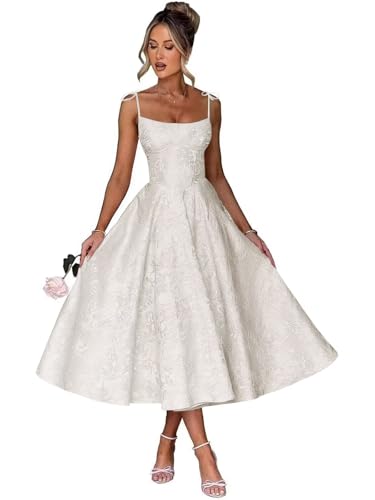


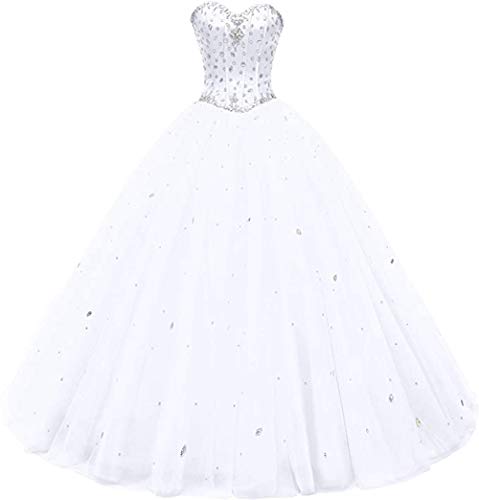

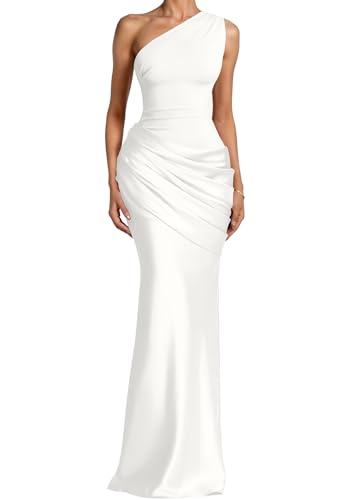
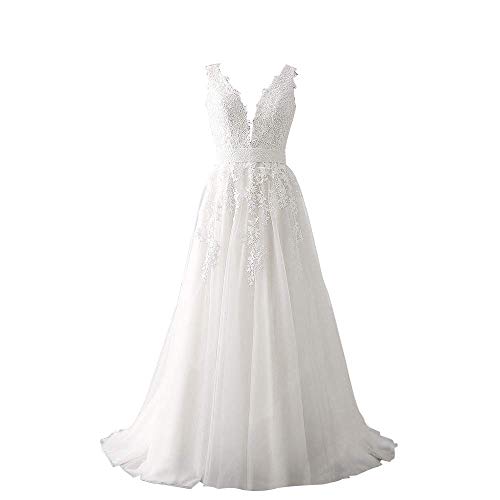

Dress the Population Women’s Helen Sleeveless Surplice Wrap Top Lace Gown
Original price was: $298.00.$262.39Current price is: $262.39.


White Prom Dresses: Frequently Asked Questions
Are white prom dresses popular?
Yes. White is a classic prom color that looks fresh and photographs well, and it comes in every style from sleek satin gowns to sparkly mermaid dresses.
How do I stop a white prom dress looking like a wedding dress?
Choose prom-specific details: a bold cut-out, a high slit, sequins, a fitted mermaid shape or a two-piece set. Add colorful or metallic accessories rather than pearls and a veil-like wrap.
Is white see-through?
Some white fabrics can be. Look for a lined bodice and skirt, and test the dress in daylight and with flash photography before the event.
What underwear should I wear with a white dress?
Choose seamless pieces close to your skin tone, not white. Skin-tone underwear is far less visible under pale fabric.
What accessories go with a white prom dress?
Almost anything. Gold or silver jewelry, colored heels, a bright clutch or jewel-toned earrings all work. Matching your accessories to your date's outfit is a popular choice.
How do I keep a white dress clean on prom night?
Carry a stain-removal pen, avoid dark drinks, and be careful with makeup when dressing. Put the dress on after makeup and protect the neckline with a scarf.
What makeup suits a white dress?
White is a bright backdrop, so a little more definition helps in photos, such as a stronger lip or a defined eye. Avoid very pale foundation that blends into the fabric.
Is white or ivory better for prom?
Bright white looks crisp and modern; ivory is softer and warmer. Hold both near your face in daylight to see which suits your skin tone.
Can I wear a short white dress to prom?
Yes, if your school allows short dresses. Short white dresses are also popular for homecoming and after-parties.
Choosing Your White
White is not a single color. Optic white is the brightest and most modern, and looks especially crisp on deeper skin tones. Natural or soft white is slightly warmer and easier on most complexions. Ivory has a gentle yellow undertone that flatters fair and warm skin. Off-white and cream are warmer still and feel vintage. Hold the fabric near your face in natural light; the right white makes your skin look even and bright rather than dull.
Making White Look Like Prom, Not Bridal
The main concern with a white prom dress is looking like a bride. Prom styling is usually bolder than bridal styling, so a few details make the difference:
- Sparkle. Sequins, crystals and all-over beading feel like a party rather than a ceremony.
- Cut. Thigh-high slits, cut-outs, open backs and two-piece sets read clearly as prom.
- Silhouette. A close-fitting mermaid prom dress or a sleek fitted prom dress looks less bridal than a full tulle ball gown.
- Accessories. Gold jewelry, colored heels and a bright clutch move the look firmly toward prom.
Styles to Consider
Satin gown. Smooth, with a soft sheen and clean lines. Minimal styling keeps it modern.
Chiffon A-line. Light, flowing and comfortable for dancing. Good for spring proms and outdoor venues. See flowy prom dresses.
Sequin or beaded. All-over sparkle that catches the light on the dance floor.
Mermaid. Fitted through the hips with a dramatic flare at the hem.
Two-piece. A crop top with a long skirt, which is modern and easy to style.
Floral appliqué. Three-dimensional flowers or lace on white feel romantic and unique. Compare flower prom dresses.
Practical Points for a White Dress
Check the lining. White and pale fabrics can be sheer, especially chiffon and thin satin. Make sure the bodice and skirt are fully lined, and test the dress in daylight and with your phone's flash.
Choose the right underwear. Seamless underwear in a shade close to your skin tone is much less visible than white.
Plan for stains. Carry a stain-removal pen and blotting paper. Put the dress on after your makeup is finished and keep a scarf over the neckline while touching up.
Mind the hem. Long white hems pick up dirt quickly. Have the dress hemmed to the exact height of your prom shoes so it just clears the floor.
Accessories and Color Pairings
White works with every accessory color, which makes it easy to coordinate with a date. Gold jewelry adds warmth; silver and crystal feel cool and glamorous. A jewel-toned clutch, emerald earrings or red heels bring a bold contrast. For a softer look, blush, champagne or pale blue accessories keep everything gentle.
Hair and Makeup
A white dress is a bright frame for the face, so slightly stronger definition helps in photographs. A bold lip, defined brows or a smoky eye all balance white well. Keep foundation true to your skin tone so it does not blend into the fabric. For hair, sleek updos highlight a strapless or one-shoulder neckline, while loose waves soften a sharper silhouette.
White for Other Events
A white formal dress can be worn again for graduations, white parties, engagement celebrations and summer formals. For shorter options, see short white formal dresses.
Fit and Sizing for Prom
Prom dresses, especially fitted satin and sequin styles, leave little room for error, so measure your bust, waist and hips and compare them with the size chart before ordering. Sequined fabrics have almost no stretch, while chiffon and jersey are more forgiving. Order early enough to allow an exchange and a trip to a seamstress, since most long dresses need the hem adjusted to the height of your shoes. If you are on the shorter side, see prom dresses for short girls, and for a more budget-friendly search, browse prom dresses under $200. Try the dress on with the actual shoes and underwear you will wear on the night to check the fit, length and opacity together.