
Baby Pink Prom Dresses
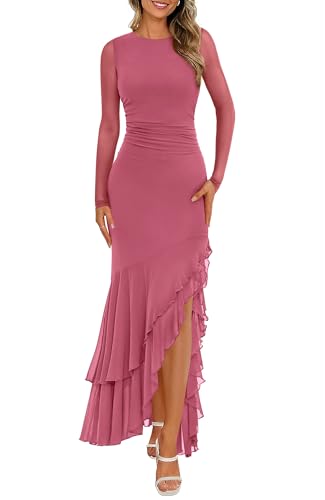
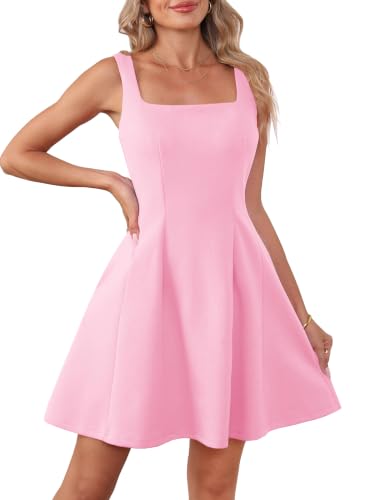
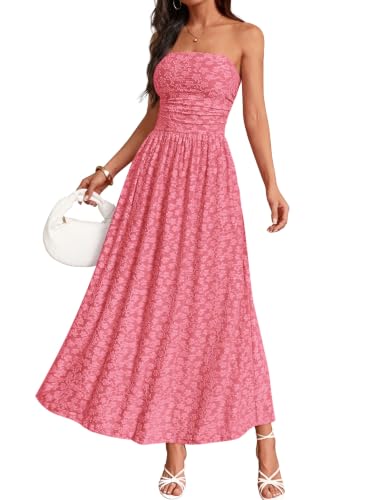
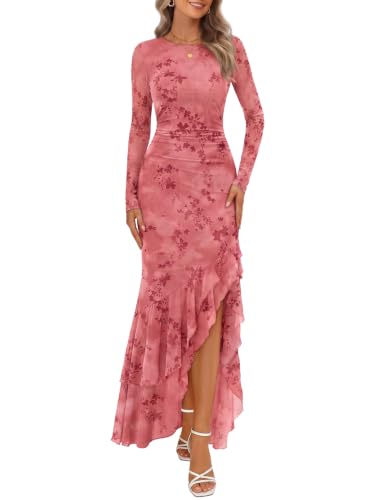
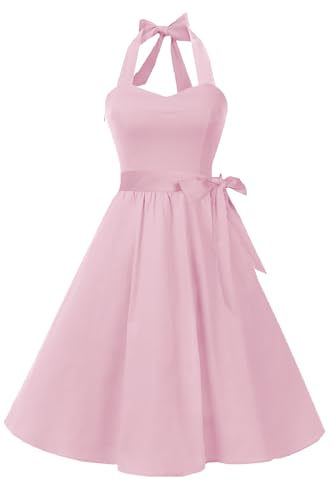
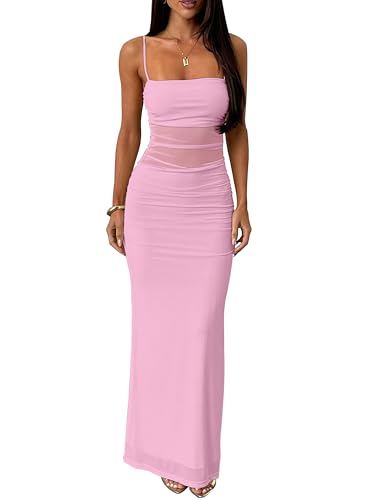
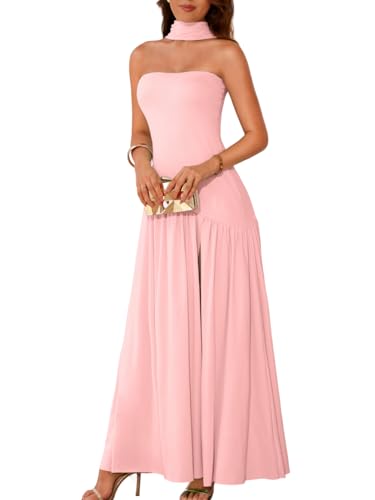
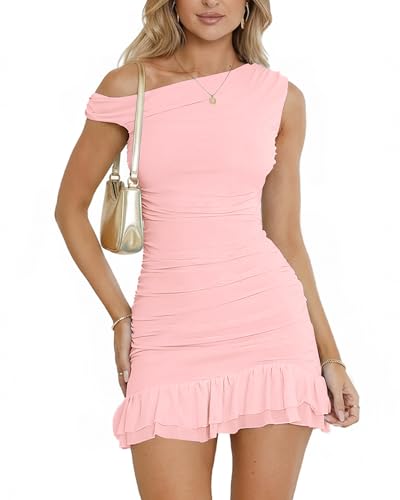
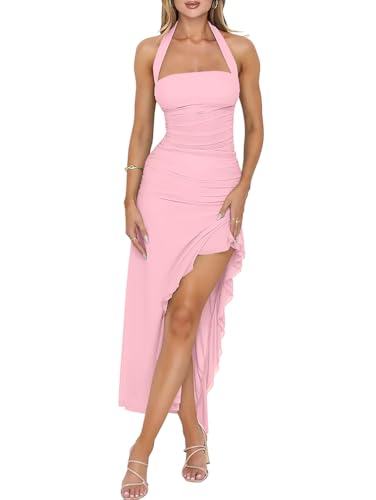
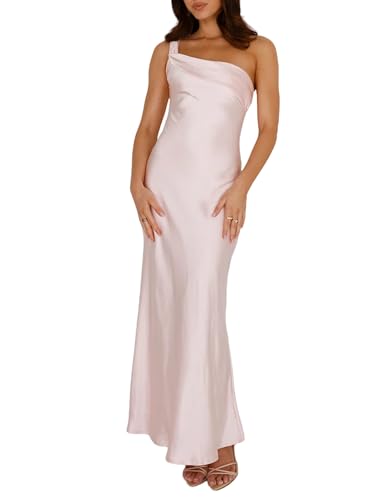
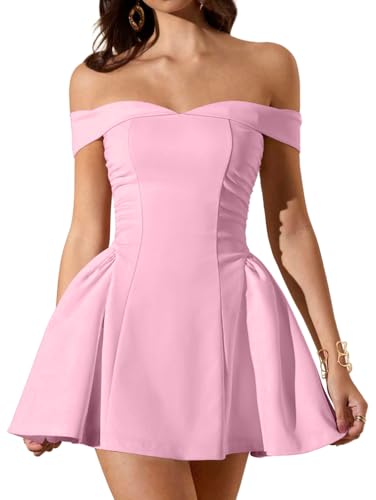
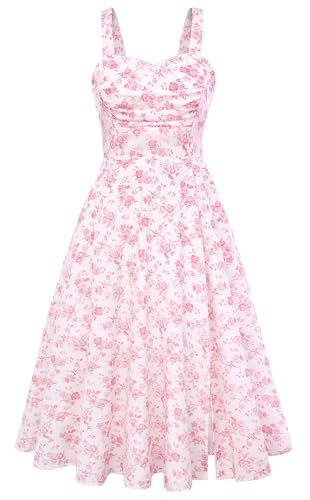
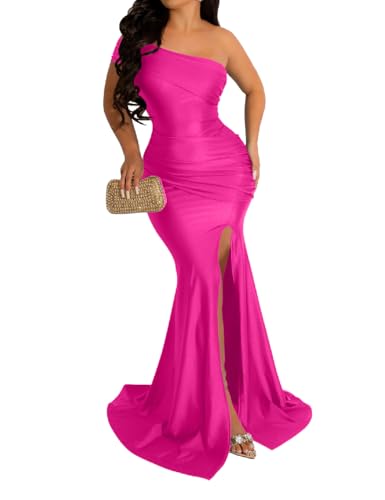
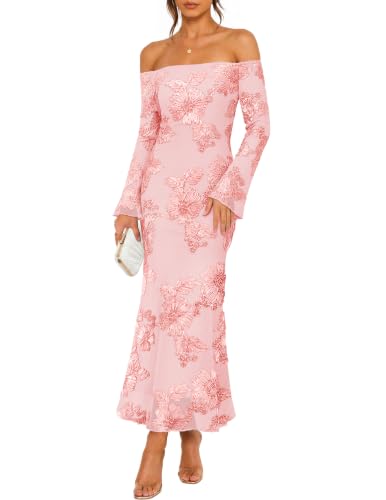
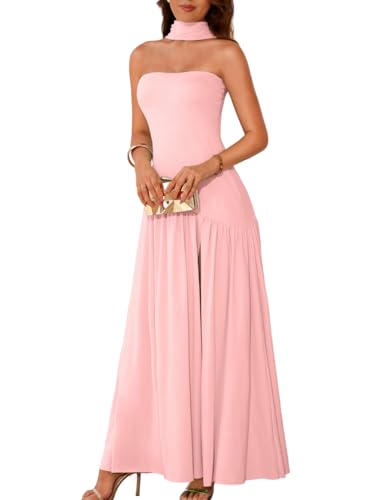
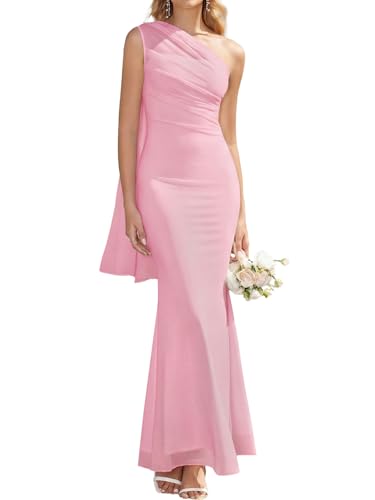
Baby pink prom dresses use a very light pink family that may lean cool and blue, warm and peach, muted and dusty, or nearly ivory. Pale color magnifies opacity, lining, seam, stain, and photography issues that are less obvious in darker gowns. A reliable page must distinguish the exact undertone, evaluate how the fabric behaves in flash and strong daylight, and keep the prom silhouette, support, and movement requirements in view.Browse the products above to compare the currently indexed marketplace selection. The guide below focuses on evidence-based fit, construction, event suitability, care, and seller verification rather than promising that every product tagged to the category is an exact match.Affiliate shopping note: MotherBrideDress may earn a commission from qualifying purchases. MotherBrideDress is an affiliate discovery website and does not manufacture, stock, sell, ship, or accept returns for the products displayed. Amazon or the listed marketplace seller controls the current price, size and color availability, seller identity, shipping estimate, item condition, and return terms. Confirm the exact selected variation and seller information on the live product page before checkout.
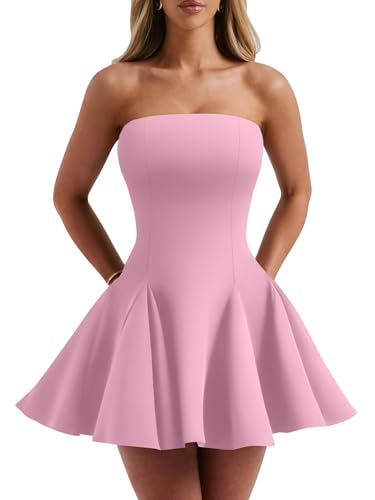

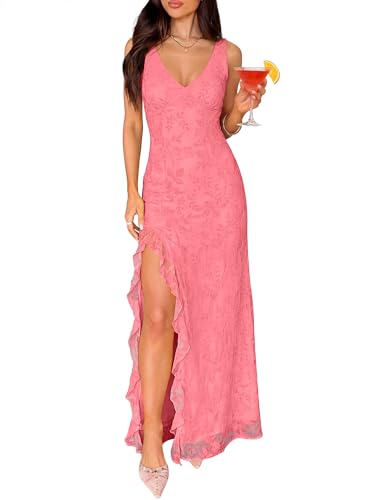
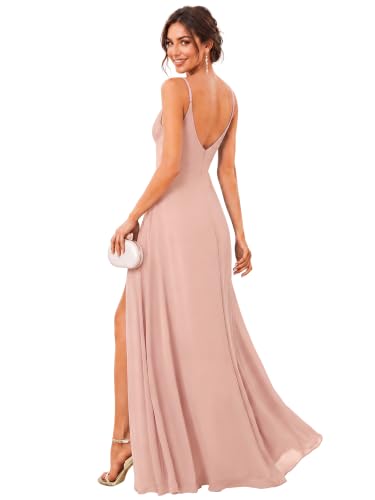
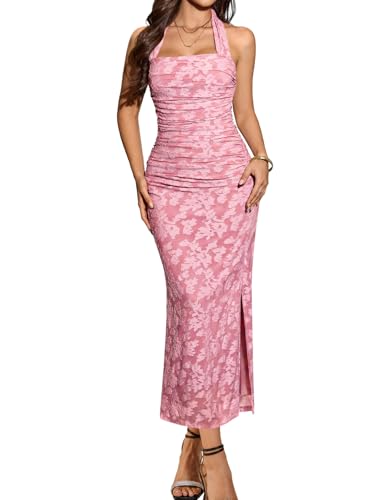
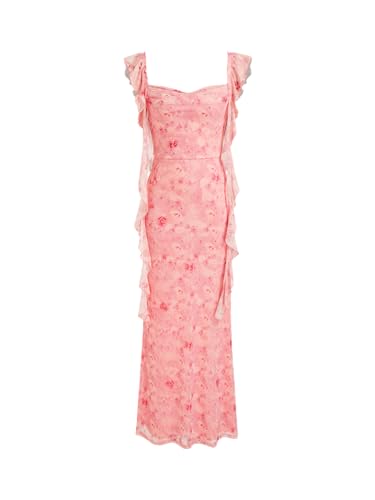
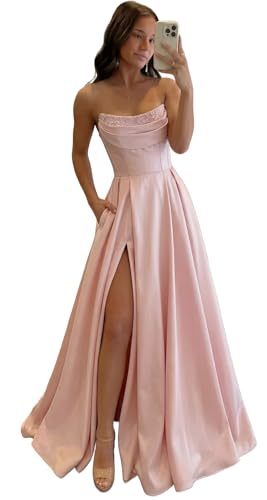



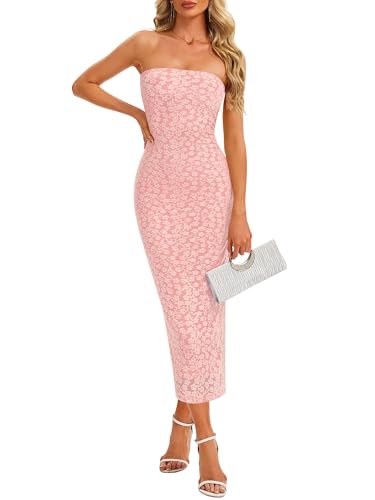


Frequently Asked Questions About Baby Pink Prom Dresses
What color is baby pink?
It is a very light pink, but sellers vary from cool blue-pink to warm peach-pink, dusty pink, and nearly ivory. Check the selected variation and customer photos.
Are baby pink and blush prom dresses the same?
Not necessarily. Blush often includes beige, nude, peach, or muted undertones, while baby pink is usually clearer and lighter.
How do I test whether a pale pink gown is sheer?
Check daylight and flash photographs from every angle, especially over cups, hips, seams, and lining hems while standing and sitting.
What shoes go with baby pink prom dresses?
Silver, gold, pearl, clear, nude-to-you, or deliberate dark contrast can work. Match the finish to the undertone and gown detail.
Can baby pink work for winter prom?
Yes. Fabric weight, outerwear, texture, and accessories can make the color suitable for a winter event.
Does pink tulle look different from pink satin?
Yes. Tulle builds color through layers and appears airy, while satin reflects light and can look brighter or darker across folds.
How should I inspect a pale dress on delivery?
Before extended try-on, check for makeup, dirt, stains, pulled threads, damaged packaging, and color inconsistency under bright light.
Are the prices shown on MotherBrideDress guaranteed?
No. Amazon or the listed seller controls live price, stock, shipping, and returns, and those details can change.
How to Choose Baby Pink Prom Dresses with Better Evidence
Start with the real event, current measurements, planned shoes, undergarments, outer layer, and delivery deadline. A category label supports discovery; it does not prove fit, quality, or appropriateness.
Most important risk: a pale-pink thumbnail can conceal major color differences. Warm studio lighting, screen settings, layered tulle, beige lining, and the selected variation can shift the dress toward blush, peach, nude, lavender, or ivory.
Separate Baby Pink from Nearby Pale Shades
Cool baby pink
A blue-based pink can appear crisp and delicate, but it may shift lavender under cool LEDs. Compare with silver, pearl, and true-white references. Consider appearance and operation together: support, closure, lining, comfort, and alteration feasibility determine real usability.
Warm baby pink
A peach or coral component makes the shade softer and warmer. It may coordinate with gold but can look beige in dim light. Do not let one close photograph outweigh missing evidence about the full silhouette, interior, back view, or measurements.
Dusty pale pink
Gray or brown in the color reduces sweetness and may create a mature effect. Confirm that the delivered dress is intentionally muted rather than faded. Use full-length front, side, and back views, then test the delivered garment while seated and moving.
Pink over nude lining
Layered tulle or lace may use a beige, tan, or pink lining. The result depends on skin contrast, mesh color, and how much lining shows through. Record the result instead of relying on memory; small differences become clearer when several listings use similar descriptions.
Near-ivory pink
Extremely pale pink can read white in photographs. That may be acceptable for prom, but it matters for future wedding-guest reuse and for accurate product description. Evaluate the selected variation because one marketplace page may combine several colors, sizes, sellers, or related designs.
Fit Details That Change the Result
Cup and lining visibility
Pale bodices can reveal molded cups, boning channels, seam allowance, or padding edges. Inspect in daylight and flash. Evaluate the selected variation because one marketplace page may combine several colors, sizes, sellers, or related designs.
Waist seam smoothness
Tension, bunching, and uneven gathers are conspicuous in a light solid color. Confirm waist position and enough ease for sitting. Consider appearance and operation together: support, closure, lining, comfort, and alteration feasibility determine real usability.
Hip opacity
A fitted pale skirt may become more transparent when stretched. Test from the back and side with planned undergarments. Do not let one close photograph outweigh missing evidence about the full silhouette, interior, back view, or measurements.
Tulle volume
Several light layers can create a cloud-like skirt, while too few may look limp or expose the lining. Check layer count and hem consistency. Use full-length front, side, and back views, then test the delivered garment while seated and moving.
Train cleanliness
A pale train shows floor dirt quickly. Consider bustle options, venue surfaces, and whether the train can be managed during dancing. Record the result instead of relying on memory; small differences become clearer when several listings use similar descriptions.
Measurements, Ease, and Movement
Take current body and vertical measurements
Measure bust, waist, high hip, full hip, shoulder width, torso length, sleeve dimensions, and the shoulder-to-hem length relevant to the garment. Measure over the undergarments planned for the event. Marketplace charts are not standardized, so a remembered U.S. size is not enough. Record the result instead of relying on memory; small differences become clearer when several listings use similar descriptions.
Compare body and garment dimensions
When finished garment measurements are available, compare them with the body chart and the intended ease. A rigid woven bodice, stretch knit, full skirt, and bias-cut slip require different room. Evaluate the selected variation because one marketplace page may combine several colors, sizes, sellers, or related designs.
Test the complete range of motion
Walk, sit for several minutes, climb stairs, reach, raise the arms, turn, and enter or leave a car. Watch for rising hems, twisting seams, opening wraps, tight linings, pressure, slipping necklines, or scratchiness. Consider appearance and operation together: support, closure, lining, comfort, and alteration feasibility determine real usability.
Use the planned shoes and support
Bras, shapewear, slips, hosiery, adhesive products, and heel height change fit and hem position. Test them during the return window rather than on the event day. Do not let one close photograph outweigh missing evidence about the full silhouette, interior, back view, or measurements.
Price alteration limits before acceptance
Simple straps and plain hems may be manageable, while lace borders, beadwork, boning, print matching, trains, and unusual seams can make changes expensive or risky. Use full-length front, side, and back views, then test the delivered garment while seated and moving.
Fabric, Lining, and Surface Behavior
Baby pink satin
Satin can look luxurious but exposes wrinkles, water marks, puckering, and uneven pressing. Matte-back satin often photographs differently from high-gloss satin. Consider appearance and operation together: support, closure, lining, comfort, and alteration feasibility determine real usability.
Pink tulle
Tulle builds volume and color through layers. Check scratchiness, raw edges, snag risk, and whether the lining is long enough. Do not let one close photograph outweigh missing evidence about the full silhouette, interior, back view, or measurements.
Chiffon
Chiffon creates soft motion but may be sheer and static-prone. Verify layer count, lining, and hem quality. Use full-length front, side, and back views, then test the delivered garment while seated and moving.
Lace applique
Applique can add contrast or dimension. Inspect glue, stitching, edge lift, motif placement, and color match with the base. Record the result instead of relying on memory; small differences become clearer when several listings use similar descriptions.
Sequins or glitter
Pale sparkle can photograph silver or iridescent. Check shedding, skin contact, and whether embellishment makes the gown too bridal for intended reuse. Evaluate the selected variation because one marketplace page may combine several colors, sizes, sellers, or related designs.
Flash Photography and Pale-Fabric Inspection
Phone flash can make a pale dress look lighter, expose lining boundaries, and highlight shiny cup edges. Take full-length front, side, and back images before accepting the garment.
Daylight reveals undertone more accurately, while warm indoor bulbs predict restaurant and ballroom conditions. A dress should be judged in both rather than corrected later with accessories.
Inspect a delivered pale gown before a long try-on. Foundation, deodorant, floor dust, and previous-wear marks may be difficult to see under soft room light. Photograph any issue immediately.
Wear seamless undergarments in a color compatible with the wearer, not automatically white. The correct choice minimizes contrast under the exact lining and fabric.
Match the Dress to the Real Occasion
Classic school prom
Pair the soft color with a silhouette that meets the dress code and remains comfortable through dinner and dancing. Do not let one close photograph outweigh missing evidence about the full silhouette, interior, back view, or measurements.
Spring prom
Light fabric and floral details suit the season, but outdoor wind, grass, and temperature still affect hem and layer choices. Use full-length front, side, and back views, then test the delivered garment while seated and moving.
Winter formal
Baby pink can work with velvet accents, a structured coat, crystal, or darker contrast; warmth should be planned rather than improvised. Record the result instead of relying on memory; small differences become clearer when several listings use similar descriptions.
Graduation dinner
Choose a manageable skirt and stable neckline that works in seated photographs and crowded venues. Evaluate the selected variation because one marketplace page may combine several colors, sizes, sellers, or related designs.
Future wedding attendance
A very pale, embellished gown may look bridal. For repeat use, evaluate the complete outfit and wedding context carefully. Consider appearance and operation together: support, closure, lining, comfort, and alteration feasibility determine real usability.
Accessories and Outfit Balance
Silver and crystal
Cool metallics reinforce blue-based pink and photograph clearly. Avoid rough settings that snag tulle. Use full-length front, side, and back views, then test the delivered garment while seated and moving.
Gold and champagne accents
Warm metal can suit peach-pink, but too many pale warm elements may reduce contrast. Record the result instead of relying on memory; small differences become clearer when several listings use similar descriptions.
Deep contrast accessories
Navy, burgundy, emerald, or black can make a pale dress more graphic when appropriate to the event. Evaluate the selected variation because one marketplace page may combine several colors, sizes, sellers, or related designs.
Nude-to-you footwear
A neutral shoe keeps attention on the gown and can lengthen the line. Test the shade against actual skin rather than using nude as one fixed color. Consider appearance and operation together: support, closure, lining, comfort, and alteration feasibility determine real usability.
Makeup balance
Match foundation accurately and choose lip and blush tones that do not turn the dress gray or orange in photographs. Do not let one close photograph outweigh missing evidence about the full silhouette, interior, back view, or measurements.
How to Evaluate the Exact Marketplace Listing
Select the intended size and color first. Then reread the title, seller, brand, condition, price, delivery estimate, material, size chart, included pieces, and return policy. Marketplace information can change when the variation changes.
- Exact selected color name and gallery
- Color in customer photos and video
- Full lining and cup visibility
- Opacity under flash and stretch
- Hem and train practicality
- Fabric care and stain sensitivity
- Delivery packaging for pale fabric
- Return policy before makeup or alterations
Reviews are useful when they provide body measurements, height, selected size, recent photographs, movement comments, and seller-specific evidence. A one-line opinion is less diagnostic than repeated detail about fit, fabric, color, condition, closure, shipping, or returns.
Save the selected variation and terms when timing or coordination matters. Do not assume that a delivery date, discount, seller, or return window will remain unchanged.
Delivery Inspection and Return-Window Test
- Confirm that the delivered color, size, brand, seller information, condition, and included pieces match the order.
- Inspect seams, zipper, hooks, lining, hem, surface detail, stains, odors, pulls, and signs of prior wear before a long try-on.
- Test the garment in daylight, indoor light, and phone flash; photograph front, side, and back at normal posture.
- Repeat sitting, walking, stairs, arm movement, shoes, support, outerwear, and event-specific tests.
- Keep tags, packaging, spare pieces, and order documentation until the garment passes every check and the return decision is complete.
Complete the inspection promptly. Event clothing often becomes a problem because the buyer waits until the exchange or alteration window has closed.
Alterations, Care, and Storage
Read the sewn-in care label and compare it with the listing. Do not assume that every garment in the category can be washed, steamed, pressed, or spot-treated in the same way. Use professional care when delicate fabric, age, dye, embellishment, or adhesive requires it.
Ask a tailor before ordering when the likely change crosses a zipper, boning, print, lace motif, beadwork, shaped hem, sleeve, train, or complex lining. Total cost and risk may make another listing the better value.
Store the accepted garment clean, fully dry, and protected from rough surfaces. Support heavy pieces, avoid crushing structured fabric or detail, and allow enough space that the neckline, sleeves, and hem do not distort.
Common Shopping Mistakes
- Assuming baby pink and blush are identical
- Checking opacity only from the front
- Ignoring cup and boning show-through
- Choosing a pale train for a dirty outdoor venue without a plan
- Matching every accessory to the same pink
- Using harsh heat on satin or tulle
- Trying on with makeup before confirming return rules
- Judging color from one screen
Reject a dress that succeeds only in a still front photograph. Keep the option that fits the actual event, survives movement, coordinates with the planned outfit, arrives with workable seller terms, and requires no uncertain last-minute correction.
Final Shopping Checklist
- Confirm the exact category intent, selected variation, seller, and current return terms.
- Take current measurements and compare the correct chart rather than a familiar size label.
- Check neckline, shoulder, bust, waist, hip, sleeve, lining, and actual hem placement.
- Review fabric opacity, stretch, reflection, surface comfort, and care requirements.
- Test sitting, walking, stairs, reaching, dancing, shoes, support, and outerwear.
- Inspect the delivered condition and color in several lighting environments.
- Estimate tailoring, cleaning, accessory, and backup costs before final acceptance.
- Keep tags and packaging until the complete decision is finished.
Explore Related Dress Collections
Use these related MotherBrideDress category pages to change one shopping variable at a time. The internal links separate color, occasion, size, construction, and formality rather than forcing every adjacent keyword onto one page.
Affiliate shopping note: MotherBrideDress may earn a commission from qualifying purchases. MotherBrideDress is an affiliate discovery website and does not manufacture, stock, sell, ship, or accept returns for the products displayed. Amazon or the listed marketplace seller controls the current price, size and color availability, seller identity, shipping estimate, item condition, and return terms. Confirm the exact selected variation and seller information on the live product page before checkout.