
Fitted prom dress
Fitted here mostly means shaped through cut and seaming rather than achieved with stretch fabric, which sets this collection apart from a stretch-knit bodycon dress. Sheath cuts account for around one in six listings and mermaid a similar share, with bodycon itself at around one in eight rather than dominant.Formal wear leads at just under a third, and slits appear in around one in five. Sleeveless styles account for a fifth and sleeved styles around a quarter.For stretch-fabric fitted dresses specifically, see tight prom dresses.
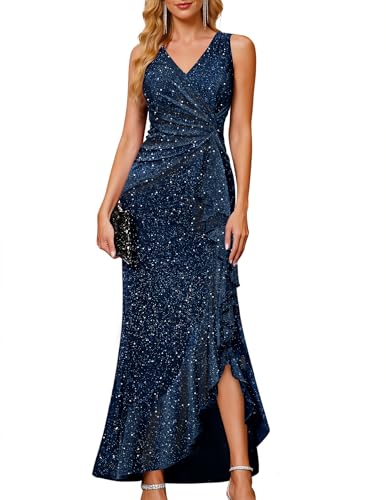

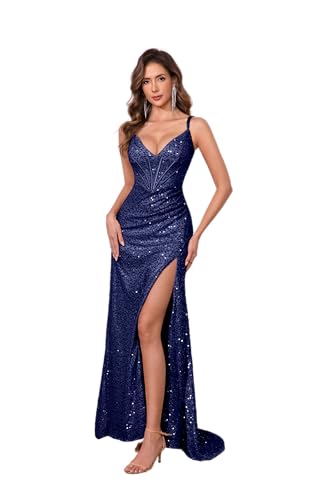


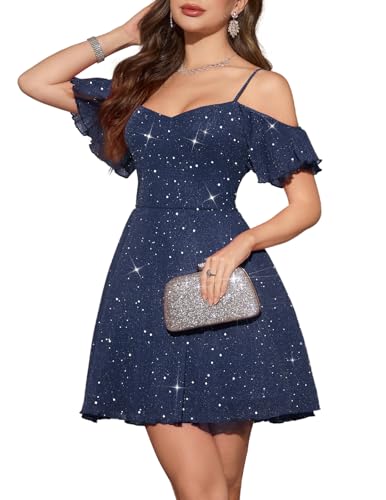


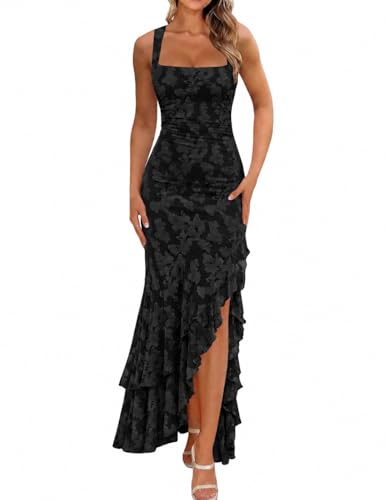


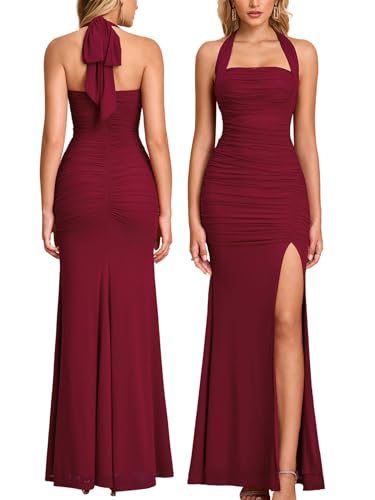
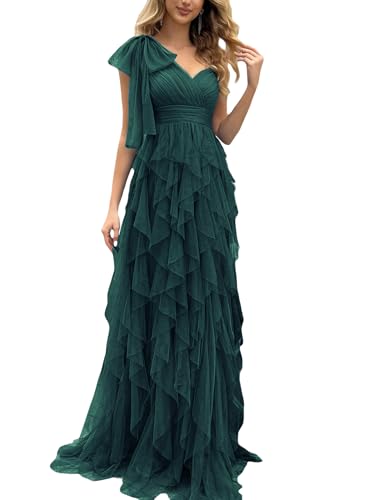


Dress the Population Women’s Jordan Plunging Drape Front Sleeveless Long Gown with Slit
Original price was: $288.00.$248.00Current price is: $248.00.


Fitted Prom Dresses: Frequently Asked Questions
What is the difference between tailored fit and stretch fit?
Tailored fit shapes the body through darts, princess seams and structured lining, using pattern-cutting rather than fabric stretch. Stretch fit relies on the fabric's own elasticity to cling closely with far less internal construction.
Which one photographs more precisely?
Tailored fit generally, since seams control the silhouette exactly rather than the fabric stretching to fit. Stretch fit is more forgiving of small measurement differences but holds its line less precisely.
Why is sizing more critical in a tailored dress?
There is close to zero tolerance for being off in either direction. Too small and it will not close; too large and the shaping seams sit in the wrong place. A stretch bodycon dress carries less risk if you are between sizes.
What is a sheath cut specifically?
A silhouette that follows the body's line from shoulder to hem with no defined waist seam, relying entirely on precise side-seam shaping. It depends heavily on fabric quality, since there is no gathering or embellishment to distract from a poor fit.
Does a mermaid cut restrict movement here too?
Yes, the same considerations as bridal mermaid styles apply: shortened stride, more difficulty sitting for a long period, and almost no tolerance for a size being off through the hip.
Can a fitted sleeve be let out if it is tight?
No. A fitted sleeve is cut as part of the same structured pattern as the bodice and cannot be let out any more than the rest of the dress can, so upper arm measurement matters as much as bust and waist.
What does a slit actually do in a fitted dress?
Restores movement a fully closed fitted skirt would otherwise remove. Without one, a floor-length sheath or mermaid dress can be genuinely restrictive to walk in.
Which fabric suits a tailored fitted dress?
Lace, common in around one in eight listings, since it shapes closely with lining while carrying texture. Satin and crepe both hold a tailored shape cleanly without needing any stretch.
Can a tailored fitted dress be altered easily?
Not as easily as a stretch dress. Taking in a shaping seam shifts the whole silhouette line rather than simply pulling fabric tighter, so professional alteration is generally needed rather than a simple take-in.
Tailored Fit Versus Stretch Fit
Two different approaches both get called fitted, and knowing which a listing uses changes what to expect from comfort and movement.
Tailored fit, more common in this collection given the sheath and mermaid cuts present, shapes the body through darts, princess seams and a structured lining, using pattern-cutting rather than fabric stretch to follow the body's shape.
Stretch fit, the approach behind bodycon and jersey dresses, relies on the fabric's own elasticity to cling closely, with far less internal construction doing the work.
Tailored fit generally holds its shape more precisely and photographs with a cleaner line, since seams control the silhouette exactly. Stretch fit is more forgiving of small measurement differences and more comfortable for movement, since the fabric gives rather than the fit having to be exact.
Why This Matters for Sizing
A tailored, seam-shaped dress has close to zero tolerance for being off in either direction: too small and it will not close, too large and the shaping seams sit in the wrong place on the body entirely.
This makes measuring more important here than in a stretch equivalent, and it makes alterations more involved too, since a tailored seam moved to take in a dress shifts the whole shaping line rather than simply pulling fabric tighter.
If you are between sizes or unsure of your exact measurements, a stretch bodycon dress carries less risk than a tailored sheath or mermaid cut does.
Sheath Cuts
A sheath follows the body's line from shoulder to hem without a defined waist seam or flare, relying entirely on precise shaping through the side seams to create its close fit.
This is the plainest and most architectural of the fitted cuts here, and it depends more than any other on fabric quality, since there is no gathering, ruching or embellishment to distract from a poor fit or mediocre fabric.
A well-made sheath in good fabric is one of the most quietly elegant silhouettes available; a poorly fitted one shows every flaw with nowhere to hide.
Mermaid at Prom
Mermaid cuts, at around one in six listings, bring the same fit considerations seen in bridal mermaid styles: a fitted line through the hip and thigh flaring out below the knee, with very little ease built into the pattern.
The practical consequences are the same regardless of occasion: shortened stride when walking, more difficulty sitting for an extended period, and almost no tolerance for a size being off through the hip.
Sleeves on a Fitted Dress
Around a quarter of listings here have sleeves, and on a tailored fitted dress a sleeve is generally cut as part of the same structured pattern rather than added as a separate, looser element.
A fitted sleeve follows the arm closely in the same way the bodice follows the torso, which means upper arm measurement matters as much here as bust and waist do, and a fitted sleeve cannot be let out any more than the rest of the dress can.
Where Slits Fit In
Around one in five listings has one, and in a tailored fitted dress a slit serves a genuinely practical function beyond decoration: it restores some of the stride and movement a fully closed fitted skirt would otherwise remove entirely.
Without a slit, a floor-length fitted sheath or mermaid dress can be genuinely restrictive to walk in; with one, normal movement becomes considerably easier.
Fabric
Lace, at around one in eight listings, is common in tailored fitted styles since it can be shaped closely with lining and boning while carrying visible texture, the same reasoning that applies to lace mermaid bridal gowns.
Satin and crepe both hold a tailored fitted shape cleanly without needing stretch, and are common bases for the sheath and mermaid cuts in this collection.
Sizing
Take bust, waist, hip and, for the sleeved styles, upper arm, all measured carefully given how little tolerance a tailored fit allows.
For mermaid cuts specifically, measure hip and thigh both seated and standing, since the difference between the two can matter more in this silhouette than in almost any other.
Order to your largest measurement and expect that a tailored fitted dress needs professional alteration rather than a simple take-in. The US size chart covers conversions.
Related Collections
For stretch-fabric fitted dresses, see tight prom dresses. For the mermaid cut in bridal, browse lace mermaid wedding dresses. For the full prom range, see prom dresses.