
Plus Size 16 Dresses for Women
Plus size 16 dresses for women sit at a point where some retailers use standard sizing and others use plus or 16W patterns. That makes direct chart comparison more reliable than assumptions. The product grid below may include size-16 and 16W formal, cocktail, work, casual, wedding-guest, wrap, A-line, fit-and-flare, midi, and maxi dresses.
Check whether the listing describes 16, 16W, XL, 1X, or another equivalent. These labels can use different bust, waist, hip, armhole, and torso proportions. Measure the body and compare the exact garment construction, including stretch and lining.
Use work dresses, casual dresses, and wedding guest dresses to narrow the selection. Verify current seller, delivery, returns, and inventory after clicking a product.
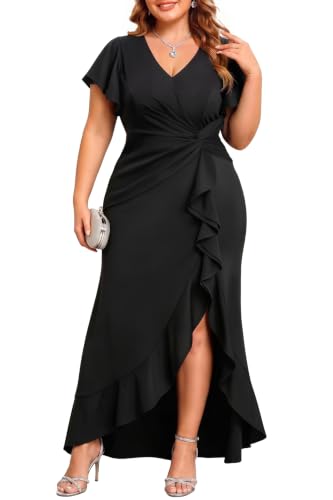



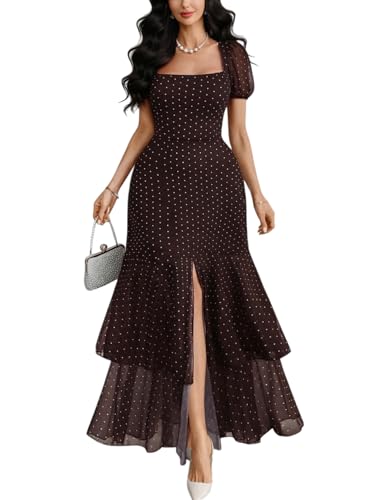


Frequently Asked Questions About Plus Size 16 Dresses for Women
Is size 16 the same as size 16W?
No universal rule applies. A 16W may use a plus-size pattern with different bust, waist, hip, armhole, or torso proportions. Compare the exact brand charts.
Is size 16 equal to XL or 1X?
Sometimes retailers show overlapping measurements, but labels are not standardized. Use inches for the exact garment rather than a generic conversion.
What should I measure for a size 16 dress?
Measure bust, natural waist, full hip, shoulder, upper arm, and required length while wearing the intended bra and underlayers.
Which size 16 dress shapes are versatile?
A-line, fit-and-flare, wrap, shirt, sheath, midi, and maxi styles can cover work, weddings, cocktail events, and casual use.
How do I check a button-front dress?
Check bust gaping, button spacing, shoulder fit, sleeve movement, waist position, and whether the skirt remains closed while sitting.
Can size 16 formal dresses be altered?
Many can be hemmed or adjusted at straps and seams. Beading, lace, sleeves, pockets, and narrow seam allowance may limit changes.
How do I choose between size 16 and 18?
Compare the exact measurements and the garment’s least flexible area. Consider fabric stretch and whether small alterations are practical.
What should I verify on a marketplace listing?
Confirm seller, current price, size chart, material, lining, closure, shipping, returns, care, and included accessories.
Should I buy by my usual dress size?
Use your usual size only as a starting point. Brand measurements, pattern blocks, and garment construction can differ.
Why Size 16 Requires Careful Chart Comparison
Size 16 can appear in more than one sizing system. A standard 16, plus 16W, XL, or 1X may overlap, but they are not guaranteed to share proportions. One may provide more bust or hip room; another may use narrower shoulders or a different waist position.
Compare inches, not conversion tables from unrelated retailers. If both 16 and 16W are available, inspect each chart and customer feedback for the specific garment.
Measure With the Intended Foundation Garments
Take bust, waist, hip, upper arm, shoulder, and length measurements while wearing the bra and underlayers planned for the dress. A different bra can change the bust shape and where the waist seam sits.
Keep the tape level and comfortable. Do not pull it tight to force a smaller result. The purpose is to match the garment, not to achieve a particular label.
Standard 16 Versus 16W
Retailers may grade 16W from a plus-size block with different proportions. This can affect armholes, bust depth, waist-to-hip relationship, and torso length. However, there is no single rule that applies across all brands.
Use the dress chart and finished garment information. A 16W is not automatically the correct choice, and a standard 16 is not automatically smaller in every dimension.
A-Line and Fit-and-Flare Dresses
A-lines provide increasing room below the waist and work across office, wedding, cocktail, and casual settings. Fit-and-flare styles add more waist definition and skirt movement. Check where the seam reaches your torso.
Choose according to preferred fit and occasion rather than a body-shape rule.
Wrap, Shirt, and Belted Dresses
Wrap and belted dresses can adjust at the waist, while shirt dresses offer button-front practicality. Check bust gaping, button spacing, skirt overlap, and tie length. A belt cannot correct narrow shoulders or tight sleeves.
For work, confirm that the neckline and buttons remain secure while seated. For casual use, evaluate washing and wrinkle behavior.
Sheath Dresses and Tailoring
A size-16 sheath needs accurate bust, waist, hip, and length fit. Look for darts, princess seams, stretch, lining, and vents. A polished sheath can work for office and cocktail events when it permits movement.
If the bodice fits but the waist or hem needs a small adjustment, tailoring may be effective. Ask before removing tags.
Size 16 Formal Dresses
Formal choices may include satin, crepe, chiffon, lace, velvet, and embellished styles. Check lining and structure. A formal gown should be wearable for the actual ceremony, dinner, and reception—not only a standing photograph.
Use formal dresses for event-focused products. Plan shoes before evaluating length.
Wedding Guest Options
Use the invitation to determine formality. Floral midi, wrap, and chiffon styles suit many daytime weddings; long crepe, satin, velvet, or lace may suit evening. Venue terrain and temperature matter.
Browse wedding guest dresses. Confirm that the dress remains comfortable through travel and extended sitting.
Cocktail Dresses
Size-16 cocktail dresses may use fitted knits, lace, sequins, wrap construction, or fit-and-flare skirts. Check the hem while seated, zipper, neckline, sleeves, and fabric recovery.
Compare cocktail dresses for party-specific products. Wear the planned shoes and bra during the fit test.
Professional Dresses
Office-ready styles need appropriate coverage, movement, and durability. Ponte, crepe, shirt dresses, wraps, and structured knits can layer with blazers and cardigans.
Use women’s work dresses. Check whether pockets gape or sleeves bunch beneath a jacket.
Casual Size 16 Dresses
Jersey, cotton blends, sweater dresses, casual maxis, and shirt dresses can cover weekends, travel, and everyday use. Look for opacity, washable care, and fabric that retains shape.
Browse casual dresses. A relaxed label should not mean an excessively large neckline or dragging hem.
Fabric Stretch and Transparency
Thin stretch fabric may become transparent over the bust or hip. Test under natural and bright indoor light. Heavier ponte provides more structure but can feel warm. Chiffon and lace depend on lining.
Read fiber content and review photos. Do not assume all dresses containing elastane stretch equally.
Sleeves and Armholes
Measure the upper arm for fitted sleeves. Check whether the sleeve lining stretches. Sleeveless armholes should cover the bra and lie flat without cutting into the skin.
Flutter, bell, and kimono sleeves offer room but may affect layering. Choose based on function as well as appearance.
Necklines and Support
Square, scoop, V, high, halter, and off-shoulder necklines require different bras and coverage. Browse neckline categories to compare options.
Perform a bending and seated test. A neckline that is secure while standing may gape in movement.
Length and Petite or Tall Fit
Size does not determine height. A size-16 midi may be maxi length on a petite shopper or below-knee on a tall shopper. Use the actual measurement and length categories.
For long dresses, include shoes and consider alteration. For short dresses, check seated coverage.
Review Evidence That Matters
Prioritize reviews with body measurements, size purchased, height, and specific comments about bust, sleeves, waist, hip, or length. Generic “perfect fit” feedback may not transfer.
Check whether the review photo shows the exact color and variation. Marketplace pages may group products.
Return and Exchange Strategy
Order with time to compare 16 and 16W where available. Keep tags and packaging. Test sitting, walking, stairs, and the intended undergarments before making the decision.
For an important event, allow time for a backup size or local alternative.
Affiliate Shopping Checks
MotherBrideDress.com organizes affiliate listings. The third-party retailer controls current seller, price, size stock, delivery, specifications, and returns.
Verify the exact chart, material, care, closure, lining, included accessories, and seller before purchasing.
Common Size 16 Mistakes
- Assuming 16 and 16W are interchangeable.
- Using a generic conversion from XL or 1X.
- Measuring without the intended bra.
- Ignoring upper-arm and shoulder dimensions.
- Choosing from a model’s hem position.
- Believing a belt corrects poor bodice fit.
- Removing tags before a seated test.
- Missing the retailer’s exchange window.
Select the Size 16 Construction That Works for You
Use measurements to choose between 16, 16W, or neighboring labels. Then evaluate fabric, silhouette, coverage, and occasion. A good dress should remain comfortable through normal movement and the full event.
Return to dresses by size or compare size 18 dresses when the listing’s size-16 measurements are too small or use a different proportion.
Use the Wider Product Choice Strategically
Because size 16 may appear in more departments, compare rather than assuming more choice means easier fit. Some standard-range dresses offer fashionable colors but limited arm or bust room; some plus-range styles provide different proportions but fewer lengths. Start with measurements and construction, then use the broader selection to find the preferred design.
Check whether returns can be combined when ordering two pattern versions from the same retailer.
Petite, Regular, and Tall Lengths
A separate length option can solve more than hemming. Petite and tall patterns may change bodice and waist placement as well as the skirt. Read the brand description before choosing solely from height.
When no alternate length exists, compare shoulder-to-waist and shoulder-to-hem measurements. A tailor can shorten a simple hem more easily than correct a waist seam in the wrong position.
Build an Event Capsule
A solid midi or wrap dress may work for a wedding, dinner, work event, and holiday gathering with different accessories. A distinctive sequin or printed dress may be ideal for one occasion. Decide whether versatility or a specific statement is the priority.
Choose shoes and a layer that can work with multiple outfits when budget or luggage is limited.
Colors and Prints
Check opacity in pale colors and lint in dark fabrics. Large prints may vary between garments, and border prints can complicate hemming. For work, consider how the print appears under a jacket. For photographs, compare the color under daylight and indoor light.
The strongest color is the one that suits the event and integrates with the rest of the outfit, not a rule based on size.
A Structured Comparison Checklist
- Exact chart and pattern range
- Bust, waist, hip, arm, shoulder, and length
- Outer fabric and lining stretch
- Closure and neckline security
- Delivery and return deadline
- Alteration and care requirements
Use the checklist before reviewing trend details. It reduces returns caused by overlooking one restrictive feature.
Home Care and Storage
Keep garments on supportive hangers and avoid stretching knit shoulders. Fold heavy sweater dresses rather than hanging them. Protect sequins and lace from rough surfaces. Follow the label for washing, drying, and pressing.
A dress that is difficult to maintain may still be appropriate for a special event, but the care requirement should be known before buying.
Search Terms Without Losing Focus
Marketplace titles may combine size, occasion, sleeve, fabric, and flattering claims. Use specific filters—size 16, length, fabric, event, and sleeve—but judge the product from verified details. Ignore unsupported promises about how a dress will change the body.
Save only listings that provide enough measurements, seller information, and return protection to make a responsible decision.
Evaluate the Back of the Dress
Product pages emphasize the front, but the back closure, bra coverage, vent, and seam alignment can determine whether the dress works. Use a mirror or photographs to check zipper pulling, neckline gaping, and whether a slit opens higher than expected when walking.
For work and formal events, confirm that the back remains smooth under a blazer or shawl.
Decide Whether the Dress Is Worth Altering
Small hemming or strap changes may turn a good fit into an excellent one. A dress that needs the shoulders, bust, waist, sleeves, and hem rebuilt is usually the wrong starting point. Ask for a tailoring estimate before the return deadline.
Compare the total cost with another style that fits more closely out of the package.
Confirm Comfort Across a Typical Day
Wear the dress long enough to test commuting, sitting, eating, reaching, and layering. A style that feels acceptable for five minutes may reveal a tight armhole, rolling waist, or shifting neckline after normal movement. Make the keep-or-return decision from that realistic trial, not from the first mirror view.