
Chiffon Dresses for Women
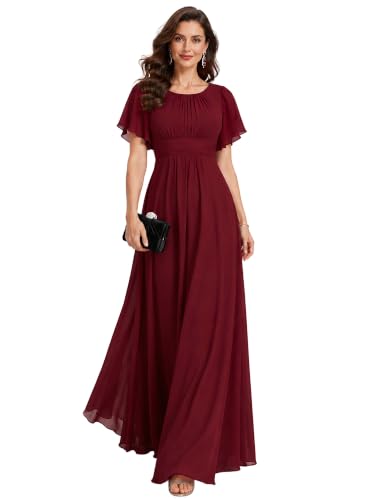
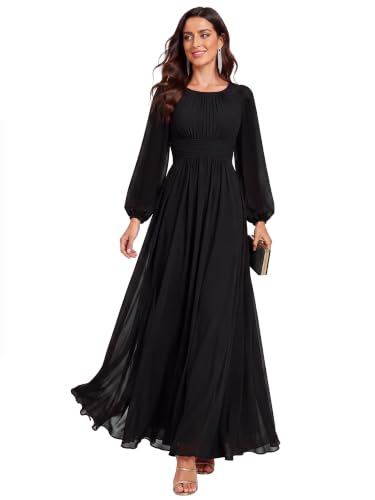
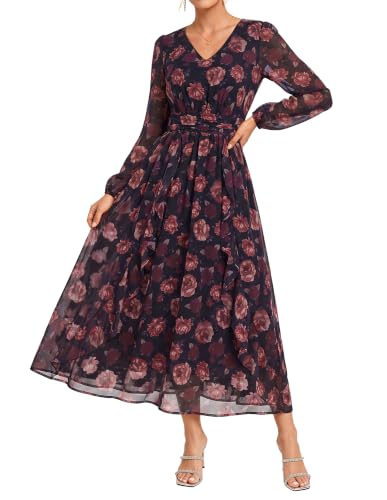
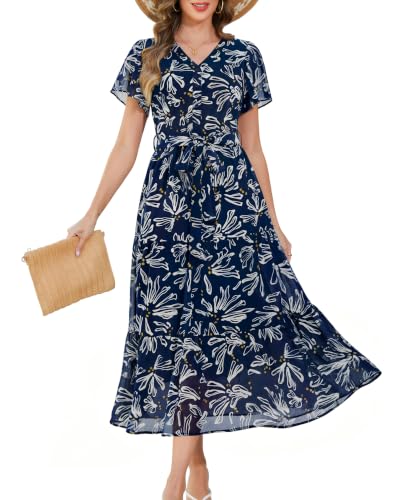
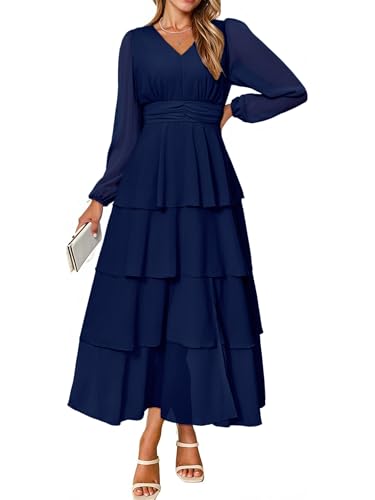
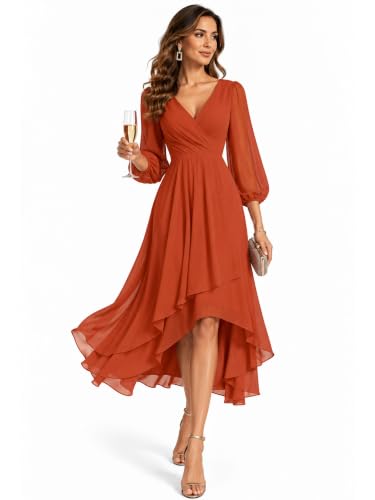
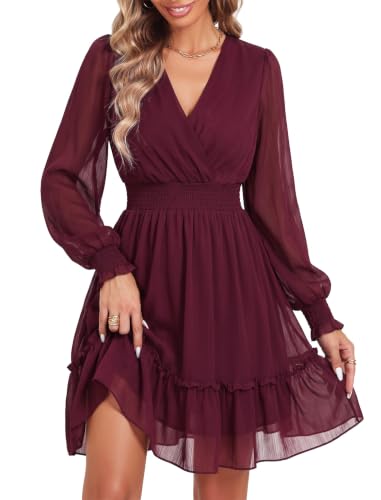
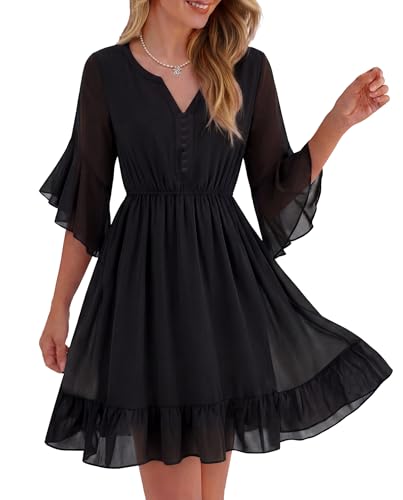
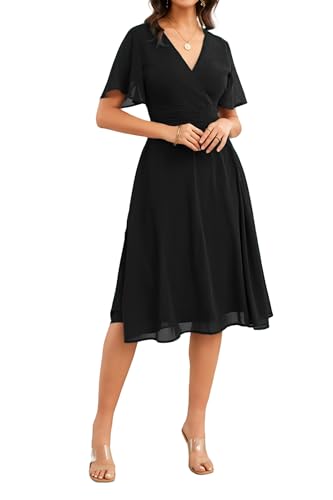
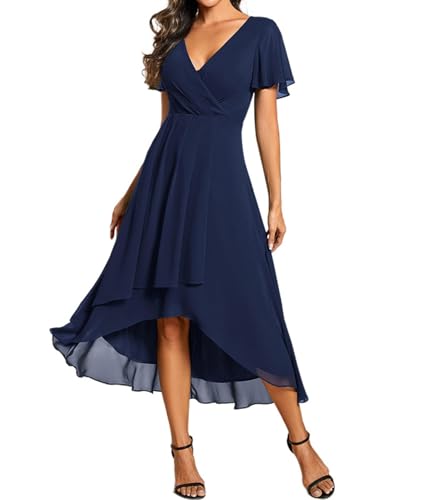
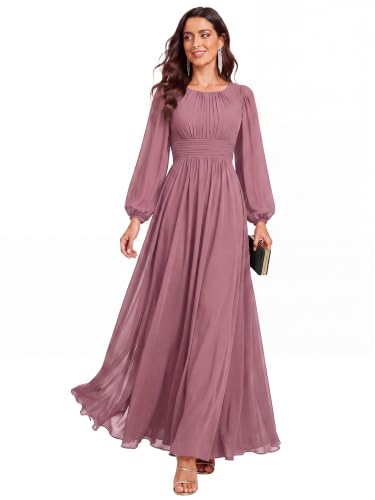
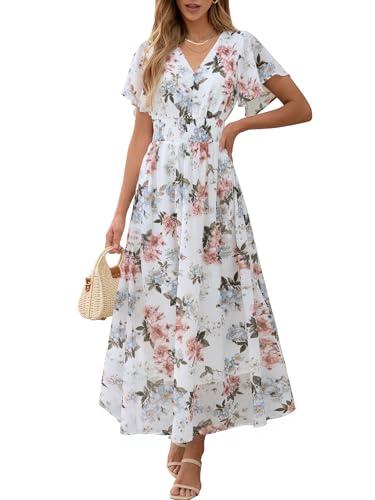
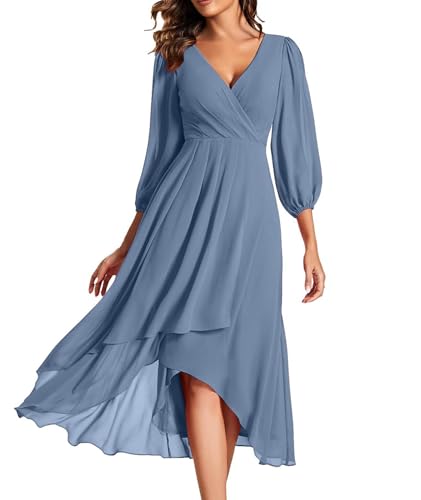
Chiffon Dresses for Women range from light wedding-guest midis and summer maxis to formal A-line gowns, bridesmaid dresses, mother-of-the-occasion styles, layered cocktail dresses, and chiffon evening gowns. Chiffon is valued for its airy drape and movement, but the outer fabric alone does not determine comfort or fit. The lining, pleating, number of layers, sleeve construction, opacity, static, snag risk, hem finish, and underlying bodice are what make one chiffon dress practical and another difficult to wear.
Use this category to compare chiffon-led construction rather than dresses that mention chiffon only in a sleeve or trim. Related shopping paths include styles of dresses, formal dresses, ball dresses, and petite dresses. For online purchases, verify the exact fabric description, lining, seller chart, return terms, and whether the chiffon construction appears in the selected variation.
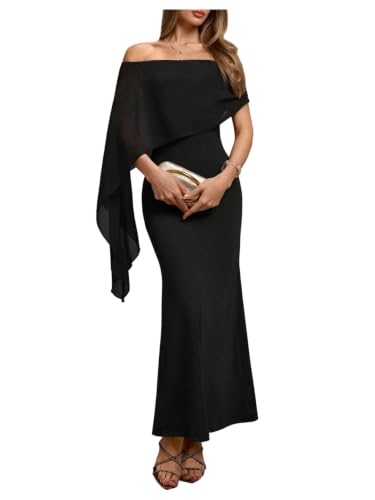
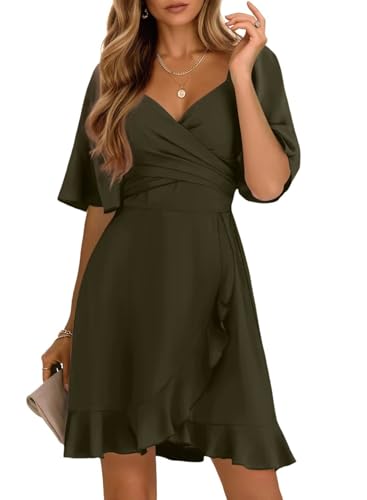
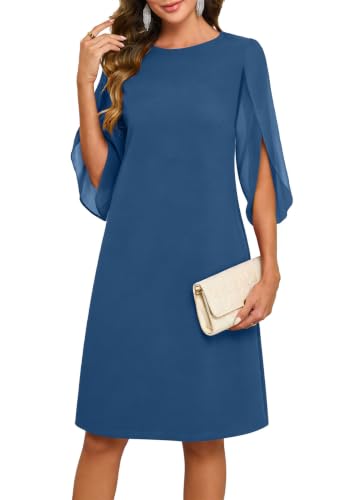
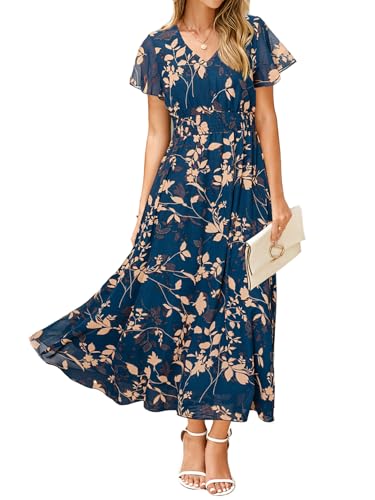





Frequently Asked Questions About Chiffon Dresses for Women
Is chiffon always sheer?
Chiffon is usually sheer or semi-sheer, but dresses commonly use lining or multiple layers for coverage. Check the exact construction.
Is chiffon stretchy?
Traditional woven chiffon usually has limited stretch unless made with stretch fibers or special construction. The lining may stretch differently from the outer layer.
What is the difference between chiffon and organza?
Chiffon is generally softer and more fluid, while organza is crisper and holds shape more strongly.
Does chiffon cling from static?
It can, especially synthetic chiffon in dry indoor air. Test the dress with the intended underlayers before the event.
Can chiffon dresses be hemmed?
Yes, but narrow hems, multiple layers, pleats, asymmetry, or embellishment can increase tailoring time and cost.
Are chiffon dresses good for formal events?
Yes. Formality depends on length, bodice structure, embellishment, color, and dress code rather than chiffon alone.
What should I verify before ordering chiffon dresses online?
Check fabric composition, lining, opacity, size chart, sleeve fit, garment length, seller, delivery, returns, and alteration needs.
What Chiffon Feels and Looks Like
Chiffon is a lightweight, sheer or semi-sheer woven fabric with a soft, slightly textured surface and fluid movement. Many occasion dresses use polyester chiffon because it is durable and accessible, while specialty garments may use silk chiffon. The fiber affects hand, care, price, and static, but construction matters just as much: pleats, layers, lining, and gathering can make two chiffon dresses behave very differently.
Because chiffon is often sheer, the lining usually provides opacity and much of the garment’s actual fit. Always evaluate the lining as part of the dress, not as a separate minor detail.
Chiffon vs Georgette, Organza, and Tulle
Chiffon is often confused with other sheer fabrics. Georgette usually has more body and a grainier hand; organza is crisper and holds shape; tulle is an open net. A seller may use those names loosely, so close-up photos and fiber descriptions help. Chiffon generally creates softer drape and floating layers rather than rigid volume.
This distinction matters for search intent. A shopper looking for a flowy chiffon gown may be disappointed by stiff organza, while someone wanting a structured ball skirt may find chiffon too soft unless it has substantial understructure.
Chiffon Wedding Guest Dresses
Chiffon works well for wedding guests because it can move from daytime to formal evening depending on length, color, and embellishment. Floral chiffon midis and maxis suit garden, outdoor, and semi-formal settings, while solid-color pleated or embellished chiffon gowns can work for formal and black-tie events. Use the invitation rather than the fabric name to judge formality.
For outdoor weddings, consider wind. Light skirts and flutter sleeves can lift easily, so test movement and choose underlayers that remain appropriate if the fabric shifts.
Formal Chiffon Gowns
Formal chiffon gowns often use a fitted lining with a flowing overlay. Pleated skirts, cape sleeves, beaded bodices, one-shoulder drapes, V-necks, and empire waists are common. The chiffon creates movement, while the bodice and lining provide structure. Check whether the gown has cups, boning, waist stay, or only a soft lining.
For floor-length styles, select shoes before hemming. Chiffon moves while walking, so the hem should clear the floor enough to prevent catching under the heel.
Pleated Chiffon and Permanent Creases
Knife pleats, accordion pleats, sunburst pleats, and gathered chiffon create different volume. Fine pleats can visually elongate the skirt but may be difficult to restore if crushed or altered. Do not apply high heat or aggressive steaming without checking the care label because pleat setting can be damaged.
When hemming a pleated chiffon dress, ask a tailor whether the pleat structure continues to the hem and whether shortening from the waist or another seam would preserve the design better.
Lining, Opacity, and Sheer Panels
Chiffon often looks more opaque in layered product photography than in direct sunlight. Check the lining at the bust, waist, hip, slit, and skirt. Some dresses use nude mesh or partial lining to create an illusion effect, while others use full-color lining. Flash can reveal cup edges, seams, or undergarments that are subtle in studio images.
Test the received dress near a window and with flash. If the lining is too short or tight, the outer chiffon cannot compensate for it.
Sleeves, Capes, and Chiffon Arm Movement
Flutter sleeves, bishop sleeves, cape sleeves, cold-shoulder overlays, and sheer long sleeves are popular because chiffon moves easily. However, narrow armholes or nonstretch sleeve seams can still restrict the wearer. Check upper-arm circumference and shoulder mobility when sleeves are fitted at any point.
Cape sleeves can add dramatic coverage without a close arm fit, but they need enough room for dining and sitting. Long chiffon ties or drapes should not trail into food or catch on chairs.
Static, Cling, and Dry Indoor Air
Chiffon can develop static, especially polyester chiffon in dry, air-conditioned venues. Static causes layers to cling to the legs or lining instead of hanging freely. Follow garment-care guidance and test the full outfit, including hosiery and shapewear, because synthetic layers can increase static interaction.
A properly fitted lining and enough skirt ease reduce some cling. Avoid improvising with products that could stain delicate fabric shortly before an event.
Snags, Jewelry, and Surface Damage
Chiffon is lightweight and can snag on prong-set rings, bracelets, textured clutches, Velcro, rough chair edges, or damaged zippers. Beaded bodices can also snag their own chiffon skirts during storage. Choose smooth accessories and protect the dress from sharp hardware when traveling.
Inspect the fabric when it arrives. Small pulls can distort the weave and may become more visible under light. Do not accept significant snags in a new formal dress if the return window is still open.
Fit Comes From the Lining and Bodice
Because the chiffon overlay floats, shoppers may assume the dress is automatically forgiving. In reality, the lining, waist seam, zipper, bodice, and sleeves set the actual fit. Measure bust, waist, hips, shoulders, torso, upper arms when relevant, and garment length. A loose chiffon skirt cannot fix a too-tight lining.
Wrap and empire chiffon dresses may offer more waist or hip tolerance, but neckline overlap and bust coverage still need testing while seated.
Petite Chiffon Dresses
Petite chiffon dresses can reduce the need to alter multiple sheer layers and can improve waist, shoulder, and sleeve placement. This matters for pleated gowns, tiered skirts, and beaded hemlines where shortening a regular-length dress can be expensive. Use the petite dresses collection when shorter vertical proportions are needed.
Even petite chiffon gowns may require final hemming based on heel height. Choose shoes before the fitting.
Chiffon Alterations and Hemming
Chiffon hems require clean, narrow finishing and careful handling because the fabric can shift while sewing. Multi-layer skirts multiply the work. Beaded edges, pleats, scallops, asymmetrical hems, and attached capes increase complexity. Bodice changes may also affect how the overlay drapes.
Get an alteration estimate before the return deadline. If several vertical details are wrong, a petite or different style may be more practical than extensive reconstruction.
Care, Steaming, and Storage
Follow the manufacturer care label. Many chiffon occasion dresses require gentle steaming or professional cleaning. Excessive heat can damage polyester fibers, flatten pleats, affect glued embellishments, or create shine. Store the dress on a suitable hanger with enough space so chiffon is not crushed under heavier garments.
For travel, fold with clean tissue or use a garment bag and hang the dress as soon as possible. Keep beaded surfaces from rubbing directly against chiffon.
How to Choose Chiffon Dresses for Women
Start with occasion and length, then compare the chiffon construction: plain, pleated, tiered, printed, floral, cape, sleeved, embellished, or layered. Next inspect the lining, bodice support, transparency, movement, static risk, hem, and seller chart. For formal intent, move through formal dresses; for silhouette-led volume, compare ball dresses.
The strongest chiffon purchase is one where the lightweight outer fabric is supported by a well-fitting lining and construction that remains comfortable through sitting, walking, wind, dancing, and photography.