
Sweetheart Dresses
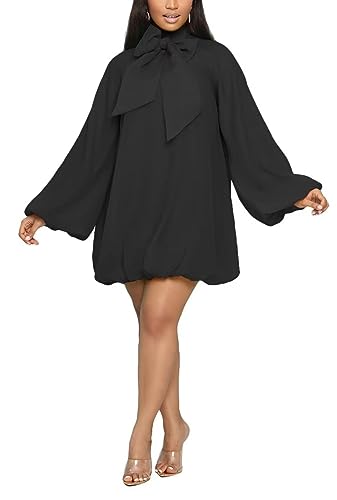
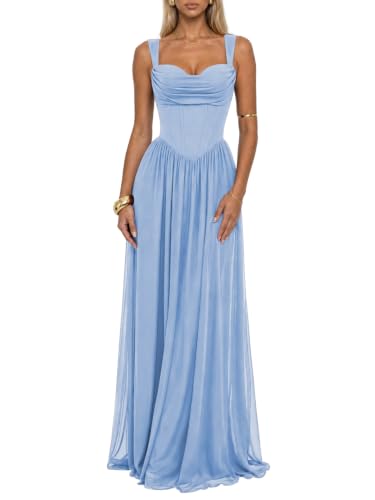
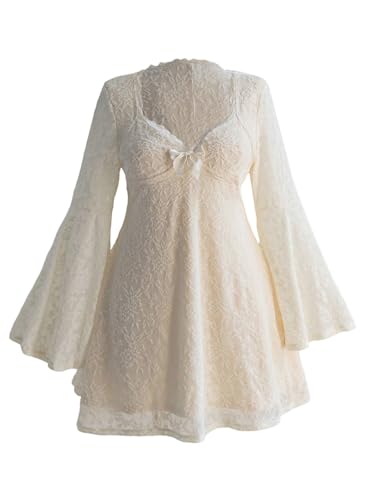
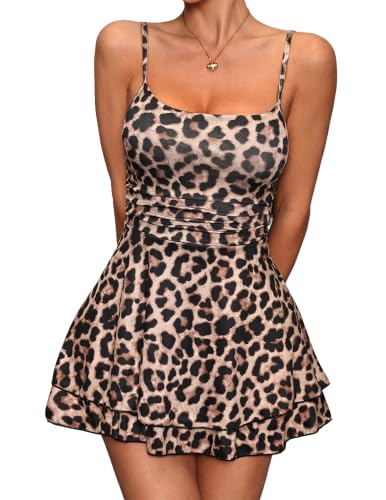
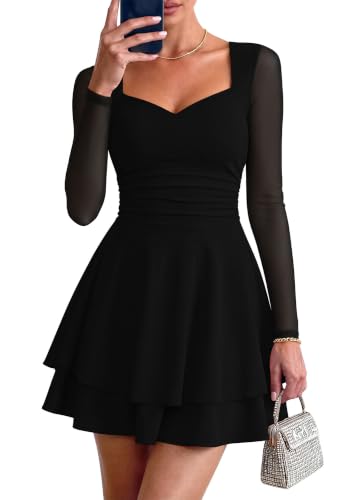
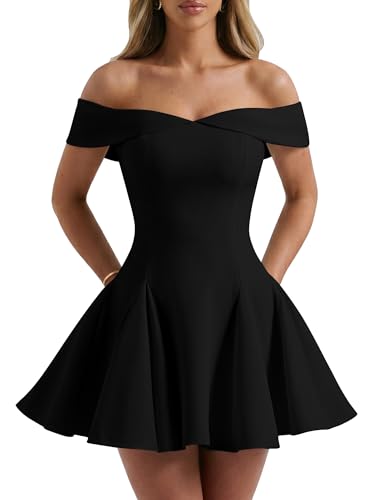
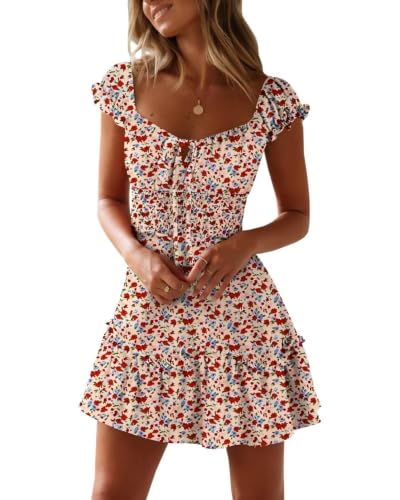
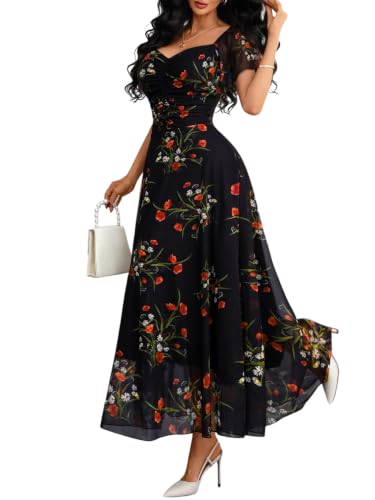
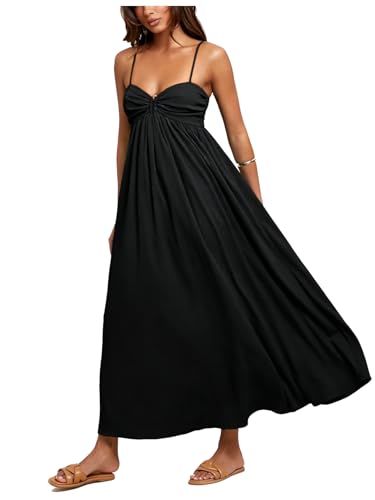
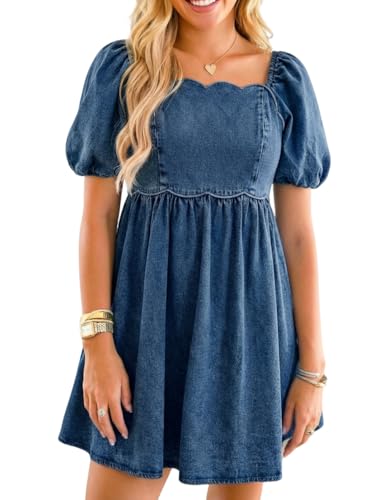
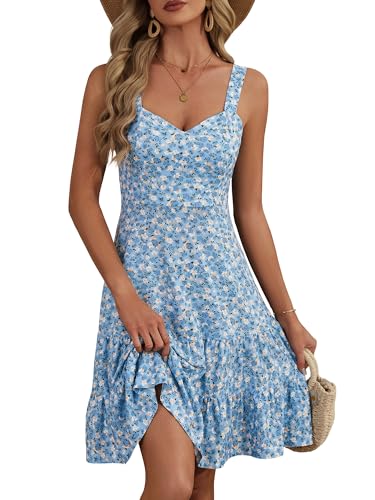
Sweetheart Dresses cover dresses with a curved top edge that rises over the bust and dips at the center, with strapless, strapped, off-shoulder, sleeve, corset, cocktail, prom, bridesmaid, wedding guest, and formal variations. The product grid may contain strapless sweetheart gowns, corset minis, satin midis, lace A-lines, off-shoulder dresses, mermaid gowns, puff-sleeve styles, plus-size formal dresses, and beaded prom options. Filter first by the actual invitation or use case, wearer and garment type, required hem or coverage, and exact measurements; then compare the selected seller, fabric, lining, closure, current delivery estimate, and return eligibility.This page is neckline-led and distinguishes true sweetheart shaping from soft square, scoop, straight, and plunge fronts while emphasizing cup placement and center-front stability. Retailers frequently combine casual, cocktail, wedding guest, homecoming, prom, work, and formal products inside the same navigation path. This guide separates those intents using construction, length, exposure, venue, and wearer role so the page remains a useful commercial comparison category.Related paths include square neck dresses, strapless dresses, off-shoulder dresses, and dress necklines. Each link answers a different shopping question: square neck dresses addresses a straighter framed opening; strapless dresses addresses construction without shoulder straps; off-shoulder dresses addresses a neckline extending across the upper arms; dress necklines addresses the full neckline comparison hub.




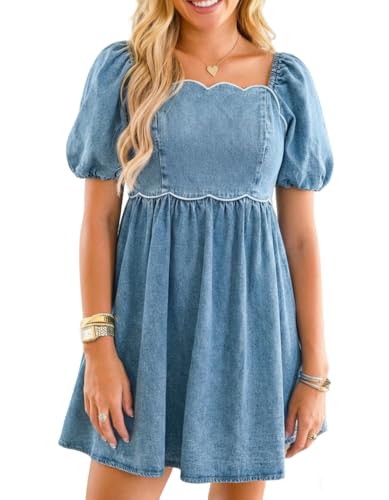

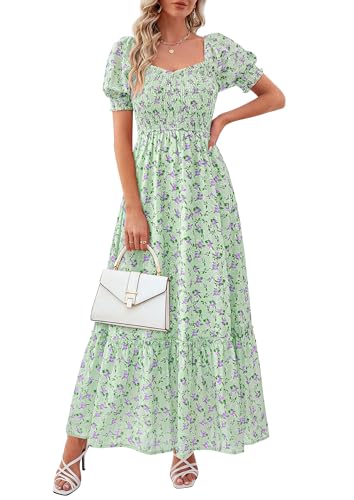
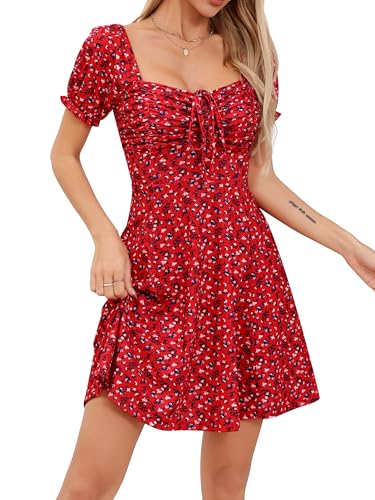


Frequently Asked Questions About Sweetheart Dresses
What is a sweetheart dress?
It has two curved upper sections over the bust with a center dip resembling the top of a heart.
Are sweetheart dresses always strapless?
No. They can use straps, sleeves, off-shoulder bands, or halter support.
Can sweetheart dresses be formal?
Yes. Sweetheart necklines are common in prom, bridesmaid, wedding, gala, and evening gowns.
Which bra works with a sweetheart neckline?
A strapless, bustier, longline, adhesive, sewn-cup, or no-bra solution may work depending on the back and internal structure.
Why does the center of a sweetheart neckline lift?
Possible causes include incorrect cup size, torso length, spacing, lining tension, or boning placement.
Are corset sweetheart dresses always supportive?
No. Some corset details are decorative; functional support depends on cups, boning, fabric, anchoring, and closure quality.
What necklace works with a sweetheart dress?
A short pendant, curved necklace, statement earrings, or no necklace can work depending on beading and neckline depth.
Can a sweetheart neckline be altered?
Sometimes, but molded cups, boning, underwire, lace, and beading can make reshaping expensive or impractical.
What should I verify before ordering?
Check cup width and depth, torso, neckline, straps, fabric, lining, support, seller, delivery, and returns.
What Counts as a Sweetheart Dress
A sweetheart neckline creates two rounded upper curves with a center dip resembling the top of a heart. The dip may be shallow, deep, notched, or softly sculpted, and the neckline can be strapless or supported by straps and sleeves. Cup shape and center placement define the result.
Treat the neckline as a construction feature rather than a universal body-shape rule. The useful evidence is where the edge sits on the wearer, how it connects to straps or sleeves, whether the lining follows the same shape, and whether the opening remains controlled while sitting, reaching, and walking.
Sweetheart Versus Square, Scoop, Straight, and Plunge Necklines
Square necklines use corners, scoop necklines use one continuous curve, straight necklines cross the bodice without a center dip, and plunge necklines emphasize a deeper V-shaped opening. Sweetheart designs rise over each side of the bust before descending at center front.
Use the actual garment rather than the retailer label. Product grids can place several neck shapes under the same filter, and photographs may be pinned or styled to reduce gaping. Compare the front edge, shoulder placement, side coverage, back height, and support plan before deciding which category best describes the dress.
Sweetheart Dresses by Occasion
Sweetheart necklines appear in sundresses, cocktail dresses, bridesmaid dresses, homecoming minis, prom gowns, wedding dresses, and formal eveningwear. A shallow strapped version can be easier for daytime events, while a deep strapless corset requires stronger support and venue approval.
Start with the invitation, workplace, school, ceremony, or venue requirements. Remove dresses that fail a non-negotiable coverage or dress-code rule before comparing color and decoration. A neckline that works at dinner may need a layer for a religious ceremony, while a workplace event may require more stability during speaking and seated networking.
A-Line, Mermaid, Ball Gown, and Corset Sweetheart Styles
Sweetheart bodices commonly pair with A-line, mermaid, fit-and-flare, sheath, and ball-gown skirts. The upper curves must align with the wearer before skirt volume is considered. A dramatic skirt cannot correct cups that sit too high, low, narrow, or wide.
Check the dress from front, side, and back after sitting for ten minutes. Pulling at the zipper, a waist seam that climbs, an opening that spreads, or a skirt that twists indicates a pattern mismatch. The neckline should remain part of a balanced silhouette rather than becoming a continuous adjustment task.
Short, Midi, and Long Sweetheart Dresses
Short sweetheart dresses often serve parties and homecoming, midis can work for cocktail and wedding guest events, and long styles appear at prom, galas, and formal weddings. The combined neckline depth, slit, back, and hem determine the final exposure level.
Use exact garment measurements instead of relying on mini, knee, midi, tea, or maxi labels. Repeat the hem check while seated and walking, account for slits and wrap fronts, and select shoes before alterations. Neckline and hem exposure should be evaluated together for the specific event.
Satin, Lace, Tulle, Velvet, and Crepe Sweetheart Bodices
Satin shows cup and seam tension, lace can soften or disguise the edge, tulle often relies on internal corsetry, velvet adds weight, and crepe can create a clean sculpted line. Stretch in the outer fabric does not guarantee stretch in cups, lining, or boning channels.
Inspect daylight and flash photographs for transparency, shine, cling, seam strain, static, and color shift. Confirm the material, lining, stretch direction, care instructions, and exact selected variation on the final seller page. A structured neckline in a woven fabric behaves differently from the same outline in a soft knit or bias satin.
Cups, Boning, Center Notches, and Waist Stays
Sweetheart dresses may use molded cups, padding, princess seams, boning, underwire, grip elastic, waist stays, or lace-up backs. Confirm that both curves are symmetrical and the center notch lies flat instead of folding, rolling, or pulling away from the body.
Test every zipper, button, tie, snap, hook, and strap before removing tags. Check whether the lining is tighter than the outer layer and whether boning, cups, lace, beads, or piping cross likely alteration points. Decorative detail cannot compensate for an unstable edge or weak closure.
Bust Support in Sweetheart Dresses
Cup width, depth, spacing, and vertical placement are central to sweetheart fit. A strapless style must resist downward pull from the skirt, while strapped versions still need cups that match the wearer. Decorative corset seams do not always provide functional support.
Fit the dress with the intended bra, cups, tape, or base layer. Inspect cup placement, side coverage, back height, armhole exposure, shoulder pressure, and whether the neckline stays in place during a hug and with both arms raised. Fashion tape should refine a correct fit, not hold the garment together.
Strapless, Strapped, Off-Shoulder, and Sleeved Sweetheart Styles
Straps can stabilize the curves, off-shoulder bands can alter arm movement, and sleeves add shoulder and upper-arm variables. Removable straps should attach securely and sit at a useful angle. A tight outer layer can distort the neckline or push the center notch upward.
Measure shoulders and upper arms and test reaching, sitting, and coat compatibility. Tight outerwear can move a neckline, crush a sleeve, or pull a strap outward. Return a dress with restricted movement rather than assuming the fabric will loosen safely during the event.
Measuring for a Sweetheart Bodice
Record full bust, underbust, high bust, torso length, shoulder width, and waist in the planned base layer. Fixed cups require more information than a general dress size. Compare cup dimensions and bodice length when the seller provides them.
Compare current body measurements with the exact seller chart and choose from the least flexible area, such as a woven bodice, fixed waistband, lined sleeve, fitted hip, or structured cup. Reviews are most useful when they include height, measurements, purchased size, and the exact product variation.
Color, Beading, and Visual Emphasis
The sweetheart shape already directs attention to the bodice, so bright color, crystals, lace appliqué, embroidery, and contrasting cups increase that emphasis. Check whether decoration is symmetrical and whether flash reveals cups, lining, adhesive support, or seam strain.
Review the selected color in daylight, warm indoor light, and flash after delivery. Surface shine and camera processing can change both the shade and the apparent depth of the neckline. For weddings, school events, uniforms, or coordinated groups, confirm restricted colors before alterations.
Season and Layering for Sweetheart Dresses
Strapless satin and chiffon can suit warm events, while velvet, sleeves, capes, and heavier skirts support cooler seasons. Plan a formal wrap, jacket, or coat that fits over the curves without crushing cups or pulling an off-shoulder band out of position.
Plan the complete route from transportation to venue. Heat, air conditioning, wind, rain, grass, coat storage, and long seated periods affect fabric, straps, sleeves, and layering. Outerwear should fit over the dress without shifting the neckline or crushing texture.
Movement and Neckline Security
Sit, raise both arms, hug, dance, and bend forward to test whether the curves remain aligned and the center front stays flat. A strapless sweetheart dress should not require repeated upward pulling, and a deep notch should not spread beyond the intended coverage.
Complete a fifteen-minute rehearsal in the planned shoes and base layers. Sit, bend, step up, turn, raise both arms, walk at event pace, and practice restroom access. Reject repeated adjustment, restricted breathing, exposed lining, or a neckline and hem that cannot remain controlled.
Bras, Cups, Tape, and Modesty Options
Depending on the back and cup structure, options can include a strapless bra, bustier, longline bra, sewn cups, adhesive support, or no separate bra. A modesty insert can reduce the center dip but must integrate cleanly with the original edge and decoration.
Test the complete outfit in daylight and flash, then remain seated long enough to see whether straps, bands, or seams become visible. Do not size down to force compression or depend on shapewear and tape to correct an incorrectly fitted bodice, waist, or hip.
Necklaces and Jewelry for Sweetheart Dresses
Sweetheart necklines can frame short pendants, curved necklaces, statement earrings, or no necklace. Follow the center dip rather than placing a pendant directly on a heavily beaded notch. Match metal finishes to visible crystals, hardware, or embroidery.
Accessories should support the strongest feature of the dress rather than compete with it. Match metal finishes to visible hardware or beadwork, select heel width for the venue surface, and keep bags away from lace, sequins, fringe, or delicate neckline edges.
Petite, Tall, Plus-Size, and Full-Bust Sweetheart Fit
Fixed cups and bodice length can change significantly across pattern blocks. Petite shoppers may need shorter vertical cup placement, while tall or full-bust shoppers may need more depth and spacing. Size-specific photographs are especially important for corseted designs.
Look for size-specific photographs and garment measurements when available. A design scaled only in width can misplace the neckline, bust, waist, pockets, sleeves, or embellishment. Start with the pattern block closest to the wearer instead of budgeting to reconstruct several landmarks.
Altering a Sweetheart Neckline
Straps and plain side seams may be manageable, but changing molded cups, underwire, boning, a center notch, lace appliqué, or bead placement can require specialist work. Adding a panel is often safer than lowering or reshaping both upper curves.
Get a tailoring estimate before the return deadline and bring the final bra, base layers, and shoes to every fitting. Return a dress that misses several structural measurements; rebuilding the neckline, moving the waist, changing sleeves, and shortening a decorated hem can exceed the value of choosing a better starting garment.
Buying Sweetheart Dresses Online
Verify whether the bodice has cups, padding, boning, grip elastic, stretch, straps, and a lace-up or zipper closure. Look for customer photographs with similar measurements and avoid final sale when cup depth, torso length, or return terms are unclear.
Save screenshots of the selected seller, color, size chart, delivery estimate, and return policy at checkout. Order early enough for inspection, exchange, steaming, and alterations. Compare total cost, including shipping, tax, return fees, tailoring, support pieces, shoes, cleaning, and replacement risk.
Decorative Corsetry Versus Functional Support
Visible seams, lace-up backs, and corset-style panels may be decorative rather than structural. Functional support usually also involves stable fabric, boning placement, cups, waist anchoring, and a closure that can resist the weight of the skirt.
Read the product details and test the received dress instead of assuming the word corset guarantees lift or security. A beautiful sweetheart line should remain stable without over-tightening the waist or relying on tape at every edge.
Keeping the Center Dip Flat
The center dip can roll or stand away when the torso is too short, the cups are too small or far apart, the lining is tight, or the boning ends at the wrong height. Pressing alone will not fix a structural mismatch.
Inspect the bodice from the side and while seated. If the center continues to lift or collapse, return the dress or consult a formalwear tailor before removing tags. Do not force the notch down with adhesive when the surrounding cups do not fit.
Final Sweetheart Dress Checklist
Before ordering, confirm the occasion, neckline depth, cup dimensions, bust and torso measurements, straps or sleeves, fabric, lining, support, seller, delivery, returns, and likely alteration work.
After delivery, inspect the dress in daylight and flash, test every closure, and rehearse sitting, walking, stairs, reaching, transportation, and outerwear. Keep it only when the neckline remains secure without repeated adjustment and the complete garment satisfies the intended occasion.