
Prom mermaid dress
Three quarters of this collection is mermaid cut and three quarters is prom wear, which makes it one of the most focused pages on the site. If you want a fitted prom silhouette that flares below the knee, almost everything here qualifies.Just under six in ten are described as gowns and around half are floor length. Sequin fabric and lace each appear in around three in ten listings, which reflects how strongly prom design leans toward surface decoration.For other prom silhouettes, see prom dresses.



Fanciest Embroidery 2022 Lace Prom Dresses Mermaid Long Evening Gowns for Women
Original price was: $124.90.$115.00Current price is: $115.00.


Miss ord Women’s One Shoulder Off Cutout Formal Sequin Prom Dress Side Split Mermaid Maxi Party Gown
Original price was: $89.99.$59.99Current price is: $59.99.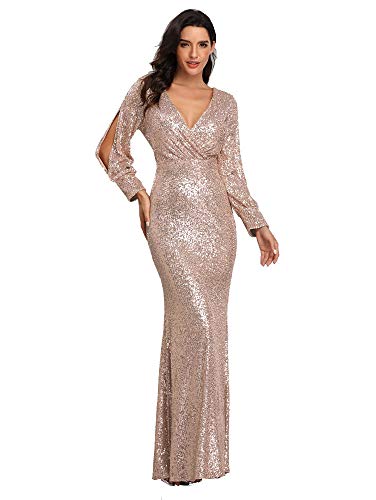
Women’s Shinny Sequin Mermaid Evening Dress Sleeve Prom Gown
Original price was: $69.99.$64.99Current price is: $64.99.


Prom Mermaid Dresses: Frequently Asked Questions
Where should the flare start?
Mid-thigh allows normal walking and dancing. Knee is the classic mermaid and restricts stride noticeably. Below the knee is the most dramatic and the most limiting. Find where the fabric stops following the leg in the product photograph.
Which measurement do people forget?
Thigh, measured at the widest point with legs together. It causes more mermaid returns than any other, because all four fit points have to be right and three out of four does not work.
Can I dance in a mermaid dress?
It depends where the flare starts. A knee-flare mermaid limits how far your feet can separate. If dancing matters, choose a mid-thigh flare or a style with a slit.
Are sequins a good idea in this cut?
They photograph well but a sequin surface follows the body line beneath it, so the fit has to be genuinely accurate. Sequins also add weight, which is noticeable over an evening on a strapless bodice.
What keeps a strapless mermaid in place?
Boning, built-in cups or a corset back. The bodice has to hold itself up while the skirt pulls downward, so a dress with no internal structure will need constant adjusting.
What shapewear works?
Seamless shorts rather than briefs, since a fitted silhouette shows every line and a brief edge sits exactly where the dress is tightest.
Should I choose shoes before the hem?
Yes. A two-inch heel difference decides whether the hem clears the ground or drags, and dragging trips you more easily in a mermaid dress because the fabric sits close to your legs.
How much can a mermaid dress be altered?
Taking in is possible but shifts where the flare sits. Letting out is barely possible, since formal seam allowances are minimal and mermaid seams often run through embellishment. Order to your largest measurement and take in the rest.
Will it pass a school dress code?
The features most often checked are slit height, back exposure and cut-out panels, and mermaid dresses commonly include one or more. Read your school's code before ordering rather than after.
Where the Flare Starts
Every mermaid dress fits closely through the body then flares, but the point where the flare begins changes the dress more than any other single detail, and listings almost never state it.
Mid-thigh flare is sometimes called a fit-and-flare or a modified mermaid. It allows normal walking and stair use. The most practical for an event involving dancing.
Knee flare is the classic mermaid. Stride length is noticeably restricted; you can walk but not stride, and stairs need attention.
Below-knee flare is sometimes called a trumpet at the extreme end. The most dramatic silhouette and the most limiting. Dancing in one is genuinely difficult.
You can judge this from the product photograph by finding where the fabric stops following the leg. It is worth doing, because it decides how the evening actually goes.
The Fit Points That Matter
Mermaid is the least forgiving silhouette in formal wear because it is fitted at four points rather than two.
Bust and underbust. Underbust determines whether a boned or structured bodice grips. A dress that fits at the bust but is loose at the ribs slides down over an evening of dancing.
Natural waist. The narrowest point, not where a waistband sits.
Hip, taken where you are widest rather than at the textbook measuring line, which sits higher than the true fullest point on many people.
Thigh. The measurement most often skipped and the one that causes most mermaid returns. Measure at the widest point of the thigh with your legs together.
All four have to be right. A mermaid dress that is correct at three and wrong at one does not work, which is why buying online in this silhouette needs more care than any other.
Sequin and Lace
Sequin fabric appears in around three in ten listings here, which is high, and it interacts with the mermaid cut in a specific way.
A sequin surface follows and emphasises the body line beneath it. On a fitted silhouette that means every contour is displayed rather than disguised, and the fit has to be genuinely accurate rather than approximate.
Sequins also add weight, and a fully sequined floor-length mermaid gown is heavier than it looks. Over four or five hours that weight is noticeable, particularly on a strapless bodice.
Lace, at a similar share, is more forgiving. Lace over a lining reads as texture and hides more than a smooth surface does, which makes it the easier choice if the fit is close but not perfect.
Moving in It
Prom involves several hours of standing, sitting, photographs and dancing, and a mermaid dress handles those differently from a full-skirted one.
Sitting is comfortable, often more so than in a ball gown, because there is no volume to arrange.
Standing and posing is where the silhouette works best; it is the most photographed prom shape for a reason.
Walking is restricted, and the degree depends on where the flare starts. Stairs need attention, particularly going down.
Dancing is the real question. A knee-flare mermaid limits how far your feet can separate. Some people manage fine; others spend the evening wishing they had chosen differently. If dancing matters to you, a mid-thigh flare or a slit solves it.
Undergarments and Support
Most mermaid prom dresses are strapless or thin-strapped, so the bodice has to hold itself up while the skirt pulls downward.
Look for boning, built-in cups or a corset back. These are what keep a strapless mermaid in position, and a dress without any internal structure will need constant adjusting.
Seamless shapewear matters more here than in a loose dress, since a fitted silhouette shows every line. Shorts rather than briefs avoid a visible edge at the thigh, which is exactly where a mermaid dress is tightest.
Shoes and Length
Around half these dresses are floor length, and mermaid hems are cut long, often to brush the floor or pool slightly.
Decide the shoe before the hem is set. A two-inch difference in heel height changes whether the hem clears the ground or drags, and dragging is more likely to trip you in a mermaid dress than in a fuller skirt, because the fabric is closer to your legs.
A block heel is more stable than a stiletto for an evening of dancing, and the shoe is barely visible in a floor-length mermaid, so comfort costs you nothing visually.
Alterations
Mermaid dresses are the hardest formal silhouette to alter, and it is worth knowing what is possible before ordering.
Taking in the waist and hip is possible but changes where the flare sits, which can shift the whole proportion. Shortening the hem is straightforward on a plain edge and expensive on a beaded or lace one.
Letting out is barely possible. Formal seam allowances are minimal and mermaid seams often run through embellishment.
Order to your largest measurement, usually hip or thigh, and have the rest taken in. Our US size chart covers conversions, and prom labels frequently run smaller than standard sizing.
Dress Code
Schools vary and rules are enforced inconsistently, but the features most often checked are slit height, back exposure and any cut-out panels.
Mermaid dresses commonly include one or more of these, so if your school publishes a dress code it is worth reading it before ordering rather than after.
Related Collections
For other prom silhouettes, see prom dresses. For the same cut in formal colors, browse long black formal dresses. For less fitted options, see A-line cocktail dresses.