
Flowy prom dress
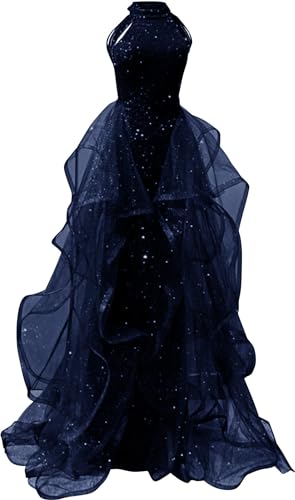
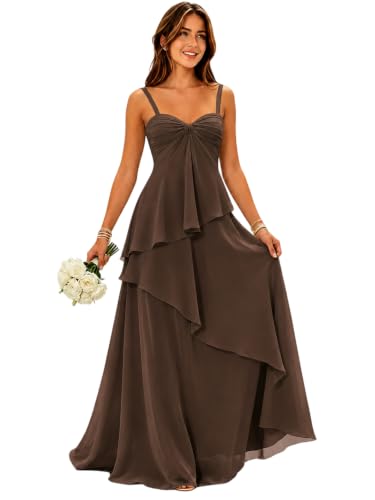
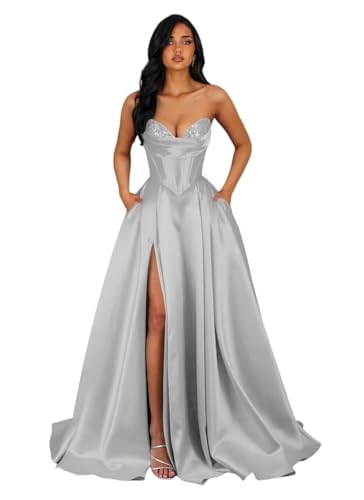
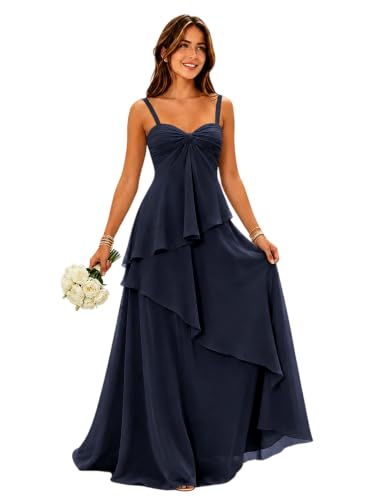
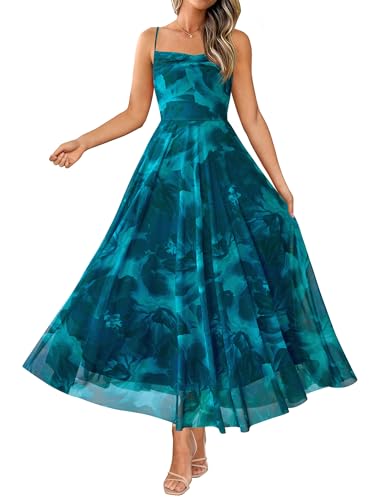
Flowy describes how a dress moves rather than a fixed cut, and this collection is built around fabrics that achieve that rather than a specific silhouette. Chiffon leads at just under four in ten listings, and long, floor-length styles dominate at just over half.Evening and formal wear each account for over half, with prom close behind at just over half. Slits appear in around a fifth, and tiered or ruffled construction each show up in around a fifth too.For a structured alternative, see tight prom dresses.





Flowy Prom Dresses: Frequently Asked Questions
What actually makes a dress flowy?
A combination of lightweight, soft fabric that drapes rather than holds shape, and a cut that releases from the bust or waist rather than fitting closely through the hip, giving the fabric room to move independently of the body.
Are all flowy fabrics the same?
No. Chiffon is sheer and buoyant, catching air readily. Georgette has more body and drapes more heavily. Lightweight satin flows in close, fluid lines. Jersey moves with the body's own motion rather than independently of it.
How is this different from a puffy tulle dress?
Opposite mechanisms. Puffy volume comes from stiffness and multiple net layers that hold shape and bounce. Flowy movement comes from softness, with fabric that has little structure of its own and moves with gravity and the body.
Where does a flowy dress suit best?
Outdoor and destination events where a breeze adds movement, warm-weather occasions since the fabric is lighter to wear, and dancing, where the skirt moves with the body rather than against a fixed structure.
Does a slit behave differently in a flowy fabric?
Yes. Rather than opening to a fixed position, it moves with the fabric, opening more with a stride and settling closed at rest, which reads less revealing at a standstill than the same slit in a rigid material.
What do tiers and ruffles add?
Tiered construction stacks horizontal layers that move somewhat independently, adding depth to the flow beyond a single continuous panel. Ruffles add smaller-scale movement at the edges, catching light differently from the main fabric.
Is a flowy dress forgiving of fit?
Through the hip and waist, generally yes, since the fabric releases rather than fitting closely. Wherever it does fit closely, usually the bust, that measurement needs to be precise since the rest of the dress depends on it.
Is a flowy dress suitable for a very formal event?
Less so than a structured or fitted gown. Flowy construction reads softer and more relaxed than an architectural silhouette, which suits a less formal or outdoor occasion better than a highly formal one.
Does a flowy dress keep you cool?
Generally, yes. Lightweight fabrics that drape rather than structure the body are cooler to wear than the heavier construction a fitted or puffy dress typically carries, which suits warm-weather events.
What Makes a Dress Flowy
The word describes movement, and movement comes from a specific combination of fabric weight and cut rather than any one feature alone.
Light, soft fabrics that drape rather than hold shape, chiffon being the clearest example at just under four in ten listings here, are the starting point. A stiff or structured fabric cannot flow regardless of how the dress is cut.
An A-line or empire silhouette that releases from the bust or waist rather than fitting closely through the hip gives the fabric room to move independently of the body, which is what creates the visible flow as you walk.
Multiple layers of a lightweight fabric, rather than one single layer, add depth to the movement, since each layer catches air and light slightly differently as it moves.
Fabric Weight Is the Real Variable
Not all lightweight fabrics flow the same way, and it is worth understanding the differences before choosing.
Chiffon is sheer and requires lining, and its slight stiffness gives it a floaty, buoyant movement that catches air readily.
Georgette is similar in weight but has a bit more texture and body, giving a slightly heavier drape that moves more like fabric settling than fabric catching air.
Silk or silk-like satin in a lightweight weight drapes closely against the body and flows in long, fluid lines rather than the airier movement of chiffon.
Jersey and other stretch knits flow differently again, moving with the body's own motion rather than independently of it, which suits a more fitted flowy style.
How This Differs From Tulle Volume
Flowy and puffy both create movement, but through opposite mechanisms, and it is worth understanding the difference if movement itself is what you are choosing for.
A puffy tulle skirt creates volume through stiffness and multiple net layers that hold their shape and bounce.
A flowy dress creates movement through softness: the fabric has little structure of its own and moves according to gravity and the body's motion, producing a fluid rather than bouncy effect.
Choosing between them is really choosing between two different kinds of drama: structured volume that holds its shape, or soft movement that follows the body.
Where Flowy Suits Best
Outdoor and destination events, where a breeze interacts with the fabric and adds movement a still indoor room would not provide.
Warm-weather occasions generally, since lightweight flowing fabrics are cooler to wear than the heavier construction a structured or puffy dress typically carries.
Dancing, where a flowing skirt moves with the body rather than requiring the wearer to work around a fixed structured shape.
Where it suits less well: a very formal, structured event where a more architectural silhouette is expected, since flowy construction reads softer and less formal than a fitted or heavily built gown.
Slits in a Flowy Dress
Around a fifth of listings here have one, and in a flowing fabric a slit behaves differently than it does in a stiffer material.
Rather than opening to a fixed position, a slit in chiffon or a similarly soft fabric moves with the fabric itself, opening more with a stride and settling closed at rest, which reads less overtly revealing at a standstill than the same slit in a rigid fabric would.
Layering and Tiers
Tiered construction, at around a fifth of listings, stacks horizontal layers of fabric that each move somewhat independently, adding visual depth to the overall flow beyond what a single continuous piece of fabric would produce.
Ruffled detail, at a similar share, adds smaller-scale movement at the edges or through the body of the dress, catching light and motion differently from the main fabric panel.
Sizing
A flowing A-line or empire cut is generally forgiving of hip and waist variation, since the fabric releases rather than fitting closely.
Where the dress does fit closely, usually through the bust and upper body before the flow begins, take that measurement carefully, since it is the one point of precise fit the rest of the dress depends on.
The US size chart covers conversions.
Related Collections
For a structured alternative, see tight prom dresses. For volume through tulle instead of drape, browse puffy prom dresses. Every other prom style sits in prom dresses.