
Clothing
If you’ve ever felt overwhelmed by a closet full of clothes but had nothing to wear, the idea of a capsule wardrobe can be the perfect solution. The problem often isn’t a lack of options, but a lack of a simple system. A capsule wardrobe isn’t about extreme minimalism; it’s about choosing versatile essentials that all work together to form the backbone of your style.
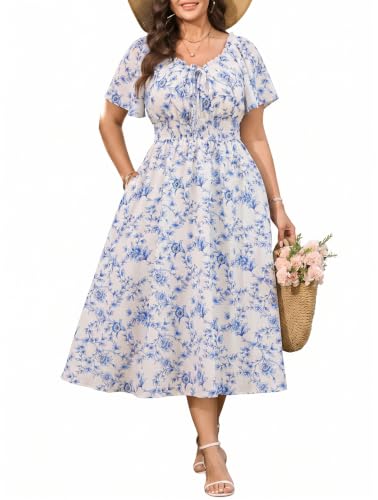


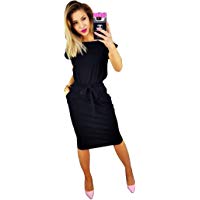

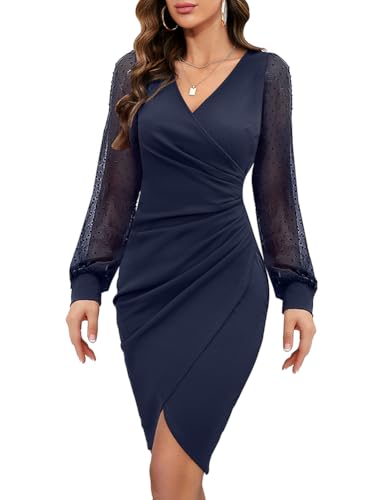
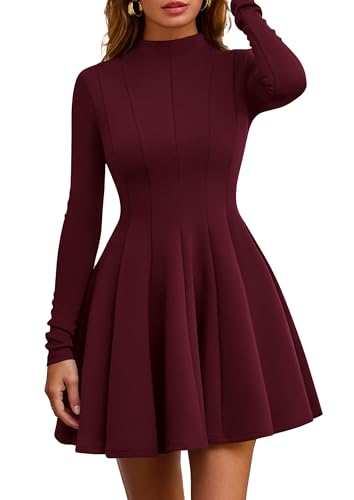

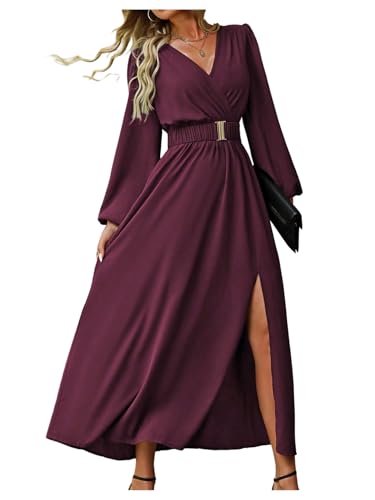
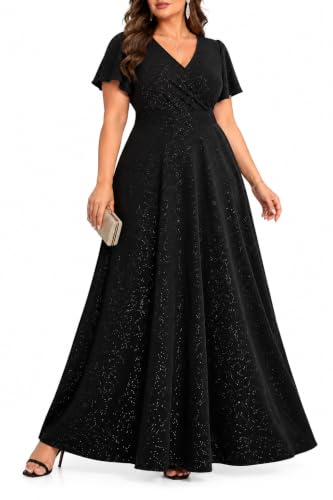
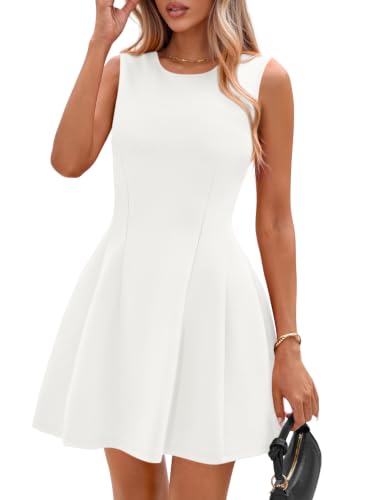
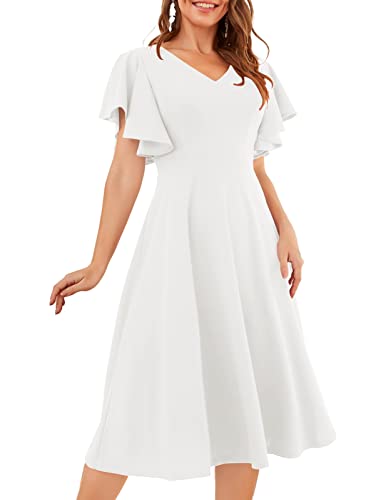
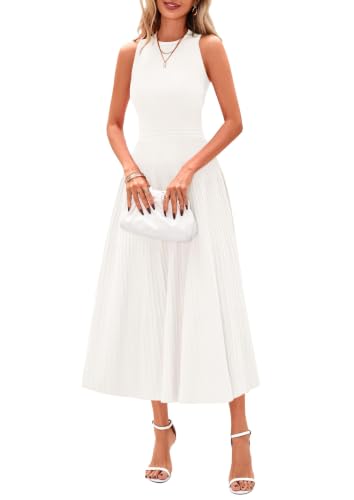
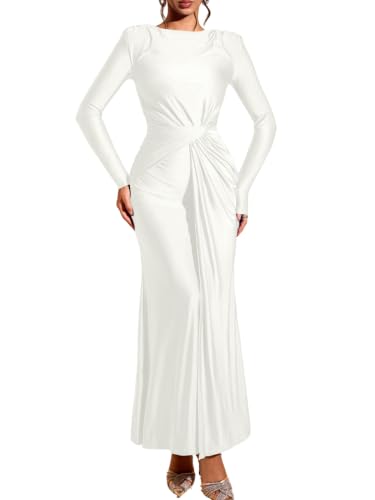

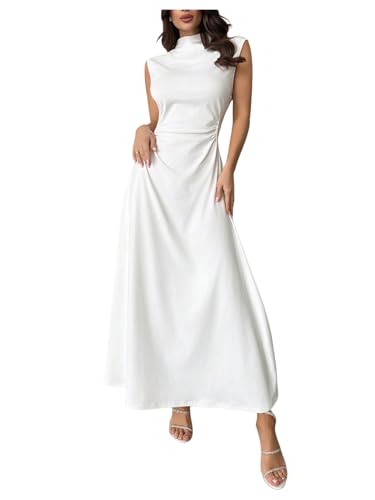
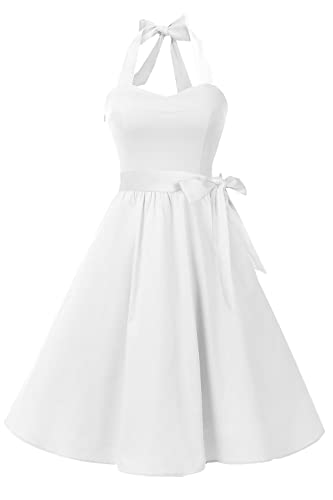
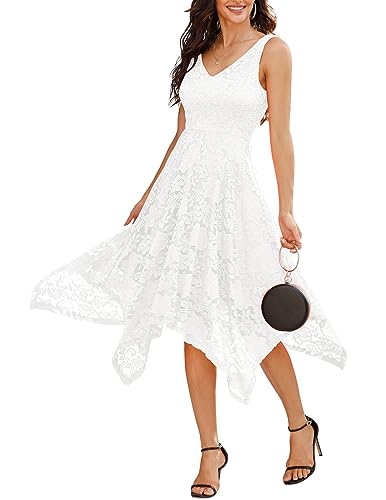
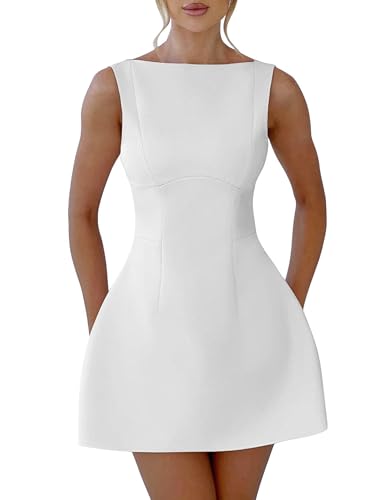
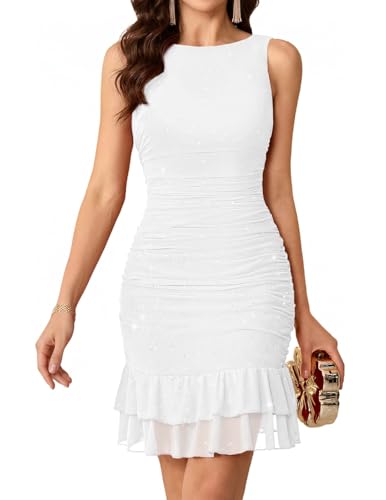
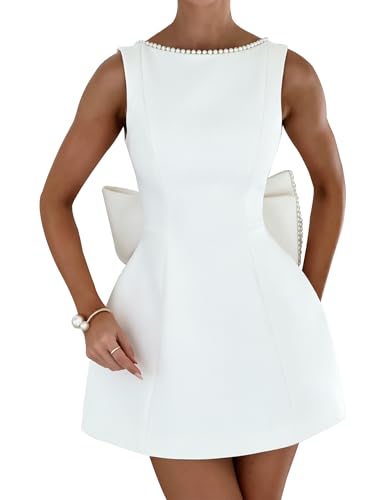
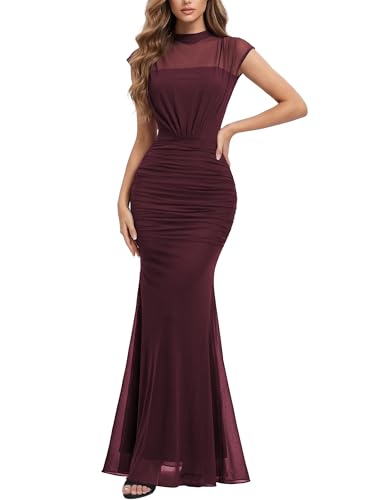
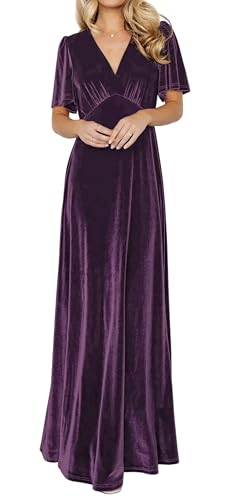
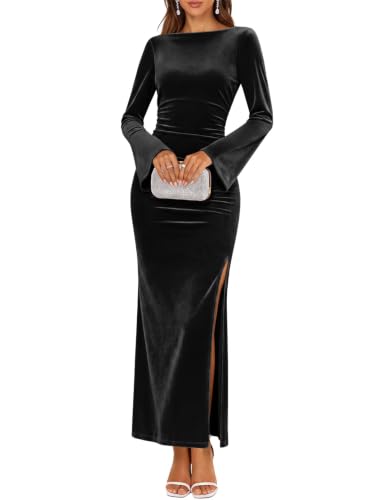
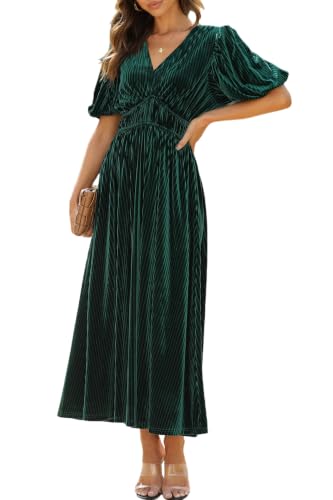
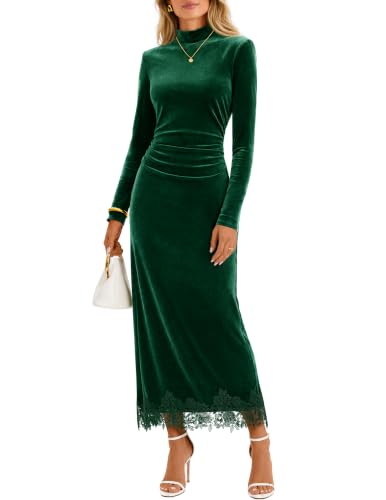
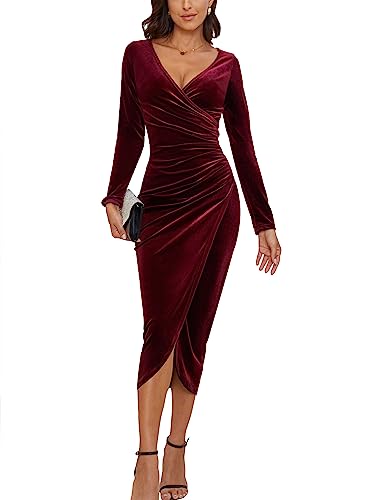
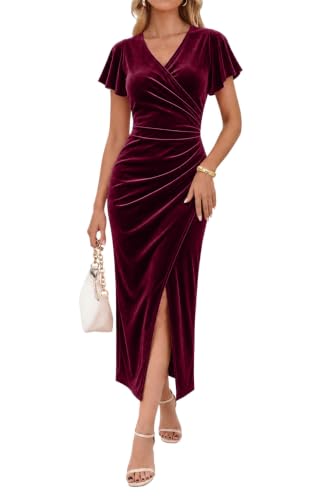
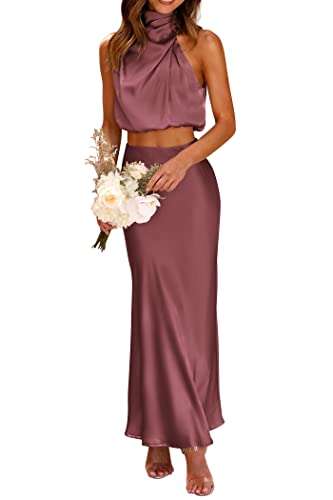
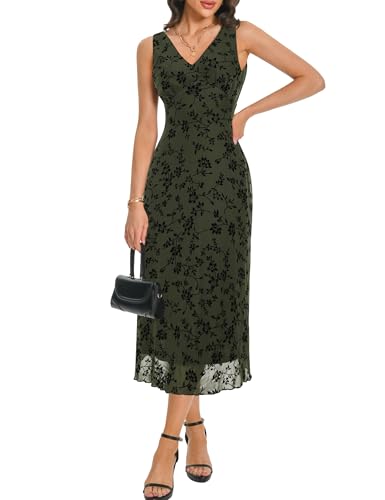
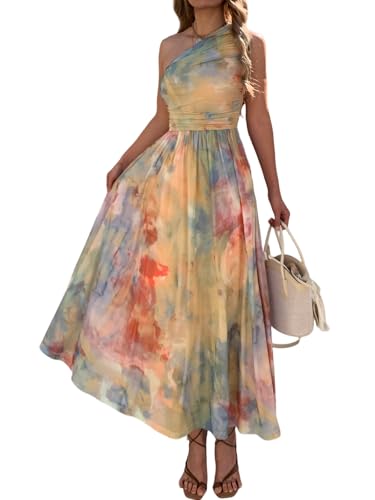
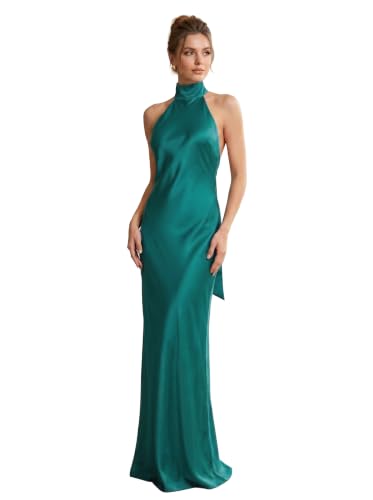
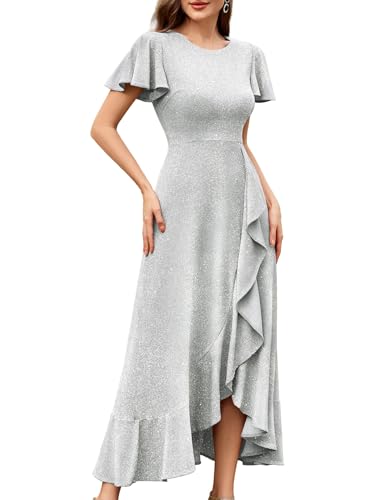
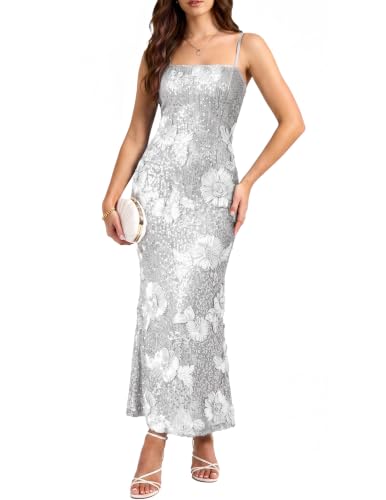
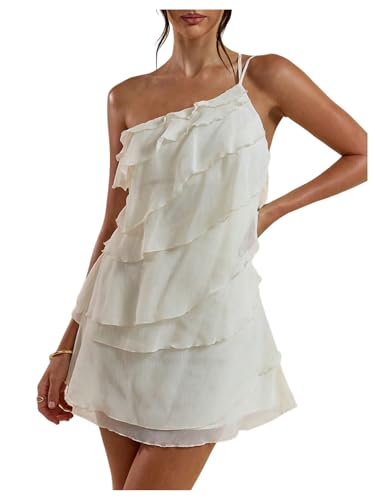
Think of it as a small set of core cooking ingredients for your closet. By limiting your options to only the most useful, you can create more outfits with less stress. A powerful starter capsule might include just ten essential pieces:
- Bottoms: Dark-wash jeans, black trousers
- Tops: A classic white T-shirt, a nice blouse, a cozy sweater
- One-piece: A simple dress
- Layers: A structured blazer or a classic trench coat
- Shoes: Sneakers, flats, and ankle boots
Suddenly, those few items create dozens of possibilities. Your jeans can pair with the T-shirt for a casual weekend, the blouse for dinner, or the sweater and blazer for the office. This smart system saves you time and ensures you always have a stylish, put-together look ready for any occasion.
Blouse vs. Shirt: What’s the Real Difference?
While the terms are often used interchangeably, the key difference between a "shirt" and a "blouse" lies in structure versus softness. A classic button-down has a distinct collar, cuffs, and a button front that give it a crisp, defined shape. This structured quality is the hallmark of a shirt, making it a go-to for sharp, business-casual looks.
A blouse, on the other hand, is all about softness and flow. Its identity comes from lighter, silkier, or more decorative fabrics. This creates fabric drape—the way the material hangs and moves with your body. A blouse doesn't hold a stiff shape; it drapes elegantly, creating a softer silhouette.
So, when does this distinction matter? Choose a structured shirt to project polish and authority, like for a job interview. Opt for a blouse when aiming for a more relaxed, romantic, or dressed-up feel, such as for a dinner date or a special event.
Decoding Dress Codes: What "Business Casual" Really Means Today
That blazer and trousers combination we mentioned is a perfect example of one of the most common—and confusing—dress codes: business casual. It’s more polished than your weekend jeans-and-tee but less formal than a full, matching suit. This professional middle ground is the standard for most modern offices.
Master the look with a simple “one part business, one part casual” formula. For instance, pair a structured blazer (the "business" piece) with well-kept dark jeans (the "casual" piece). Alternatively, combine smart trousers with a high-quality knit sweater. This mix-and-match approach is the secret to building appropriate business casual attire without needing a separate wardrobe just for work.
The more formal item instantly elevates the entire look, ensuring you appear professional and put-together without feeling overly stiff. Mastering this balance is valuable for navigating your daily office environment with confidence.
From Gym to Brunch: Understanding Athleisure
Just as office wear has become more relaxed, so too has our weekend style. This brings us to athleisure, but it's crucial to distinguish it from activewear. Activewear is functional clothing designed for performance during a workout. In contrast, athleisure adapts that sporty comfort and style for everyday living.
The secret to pulling off athleisure is choosing pieces that are sporty by inspiration, not by function. Think of elevated joggers made from a smooth, structured fabric rather than fleece, or clean, minimalist "fashion sneakers" instead of the technical shoes you’d wear for a run. These items borrow the comfort of activewear but are built with everyday fabrics and more polished silhouettes.
To ensure your outfit looks intentional and chic, pair your athleisure piece with a classic, non-sporty item. For example, combine those elevated joggers with a simple denim jacket or a quality knit sweater. This blend of comfort and personal taste is the core of modern style.
Your Style, Your Rules: Putting It All Together
Standing in front of your closet no longer has to feel overwhelming. Where you once saw a random collection of clothes, you can now spot the essential wardrobe pieces and understand how they work together. You’ve traded the confusion of trend-chasing for the clarity of building a system that truly works for you.
This new perspective is the first step to finding your personal style. By focusing on a foundation of versatile items, you gain control over your wardrobe instead of letting it control you. It’s about building confidence from the inside out.
Tonight, put your knowledge to the test. Open your closet—not to buy, but to build. Challenge yourself to create one complete capsule wardrobe outfit using only what you already own. You may be surprised to find that your perfect outfit was already waiting for you.