
Plus Size 20 Dresses for Women
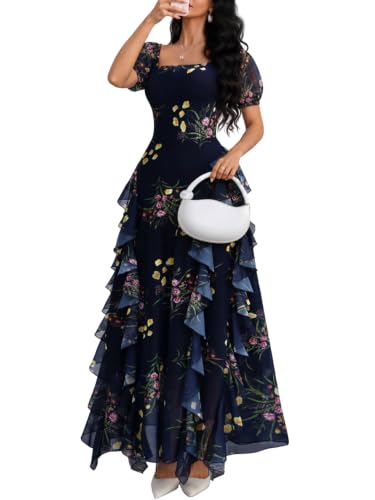
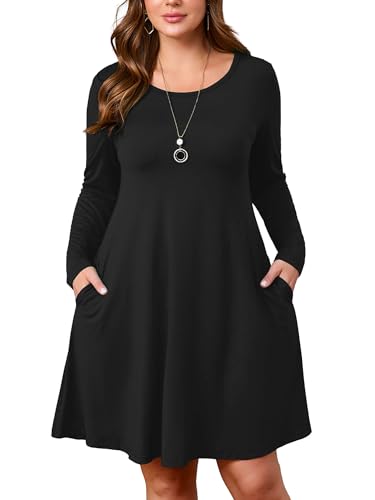
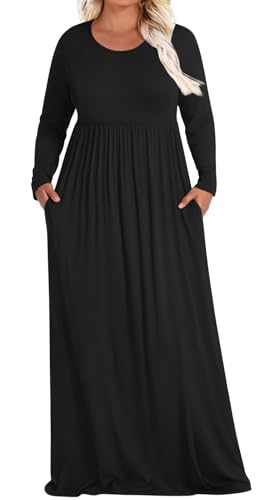
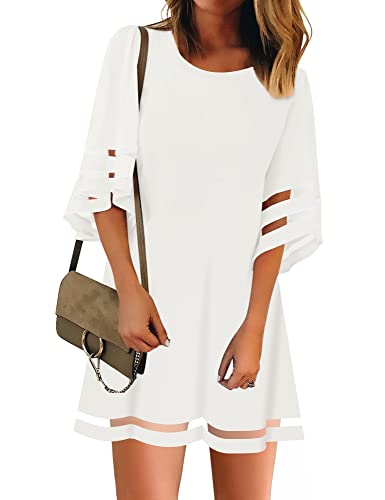
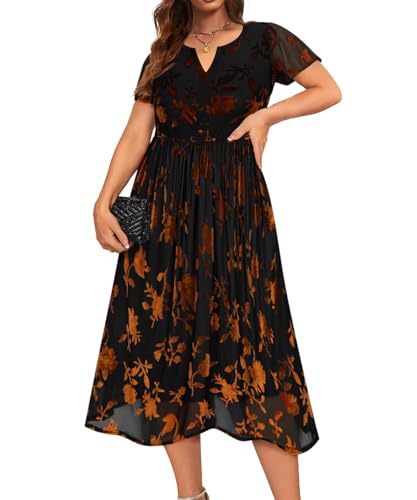
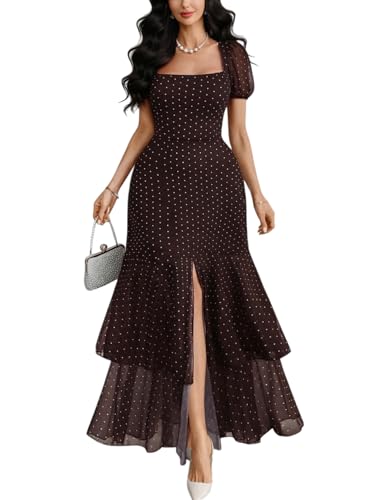
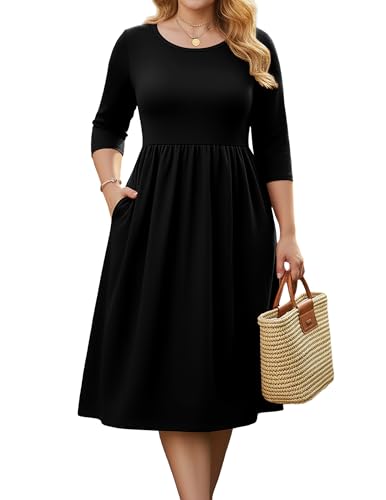
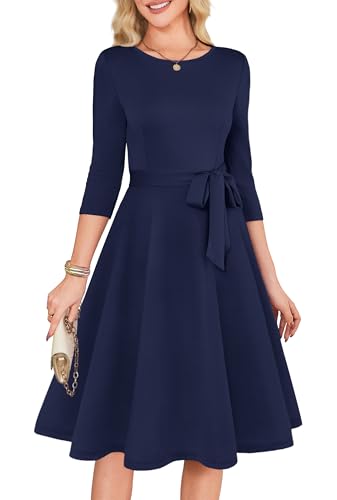
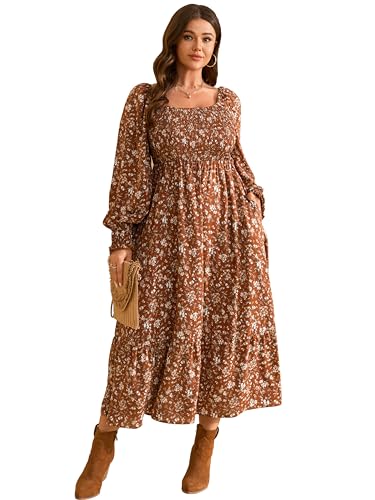
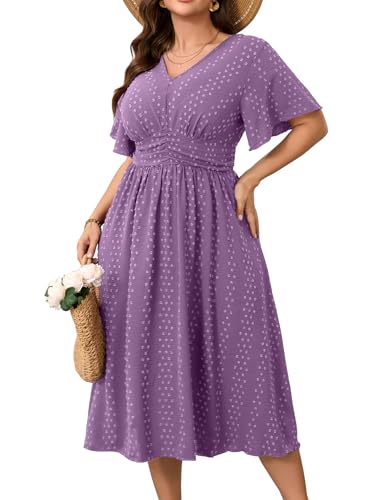
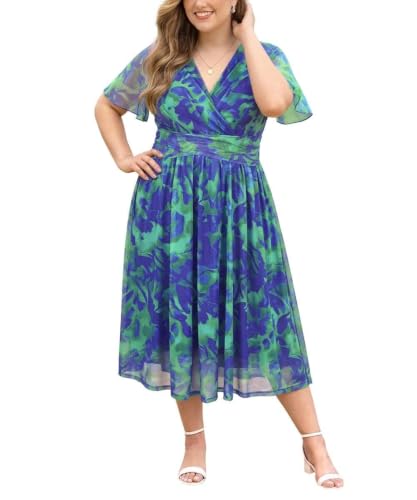
Plus size 20 dresses for women range from relaxed everyday styles to structured formal gowns. The product grid below may include size-20 A-line, wrap, empire, midi, maxi, sheath, fit-and-flare, work, cocktail, wedding-guest, and evening dresses in stretch and woven fabrics.
A reliable fit requires more than matching the waist number. Check bust, shoulder, upper arm, torso length, waist, full hip, and garment length. Consider how the dress will behave while sitting, walking, dining, and wearing the intended bra or layer.
Explore formal dresses, cocktail dresses, and work dresses for event-specific options. Confirm live seller, size availability, delivery, and returns with the final retailer.












Frequently Asked Questions About Plus Size 20 Dresses for Women
Are size 20 dress measurements standardized?
No. Brands vary in bust, waist, hip, shoulder, arm, and length. Use the exact chart and check whether it shows body or garment measurements.
What is the most important measurement for a size 20 dress?
The least flexible area is most important. That may be a woven bodice, fitted upper arm, waist seam, or narrow hip depending on the dress.
Are empire-waist dresses adjustable?
They may offer drape below the bust, but the bodice depth and seam position must fit correctly. An empire seam should sit below the bust rather than across it.
Which size 20 dresses work for formal events?
Long A-lines, crepe, chiffon, satin, lace, velvet, sequined, and structured midi dresses can work depending on the dress code and venue.
How do I check hip room in a fitted dress?
Compare full-hip measurements, lining, stretch, vent or slit, and garment dimensions. Sit and walk to confirm the dress does not ride up or pull.
Do wrap dresses solve sizing problems?
They provide some waist adjustment, but shoulders, bust coverage, skirt overlap, and length still need to fit. Faux wraps may not adjust at all.
Can size 20 dresses be altered?
Many can be hemmed or adjusted at straps and seams. Complex beading, lace, pockets, or limited seam allowance may restrict changes.
What should I confirm on the final retailer page?
Verify seller, current price, stock, size chart, material, lining, closure, delivery, return policy, care, and included accessories.
How do I compare size 18, 20, and 22?
Compare the actual measurements for the same brand and choose according to the garment’s least flexible area. Labels can overlap between retailers.
Use a Full Fit Profile for Size 20
A size-20 dress may fit the waist but fail at the bust, arm, shoulder, or hip. Create a current set of measurements and identify the part of the garment with the least flexibility. This is especially important for fitted sleeves, zip-back bodices, and lined skirts.
Compare body and garment measurements when both are available. Finished garment dimensions should include ease; body charts indicate the intended wearer. Do not subtract or add room without understanding which type is shown.
Balance Structure and Movement
Structured dresses can define seams and hold shape, while soft fabrics provide drape. Neither is inherently better. A tailored crepe midi may suit work or a formal dinner; a chiffon A-line may feel easier for a wedding; a stretch jersey wrap can support travel and repeated wear.
The goal is enough room to move without excess fabric distorting the design.
Bodice Depth and Waist Position
Check whether the bust sits inside the shaped area of the bodice and whether the waist seam reaches the intended level. If the bodice is too short, the waist can rise and the neckline may pull. If too long, fabric can fold above the waistband.
Princess seams, darts, wrap panels, and stretch sections can improve shaping when they align correctly. Customer photos from different heights are helpful.
Midsection Fit Without Restriction
Elastic waists, ruching, drape, wrap fronts, and panel seams change how fabric sits at the midsection. Select the feature because you like the appearance and comfort, not because a product promises to “hide” a body area.
Test seated comfort after a meal. A fixed waistband should not dig in or roll, and ruching should remain distributed rather than pulling to one side.
Hip and Seat Room
Fitted skirts require enough full-hip and seat ease. A back vent or slit supports walking but cannot compensate for an undersized lining. Sit, climb stairs, and take a normal stride during the fit test.
A-lines, fit-and-flare skirts, and wide maxis offer more room below the waist. Check pocket placement because bulky side pockets can alter the silhouette.
Size 20 Wrap Dresses
Wrap dresses offer waist adjustment and diagonal lines, but they still need correct shoulder and bust proportions. The skirt overlap should remain closed while sitting. A fixed faux wrap should be evaluated as a fitted dress.
Look for internal ties, snaps, or stitching that stabilizes the neckline. Do not rely on a decorative outer tie alone.
Empire and Raised-Waist Styles
An empire seam can create comfortable drape when it sits below the bust. Check bodice depth and seam placement. If the seam crosses the bust or the skirt begins too high, the dress will not hang as intended.
These styles can work for formal, casual, and maternity-adjacent comfort preferences, though shoppers should use the exact garment measurements.
Size 20 Formalwear
Formal dresses may use satin, crepe, lace, chiffon, velvet, sequins, or beading. Focus on lining, closure, sleeve movement, seated comfort, and length. Heavier embellishment adds weight and may complicate alterations.
Browse formal dresses and compare the event’s dress code. A clean long crepe or satin dress can be as formal as a heavily embellished gown.
Wedding Guest Dresses
Choose according to venue, time, season, and invitation. A floral midi works for many daytime weddings; darker satin or velvet can suit evening; chiffon maxis fit destination settings when the hem is manageable.
Use wedding guest dresses to narrow options. Confirm that the color and level of formality respect the couple’s expectations.
Cocktail Dresses
Size-20 cocktail dresses may include fitted crepe, lace, sequins, wrap styles, velvet, and fit-and-flare designs. Check seated hem length and arm movement. A secure neckline matters more than a dramatic product pose.
Browse cocktail dresses for current options. Test the dress with the intended shoes and undergarments.
Work Dresses
Professional dresses should maintain shape through sitting, commuting, and layering. Ponte, crepe, shirt dresses, wrap styles, and structured knits can work. Examine pockets, vents, neckline, and wrinkle recovery.
Use women’s work dresses. A dress requiring delicate dry cleaning may not suit frequent wear.
Casual Dresses
For weekends and travel, compare jersey maxis, sweater dresses, shirt dresses, and relaxed A-lines. Practical features include washable fabric, secure pockets, opacity, and a hem compatible with flat shoes.
Browse casual dresses for everyday choices. Check fabric recovery after sitting.
Fabric and Lining
Stretch content must be evaluated with the lining. A rigid lining can limit a knit dress. Chiffon requires opacity; satin shows tension; lace needs smooth backing; ponte provides structure but varies in thickness.
Read fiber percentages and care instructions. Marketing labels alone are insufficient.
Necklines and Support
Choose a neckline that works with the planned bra and movement. V-necks, square necks, scoops, high necks, and off-shoulder designs require different support. Browse neckline categories for alternatives.
Check the neckline when bending and sitting. A secure standing fit can gape during movement.
Length and Shoes
Measure garment length against your height. Midi and maxi labels are relative. Use dress length categories to filter by hem.
Try the intended shoes before hemming. A long formal dress should clear the floor while walking, and a shorter dress should preserve seated coverage.
Alterations and Seam Allowance
Straps, hems, and modest side-seam adjustments are common. Waist relocation, sleeve rebuilding, and changes through beading are more complex. Inspect seam allowance and construction.
Consult a tailor before the return deadline rather than assuming every dress can be changed.
Affiliate Shopping Verification
MotherBrideDress.com links to third-party retailers. Verify the current seller, price, size availability, shipping, returns, size chart, material, and care on the final page.
Review product photographs and customer images for the exact color and style. Marketplace reviews may combine variations.
Common Size 20 Mistakes
- Choosing by waist while ignoring bust, arm, and hip.
- Assuming a stretch outer fabric means a stretch lining.
- Accepting an empire seam that crosses the bust.
- Using a slit to compensate for a tight skirt.
- Testing the dress without planned undergarments.
- Relying on a complicated alteration.
- Judging length from a model of different height.
- Missing the final retailer’s return terms.
Find a Size 20 Dress That Supports the Full Day
The right dress should remain comfortable and secure through arrival, sitting, dining, photographs, and movement. Compare construction and measurements first, then style the dress for the occasion.
Return to dresses by size or compare size 18 and size 22 dresses when a brand chart falls between labels.
Match the Dress to the Dress Code
Casual, business, cocktail, semi-formal, formal, and black-tie invitations call for different fabrics and lengths. A jersey maxi may be ideal for travel but too relaxed for a gala. A sequined gown may be unnecessary for a daytime ceremony. Use the event description, venue, and time rather than the product title alone.
When the invitation is unclear, ask the host or compare the venue’s typical level of formality. It is easier to style a correctly chosen dress than to force an unsuitable garment with accessories.
Print Scale, Color Blocking, and Seam Lines
Prints and color blocks interact with construction. Check whether a waist seam interrupts the pattern, whether stripes align at side seams, and whether a border print limits hemming. Customer photos show more realistic placement than a single sample image.
Solid crepe or ponte emphasizes the cut; floral chiffon emphasizes movement. Choose according to the effect and occasion you want.
Travel and Packing
For destination weddings or business travel, consider wrinkle recovery, garment-bag space, and access to steaming. Jersey and some crepe blends pack more easily than rigid satin or full tulle. Sequins and lace should be protected from zippers and rough luggage.
Carry essential occasionwear when possible. Keep shoes, undergarments, and a small repair kit with the dress rather than separating the outfit across bags.
Seasonal Layering
A cardigan, blazer, shawl, or coat must fit the sleeves and shoulder line. Try the layer over the dress before the event. Thick sleeves under a narrow jacket can pull the bodice and restrict the arms.
For summer, check lining and airflow; for winter, plan warmth beyond decorative mesh. Indoor climate control can be as important as outdoor weather.
Compare Total Cost
Purchase price is only one part of the decision. Add shipping, possible returns, hemming, bra or underlayers, specialist cleaning, and accessories. A slightly more expensive dress with correct length and easy care may cost less overall.
Do not commit to nonreturnable alterations until the full outfit and event plan are confirmed.
Garment Care Before and After the Event
Read the label as soon as the dress arrives. Test steaming on a hidden area when permitted. Store the garment away from moisture, sunlight, pets, and food. After the event, treat stains promptly using a method appropriate to the fabric.
For repeat wear, save the product and care information. Remove accessories before cleaning if they are not designed to remain attached.
Check Closures and Hardware
Zippers, buttons, hooks, snaps, and ties determine how easily a dress can be worn and how securely it stays closed. Test the zipper without pulling the fabric together by force. Button-front styles should remain flat across the bust when seated, and wrap ties should not loosen during movement.
Inspect decorative hardware for rough edges or weight. A heavy metal buckle may pull a lightweight knit out of shape.
Make a Return-Safe Fit Decision
Keep tags attached and try the dress in a clean, fragrance-free room. Compare the fit at the beginning and end of a short home trial. If the fabric bags, rolls, shifts, or becomes uncomfortable, record the exact issue before choosing another size or style.
Check whether the retailer deducts return shipping or restricts marketplace sellers. The practical cost of a return belongs in the comparison.