
80s Prom Dress
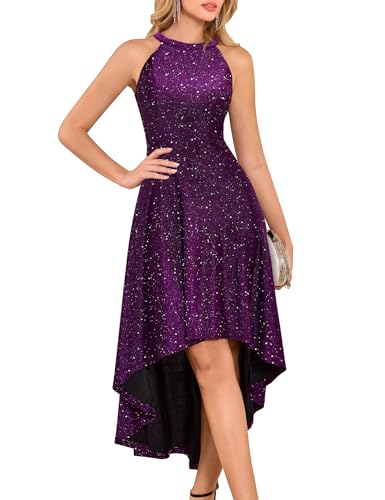
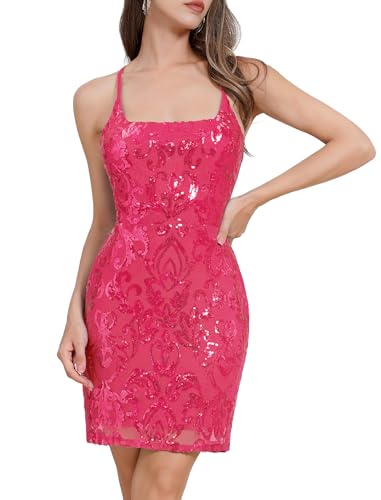
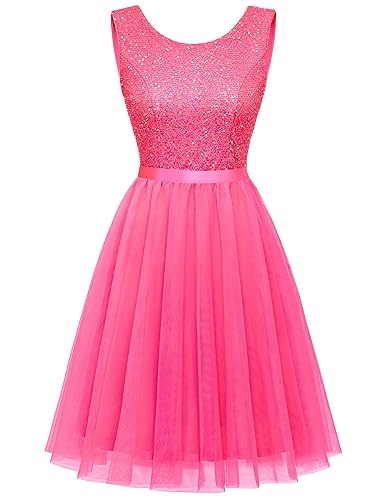
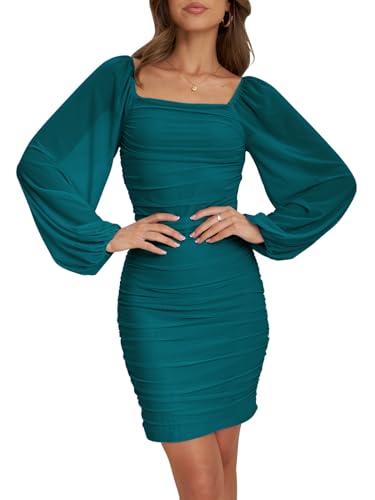
80s Prom Dress covers authentic 1980s prom dresses and modern 80s-inspired formal dresses that use recognizable decade cues such as statement sleeves, crisp taffeta, ruffles, bows, peplum effects, metallic shine, sequins, lace, strong color, or dramatic skirt volume. The grid can include vintage puff-sleeve gowns, taffeta party dresses, ruffled midis, sequined formalwear, high-low revival dresses, bow-detail looks, full skirts, and modern retro prom gowns. Start with the exact occasion, wearer measurements, required coverage, preferred fabric or color, and practical movement needs; then compare the selected seller, size chart, garment details, current delivery estimate, and return eligibility.The page should distinguish true vintage from new reproduction or 80s-inspired merchandise. “Retro,” “vintage style,” and “1980s original” describe different buying risks, sizing assumptions, care needs, and levels of historical authenticity. Product titles and model photos are useful starting points, but the received garment, current variation, construction, and seller-specific measurements are the evidence that should control the buying decision.Related shopping paths include prom dresses, corset prom dresses, black prom dresses, and blue prom dresses. Use the broader page when the shopper has not chosen the modifier yet, and the narrower page only when it creates a genuinely different product set or fit decision.
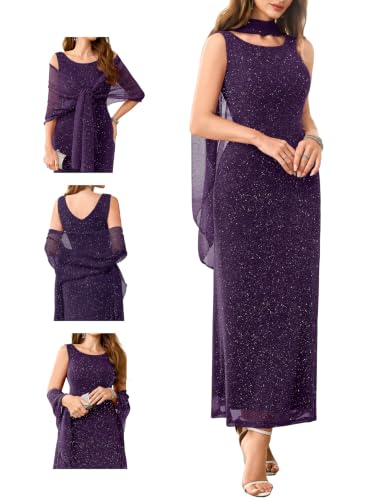


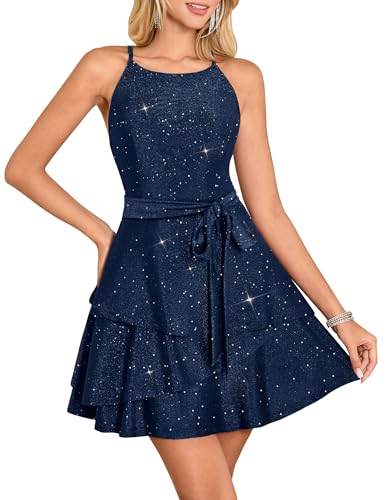
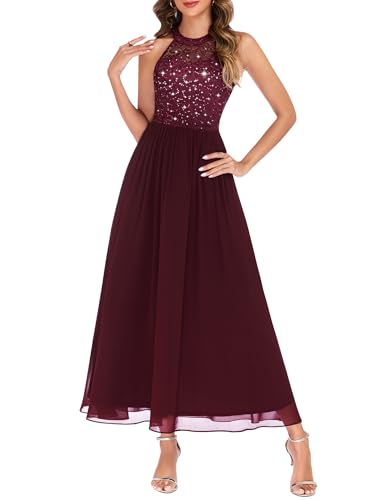
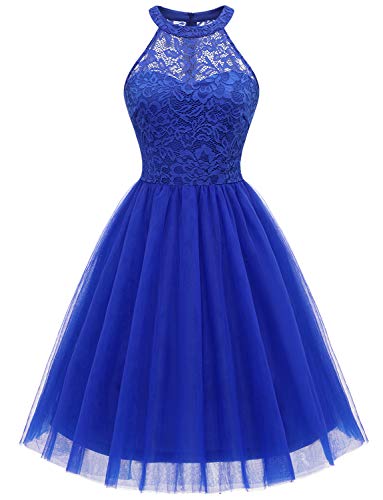


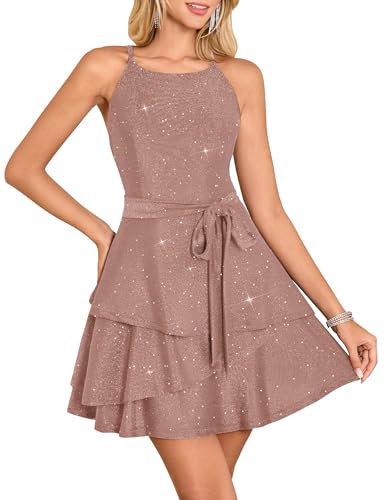

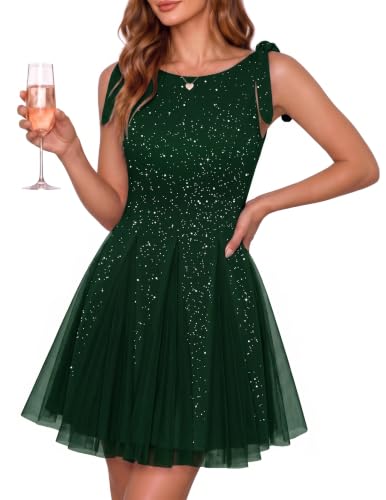




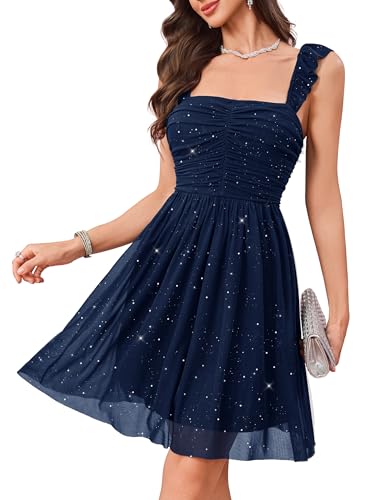


Frequently Asked Questions About 80s Prom Dress
What makes a prom dress look 1980s?
Common cues include oversized or puff sleeves, taffeta, ruffles, bows, peplum-like layers, sequins, metallics, lace, fitted waists, and dramatic skirt volume.
Are all 80s prom dresses floor length?
No. Vintage and revival styles can be short, tea length, high-low, midi, or full length.
Is vintage 1980s sizing the same as modern sizing?
No. Use garment measurements rather than converting the original numeric tag directly to a current size.
What fabrics were common in 80s-inspired prom looks?
Taffeta, satin, lace, velvet, sequins, metallic fabrics, chiffon, and other structured or decorative occasion fabrics are common in the vintage market and modern revivals.
Can I alter an authentic vintage prom dress?
Sometimes, but fabric condition and seam allowance matter. Have a tailor experienced with vintage formalwear inspect it before cutting.
How do I check the condition of a vintage dress?
Inspect seams, zipper, underarms, lining, hem, stains, fading, odor, lace, elastic, beads, sequins, and previous repairs.
Can an 80s prom dress meet a modern school dress code?
It can, but the actual neckline, back, transparency, slit, cutouts, and hem must meet the current written rules.
How should I clean a vintage 80s dress?
Follow any surviving care label and consider a cleaner experienced with vintage garments; old dyes, adhesives, trims, and fabrics may not tolerate modern washing or aggressive steaming.
What should I verify before ordering?
Confirm authentic vintage versus revival, measurements, fabric condition, sleeve mobility, closures, school rules, seller, delivery, returns, cleaning, and alterations.
What Counts as an 80s Prom Dress
An 80s prom dress may be an authentic vintage garment from the 1980s or a modern dress deliberately inspired by the decade through statement sleeves, taffeta, ruffles, bows, peplum effects, metallic shine, sequins, lace, jewel tones, pastel brights, or dramatic skirt volume.
Separate authentic vintage from “80s-inspired.” A new dress with one puff sleeve is not automatically historically representative, and a vintage listing should provide condition, measurements, construction, and era evidence rather than relying only on a seller title.
The 1980s Prom Silhouette
The decade is strongly associated with visual volume and occasion dressing: puffed or sculptural sleeves, fitted waists, ruffled necklines, tiered skirts, bows, peplums, full skirts, and glossy party fabrics. Not every 1980s prom dress used all of these details.
Choose the level of period drama you actually want. A faithful vintage look may combine several statement elements, while a modern interpretation can use one or two cues with contemporary fit and simpler styling.
Puff Sleeves and Statement Shoulders
Large sleeves are one of the clearest 1980s visual cues. Puff, balloon, leg-of-mutton-inspired, ruffled, or structured shoulders can create the broad, celebratory upper-body line associated with the decade.
Measure shoulder width, armholes, upper arms, sleeve openings, and the planned outerwear. Vintage sleeve heads and rigid fabrics may have little stretch, and modern reproductions can still restrict reaching or dancing.
Taffeta, Satin, Lace, Velvet, and Sequins
Crisp taffeta creates volume and rustle; satin creates strong highlights; lace adds romantic texture; velvet deepens color; sequins and metallic fabrics increase sparkle. These materials were used in many different combinations across 1980s occasionwear.
For vintage pieces, inspect for brittleness, seam stress, fading, odor, crushed pile, missing sequins, damaged lace, and old elastic. For modern dresses, check lining, comfort, care, and whether decorative surfaces can tolerate a full event.
Colors and Prints for an 80s Prom Look
Hot pink, fuchsia, red, cobalt, emerald, purple, black, white, metallics, pastels, florals, and high-contrast combinations can all support an 80s-inspired direction. The decade was broad enough that there is no single correct prom color.
Photograph the actual fabric under daylight and flash. Shiny taffeta and satin can shift dramatically on camera, and aged vintage fabric may no longer match its original color evenly.
Authentic Vintage Sizing Versus Modern Sizing
Vintage numeric labels should not be converted directly into today’s sizes. Garment measurements and seam allowance are more useful than the original tag because sizing systems, ease, and body proportions have changed.
Measure bust, waist, hips, shoulder width, torso, upper arms, and garment length. Compare with the dress itself and leave enough wearing ease for sitting and dancing; do not buy a rare vintage piece assuming it can be enlarged safely.
Corsetry, Waistlines, and Bodice Fit
Many 80s-inspired prom dresses rely on a fitted waist or structured bodice to contrast with sleeves or skirt volume. Others use dropped, raised, or asymmetrical waist treatments, so the decade cannot be reduced to one bodice shape.
Check zipper strain, boning, darts, princess seams, waist seam position, and bust placement. Vintage thread and seam allowances may not tolerate aggressive alteration.
Ruffles, Bows, Peplums, and Decorative Volume
Ruffles can appear at shoulders, necklines, sleeves, skirts, or hems; bows may be small accents or major sculptural details; peplum-like layers and tiering add additional shape. These details are useful period signals when they are integrated into the garment.
Inspect how decoration behaves while sitting and moving. Large bows can crush under outerwear, ruffles can obscure the face in photos, and stiff peplums or tiers can make tight seating uncomfortable.
Short, Tea, High-Low, and Full-Length Options
An 80s prom category can include party-length dresses as well as floor-length gowns. High-low or “mullet” hems, full tea-length skirts, and dramatic long gowns all appear in vintage and revival markets.
Measure actual front and back lengths rather than relying on labels. Test the final shoes, stairs, vehicle entry, and dancing so the period silhouette remains practical.
Shoes, Jewelry, Hair, and Accessories
For a recognizable 80s-inspired look, accessories can include bold earrings, metallic or dyed shoes, hair volume, gloves, belts, or a small evening bag. A modern interpretation does not require every decade cue at once.
Choose one dominant garment feature and let accessories support it. Heavy earrings, snag-prone bracelets, and shoulder bags can interfere with puff sleeves, sequins, lace, or large bows.
School Dress Codes and Modern Prom Use
A vintage or retro label does not override current school rules. Check neckline depth, back coverage, sheer areas, slits, cutouts, midriff exposure, and hem requirements for the actual event.
Modern underlayers or a small alteration can improve coverage, but avoid changes that damage a rare vintage piece. If the garment cannot meet the event requirements comfortably, choose a different dress.
Movement, Sitting, and Dancing in Structured Fabrics
Taffeta, brocade, stiff lining, fitted pencil shapes, narrow hems, and large sleeves can restrict movement differently from modern stretch formalwear. Do not judge comfort from a standing mirror pose.
Sit for ten minutes, raise both arms, turn, walk quickly, climb a step, and simulate dancing. Check underarm friction, seam strain, skirt clearance, and whether the dress needs constant repositioning.
Cleaning and Caring for Vintage Formalwear
Do not assume a decades-old dress can be machine washed or aggressively steamed. Fiber content, trims, interlinings, adhesives, and dyes may react unpredictably after long storage.
For valuable or delicate vintage pieces, consult a cleaner experienced with vintage garments before treatment. Store the dress clean, dry, and supported so heavy embellishment does not stretch the fabric.
Alterations Without Erasing the Vintage Character
Prioritize reversible or minimal changes when possible: careful hems, strap adjustments, or modest seam work may preserve the design better than reconstructing sleeves, waist, or neckline.
Get a tailor experienced with vintage formalwear to inspect seam allowance and fabric condition before cutting. A fragile original may be better preserved and a modern reproduction chosen for heavy dancing.
Authentic Vintage Versus Modern 80s-Inspired Shopping
Authentic vintage offers original materials and construction but comes with condition, sizing, repair, and return risk. Modern revival dresses can provide current zippers, stretch, inclusive size ranges, and easier replacement.
Decide whether historical authenticity or 1980s visual impact is the priority. The product page should state which type it is so shoppers are not comparing fundamentally different purchases.
Seller Verification, Condition, and Returns
For vintage listings, request or inspect clear photos of labels, seams, zipper, underarms, lining, hem, embellishment, stains, repairs, and fabric damage. Record garment measurements rather than relying on the tag.
For modern marketplace items, verify seller, selected variation, materials, delivery, and returns. Order early enough for one failed option because unusual retro styles can be harder to replace locally.
80s Prom Dress Versus General Vintage Prom
Use the 80s page for products with credible 1980s origin or intentional decade-specific construction. Broader vintage-prom pages can include 1950s, 1960s, 1970s, 1990s, and Y2K styles that answer different aesthetic searches.
Do not create multiple pages for “1980s prom dress,” “80s prom dresses,” and similar spelling variants unless the inventory or search intent truly differs; those phrases belong to one canonical category.
Final 80s Prom Dress Checklist
Before ordering, decide authentic vintage versus revival, confirm measurements, sleeve and shoulder mobility, fabric condition, lining, closures, school rules, shoes, cleaning needs, seller, delivery, returns, and alteration feasibility.
After delivery, inspect every seam and trim and complete a full movement and photo test. Keep the dress only when the 80s effect survives real wear without unsafe hems, fragile closures, painful pressure, or repeated adjustment.