
Tadashi Shoji Dresses for Weddings & Formal Events
Begin with the invitation’s dress code, venue and time of day, then narrow the selection by fit, fabric and level of embellishment. A floor-length embroidered gown or draped formal dress can suit a black-tie or evening wedding, while a lace cocktail dress, tea-length style or polished jumpsuit may work well for a daytime ceremony, rehearsal dinner or semi-formal reception. You can also compare our mother-of-the-bride dresses, mother-of-the-groom dresses, wedding guest dresses and cocktail dresses.

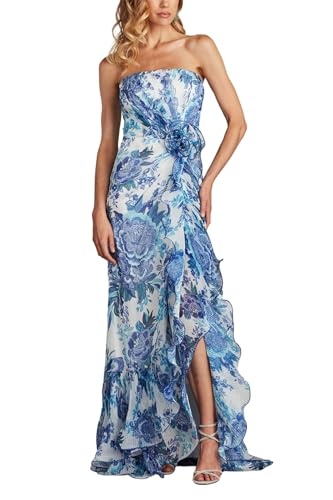
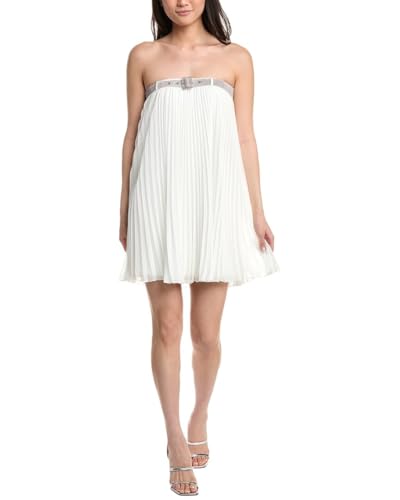



Tadashi Shoji Dresses: Frequently Asked Questions
Are Tadashi Shoji dresses suitable for the mother of the bride?
Yes. Tadashi Shoji offers formal gowns, embroidered dresses, lace cocktail styles, draped designs and jumpsuits that can suit mothers of the bride or groom. Choose the final outfit according to the wedding dress code, venue, season and colors selected by the couple.
Does Tadashi Shoji make plus-size dresses?
Many Tadashi Shoji designs are available in plus-size options, including Q sizes such as 14Q, 16Q, 18Q and larger sizes on selected products. Availability varies, so confirm the size options and measurements displayed on the exact retailer listing.
What does Q mean in Tadashi Shoji sizing?
Q is used on selected Tadashi Shoji plus-size variations. A Q size should not automatically be treated as identical to the same number in regular sizing, so compare your bust, waist and hip measurements with the information supplied for the individual dress.
Do Tadashi Shoji dresses run true to size?
Fit varies according to the silhouette, fabric, construction and retailer listing. Do not rely only on your usual size. Take current measurements, check whether the fabric stretches and compare the results with the size chart provided for the exact product.
What Tadashi Shoji dress is best for a black-tie wedding?
A floor-length embroidered gown, draped crepe gown, sequin dress, column gown or formal A-line design can work for a black-tie wedding. The most suitable option depends on the venue, time of day and level of formality requested on the invitation.
Can I wear a Tadashi Shoji cocktail dress to a wedding?
Yes. A lace, embroidered or draped cocktail dress may be appropriate for cocktail, semi-formal and daytime weddings. Check the hem length, fabric, color and amount of embellishment to make sure the dress suits the venue and stated dress code.
Can the mother of the groom wear a Tadashi Shoji dress?
Yes. The mother of the groom can wear a Tadashi Shoji gown, cocktail dress, midi style or formal jumpsuit when the color and formality coordinate with the wedding. The two mothers do not need to match, but their outfits should look balanced together.
How should I accessorize an embroidered Tadashi Shoji dress?
Keep the accessories balanced with the embroidery and neckline. Simple earrings, a bracelet, a smooth evening bag and polished shoes may be enough. Avoid jewelry or bag hardware that could catch on lace, mesh, sequins or embroidery.
How early should I order a Tadashi Shoji dress?
Order early enough to allow for delivery, a possible exchange and professional alterations. Embroidered hems, lace, sequins, illusion panels and complex draping can require more alteration time than a plain dress.
What should I check before ordering a Tadashi Shoji dress online?
Check the seller, designer label, selected size system, garment measurements, fabric, length, lining, closure, included pieces, delivery estimate and return conditions. Review all available photographs and inspect the dress promptly after delivery.
How to Choose a Tadashi Shoji Dress
The right Tadashi Shoji dress should match the occasion, fit securely through the shoulders and bodice, allow comfortable movement and remain wearable through photographs, dinner and dancing. The available selection ranges from floor-length embroidered gowns and draped crepe dresses to lace cocktail styles, sequined midis, cape-sleeve designs and formal jumpsuits. Identifying the dress code and venue before comparing individual products will help you avoid choosing a dress that is either too casual or unnecessarily elaborate.
Read the complete information attached to each listing before ordering. Confirm the designer name, selected size, garment length, fabric composition, lining, closure, sleeve construction and care instructions. Product photographs may show a belt, cape, scarf or other styling piece that is not included, and prices, inventory, delivery dates and return conditions can differ between outside sellers.
Tadashi Shoji Mother-of-the-Bride Dresses
Tadashi Shoji mother-of-the-bride dresses are available in a wide range of formal silhouettes, including embroidered gowns, column dresses, A-line designs, lace cocktail dresses, draped styles and gowns with illusion detailing. The best option depends on the wedding dress code rather than the mother’s title alone. A formal ballroom wedding may call for a floor-length gown, while a garden ceremony or afternoon reception may suit a tea-length or cocktail design.
Ask the couple about the wedding colors and expected formality before making a final choice. The mother of the bride does not need to match the bridesmaids exactly, but her dress should look coordinated beside the wedding party. Navy, plum, burgundy, emerald, slate, silver, dusty rose and other sophisticated shades can work across many wedding palettes, provided the selected color remains clearly distinct from the bridal gown.
Comfort matters because the mother of the bride may spend much of the day greeting guests, participating in photographs, walking between locations and dancing. Check that the neckline remains secure, the sleeves allow natural arm movement and the skirt is manageable on stairs and crowded floors. Compare additional mother-of-the-bride dresses and long formal dresses.
Tadashi Shoji Mother-of-the-Groom Dresses
Mothers of the groom can choose from the same range of Tadashi Shoji gowns, midi dresses, embroidered styles and cocktail looks. The two mothers do not need matching dresses, but their outfits should have a comparable level of formality so that one does not look significantly more casual or more elaborate in family photographs.
Discuss the wedding palette early enough to avoid selecting a color reserved for the bridesmaids or another member of the wedding party. It is also sensible to ask whether the couple has preferences about black, very pale neutrals, bold prints or prominent sequins. Browse more mother-of-the-groom dresses when you want to compare different designers and price points.
Tadashi Shoji Plus-Size Dresses and Q Sizing
Some Tadashi Shoji formal dresses use Q sizing for plus-size variations, with labels such as 14Q, 16Q, 18Q, 20Q, 22Q and 24Q. Do not assume that a Q size is identical to the same number in a regular size. Plus-size patterns may use different proportions through the bust, waist, hips, arms and torso, so the measurements supplied for the exact listing should guide the decision.
Take fresh bust, waist and hip measurements while wearing the undergarments you expect to use with the dress. When the measurements point toward different sizes, begin with the largest area and consider the flexibility of the fabric. An embroidered mesh bodice, fixed waistband or fully lined lace dress may provide less room than stretch crepe, jersey or a softly draped design.
Draping, ruching, A-line skirts, softly structured waistlines and cape sleeves can influence the shape of a formal dress, but none of these features compensates for incorrect sizing. The dress should fall smoothly without horizontal pulling, twisting seams or fabric collecting above the waist. A tailor can often refine a slightly larger garment more successfully than one that is already tight through an embroidered or structured area.
Review the entire product title before ordering because some current listings place the size code at the end, while others describe a garment as plus size inside the title. Confirm that the size selected in the retailer’s purchasing controls matches the size shown in the category listing.
Tadashi Shoji Petite Dresses
Petite sizing affects more than the hem of a dress. A petite pattern may adjust the bodice length, waist position, shoulder width, sleeve length, armhole depth and placement of decorative elements. These proportional changes are especially relevant for embroidered gowns, illusion necklines and dresses with a defined waist because simply shortening a regular skirt will not correct a bodice that is too long.
Petite availability may differ from one product and seller to another, so verify that the chosen variation is specifically identified as petite. If a dress is available only in regular sizing, examine the shoulder-to-waist proportion before assuming that hemming will solve the fit. Altering an embellished bodice or moving a waist seam is generally more involved than shortening a plain skirt.
Heel height also affects the finished length. Select the intended shoes before arranging alterations and bring them to the fitting. A petite floor-length gown may still need adjustment when worn with flats, while a standard midi dress may fall close to the ankle on a shorter wearer.
Tadashi Shoji Gowns for Black-Tie Weddings
A floor-length Tadashi Shoji gown is a natural starting point for a black-tie, formal or evening wedding. Embroidered tulle, metallic jersey, sequin mesh, draped crepe and illusion lace can all create a formal appearance, but the amount of decoration should still suit the venue. A highly embellished gown may feel appropriate in a ballroom, while a cleaner draped design may work better at a modern hotel or gallery.
Consider the skirt shape as well as the bodice. A column gown creates a narrow vertical line, an A-line gown widens gradually toward the hem, and a mermaid or trumpet silhouette remains fitted farther down the body before flaring. Each shape affects walking, sitting and dancing differently, so evaluate movement rather than choosing only by the standing photograph.
Check whether a slit is positioned at the side, front or back and how high it opens while walking or sitting. A long formal dress should clear the floor enough for safe movement without losing its intended line. Compare additional long dresses when the event requires a full-length gown.
Tadashi Shoji Cocktail, Midi and Tea-Length Dresses
Tadashi Shoji cocktail and midi dresses can suit semi-formal weddings, rehearsal dinners, anniversary celebrations, formal lunches and evening parties. Lace sheath dresses, embroidered midis, draped cocktail styles and sequined designs may all fall within this category, but product terminology varies between sellers.
Confirm the actual garment measurement whenever it is provided. A dress described as midi may finish below the knee on one wearer and near the ankle on another. Tea length generally falls between the knee and ankle, while cocktail length often ends near the knee, but height, torso proportion and the design of the skirt can change the final appearance.
Shorter dresses make the shoes more visible, so footwear becomes a stronger part of the outfit. Check the hem while standing, sitting and climbing stairs. Browse more cocktail dresses and tea-length dresses.
Embroidered, Lace and Illusion Dresses
Embroidery and lace can add dimension to a formal dress without requiring heavy jewelry. Tadashi Shoji styles may use floral embroidery, scrolling motifs, contrasting thread, appliqué or lace placed over a tonal or nude-effect lining. Examine close-up photographs to understand whether the decoration is stitched, sequined, beaded or printed because each finish creates a different texture and level of formality.
Illusion necklines and sleeves use sheer or semi-sheer fabric to support lace, embroidery or decorative panels. The effect can provide visual coverage while keeping the dress lightweight, but transparency may appear different under daylight, indoor lighting and flash photography. Check the front, back and side images rather than judging the coverage from one studio photograph.
Lace and embroidered mesh may have less stretch than the underlying lining. Make sure the shoulders, bust and upper arms fit without pulling because overstretching decorative fabric can distort the pattern or place stress on the seams. Avoid handbags, bracelets and jewelry with rough hardware that may catch on fine mesh or lace.
Sequin and Metallic Tadashi Shoji Dresses
Sequins, metallic jersey and reflective embroidery can work well for evening weddings, holiday celebrations, galas and black-tie events. The amount of shine should relate to the venue and time of day. A fully sequined gown creates a stronger statement than a dress with decoration limited to the bodice, neckline or sleeves.
Review photographs taken from several angles because sequins can reflect light differently across the body. Check the underarm and side seams for comfort, particularly when the decorative material extends onto the sleeves. A smooth lining should help separate the skin from rougher embellishment, but the exact construction needs to be confirmed on the individual product.
Keep accessories restrained when the dress already has significant shine. Simple earrings, a smooth clutch and polished shoes may be enough. Avoid competing metallic finishes unless the combination appears deliberate rather than accidental.
Draped, Ruched and Twist-Front Dresses
Draping can shape a dress by directing the fabric diagonally or vertically across the body. Tadashi Shoji listings may describe waterfall drapes, gathered waists, twist knots, pleating, bow details or softly folded necklines. The drape should fall cleanly without collapsing, bunching or being pulled out of position by an incorrect size.
Ruching uses gathered fabric to create texture and flexibility through areas such as the waist, hip or side seam. It can soften the appearance of a fitted silhouette, but it should still lie intentionally. Excess fabric collecting in one area may indicate that the dress is too long through the torso or too large rather than demonstrating the intended design.
Twist-front and knot-front dresses draw attention toward the point where the fabric meets. Check that this detail sits at the intended position and does not pull upward or downward. The neckline should remain secure when sitting and moving rather than opening as tension changes across the bodice.
One-Shoulder, Off-the-Shoulder and Illusion Necklines
A one-shoulder dress creates an asymmetrical neckline and often needs little or no necklace. Check that the shoulder lies flat and that the opposite side of the bodice remains secure. The dress should not rotate around the body or shift noticeably when the wearer raises her arms.
Off-the-shoulder designs highlight the collarbone and shoulders but require careful upper-body fitting. Test the neckline while reaching forward, sitting and lifting the arms. A neckline that rises or rolls every time the arms move may become distracting during a long wedding day.
Illusion necklines can create the appearance of a lower or more open shape while using mesh for support. Look at the mesh color against the wearer’s skin and confirm where the solid lining ends. The invisible effect shown in studio photography may be more noticeable in person.
Cape Sleeves, Bishop Sleeves and Arm Coverage
Cape sleeves and cape overlays provide movement and shoulder coverage without fitting closely around the upper arm. They can be useful for religious ceremonies, cooler venues or shoppers who prefer a softer sleeve treatment. Check that the cape does not pull backward at the neckline or interfere with the arms while eating and dancing.
Bishop sleeves are fuller through the arm and usually gather closer to the wrist. They create a dramatic shape while offering coverage, but the added volume should remain manageable around food, candles and table settings. Confirm whether the sleeve fabric is sheer, lined or embroidered.
Long illusion sleeves and three-quarter sleeves may look covered while remaining lightweight. Test the armhole, shoulder and upper-back fit because restrictive mesh can pull the entire bodice upward when the arms move.
Tadashi Shoji Jumpsuits for Formal Events
A Tadashi Shoji jumpsuit can provide a modern alternative to a gown for mothers of the bride or groom, wedding guests, rehearsal dinners and formal evening events. Bow shoulders, wide-leg trousers, draped bodices and contrast panels can give a jumpsuit enough visual presence for a dressy occasion.
Fit needs to be evaluated through the full torso rather than only at the bust and hips. Check the rise, shoulder-to-waist length, waist position and inseam. A jumpsuit that is too short through the body may pull at the shoulders or seat, while excess torso length may gather around the waist.
The trouser hem should work with the intended shoe height. Wide-leg trousers generally look cleaner when they skim the shoe without dragging. Confirm how the garment opens and closes because bathroom access can be less convenient in a jumpsuit with a complicated back closure.
Choosing a Tadashi Shoji Dress Color
Choose a color that complements the wedding palette while remaining distinct from the bridal gown. Navy, emerald, burgundy, plum, dusty rose, silver, slate, blue and metallic neutrals can work for many formal celebrations. Black may be appropriate for modern evening weddings, although the couple’s preferences and cultural expectations should still be considered.
White, ivory and very pale champagne can appear bridal in photographs and should be worn only with the couple’s approval. Pale blush, silver, petal and nude-lined dresses may also photograph lighter than expected under bright lighting, so review the color in daylight and with flash before the event.
Do not rely entirely on the retailer’s color name. Shades labeled smoke pearl, mystic, petal, pebble, bamboo or lake may not be immediately clear from the name alone. Review every available image and look for photographs against different backgrounds.
How to Measure for a Tadashi Shoji Dress
Measure the bust at its fullest point, the waist at the natural indentation and the hips at their fullest point while keeping the tape level. Wear the undergarments you expect to use with the dress, stand naturally and avoid pulling the measuring tape tightly against the body.
For long gowns, measure the required length while wearing shoes with the planned heel height. Also check the shoulder-to-waist measurement, upper-arm circumference and sleeve length when they are relevant to the design. These additional measurements are especially useful for dresses with structured waists, fitted sleeves, illusion panels and asymmetrical necklines.
Use the chart attached to the exact retailer listing rather than relying on a general assumption about how the brand fits. Different sellers may display body measurements, garment measurements or incomplete size information. When the chart is unclear, choose a retailer with a transparent return policy rather than guessing.
Undergarments and Support
Select undergarments after reviewing the neckline, back and opacity of the dress. One-shoulder, off-the-shoulder, illusion and low-back designs may require strapless, convertible or specialty support. Test the undergarments beneath both natural light and flash photography to make sure their edges and color do not show through the lining or mesh.
Shapewear is optional rather than required. When used, it should remain comfortable while sitting and should not create visible lines, rolling or pressure beneath the dress. The shapewear should end at a point that works with the garment’s seams and slit placement.
Wear the intended undergarments during alterations because they affect the position of the bust, waist and hem. Changing support after the fitting can alter how the bodice sits.
Shoes, Jewelry and Evening Bags
Let the dress determine the amount of jewelry. Embroidery, sequins, lace, cape sleeves and asymmetrical necklines may already supply enough detail. A simpler draped crepe gown can support stronger earrings, a bracelet or a statement brooch.
Choose a bag with smooth hardware that will not catch on mesh, lace or sequins. It should be large enough for essentials but small enough to remain suitable for a formal event. A compact clutch or structured evening bag is generally easier to manage during photographs and dinner.
Shoes should work with the dress length and remain comfortable for several hours. Stable heels, dress sandals, low heels and polished flats can all be appropriate. Bring the shoes to alterations and practice walking on stairs and flooring similar to the venue.
Alterations and Ordering Timeline
Order early enough to allow for delivery, an exchange and professional alterations. A plain hem may be relatively straightforward, while alterations involving embroidery, lace borders, sequins, illusion panels or asymmetrical draping can require more time and specialist work.
Prioritize the shoulders, bust, waist and hips when choosing the initial size. These areas are usually more difficult to reconstruct than a skirt is to shorten. Do not purchase a noticeably small dress based on the assumption that every seam can be let out.
Bring the shoes and undergarments to each fitting and move naturally in the dress. Sit, walk, raise your arms and turn rather than judging the fit only while standing in front of a mirror.
Caring for Lace, Mesh and Embellished Dresses
Follow the care label attached to the exact garment. Lace, mesh, sequins, embroidery and metallic finishes may be damaged by ordinary washing, excessive heat or aggressive steaming. Do not assume that every Tadashi Shoji dress requires the same cleaning method.
Store the dress where it cannot catch on zippers, jewelry or rough surfaces. A breathable garment bag may be appropriate, but heavily embellished dresses should not be left hanging from delicate straps for long periods. Support the garment according to its weight and construction.
If professional cleaning or pressing is required, choose a cleaner experienced with embellished formalwear. Point out loose threads, damaged sequins or delicate illusion areas before leaving the garment.
What to Check Before Buying Online
- Confirm that the product is genuinely identified as Tadashi Shoji or the separate SHO label.
- Check whether the selected variation is regular, petite, plus size or Q sizing.
- Compare current bust, waist and hip measurements with the exact retailer listing.
- Review the garment length and planned shoe height.
- Check the fabric, lining, closure, sleeve construction and amount of stretch.
- Review photographs of the front, side, back, neckline, hem and decorative details.
- Confirm whether a cape, belt, scarf or other displayed accessory is included.
- Verify the seller, current price, estimated delivery date and return conditions.
- Allow enough time for an exchange and professional alterations.
- Inspect the dress promptly after delivery for stains, pulls, loose embroidery or missing decoration.
The strongest choice is a dress that matches the event, fits comfortably and feels natural to wear without repeated adjustment. Compare the complete listing instead of choosing solely by the main image, discount or familiar size number. You can also browse our wedding guest dresses, tea-length dresses, cocktail dresses and complete dress collection by brand.