
Elegant Prom Dresses
Elegant Prom Dresses is a style-led category for shoppers seeking a refined, polished, formal prom look rather than one fixed silhouette or fabric. The collection can include clean satin columns, balanced A-lines, structured ball gowns, refined corsets, chiffon, crepe, velvet, lace, controlled sparkle, sleeves, and minimalist or embellished designs.“Elegant” is subjective, but it can be merchandised more usefully than a purely generic beauty adjective when the collection is curated around observable traits such as clean proportion, controlled embellishment, formal fabric, stable construction, coherent color, and polished finishing.Related paths include prom dresses, simple prom dresses, beautiful prom dresses, modest prom dresses. Keep this page distinct only if the inventory and content consistently support a refined-style intent; otherwise it can cannibalize the main, beautiful, pretty, and simple prom pages.

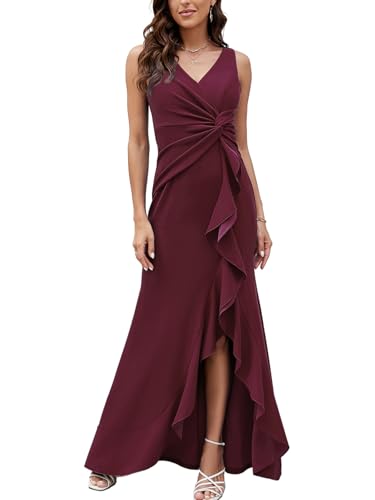

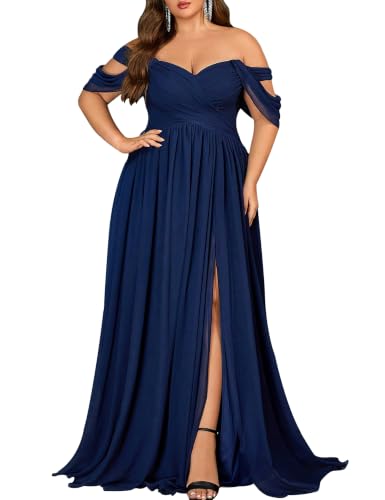


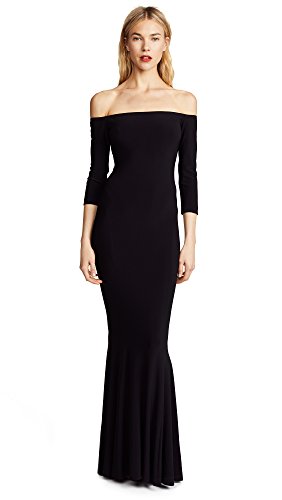
Norma Kamali Women’s Off Shoulder Fishtail Gown
Original price was: $295.00.$251.92Current price is: $251.92.


Dress the Population Women’s Iris Spaghetti Strap Plunging Long Dress
Original price was: $288.00.$198.00Current price is: $198.00.


Frequently Asked Questions About Elegant Prom Dresses
What makes a prom dress look elegant?
Clean proportion, secure fit, formal fabric, controlled detail, polished finishing, intentional color, and cohesive styling are useful signals.
Does an elegant prom dress have to be long?
No. Floor-length gowns are common, but midi, ankle, high-low, and selected short dresses can also look refined.
Does elegant mean expensive?
No. Fit, construction, lining, finishing, and styling matter more than price alone.
Can sequins look elegant?
Yes when sparkle is controlled, the construction is clean, and accessories do not compete with the dress.
Which fabrics can look elegant?
Satin, crepe, chiffon, mikado, velvet, lace, organza, tulle, sequins, and beaded mesh can all work with good construction.
Can a simple prom dress look elegant?
Yes. Minimalist design can look highly refined when fit, fabric, proportion, and styling are strong.
Is elegant the same as beautiful or pretty?
The terms overlap, but elegant can be curated around more specific signals such as formal fabric, balanced detail, and polished construction.
Should elegant prom dresses have a separate category page?
It can be justified when inventory and search demand are distinct; otherwise overlapping adjective pages should be consolidated.
What should I verify before ordering?
Check measurements, fabric, lining, support, seller, school rules, delivery, returns, and alteration feasibility.
What Counts as Elegant Prom Dresses
“Elegant Prom Dresses” is a commercial style-intent category for prom dresses selected for refined proportion, formal construction, controlled surface detail, cohesive color, clean finishing, and a polished complete look. It can include minimalist or embellished dresses as long as the design remains balanced and prom-appropriate.
Elegant does not mean expensive, plain, long, modest, or one body type. A short dress can look refined, and a heavily embellished gown can remain elegant when the detail is controlled; conversely, a high price or formal label does not guarantee quality or fit.
Elegant Prom Dresses Versus Related Prom Categories
This page overlaps simple, beautiful, pretty, modest, classic, and general prom intent. It deserves its own URL only when the products and shopping questions are materially more refined and curated than the broader adjective pages.
Use the narrowest category that reflects an actual product attribute or buying decision. Related paths include prom dresses, simple prom dresses, beautiful prom dresses, modest prom dresses. Internal links should help shoppers move between broader and narrower intent rather than create multiple pages for the same garment set.
Prom Dress Code, Venue, and Event Planning
Before choosing from this collection, check the school’s current written policy for neckline depth, backs, cutouts, transparency, slits, midriff exposure, and hem length. A dress that works in a standing catalog image can change once the wearer sits, raises both arms, or moves quickly.
Plan for transportation, photographs, dinner, stairs, crowded walking, dancing, restroom access, coat storage, and the venue surface. The final choice should satisfy the most restrictive part of the night rather than only the photo or entrance moment.
Silhouette and Proportion
Elegant styling can use A-line, ball gown, column, sheath, mermaid, fit-and-flare, empire, and high-low silhouettes. Proportion, fit, hem control, and balanced detail matter more than declaring one silhouette universally sophisticated.
Judge the fit from front, side, and back views after several minutes of sitting and walking. Pulling, twisting, a rising waist, unstable cups, compressed hips, or a skirt that blocks the stride usually indicates a pattern or size mismatch rather than a styling problem.
Fabric, Lining, and Surface Finish
Satin, crepe, chiffon, mikado, velvet, lace, organza, tulle, sequins, and beaded mesh can all appear refined when density, lining, seam control, drape, and finishing are appropriate. Fabric name alone does not establish quality.
Check the exact variation for lining, stretch, fabric density, care instructions, and surface treatment. Daylight and flash photography can reveal transparency, seam strain, texture changes, loose embellishment, lining edges, and color shifts that are difficult to judge from a retailer’s studio image.
Neckline, Bodice, Closures, and Support
Refined prom bodices may include strapless, sweetheart, square, bateau, V-neck, halter, one-shoulder, off-shoulder, high-neck, and corset construction. Support should be secure and visually clean, with no gaping, exposed cup edges, strained closures, or constant adjustment.
Try the dress with the planned bra, cups, tape, or base layer. Test every zipper, hook, button, tie, lace-up point, and strap before removing tags, then raise both arms, bend, sit, and hug to confirm that the neckline stays secure without repeated adjustment.
Length, Slits, Trains, and Movement
Floor and sweep gowns are common in elegant collections, but ankle, midi, high-low, and selected short lengths can also work. Formality should come from the whole garment rather than an assumption that longer is always more elegant.
Wear the final shoes during the movement test. Walk quickly, climb a step, sit, turn, and simulate dancing; slits can rise, trains can catch, fitted knees can restrict stride, and layered linings can behave differently from the outer skirt once the fabric warms and settles.
Measurements and Size Selection
Record bust, waist, hips, torso, shoulders, upper arms when relevant, and garment length. A polished silhouette depends on correct vertical placement and ease; tailoring cannot always rescue a dress that misses several structural measurements.
Numerical, junior, misses, petite, tall, plus, and brand-specific sizes can use different pattern blocks. Choose from the least flexible body area and rely on reviews only when the reviewer gives measurements, purchased size, and the exact color or construction variation.
Photography, Color, and Undertone
Black, navy, jewel tones, pastels, metallics, red, green, and neutrals can all support an elegant look. Undertone, lining, sheen, and embellishment density should be judged on the received garment and under venue-like lighting.
Compare the delivered dress in daylight, warm indoor light, and flash before coordinating shoes, jewelry, or makeup. Retail color names are not standardized, and satin shine, velvet pile, sequins, mesh, lining, and camera processing can make the same shade look substantially different.
Petite, Tall, Plus, Junior, and Adaptive Fit
Elegant styling is not limited by age, size, height, or body shape. A truly useful category should show refined options across petite, tall, plus, junior, adaptive, large-bust, and different-torso needs without relying on “flattering for everyone” claims.
Look for size-specific photographs and garment measurements where available. Designs graded mainly in width can misplace cups, waistlines, motifs, pockets, slits, sleeves, and hems, so the best starting size is the pattern block that is closest to the wearer vertically as well as horizontally.
Alterations and Construction Limits
A simple-looking gown may still be difficult to alter if it uses bias satin, corsetry, sleeves, lined slits, lace borders, beads, or structured hems. Get a tailoring estimate before the return window closes and prioritize the dress that starts closest to the required fit.
Get an alteration estimate before the return deadline and bring the final shoes and underlayers to fittings. Straight hems and simple straps are usually easier than corsetry, sleeves, beading, lace borders, sequins, bias cuts, layered skirts, or motif-heavy seams.
Seller, Delivery, Returns, and Total Cost
Verify seller, exact variation, materials, lining, closure, measurements, delivery, and returns. Marketplace titles frequently use elegant as a broad adjective on wedding-guest, bridesmaid, cocktail, and casual dresses, so the product itself must support prom-level use.
Save the selected seller, color, size, size chart, delivery estimate, included items, and return policy at checkout. Order early enough for inspection, one failed option, exchange, alterations, steaming, accessories, and a complete movement rehearsal; final-sale purchases require verified measurements and accepted risk.
What Makes a Prom Dress Read as Elegant
Useful signals include clean proportion, controlled drape, secure support, consistent finishing, intentional color, balanced embellishment, and accessories that do not compete with the garment. None requires a specific price point or designer label.
The strongest category copy should describe these observable decisions rather than using elegant as a synonym for beautiful or expensive.
Minimalist Versus Embellished Elegance
A minimalist satin column can look refined through fit, fabric, and finish, while a beaded ball gown can look equally polished when the sparkle follows the silhouette and the accessories remain restrained.
The distinction is not “simple versus fancy.” It is whether the details support a coherent formal look without introducing weak fit, unstable construction, or visual clutter.
SEO Recommendation for Elegant Prom Dresses
Search results show commercial retailers using elegant as a meaningful shopping modifier, so the page can be retained when it has a deliberately curated product set. It should not, however, duplicate the same products and copy used on beautiful, pretty, and simple pages.
Use Search Console, product overlap, backlinks, and conversion data to decide whether this modifier earns a separate URL. If not, merge the strongest material into the main prom hub or the most relevant refined-style page.
Final Elegant Prom Dresses Checklist
Before ordering, define what elegant means for the shopper in measurable terms: silhouette, fabric, detail level, support, coverage, color, length, budget, measurements, seller, delivery, and returns.
After delivery, inspect fit and finishing in daylight and flash, then rehearse sitting, walking, stairs, dancing, outerwear, and restroom access. Keep the dress only when the complete look remains polished without constant adjustment or styling fixes.