
Vintage Prom Dresses
Vintage Prom Dresses can mean two different things: authentic older garments or modern dresses designed with a recognizable past-decade influence. For accurate US shopping intent, the category should distinguish those ideas instead of using “vintage” as a loose synonym for lace, tea length, or formal.
The strongest vintage-inspired looks borrow specific proportions and details from an era—such as 1920s beading, 1950s fitted waists and full skirts, 1980s ruffles and statement sleeves, or 1990s satin slips and minimalist lines. True vintage pieces require an additional condition check because age, old seam allowances, fragile fabric, and previous alterations can affect wearability.
Continue by era or aesthetic through 80s prom dresses, lace prom dresses, simple prom dresses, or compare the full prom dresses assortment.


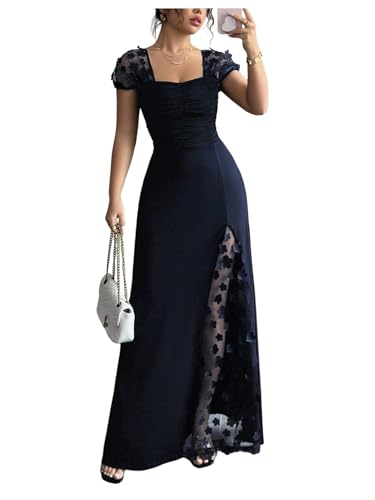
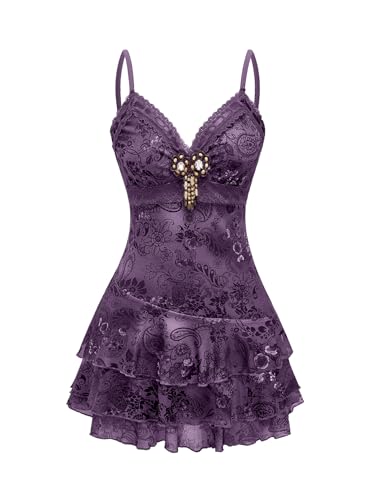
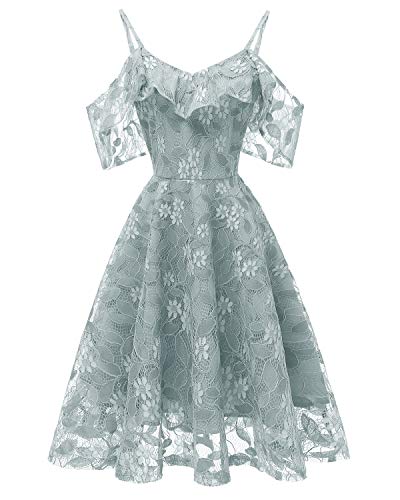



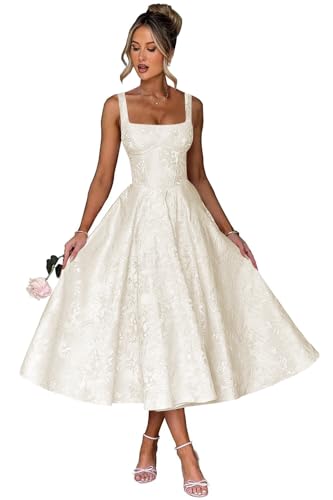


Dress the Population Women’s Lyla Plunging Sleeveless Fitted Midi Sheath Dress
Original price was: $168.00.$137.76Current price is: $137.76.
Frequently Asked Questions About Vintage Prom Dresses
What does vintage prom dress mean?
It can mean an authentic older garment or a new dress inspired by a past decade. Product pages should distinguish true vintage from vintage-inspired styling.
Which decades are common for vintage-inspired prom looks?
1920s fringe and beading, 1950s full skirts, 1970s flowing shapes, 1980s ruffles and puff sleeves, and 1990s minimalist slip silhouettes are common references.
How do I size a true vintage dress?
Use garment measurements rather than the labeled size because historical sizing standards and previous alterations may differ greatly from current US sizing.
Are vintage dresses harder to alter?
They can be, especially when fabric is fragile, seams have little allowance, or beadwork, lace, boning, and old zippers are involved.
How can I make a modern dress look vintage-inspired?
Use era-specific proportions and accessories—such as gloves, pearls, T-strap shoes, a beaded bag, or a sleek 1990s-inspired styling approach—without claiming the garment itself is vintage.
What should I inspect on an older dress?
Check seams, underarms, zipper or hooks, lining, stains, odors, fabric weakness, missing beads, hem damage, and previous alterations.
What should I verify when buying online?
Confirm whether the item is authentic vintage or vintage-inspired, its exact measurements, condition, fabric, seller photos, return terms, and alteration feasibility.
True Vintage vs Vintage-Inspired Prom Dresses
An authentic vintage dress was made in an earlier period; a vintage-inspired dress is newly made but borrows the era’s styling. This distinction matters for sizing, condition, returns, cleaning, and the accuracy of the product description.
1920s, 1950s, 1980s, and 1990s References
1920s looks often feature drop waists, fringe, beads, or Art Deco geometry. 1950s styling favors defined waists and fuller skirts. 1980s prom is associated with ruffles, puff sleeves, metallics, and dramatic volume, while 1990s references often use slip shapes, spaghetti straps, and cleaner satin lines.
Why the Decade Reference Should Be Specific
Many vintage-prom guides perform well because they help shoppers identify an era rather than simply presenting a mixed product grid. A useful category page can explain the visual vocabulary of each decade and then link shoppers toward matching silhouettes or fabrics.
Condition Checks for Authentic Vintage
Inspect underarms, side seams, lining, closures, bead attachment, fabric strength, stains, odors, and old hem repairs. Delicate silk, rayon, lace, or net may not tolerate the same cleaning or alteration approach as a newly manufactured gown.
Vintage Sizing Is Not Modern US Sizing
Do not convert from an old label number alone. Compare garment measurements with the wearer’s bust, waist, hips, shoulders, torso, and desired length. Leave enough wearing ease for sitting and dancing.
Accessories That Support the Era
Era-specific shoes, bags, gloves, jewelry, hair, and makeup can strengthen a vintage-inspired look without requiring a costume-like result. Choose a few coherent references instead of stacking every recognizable period detail together.
Alterations Without Losing Character
On true vintage, preserve original trim and fabric when possible. On new vintage-inspired dresses, alterations should maintain the intended waistline, skirt proportion, sleeve volume, or bias drape that creates the period reference.
Choosing Vintage Prom Dresses
First decide whether you want authenticity or an era-inspired look. Then compare condition, measurements, movement, repair risk, accessories, and whether the dress still meets current school rules and comfort expectations.
1950s Vintage-Inspired Prom Dresses
1950s-inspired prom dresses often focus on a defined waist and fuller skirt, using A-line or fit-and-flare proportions, tea-length hems, sweetheart necklines, satin, taffeta, lace, or structured underskirts. The key is proportion rather than adding every retro detail at once. A fitted waist with a controlled full skirt can reference the era without looking like a costume.
For modern prom use, check whether the skirt volume allows comfortable seating and whether the hem works with the final shoes. Pearl earrings, a structured clutch, and simple pumps can reinforce the look. If lace is the main feature, compare lace prom dresses.
1970s and Bohemian Vintage Prom Style
1970s-inspired formalwear can use flowing chiffon, empire or softly defined waists, halter necklines, cape sleeves, floral patterns, and relaxed A-line skirts. The style works best when the fabric moves easily instead of being over-structured. Modern versions can borrow these proportions while keeping contemporary lining, closures, and support.
Platform-inspired shoes, layered jewelry, and soft waves can support the reference, but keep the outfit practical for stairs and dancing. Long flowing sleeves or scarf details should be tested around food, bags, and handrails so the vintage mood does not create a snag problem.
1980s Prom Dresses: Ruffles, Bows, Volume, and Shine
1980s prom style is associated with more visible drama: ruffles, puff sleeves, oversized bows, metallic or satin finishes, bright color, dropped or basque waists, and fuller skirts. A modern 80s-inspired dress can use one or two of these features without reproducing every period detail. The silhouette should still fit the wearer’s current proportions and event needs.
If you want this decade specifically, browse 80s prom dresses. Check shoulder width, sleeve movement, and skirt volume carefully because exaggerated details change scale more dramatically than a simple slip or A-line gown.
1990s Prom Dresses and Minimal Satin Looks
1990s-inspired prom dresses often move in the opposite direction: bias-cut satin, spaghetti straps, column silhouettes, simple scoop or cowl necklines, minimal embellishment, and clean slip-dress lines. The difficulty is fit. Bias satin can cling or pull even when the nominal size seems correct, and a simple dress exposes seam quality because there are fewer decorative details to distract from construction.
Use smooth underlayers, test the dress while seated, and check flash photography for seam and lining visibility. Minimal jewelry, a compact shoulder bag, and sleek hair can keep the reference clear without turning the outfit into a themed costume.
Authentic Vintage Prom Dresses: Condition and Fabric Risk
An authentic vintage prom dress should be inspected for weakened seams, brittle lining, yellowing, broken zippers, missing beads, moth damage, underarm discoloration, stretched elastic, and previous alterations. Older fabrics may not tolerate aggressive steaming or modern dry-cleaning methods, so care requirements should be confirmed before purchase.
Do not rely on the tagged size. Vintage sizing can differ sharply from current US retail sizing, and previous owners may have altered the garment. Ask for flat garment measurements and compare bust, waist, hips, shoulder width, bodice length, and total length with a dress that already fits you.
Vintage-Inspired vs Costume-Like: Keeping the Look Intentional
A strong vintage prom look usually has a clear decade reference supported by silhouette, fabric, and accessories. A generic lace gown does not become “vintage” merely because it looks romantic. Likewise, piling gloves, pearls, retro hair, and novelty accessories onto an unrelated modern gown can make the outfit feel themed rather than polished.
Choose one era and let two or three elements carry the reference. For shoppers who prefer understated formalwear without a specific decade, simple prom dresses may be a more accurate category than vintage.
How to Read a “Vintage” Prom Dress Listing
Online listings may use “vintage,” “retro,” “vintage-inspired,” and “old Hollywood” loosely. Look for specific evidence in the garment description: decade reference, silhouette, fabric, neckline, sleeve shape, hem length, closure, or provenance. A new satin slip dress can be 1990s-inspired without being authentic vintage, while an older garment should ideally include measurements, condition notes, and information about flaws or prior alterations.
For authentic pieces, request close images of seams, zipper, underarms, lining, hem, beadwork, and labels. For new vintage-inspired dresses, focus on whether the period details are convincing and wearable. This distinction helps search engines and shoppers understand whether the page serves retro style inspiration, actual older garments, or both.