
Short Dresses
Short dresses cover mini, above-the-knee, and selected knee-length dresses across casual, cocktail, homecoming, party, work, wedding guest, graduation, and evening shopping. The product grid may contain A-line minis, bodycon dresses, shift dresses, short sleeves, long sleeves, satin cocktail dresses, lace fit-and-flare styles, wrap dresses, shirt dresses, and plus-size options. Filter first by the actual invitation or use case, wearer and garment type, required hem or coverage, and exact measurements; then compare the selected seller, fabric, lining, closure, current delivery estimate, and return eligibility.This page is hem-led and must separate casual short dresses from school-dance, cocktail, work, and wedding-guest construction rather than treating short as one dress code. Retailers frequently combine casual, cocktail, wedding guest, homecoming, prom, work, and formal products inside the same navigation path. This guide separates those intents using construction, length, exposure, venue, and wearer role so the page remains a useful commercial comparison category.Related paths include long dresses, elegant dresses, short tight homecoming dresses, and collared dresses. Each link answers a different shopping question and helps narrow the decision by color, length, neckline, event level, or construction.
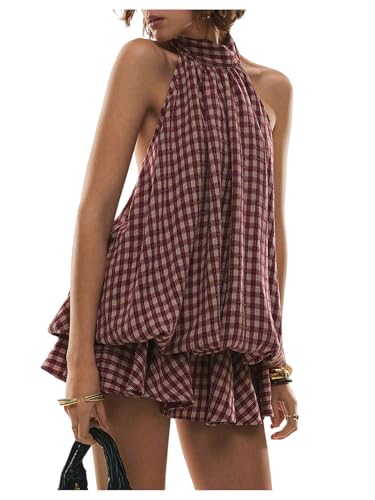
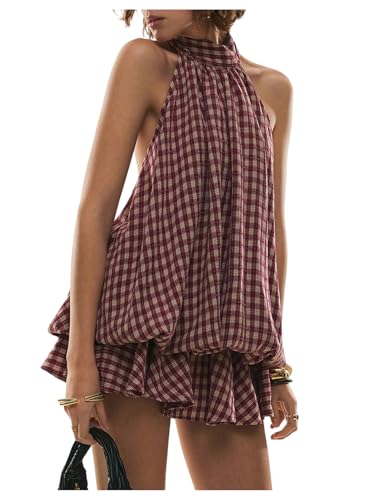
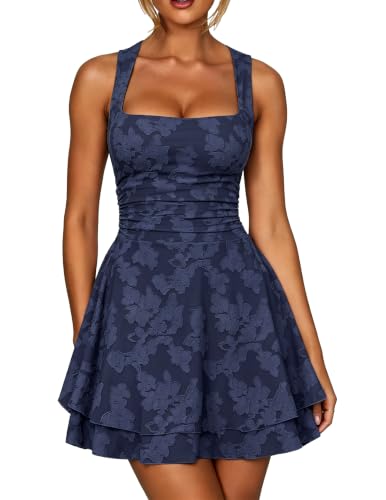
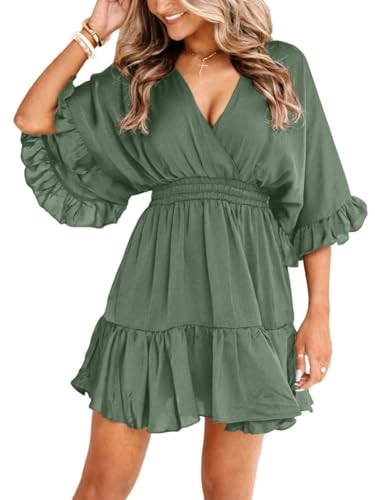







BOLENSYE Chiffon Rust Bridesmaid Dresses with Sleeves V Neck Ruched Long Wedding Guest Dress US6
Original price was: $59.99.$49.99Current price is: $49.99.


Women’s Sheer Lace Appliques Beach Wedding Dresses for Bride V Neck Split Formal Prom Dress White Size 16
Original price was: $84.99.$79.98Current price is: $79.98.


Frequently Asked Questions About Short Dresses
What length counts as a short dress?
Short dresses commonly include mini, above-the-knee, and selected knee-length hems, but exact measurements are more reliable than labels.
Is every short dress casual?
No. Fabric, lining, construction, neckline, and styling can make a short dress suitable for cocktail, homecoming, or other dressy events.
Can a short dress be appropriate for a wedding?
Yes when it respects the invitation, ceremony, venue, color etiquette, and seated coverage.
How should I check a short dress length?
Measure the garment and test it while standing, sitting, walking, bending, and raising both arms.
Can tall women wear mini dresses?
Yes, but garment length and seated coverage should be checked on the wearer rather than inferred from the product label.
What shoes work with short dresses?
Flats, sandals, pumps, block heels, boots, and sneakers can work depending on the dress code and venue.
Should I wear shorts under a short dress?
Shorts can add comfort or coverage when compatible with the fabric, hem, and wearer preference, but they do not replace event compliance.
Can short dresses be lengthened?
Sometimes, but matching fabric, lace, or panels can be difficult; choosing a correct starting length is usually safer.
What should I verify before ordering?
Check the occasion, exact hem, seller, measurements, lining, neckline, school or venue rules, delivery, and returns.
What Counts as a Short Dress
Short dresses generally include mini, above-the-knee, and selected knee-length hems, but the same listed length can land differently by height, torso, rise, waist placement, and skirt shape. Exact garment measurements are essential.
Short describes hem position, not occasion. Cotton shifts, knit T-shirt dresses, satin cocktail minis, school-dance A-lines, work sheaths, and embellished party dresses can all be short while requiring different standards for fabric, lining, exposure, and styling.
Short Dresses Versus Mini, Cocktail, and Homecoming Styles
Mini is a length term, cocktail is an event category, and homecoming is a school occasion with local rules. A short dress may belong to any of these groups, but the label alone does not prove that it is suitable for the intended venue.
Use construction and context. A lined satin fit-and-flare can suit a cocktail party, a secure sequin mini may fit homecoming, and a cotton shift may be better for daytime. Avoid moving nightlife styling into school, work, or ceremony settings without review.
Choosing a Short Dress for the Event
Start with the invitation, venue, time, wearer role, expected weather, and the longest or most restrictive part of the schedule. A product image cannot show whether the dress will work for a ceremony, school rule, work setting, seated meal, outdoor walk, or several hours of dancing.
Use the actual event requirements to remove unsuitable products before comparing color, embellishment, or trend details. When wording is unclear, a lined, securely fitted dress with controlled exposure and polished shoes is usually safer than either a casual day dress or a highly ceremonial gown.
A-Line, Shift, Sheath, Bodycon, and Wrap Shapes
A-line short dresses create skirt movement, shifts need shoulder and bust balance, sheaths require seated hip ease, bodycon styles must recover without climbing, and wraps need secure overlap at both bust and hem.
Check front, side, and back after sitting for ten minutes. A short skirt can change dramatically when the waist rises, the lining twists, the fabric stretches, or the wearer raises both arms, so standing length is only the first measurement.
Mini, Above-Knee, and Knee-Length Differences
Mini usually sits well above the knee, above-knee falls between mini and knee length, and knee-length may touch or surround the kneecap. Retailers use these terms inconsistently and model height can make the same garment appear to change categories.
Measure shoulder-to-hem or waist-to-hem and compare it with a familiar dress. Repeat the check while seated, bending, walking, and raising the arms. Slits, wrap fronts, curved hems, and fitted skirts reduce coverage differently in motion.
Short-Dress Fabrics and Opacity
Crepe, satin, chiffon, georgette, lace, velvet, organza, ponte, jacquard, cotton, linen, knit, and refined jersey behave differently in drape, shine, opacity, recovery, and temperature. The fiber name alone does not establish quality or occasion level.
Inspect customer photographs in daylight and flash for transparency, cling, seam strain, static, pilling, exaggerated shine, and color shift. Confirm the material, lining, stretch direction, care instructions, and exact selected variation on the final seller page.
Linings, Hems, Zippers, and Short-Dress Structure
Inspect lining, facings, seam alignment, closure quality, slit reinforcement, straps, hooks, buttons, and hem finishing rather than judging the dress by decorative detail alone. Strong construction keeps the garment stable after sitting, walking, and several hours of wear.
Test every zipper, button, tie, snap, and hook before removing tags. Check whether the lining is tighter or shorter than the outer layer and whether beads, lace, pleats, or boning cross likely alteration points. A low price loses value when basic repairs are immediately necessary.
Necklines and Bodice Support in Short Dresses
Short dresses can combine minimal hem coverage with strapless, plunge, cutout, off-shoulder, or low-back bodices. The complete exposure level must fit the event, and the neckline should remain stable without continuous pulling.
Test the dress with the planned bra or base layer. Check side coverage, back depth, armholes, cup placement, and whether raising the arms pulls the hem upward. A short dress should not depend on tape to correct a loose bodice.
Sleeves and Layering Short Dresses
Long sleeves can balance a short hem, but they do not automatically make the dress appropriate. Sleeveless, cap, puff, flutter, mesh, and long sleeves need correct shoulder and upper-arm fit and should work with the planned coat.
Use layers for temperature and intentional styling rather than to disguise a dress that fails the event requirements. Check whether a blazer, cardigan, or coat changes the waist, neckline, or skirt position.
Sizing Short Dresses
Record bust, waist, hips, shoulders, torso, upper arms, and preferred garment length in the undergarments planned for the dress. Numerical, alpha, junior, petite, tall, plus, maternity, and brand-specific sizes use different pattern blocks and should not be converted by habit alone.
Compare measurements with the exact seller chart and choose from the least flexible area, such as a woven bodice, fixed waistband, lined sleeve, fitted hip, or structured cup. Reviews are most useful when they include height, body measurements, purchased size, and the exact variation.
Color and Print at a Short Hem
Bright colors, metallics, florals, sequins, and bold prints can make a short silhouette more visually prominent. This may suit parties and homecoming but require quieter styling for weddings, work functions, or daytime events.
Inspect print placement and selected color under daylight and flash. White-dominant prints need wedding caution, and pale or thin fabrics need opacity testing from front, side, and back while seated.
Seasonal Short Dresses and Leg Coverage
Short dresses can work year-round with fabric and layering changes. Chiffon, linen, cotton, and sleeveless crepe can suit warm weather, while velvet, knit, jacquard, tights, boots, and long sleeves can support cold seasons.
The venue still controls the decision. Heavy tights may not fix a dress that is too short for a school or workplace, and a thick long-sleeve mini may overheat in a crowded indoor event.
Sitting, Walking, and Dancing in a Short Dress
A dress must work beyond a standing catalog pose. Walking, stairs, sitting, reaching, hugging, dancing, transportation, and restroom use can reveal riding hems, twisting linings, unstable necklines, restrictive sleeves, zipper strain, or fabric that catches under chairs.
Complete a fifteen-minute rehearsal in the planned shoes and base layers. Sit, bend, step up, turn, raise both arms, and walk at event pace. Reject repeated adjustment, restricted breathing, exposed lining, or a hem and neckline that cannot remain controlled through normal movement.
Shorts, Slips, Hosiery, and Base Layers
Choose a bra, slip, camisole, shorts, hosiery, shapewear, cups, or adhesive support only for a defined need such as opacity, friction control, warmth, or neckline compatibility. Base layers should not create visible edges, rolling bands, restricted breathing, or difficult restroom access.
Test the complete outfit in daylight and flash, then remain seated long enough to see whether bands roll or seams mark the fabric. Do not size down to force compression or depend on shapewear and tape to correct an incorrectly fitted bodice, waist, sleeve, or hip.
Shoes and Accessories for Short Dresses
Shoes, bag, jewelry, belt, wrap, and outerwear establish the final level of polish. Select heel width for the walking surface, match metal finishes to visible hardware or beadwork, and keep bags away from lace, sequins, fringe, or delicate surface treatments.
Accessories should support the strongest feature of the dress rather than compete with it. Choose the shoes before final hem approval, test the planned coat over the complete garment, and confirm that the bag can carry essentials without distorting or snagging the dress.
Petite, Tall, Plus-Size, Junior, and Adaptive Short Fit
Petite, tall, plus-size, junior, maternity, and adaptive shoppers may need different torso lengths, rises, sleeve positions, closure access, and hem measurements in the same visual style. Good fit depends on proportions, movement, and preference rather than restrictive body-type rules.
Look for size-specific photographs and garment measurements when available. A design scaled only in width can misplace the bust, waist, pockets, slit, collar, or embellishment. Start with the pattern block closest to the wearer instead of budgeting to reconstruct several landmarks.
Altering Short Dresses
Plain hems, straps, and limited side-seam changes are usually simpler than lace borders, pleats, sequins, boning, draped waists, sleeves, asymmetric hems, velvet, bias satin, or beaded mesh. Decoration and internal structure can make an apparently small change specialist work.
Get a tailoring estimate before the return deadline and bring the final shoes and base layers to every fitting. Return a dress that misses several structural measurements; rebuilding the bust, moving the waist, changing the neckline, and correcting the hem can cost more than choosing a better starting size.
Shopping Short Dresses Online
Category grids can mix sellers, sizes, fabrics, delivery dates, and return rules under one image. Open the final listing and verify the selected seller, color, material, chart, closure, included pieces, current delivery estimate, return eligibility, and any final-sale restriction.
Save screenshots of the chosen variation and policy at checkout. Order early enough for inspection, exchange, steaming, and alterations. Compare total cost, including shipping, tax, returns, tailoring, undergarments, shoes, cleaning, and replacement risk, rather than using the listing price alone.
Short Does Not Automatically Mean Casual
A short dress can be polished enough for cocktail, homecoming, weddings, or evening events when the fabric, lining, neckline, fit, and accessories support that level. Conversely, floor length is not required for every formal-looking occasion.
Evaluate the complete garment rather than ranking lengths. A structured jacquard mini can be dressier than a casual jersey maxi, and a knee-length crepe sheath can be more appropriate than an embellished short dress for a professional ceremony.
Reading Hem Rules Literally
Schools, workplaces, religious venues, and organizations may specify minimum length, fingertip rules, slit limits, or seated coverage. Product labels such as modest, cocktail, or homecoming do not prove compliance.
Measure the received dress on the wearer in the planned shoes and undergarments. Photograph front, side, and back with arms raised and while seated. Ask the organizer before alterations when a feature is borderline.
Final Short Dress Checklist
Before ordering, confirm the occasion, venue, time, wearer role, exact measurements, garment length, fabric, lining, closure, support plan, seller, delivery date, return terms, and likely alteration work. Remove any product that fails a non-negotiable requirement before comparing decorative details.
After delivery, inspect the dress in daylight and flash, test every closure, and rehearse sitting, walking, stairs, reaching, dancing, transportation, and outerwear. Keep it only when it remains secure without repeated adjustment and satisfies the specific shopping purpose of this category.