
XS Dresses for Women
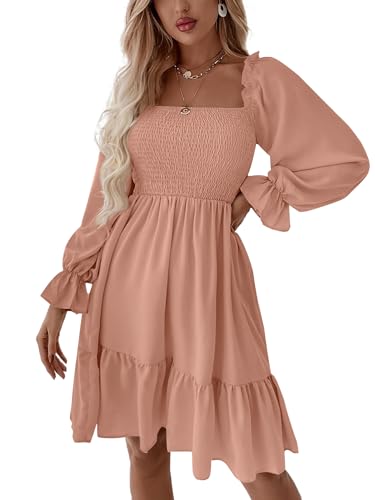
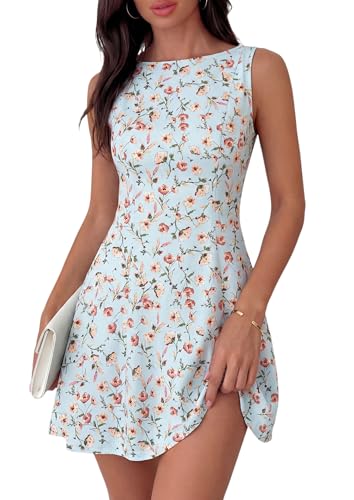
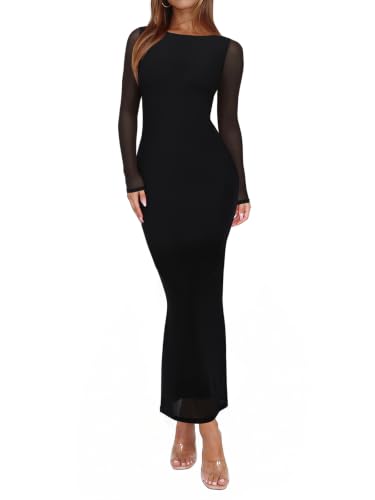
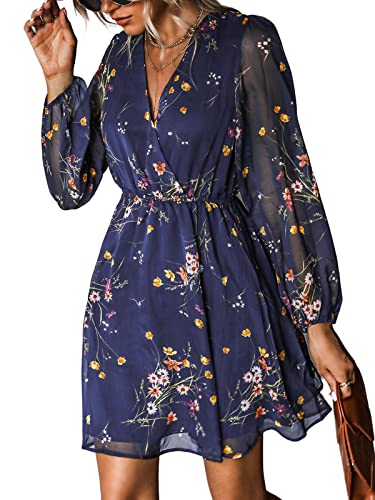
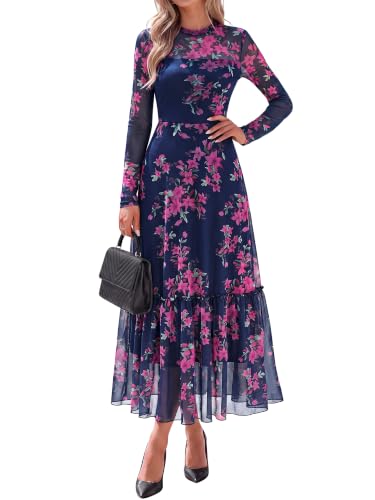
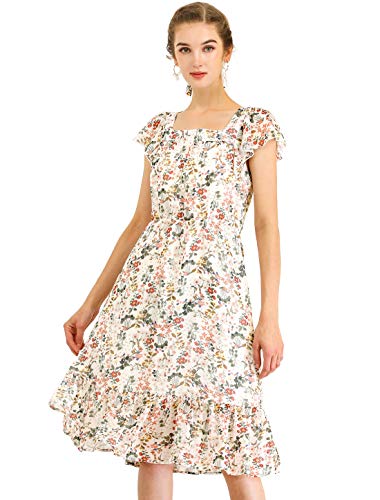
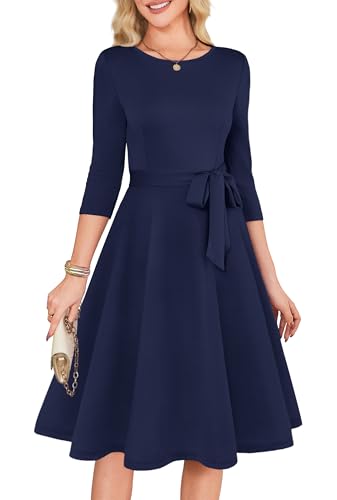
XS dresses for women include extra-small styles for work, weddings, cocktail parties, formal dinners, travel, vacations, graduation, church, and everyday wardrobes. The product grid below may cover A-lines, wraps, fitted styles, shirt dresses, minis, midis, maxis, satin, chiffon, lace, jersey, and seasonal options. Compare silhouette, fabric, length, neckline, sleeves, closure, and event suitability instead of choosing from one styled photograph.XS is not a universal numerical size, and a narrow width does not guarantee correct shoulder, bust, torso, sleeve, or hem proportions. Sizing and terminology differ across sellers, so verify current measurements, material, lining, care, delivery, and return terms on the final retailer page. A suitable dress should remain secure while sitting, walking, reaching, and wearing the intended shoes or underlayers.Related shopping paths include dresses by size, XXS dresses, size S dresses, and fitted dresses. These internal categories separate the broader Dresses by Size intent from size, color, silhouette, length, and occasion-specific searches.
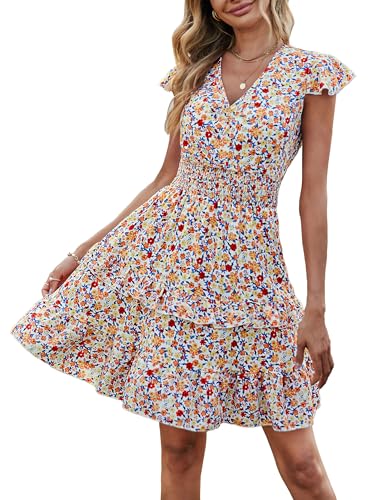
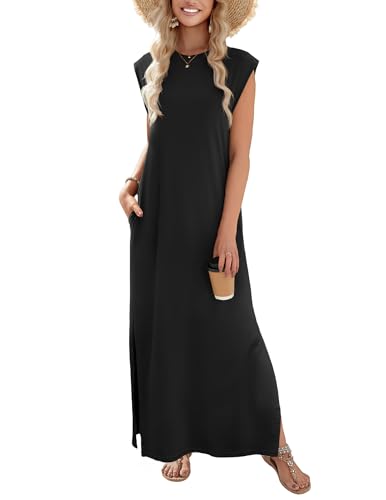
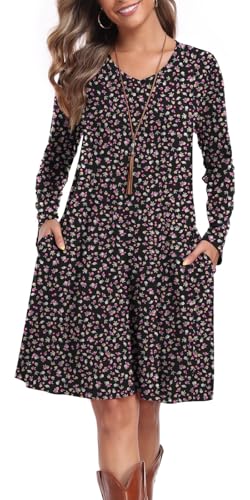
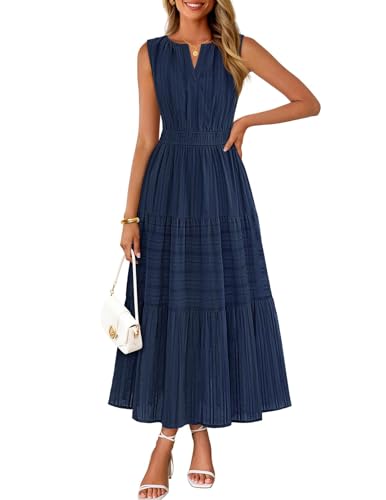








Frequently Asked Questions About XS Dresses for Women
What numerical size is XS?
It varies by brand. XS may overlap with different numerical sizes, so use the exact bust, waist, hip, shoulder, and length chart.
Is XS the same as petite?
No. XS describes width, while petite changes vertical proportions. A shopper may need XS petite, regular XS, or another combination.
How do I choose between XXS, XS, and S?
Compare the exact chart and the least flexible area, including shoulders, bust, sleeves, waist, hip, lining, and length.
What should I measure?
Measure bust, waist, hip, shoulder width, upper arm, shoulder-to-waist, height, and required garment length. Recheck those figures immediately before ordering if the original measurements are old.
Which XS dresses work for formal events?
Satin, chiffon, lace, velvet, sequined, A-line, fitted, wrap, and long gowns can work when the bodice and length fit. Verify the bodice depth and shoulder-to-hem length in the selected formal style.
How do I prevent neckline or armhole gaping?
Check shoulder width, bust depth, strap length, neckline construction, and whether small alterations are practical. Photograph the front and side while moving to confirm that the upper edge stays flat.
Can XS dresses be altered?
Many can be adjusted at straps, shoulders, side seams, and hems. Major bodice or waistline reconstruction is more difficult. Ask a tailor whether the available seam allowance supports the planned change.
Should I buy the model’s size?
No. Use your current measurements and the exact retailer chart because model height and proportions may differ.
What should I verify on the retailer page?
Check seller, exact XS chart, fabric, lining, closure, length, delivery, returns, and care.
What XS Means
XS should be treated as a retailer filter instead of a universal measurement. The first screening question concerns brand-specific alpha sizing. Once that requirement passes, use numerical conversion differences to narrow the options and inspect body charts versus garment measurements under daylight and ordinary indoor light. This order reduces returns caused by color shift, incorrect length, transparency, or rigid construction.
The wearer should breathe normally, sit, use stairs, and move through the planned occasion. If brand-specific alpha sizing creates pressure or numerical conversion differences shifts, another cut may be more suitable. Do not use body charts versus garment measurements to justify keeping a fundamentally incorrect fit.
Choosing Between XXS, XS, and S
The correct label may change between a structured dress and a stretch knit. Shopping improves when shoulder, bust, waist, hip, and arm measurements is verified first. Afterwards, use fabric stretch and lining to compare construction and the least flexible area to judge preparation needs. Keep the seller, delivery, and return information with the garment until the decision is final.
Photograph the received dress in daylight and venue-like lighting. This is useful for judging shoulder, bust, waist, hip, and arm measurements, while a movement test reveals problems involving fabric stretch and lining. Read the care label early because the least flexible area may affect steaming, cleaning, packing, and storage.
XS Versus Petite
Extra small and petite describe different sizing dimensions. Shopping improves when width versus vertical proportion is verified first. Afterwards, use bodice, sleeve, rise, and hem length to compare construction and petite availability within XS to judge preparation needs. Keep the seller, delivery, and return information with the garment until the decision is final, with this guidance applied specifically to XS Dresses for Women during the XS Versus Petite review.
For an important event, leave enough time to exchange the garment if width versus vertical proportion or bodice, sleeve, rise, and hem length differs from the listing. A tailor may correct a simple issue, but petite availability within XS can make alterations expensive or structurally unwise. Request advice before the return deadline.
Complete XS Measurements
Vertical measurements help prevent gaping, low waistlines, and excessive hems. Rank bust, waist, hip, shoulder, upper arm, and torso, shoulder-to-waist and shoulder-to-hem length, and the planned bra and shoes according to the event. This makes comparison more consistent and prevents a trend from overriding fit or dress-code requirements. The garment should support the full schedule from arrival through seated portions and movement.
Customer reviews are most useful when they include measurements, purchased size, height, and a specific issue with bust, waist, hip, shoulder, upper arm, and torso or shoulder-to-waist and shoulder-to-hem length. Confirm that the review applies to the exact variation because the planned bra and shoes may change between sellers, colors, or fabrics.
XS Work Dresses
A work dress should not rely on a jacket to hide excess fabric or a shifting neckline. For XS dresses for women, compare sheath, shirt, wrap, ponte, and crepe styles before evaluating shoulder stability and blazer fit. women’s work dresses should be checked with the complete outfit because it can change comfort, formality, and movement during the real event. Use measurements and construction details rather than a broad product label.
During the home trial, test sheath, shirt, wrap, ponte, and crepe styles while seated and repeat the check after several minutes. Inspect shoulder stability and blazer fit from multiple angles and verify that women’s work dresses remains stable when the wearer reaches, turns, and walks. Keep tags and packaging until every requirement passes. This shopping-guide passage is retained specifically for XS Dresses for Women and its distinct commercial search intent.
XS Wedding Guest Dresses
Wedding selection begins with the invitation rather than the smallest available label. Consider dress code, venue, season, and color etiquette within the complete outfit. Shoes, foundation garments, bags, and coats may change how floral midis, chiffon, satin, and lace performs, while wedding guest dresses can affect tailoring and care. Complete that review before tags are removed or alterations begin.
During the home trial, test dress code, venue, season, and color etiquette while seated and repeat the check after several minutes. Inspect floral midis, chiffon, satin, and lace from multiple angles and verify that wedding guest dresses remains stable when the wearer reaches, turns, and walks. Keep tags and packaging until every requirement passes, with this guidance applied specifically to XS Dresses for Women during the XS Wedding Guest Dresses review.
XS Cocktail Dresses
Shorter dresses need exact garment measurements because model height may differ. The practical issue is how mini, knee, midi, fitted, and fit-and-flare styles works with seated coverage and neckline security. For XS dresses for women, cocktail dresses may become the least flexible or most visible part of the dress. Inspect all layers and closures instead of assuming one adjustable feature solves the complete fit.
A useful listing should explain mini, knee, midi, fitted, and fit-and-flare styles, show seated coverage and neckline security, and provide enough information to assess cocktail dresses. When those details are missing, reliable return terms become more important. Avoid nonreturnable purchases based on guessed measurements.
XS Formal Dresses
Formal XS dresses often require length and torso checks even when the width is correct. Rank long gowns, satin, chiffon, velvet, lace, and sequins, bodice depth and hem planning, and formal dresses according to the event. This makes comparison more consistent and prevents a trend from overriding fit or dress-code requirements, with this guidance applied specifically to XS Dresses for Women during the XS Formal Dresses review. The garment should support the full schedule from arrival through seated portions and movement, with this guidance applied specifically to XS Dresses for Women during the XS Formal Dresses review.
For an important event, leave enough time to exchange the garment if long gowns, satin, chiffon, velvet, lace, and sequins or bodice depth and hem planning differs from the listing. A tailor may correct a simple issue, but formal dresses can make alterations expensive or structurally unwise. Request advice before the return deadline.
Casual XS Dresses
Casual construction should remain secure around the neckline and armholes. Shopping improves when cotton, jersey, sweater knit, shirt, and sundress options is verified first. Afterwards, use washability, opacity, and pocket position to compare construction and casual dresses to judge preparation needs. Keep the seller, delivery, and return information with the garment until the decision is final, with this guidance applied specifically to XS Dresses for Women during the Casual XS Dresses review.
A useful listing should explain cotton, jersey, sweater knit, shirt, and sundress options, show washability, opacity, and pocket position, and provide enough information to assess casual dresses. When those details are missing, reliable return terms become more important, with this guidance applied specifically to XS Dresses for Women during the Casual XS Dresses review. Avoid nonreturnable purchases based on guessed measurements.
Fitted XS Dresses
A fitted XS dress should follow the intended seams without loose fabric or strain. Begin with bust, waist, hip, seat, and lining, then examine how it interacts with gaping versus pulling. In this category, fitted dresses for women often decides whether the garment remains practical while sitting, walking, reaching, or wearing outer layers. Product photography should support—not replace—the specifications.
For an important event, leave enough time to exchange the garment if bust, waist, hip, seat, and lining or gaping versus pulling differs from the listing. A tailor may correct a simple issue, but fitted dresses for women can make alterations expensive or structurally unwise. Request advice before the return deadline.
Straps, Necklines, and Armholes
The upper dress often reveals whether an XS pattern is proportioned correctly. Compare strap length and shoulder width across several products and record differences in bra coverage and neckline depth. Then test armhole gaping or cutting against the venue, weather, and planned activities. A strong option should remain secure and presentable without emergency fixes.
A useful listing should explain strap length and shoulder width, show bra coverage and neckline depth, and provide enough information to assess armhole gaping or cutting. When those details are missing, reliable return terms become more important, with this guidance applied specifically to XS Dresses for Women during the Straps, Necklines, and Armholes review. Avoid nonreturnable purchases based on guessed measurements.
Mini, Midi, and Maxi Lengths
Length labels should be translated into inches before ordering. Review actual shoulder-to-hem measurement before focusing on decoration. Next, compare height, shoes, and seated coverage and confirm dresses by length with the intended undergarments, shoes, or outerwear. A complete fitting is more useful than an isolated standing pose.
The wearer should breathe normally, sit, use stairs, and move through the planned occasion, with this guidance applied specifically to XS Dresses for Women during the Mini, Midi, and Maxi Lengths review. If actual shoulder-to-hem measurement creates pressure or height, shoes, and seated coverage shifts, another cut may be more suitable. Do not use dresses by length to justify keeping a fundamentally incorrect fit.
Fabric Stretch and Recovery
Stretch cannot correct incorrect shoulders or torso length. Begin with jersey, ponte, satin, chiffon, and lace, then examine how it interacts with thin-fabric transparency. In this category, rigid lining and elastic details often decides whether the garment remains practical while sitting, walking, reaching, or wearing outer layers. Product photography should support—not replace—the specifications.
Photograph the received dress in daylight and venue-like lighting, with this guidance applied specifically to XS Dresses for Women during the Fabric Stretch and Recovery review. This is useful for judging jersey, ponte, satin, chiffon, and lace, while a movement test reveals problems involving thin-fabric transparency. Read the care label early because rigid lining and elastic details may affect steaming, cleaning, packing, and storage.
Alterations for XS Dresses
Minor tailoring can refine a good fit, while major resizing may distort the design. For XS dresses for women, straps, shoulders, side seams, and hems affects both appearance and function. The value of moving waistlines or reconstructing bodices becomes clearer from front, side, and back views, while lace, sequins, and narrow seam allowances must be tested in motion. The final choice should support the event without repeated adjustment.
Photograph the received dress in daylight and venue-like lighting, with this guidance applied specifically to XS Dresses for Women during the Alterations for XS Dresses review. This is useful for judging straps, shoulders, side seams, and hems, while a movement test reveals problems involving moving waistlines or reconstructing bodices. Read the care label early because lace, sequins, and narrow seam allowances may affect steaming, cleaning, packing, and storage.
Using Reviews and Size Charts
Evidence from similarly proportioned reviewers can clarify where a brand runs large or long. Begin with reviewer measurements, height, and purchased size, then examine how it interacts with comments about gaping, shoulders, or length. In this category, matching seller and variation often decides whether the garment remains practical while sitting, walking, reaching, or wearing outer layers. Product photography should support—not replace—the specifications.
A useful listing should explain reviewer measurements, height, and purchased size, show comments about gaping, shoulders, or length, and provide enough information to assess matching seller and variation. When those details are missing, reliable return terms become more important, with this guidance applied specifically to XS Dresses for Women during the Using Reviews and Size Charts review. Avoid nonreturnable purchases based on guessed measurements.
Final XS Decision
The final choice should fit the complete body and occasion rather than merely carrying an XS label. Review front, side, and back photographs before focusing on decoration. Next, compare sitting, bending, walking, and arm movement and confirm seller, stock, delivery, returns, and care with the intended undergarments, shoes, or outerwear. A complete fitting is more useful than an isolated standing pose, with this guidance applied specifically to XS Dresses for Women during the Final XS Decision review.
A useful listing should explain front, side, and back photographs, show sitting, bending, walking, and arm movement, and provide enough information to assess seller, stock, delivery, returns, and care. When those details are missing, reliable return terms become more important, with this guidance applied specifically to XS Dresses for Women during the Final XS Decision review. Avoid nonreturnable purchases based on guessed measurements.
XS as a Mainstream Size-Range Category
XS frequently appears in a retailer’s primary size run rather than only in a specialty petite or extended section. That usually creates more choices in color, print, sleeve, and occasion, but it does not make sizing consistent. Compare the actual XS measurements across each shortlisted brand and record whether the chart uses body dimensions or finished garment dimensions.
When a product begins at XS, examine whether the design was photographed and reviewed in several sizes. A broad size run may still change noticeably at the shoulders, neckline, waist seam, or skirt length.
Body Measurement Versus Garment Ease
A body chart identifies the person the brand intends to fit, while a garment chart shows the dress itself. The difference between the two is ease. A woven sheath needs enough ease for breathing and sitting; a relaxed shirt dress may include much more; a stretch knit can show smaller finished dimensions than the body.
Do not compare a garment measurement from one seller with a body measurement from another as though they are equivalent. Note the chart type before deciding between XS and S.
Shoulder Scale and Neckline Position
XS fit problems often appear at the upper body even when the waist is acceptable. Check whether shoulder seams reach the shoulder edge, straps stay in place, a square neckline lies flat, and a V-neck does not open wider than intended. Narrow shoulders may need a different pattern rather than a smaller waist.
Use front, side, and back photographs during the try-on. Small neckline movement becomes more visible when the wearer bends, reaches, or adds a jacket.
XS for Average or Long Torsos
An extra-small width can occur with an average or long torso. When the waist seam sits too high, the skirt may flare from the ribs and the neckline can pull. Compare shoulder-to-waist measurements and look for tall or long-torso reviews when the brand does not publish them.
Sizing up rarely lengthens the bodice enough to solve a pattern mismatch and may create loose shoulders. A different style or tall option is usually a cleaner solution.
Layering an XS Dress
Jackets, cardigans, slips, and thermal layers change the way an XS dress fits. A blazer can expose excess fabric at the back waist, while a thick underlayer can make fitted sleeves or a side zipper uncomfortable. Complete the fitting with the intended season’s layers.
For travel or work, confirm that the dress remains smooth after the layer is removed and that the armholes do not become too loose without it.
Print Scale and Placement in XS
Large florals, engineered borders, stripes, and color blocks occupy a smaller garment area in XS. Review customer photographs to see where major motifs fall on the bodice and skirt. Pattern placement can vary between individual units even within the same size.
Border prints and lace edges may limit hemming. Ask whether shortening the dress would remove a key design feature before ordering.
Building an XS Travel Capsule
A compact wardrobe may use one knit or crepe XS dress for travel days, dinners, and informal meetings with different shoes and layers. Compare wrinkle recovery, washable care, pocket function, and whether the color coordinates with items already packed.
Structured satin, tulle, or sequined options may be correct for one event but require more luggage space and specialist preparation. Match the garment to the actual trip rather than choosing versatility as an abstract goal.
Ordering XS and S for Comparison
When the return policy permits, comparing XS and S in the same style can clarify whether the issue is circumference or proportion. Record shoulder, neckline, bust, waist, sleeve, and length differences instead of keeping the size that merely feels less tight.
Return both promptly when neither pattern works. Alterations should refine a good starting fit, not rebuild every major area.
XS Garment Comparison Worksheet
For each candidate, record seller, chart type, bust, waist, hip, shoulder, upper arm, torso, garment length, fabric, lining, closure, stretch, care, delivery date, and return deadline. This prevents similar marketplace photographs from obscuring important construction differences.
Eliminate listings with missing critical dimensions before comparing trend details. A clear chart and workable policy are part of product quality for online shopping.