
Rose Gold Prom Dress
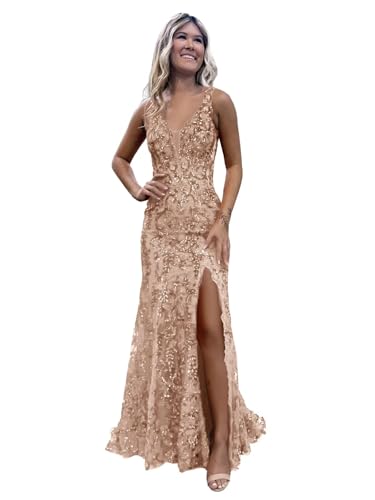
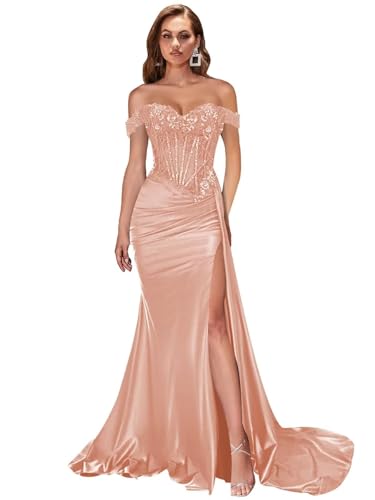
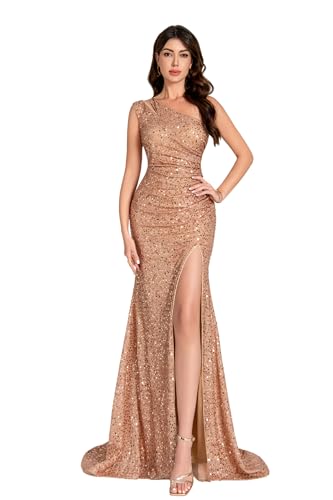
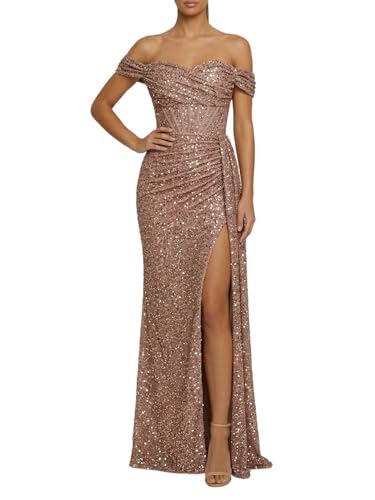
A rose gold prom dress blends pink, champagne, copper, and metallic tones to create a warm formal color that can look soft, glamorous, modern, or romantic. Because sellers use the label differently, the actual shade may range from pale blush shimmer to deep copper-pink. Browse the products above to compare sequin, satin, glitter tulle, lace, metallic, mermaid, A-line, and ball-gown options. The guide below explains undertones, lighting, fabric, fit, accessories, photography, and online purchase checks. MotherBrideDress is an affiliate discovery website; Amazon or the listed seller controls final pricing, inventory, shipping, and returns.
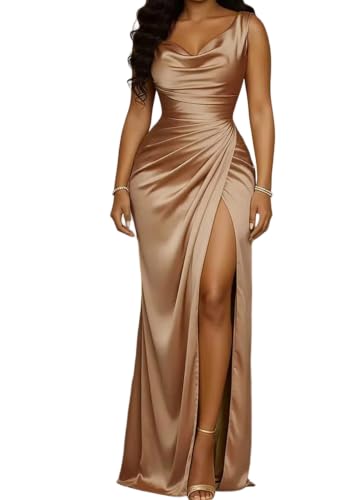
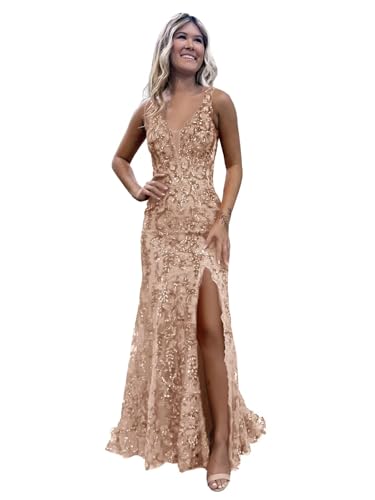
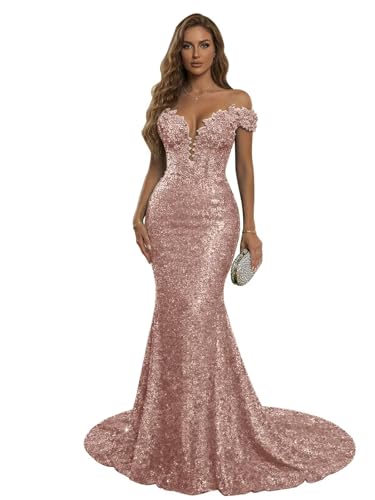
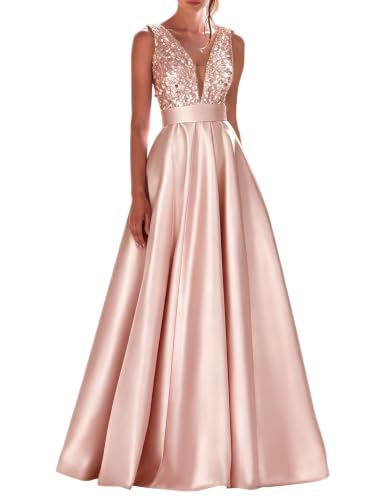

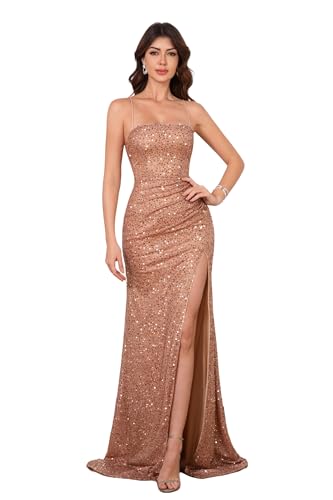



Jenny Yoo Women’s Naomi Criss Cross Back Halter Neck Fitted Crepe Long Gown
Original price was: $285.00.$83.52Current price is: $83.52.


Frequently Asked Questions About Rose Gold Prom Dress
What color is a rose gold prom dress?
It can range from pale blush with gold shine to champagne-pink or copper-pink. Because the term is not standardized, check customer photos, the base fabric, and the embellishment color.
Does rose gold suit every skin tone?
There are cool, neutral, and warm versions, so most shoppers can find a variation they like. Compare the actual dress in natural light rather than relying only on a color rule.
Should jewelry match rose gold exactly?
No. Rose gold, champagne, soft gold, crystal, pearl, nude, silver, or contrasting accessories can work. Choose based on the dress’s actual undertone and amount of embellishment.
Are rose gold sequin dresses heavy?
They can be when sequins or beads cover the full gown. Check reviews, lining, strap support, and how the dress feels after a longer try-on.
How does rose gold photograph?
It may look pink, gold, champagne, or copper depending on light and flash. Take test photos in daylight and indoor lighting before finalizing accessories and makeup.
What shoes work with a rose gold prom dress?
Nude, champagne, gold, rose gold, clear, metallic, or a deliberate contrasting shade can work. Prioritize secure, comfortable shoes that suit the hem.
Can rose gold fabric be altered?
Yes, but sequins, glitter, metallic coatings, and appliqué can increase the difficulty and cost. Ask a tailor before buying when major changes are likely.
Who handles returns for dresses listed here?
Amazon or the listed third-party seller handles the sale and return policy. MotherBrideDress is an affiliate discovery website, so verify the live terms before checkout.
How to Shop Rose Gold Prom Dress with Confidence
Rose gold is not a standardized fabric color. It may describe blush fabric with gold sequins, champagne satin with a pink cast, copper metallic thread, or iridescent sparkle that shifts under light. The same dress can appear pink in daylight, gold under warm indoor lighting, and copper under flash. Therefore, evaluate the base fabric and the reflective finish separately. A clearly described color, multiple lighting conditions, and customer photos are more useful than the category name alone.
Start with the Event and Your Real Wearing Needs
Choose the desired balance of pink and metallic warmth before comparing silhouettes. Pale rose gold feels delicate and romantic; copper rose gold feels richer and bolder; champagne rose gold is more neutral; silver-rose finishes appear cooler. Think about skin undertone, jewelry you already own, the event lighting, and how much shine you want. The goal is not to follow a strict color rule but to select a shade that looks intentional in person and in photos.
Popular Styles and What to Check
Rose gold sequin gowns
Sequins create the clearest metallic effect and strong movement. Check weight, lining, color cast, and whether the sequins scratch the arms.
Rose gold satin dresses
Satin offers a smoother, more restrained sheen. Fabric weight and seam quality determine whether it looks elegant or exposes wrinkles and pulling.
Glitter-tulle ball gowns
Layered tulle with warm glitter creates a romantic, dimensional effect. Review shedding, skirt volume, and how the tone changes through multiple layers.
Rose gold mermaid dresses
The color and fitted silhouette create a high-glamour look. Exact hip fit, stretch, and flare placement are critical.
Lace and appliqué styles
Pink or champagne lining under metallic lace can add texture without all-over shine. Confirm the lining tone and security of the appliqué.
Fabric, Lining, and Construction
Different materials produce different versions of rose gold. Satin reflects in broad highlights and can appear lighter at folds. Sequins create individual points of light and may look more gold from one angle and pink from another. Metallic knit or lamé gives continuous shine but may show body contours. Glitter tulle diffuses the color across layers. Read the listing for base color, embellishment color, lining, stretch, and care. Customer videos are particularly useful because static photos cannot show color shift.
Fit and Measurement Guide
Measure bust, waist, hips, and hollow-to-hem with planned undergarments and shoes. Metallic and light-reflective fabrics make seam tension more visible. A tight satin gown shows horizontal pulling; a loose sequin bodice can sag under weight; a glitter-tulle waist can look bulky when the bodice is too long. Choose according to the seller chart and the least adjustable area. If the dress is heavily embellished, ask about alteration feasibility before relying on tailoring.
Movement, Comfort, and Wearability
Test walking, sitting, turning, and dancing. Sequins can rub the arms, layered tulle can catch, and fitted metallic fabric may restrict steps. A slit or stretch panel can improve mobility, while a long train may be difficult in a crowded venue. Check whether straps stay flat and whether the bodice shifts under the weight of embellishment. The color should remain beautiful while the dress moves; uneven glitter or sparse sequins may become more obvious in motion.
Color, Finish, and Photography
Compare the shade with your skin in both daylight and warm indoor light. Cool undertones may prefer a pinker or silvered rose gold, while warm undertones may enjoy champagne or copper versions, but personal preference is more important than a rule. If ordering online, be prepared for monitor variation. Look for reviews that mention “more pink,” “more gold,” “copper,” or “champagne.” Also consider whether the wedding-like champagne end of the range suits your prom styling goal.
Neckline, Sleeves, Coverage, and Support
Metallic shine amplifies cutouts, slits, and sheer areas. Choose neckline and back coverage with the school dress code and support needs in mind. A corset bodice can create structure, but it should not force the bust upward or wrinkle the waist. Illusion mesh may be beige, pink, or clear and can affect the overall color. Check built-in cups, straps, boning, and whether a standard or strapless bra is possible.
Shoes, Jewelry, Bags, and Styling
Rose gold can be paired with rose-gold jewelry, but exact matching is unnecessary and sometimes looks overly coordinated. Champagne, nude, soft gold, clear crystal, pearl, or even burgundy accessories can work. Silver can create deliberate contrast with a cooler rose shade. Keep jewelry simple with all-over sequins; a smooth satin gown can support a statement earring. Test shoes and clutch beside the actual dress because online color swatches rarely match perfectly.
Season, Venue, and Weather Planning
The shade works across seasons. Pale blush-metallic tones suit spring, warm champagne and copper suit fall, and high-shine sequins work for winter or evening events. Fabric weight matters more than color for comfort. Dense sequins and layered tulle can feel warm, while a lighter satin or sleeveless design may suit a hot venue. Consider outdoor photography because sunset, green surroundings, and warm venue bulbs can shift the perceived color.
How to Compare Two Listings Side by Side
When two rose gold prom dress listings appear similar, compare them in a fixed order instead of switching repeatedly between model photos. Record the exact size-chart measurements, outer fabric, lining, stretch, closure, built-in support, slit or train, garment length, seller, delivery estimate, and return conditions. Then note the features that change the wearing experience: whether the neckline works with your preferred support, whether the skirt permits a normal stride, whether embellishment adds weight, and whether the finish is likely to change under flash. A rose gold sequin gowns and a rose gold satin dresses may share an event label while requiring completely different fit decisions. Ranking the practical fields first makes the final style choice easier and reduces the influence of one highly edited image.
How to Read Product Photos and Reviews
Treat product photos and reviews as evidence with different levels of reliability. Brand or seller images are useful for understanding the intended silhouette, but they may use studio lighting, clipping, retouching, or a model size that does not reflect the garment selected. Look for a full back view, side profile, close detail, zipper area, hem, and seated or moving image. In reviews, prioritize comments that include actual body measurements, purchased size, fabric behavior, length, and the conditions in which the dress was photographed. A statement such as “fit perfectly” is less useful without measurements. Also separate product quality from delivery problems and seller service. Several specific reviews describing the same issue—such as transparency, shedding, zipper tension, or restricted movement—deserve more weight than one vague complaint.
How to Shop Online More Safely
Confirm the selected color name and do not assume every product variation uses the same photos. Read the description for sequin color, base fabric, lining, and whether the image is edited. Customer photos with skin tones and normal backgrounds give better context. Check seller reviews, delivery, returns, and whether custom sizing is final sale. The seller page controls the current transaction, so verify all details again before paying.
What to Check Immediately After Delivery
After delivery, inspect the dress before removing tags or discarding packaging. Confirm that the selected color and size arrived, then examine seams, closure, lining, cups, straps, embellishment, hem, and any train or slit. Try it on with the intended bra, shapewear, and shoes. Take front, side, back, seated, walking, and flash photos in ordinary light. Wear it indoors long enough to notice pressure, scratching, heat, or slipping. Check the return deadline before scheduling alterations, because tailoring usually makes an item non-returnable. If the dress needs several fixes, compare the total tailoring cost with the price of a better-fitting alternative rather than protecting a purchase simply because it has already arrived.
A Final Decision Rule Before You Keep the Dress
Use a three-part decision rule before keeping an prom dress: it must fit the body, fit the event, and fit the total budget. A design that succeeds in only two areas is not a strong purchase. Good fit means secure support and comfortable movement. Event fit means the length, coverage, color, and formality work for the school rules and venue. Budget fit includes shipping, tax, alterations, shoes, and required undergarments—not just the listing price. Score each area honestly after the full try-on. If one category fails badly, return or exchange the dress while the policy still allows it.
Alterations, Preparation, and Care
Protect metallic surfaces from friction, moisture, perfume, and direct heat. Steam satin from the reverse side after testing; avoid direct steam or ironing on sequins, foil, glitter, or glue. Store heavy embellished gowns with support loops or flat if hanging would stretch the shoulders. Keep accessories from rubbing the fabric in the garment bag. Follow the care label and use a formalwear cleaner for complex embellishment.
Common Shopping Mistakes to Avoid
A common mistake is buying by the phrase “rose gold” without checking whether the actual dress is pink, champagne, copper, or strongly metallic. Others include matching every accessory to one exact metallic tone, ignoring sequin weight, and assuming a light-colored lining will be opaque. Do not rely on one studio image. Evaluate customer photos, flash response, lining, and the selected variation. A slightly different shade can change the whole outfit.
Final Shopping Checklist
- Identify whether the base is pink, champagne, or copper.
- Review the finish in daylight, indoor light, and flash.
- Check lining and opacity.
- Measure carefully for reflective fitted fabrics.
- Test sequin, tulle, or metallic comfort.
- Select accessories after seeing the actual shade.
- Verify the exact color variation at checkout.
- Confirm delivery and return conditions.
Explore Related Dress Collections
Use these related MotherBrideDress category pages to compare nearby search intents without forcing one page to answer every dress question. Compare the broader parent collection first, then narrow the choice by silhouette, color, length, occasion, or budget.
Affiliate shopping note: MotherBrideDress may earn a commission from qualifying purchases. Product names, prices, availability, shipping estimates, seller information, and return conditions can change. Always verify the selected size, color, current price, delivery date, and return policy on the live seller page before checkout.