
African Prom Dress
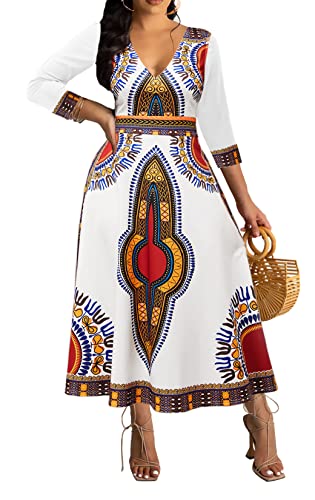
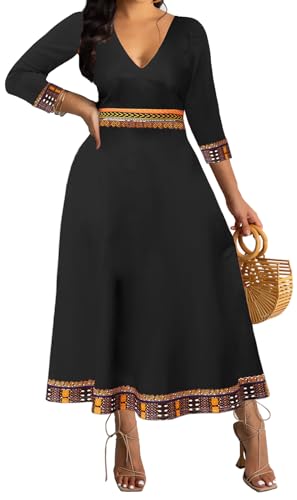
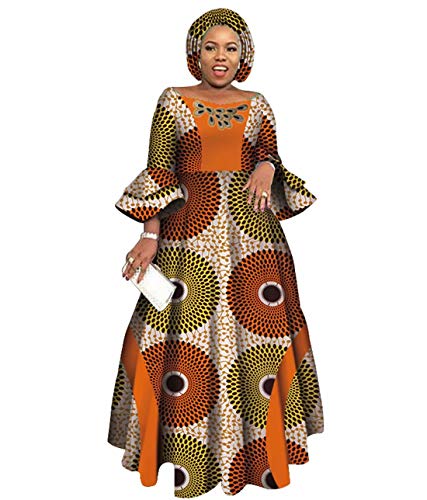
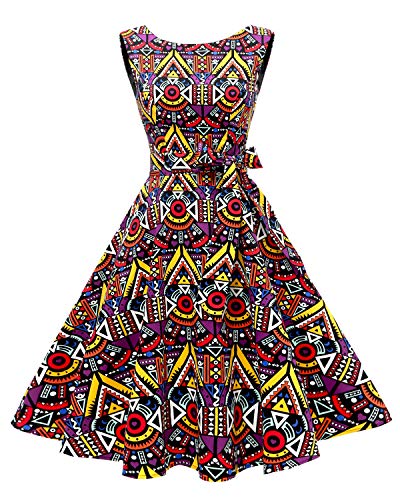
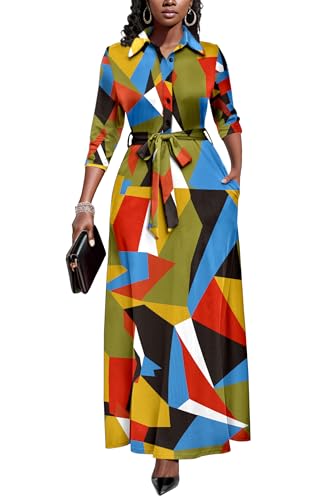
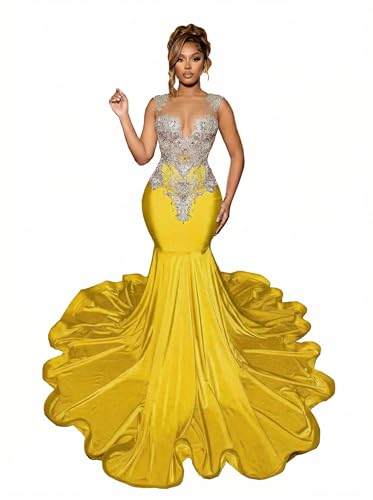
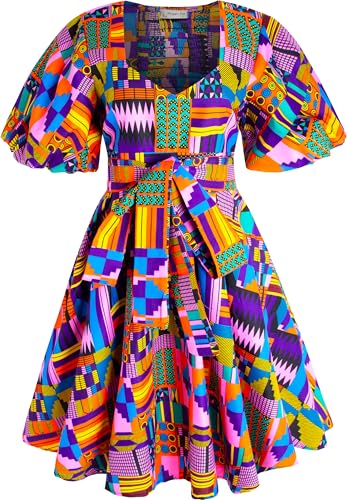
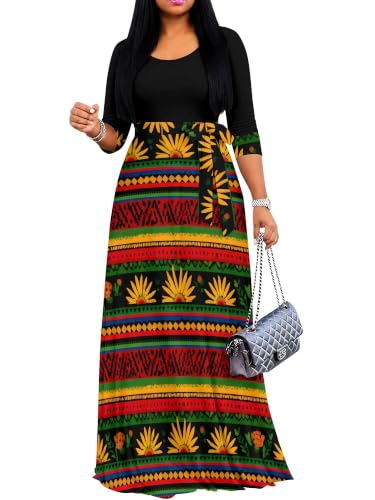
An African prom dress may refer to a gown made with an African textile, a design influenced by a specific regional tradition, a contemporary diaspora fashion label, or a marketplace garment that simply uses bold geometric or wax-print-inspired fabric. Those meanings are not interchangeable. A useful category guide should help shoppers verify what the seller actually states, respect the named culture or textile, and choose a prom-ready garment that fits, moves, photographs, and complies with the school event.Browse the products above to compare the currently indexed marketplace selection. The guide below focuses on evidence-based fit, construction, event suitability, care, and seller verification rather than promising that every product tagged to the category is an exact match.Affiliate shopping note: MotherBrideDress may earn a commission from qualifying purchases. MotherBrideDress is an affiliate discovery website and does not manufacture, stock, sell, ship, or accept returns for the products displayed. Amazon or the listed marketplace seller controls the current price, size and color availability, seller identity, shipping estimate, item condition, and return terms. Confirm the exact selected variation and seller information on the live product page before checkout.










Frequently Asked Questions About African Prom Dress
What does African prom dress mean?
It can mean several different things: a garment by an African or diaspora designer, a dress made with a named textile, a culturally influenced design, or a generic printed gown. Read the exact listing rather than assuming one definition.
Is every Ankara-style prom dress authentic Ankara?
No. Marketplace sellers may use Ankara as a broad keyword. Verify fiber, print method, maker, origin, and brand evidence before repeating authenticity claims.
How do I style an African-inspired prom dress respectfully?
Learn what the textile or design reference means, avoid stereotyped accessories, credit the maker when known, and let the garment’s actual design guide the outfit.
Do large prints change how a prom dress fits visually?
Yes. Motif scale and placement can emphasize seams, waist position, skirt volume, or asymmetry. Review the selected size from several angles.
Can a printed cotton gown be formal enough for prom?
Yes when the silhouette, construction, lining, finish, and event styling are sufficiently polished. Fiber alone does not decide formality.
Are statement sleeves practical for dancing?
They can be, but test shoulder rotation, underarm comfort, snag risk, and how the sleeves interact with other people in a crowded space.
Should I alter a patterned prom dress?
Often possible, but changes may disrupt motif alignment or borders. Ask a tailor which seams and hems can be adjusted cleanly.
Who controls the product claims and returns?
Amazon or the listed seller controls the description, selected variation, shipping, and return terms. MotherBrideDress is an affiliate discovery site.
How to Choose African Prom Dress with Better Evidence
Treat the product grid as a discovery set rather than a guarantee that every item is classified perfectly. The exact selected variation and seller evidence should control the decision.
Most important risk: the phrase “African style” is often used too broadly. A listing can imply authenticity, handmade work, or a particular textile origin without documenting any of those claims. Treat specific cultural and material statements as facts only when the product page supplies credible evidence.
Identify the Design Source Before Judging the Look
Named textile or technique
Look for a precise description such as Ankara-inspired print, kente-inspired weaving, mud-cloth-inspired motif, aso-oke, lace, embroidery, or beadwork. These terms describe different materials and traditions; they should not be collapsed into one generic print category. Record the result instead of relying on memory; small differences become clearer when several listings use similar descriptions.
Contemporary African or diaspora designer
A brand may combine global formalwear construction with a specific cultural point of view. Verify the designer, brand site, garment label, and seller rather than assuming a marketplace keyword proves authorship. Evaluate the selected variation because one marketplace page may combine several colors, sizes, sellers, or related designs.
Print-led prom gown
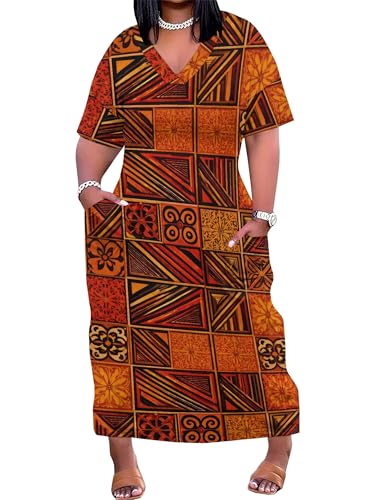
Some products use vivid wax-print-style fabric in a familiar A-line, mermaid, two-piece, or ball-gown silhouette. Judge motif placement, seam matching, scale, and the relationship between print and body proportions. Consider appearance and operation together: support, closure, lining, comfort, and alteration feasibility determine real usability.
Traditional-reference garment
When a dress references ceremonial clothing, research the context and avoid presenting it as a costume. The wearer should understand the meaning, event appropriateness, and whether adaptations are respectful. Do not let one close photograph outweigh missing evidence about the full silhouette, interior, back view, or measurements.
Generic keyword listing
If the page provides no origin, maker, textile, or technique information, describe only what is visible: color, motif, silhouette, fabric behavior, and construction. Do not invent provenance. Use full-length front, side, and back views, then test the delivered garment while seated and moving.
Fit Details That Change the Result
Motif placement across the bodice
Large motifs can be cut or distorted at darts, princess seams, cups, and zippers. Inspect front, side, and back views to see whether the placement looks intentional. Use full-length front, side, and back views, then test the delivered garment while seated and moving.
Structured bodice and waist
Printed gowns often use a fitted bodice to balance skirt volume. Confirm bust depth, boning, waist seam position, closure strength, and whether the lining carries the load. Record the result instead of relying on memory; small differences become clearer when several listings use similar descriptions.
Skirt volume and doorway clearance
Full skirts may require space in cars, seating rows, and dance floors. Check petticoat structure, train length, hoop use, and whether the wearer can manage the volume safely. Evaluate the selected variation because one marketplace page may combine several colors, sizes, sellers, or related designs.
Sleeve and shoulder engineering
Statement sleeves can add identity but restrict reaching or hide a loose armhole. Test shoulder rotation, underarm comfort, cuff closure, and attachment strength. Consider appearance and operation together: support, closure, lining, comfort, and alteration feasibility determine real usability.
Alteration around print matching
Taking in a patterned garment can disrupt motif alignment. Ask a tailor which seams can be changed without producing obvious breaks or uneven borders. Do not let one close photograph outweigh missing evidence about the full silhouette, interior, back view, or measurements.
Measurements, Ease, and Movement
Take current body and vertical measurements
Measure bust, waist, high hip, full hip, shoulder width, torso length, sleeve dimensions, and the shoulder-to-hem length relevant to the garment. Measure over the undergarments planned for the event. Marketplace charts are not standardized, so a remembered U.S. size is not enough. Do not let one close photograph outweigh missing evidence about the full silhouette, interior, back view, or measurements.
Compare body and garment dimensions
When finished garment measurements are available, compare them with the body chart and the intended ease. A rigid woven bodice, stretch knit, full skirt, and bias-cut slip require different room. Use full-length front, side, and back views, then test the delivered garment while seated and moving.
Test the complete range of motion
Walk, sit for several minutes, climb stairs, reach, raise the arms, turn, and enter or leave a car. Watch for rising hems, twisting seams, opening wraps, tight linings, pressure, slipping necklines, or scratchiness. Record the result instead of relying on memory; small differences become clearer when several listings use similar descriptions.
Use the planned shoes and support
Bras, shapewear, slips, hosiery, adhesive products, and heel height change fit and hem position. Test them during the return window rather than on the event day. Evaluate the selected variation because one marketplace page may combine several colors, sizes, sellers, or related designs.
Price alteration limits before acceptance
Simple straps and plain hems may be manageable, while lace borders, beadwork, boning, print matching, trains, and unusual seams can make changes expensive or risky. Consider appearance and operation together: support, closure, lining, comfort, and alteration feasibility determine real usability.
Fabric, Lining, and Surface Behavior
Wax-print-style cotton
Crisp cotton can support sculptural shapes and strong color. Check fiber disclosure, print registration, shrinkage instructions, seam finishing, and whether the garment is lined for formal comfort. Record the result instead of relying on memory; small differences become clearer when several listings use similar descriptions.
Brocade or jacquard
Woven motifs add depth and structure but may be heavy or prone to fraying. Inspect seam bulk, lining, pressing marks, and whether the fabric softens or stays rigid while seated. Evaluate the selected variation because one marketplace page may combine several colors, sizes, sellers, or related designs.
Lace and guipure
Lace may be culturally specific or simply decorative. Verify backing color, edge finish, motif placement, snag risk, and whether the seller identifies the material accurately. Consider appearance and operation together: support, closure, lining, comfort, and alteration feasibility determine real usability.
Beading and hand-detail claims
Look for close photographs, reverse-side finishing, spare pieces, and seller documentation. “Handmade” or “hand beaded” should not be repeated as fact without evidence. Do not let one close photograph outweigh missing evidence about the full silhouette, interior, back view, or measurements.
Mixed fabric construction
A printed skirt with satin, mesh, tulle, or velvet bodice can create useful contrast. Check color matching, different stretch rates, and care instructions for every component. Use full-length front, side, and back views, then test the delivered garment while seated and moving.
Respectful Language and Provenance Checks
Use the most specific accurate language available. If the seller names a textile, region, maker, or technique, verify that statement before repeating it. If the evidence is weak, describe the visible garment rather than assigning cultural authority.
Africa contains many countries, communities, textile histories, and contemporary fashion industries. A category page should not imply that one motif represents the continent. This distinction is both respectful and commercially useful because it helps shoppers compare real construction instead of vague branding.
Reverse-image searching a product photo, checking the brand’s own site, and reading garment labels can expose copied descriptions or unsupported origin claims. These checks matter more when a higher price is justified through craftsmanship or cultural provenance.
Respect does not require avoiding bold fashion. It requires accurate sourcing, informed styling, and refusing to turn a meaningful design reference into a costume.
Match the Dress to the Real Occasion
School prom
Confirm dress-code coverage, train practicality, seated comfort, and whether the design remains secure during dancing and photographs. Evaluate the selected variation because one marketplace page may combine several colors, sizes, sellers, or related designs.
Cultural celebration connected to prom
When the outfit carries family or cultural meaning, involve knowledgeable relatives, makers, or community sources in the styling decision. Consider appearance and operation together: support, closure, lining, comfort, and alteration feasibility determine real usability.
Formal banquet
A structured printed gown can work well when the venue supports its scale. Plan chair space, coat storage, and movement through crowded areas. Do not let one close photograph outweigh missing evidence about the full silhouette, interior, back view, or measurements.
Graduation gala
Prioritize walking, stage movement, and compatibility with any sash, stole, or academic element. Use full-length front, side, and back views, then test the delivered garment while seated and moving.
Future repeat wear
Consider whether the garment can be restyled for weddings, galas, heritage events, or formal dinners without losing its intended context. Record the result instead of relying on memory; small differences become clearer when several listings use similar descriptions.
Accessories and Outfit Balance
Let one textile lead
When the print or weaving is complex, keep shoes, bag, and jewelry controlled so the design remains readable. Consider appearance and operation together: support, closure, lining, comfort, and alteration feasibility determine real usability.
Use culturally informed accessories
Do not add random “tribal” accessories. Choose pieces with known origin or use simple contemporary jewelry that does not pretend to cultural specificity. Do not let one close photograph outweigh missing evidence about the full silhouette, interior, back view, or measurements.
Match one secondary color
A shoe or bag can repeat a smaller print color rather than the dominant shade. Test the actual delivered fabric in daylight. Use full-length front, side, and back views, then test the delivered garment while seated and moving.
Plan hair around the neckline
Statement shoulders, high necklines, and sculptural sleeves may need a hairstyle that preserves the silhouette and comfort. Record the result instead of relying on memory; small differences become clearer when several listings use similar descriptions.
Photograph pattern at distance
Take full-length test images because a motif that looks balanced close up can create unexpected visual bands in group photographs. Evaluate the selected variation because one marketplace page may combine several colors, sizes, sellers, or related designs.
How to Evaluate the Exact Marketplace Listing
Select the intended size and color first. Then reread the title, seller, brand, condition, price, delivery estimate, material, size chart, included pieces, and return policy. Marketplace information can change when the variation changes.
- Exact seller and brand identity
- Specific textile, technique, or cultural claim and its evidence
- Fiber content and lining composition
- Front, side, back, and close pattern photographs
- Garment measurements and bodice structure
- Print placement on the selected size
- Delivery date and alteration feasibility
- Return policy for formal or custom-like garments
Reviews are useful when they provide body measurements, height, selected size, recent photographs, movement comments, and seller-specific evidence. A one-line opinion is less diagnostic than repeated detail about fit, fabric, color, condition, closure, shipping, or returns.
Save the selected variation and terms when timing or coordination matters. Do not assume that a delivery date, discount, seller, or return window will remain unchanged.
Delivery Inspection and Return-Window Test
- Confirm that the delivered color, size, brand, seller information, condition, and included pieces match the order.
- Inspect seams, zipper, hooks, lining, hem, surface detail, stains, odors, pulls, and signs of prior wear before a long try-on.
- Test the garment in daylight, indoor light, and phone flash; photograph front, side, and back at normal posture.
- Repeat sitting, walking, stairs, arm movement, shoes, support, outerwear, and event-specific tests.
- Keep tags, packaging, spare pieces, and order documentation until the garment passes every check and the return decision is complete.
Complete the inspection promptly. Event clothing often becomes a problem because the buyer waits until the exchange or alteration window has closed.
Alterations, Care, and Storage
Read the sewn-in care label and compare it with the listing. Do not assume that every garment in the category can be washed, steamed, pressed, or spot-treated in the same way. Use professional care when delicate fabric, age, dye, embellishment, or adhesive requires it.
Ask a tailor before ordering when the likely change crosses a zipper, boning, print, lace motif, beadwork, shaped hem, sleeve, train, or complex lining. Total cost and risk may make another listing the better value.
Store the accepted garment clean, fully dry, and protected from rough surfaces. Support heavy pieces, avoid crushing structured fabric or detail, and allow enough space that the neckline, sleeves, and hem do not distort.
Common Shopping Mistakes
- Treating all African design traditions as one style
- Repeating “authentic,” “traditional,” or “handmade” without proof
- Choosing from a cropped print image without seeing motif placement
- Ignoring the weight and movement of a full skirt
- Adding stereotyped accessories with no connection to the garment
- Ordering from a generic size label
- Assuming a cultural-reference garment is automatically appropriate for every wearer or event
- Removing tags before inspecting the exact seller item
Reject a dress that succeeds only in a still front photograph. Keep the option that fits the actual event, survives movement, coordinates with the planned outfit, arrives with workable seller terms, and requires no uncertain last-minute correction.
Final Shopping Checklist
- Confirm the exact category intent, selected variation, seller, and current return terms.
- Take current measurements and compare the correct chart rather than a familiar size label.
- Check neckline, shoulder, bust, waist, hip, sleeve, lining, and actual hem placement.
- Review fabric opacity, stretch, reflection, surface comfort, and care requirements.
- Test sitting, walking, stairs, reaching, dancing, shoes, support, and outerwear.
- Inspect the delivered condition and color in several lighting environments.
- Estimate tailoring, cleaning, accessory, and backup costs before final acceptance.
- Keep tags and packaging until the complete decision is finished.
Explore Related Dress Collections
Use these related MotherBrideDress category pages to change one shopping variable at a time. The internal links separate color, occasion, size, construction, and formality rather than forcing every adjacent keyword onto one page.
Affiliate shopping note: MotherBrideDress may earn a commission from qualifying purchases. MotherBrideDress is an affiliate discovery website and does not manufacture, stock, sell, ship, or accept returns for the products displayed. Amazon or the listed marketplace seller controls the current price, size and color availability, seller identity, shipping estimate, item condition, and return terms. Confirm the exact selected variation and seller information on the live product page before checkout.