
Turquoise Prom Dress
Turquoise Prom Dress options sit in a vivid blue-green color family that can range from clear tropical turquoise to greener aqua-leaning or deeper jewel-toned versions. For US shoppers, retailer shade names are not standardized, so the selected swatch and received garment matter more than the word “turquoise” in the product title.
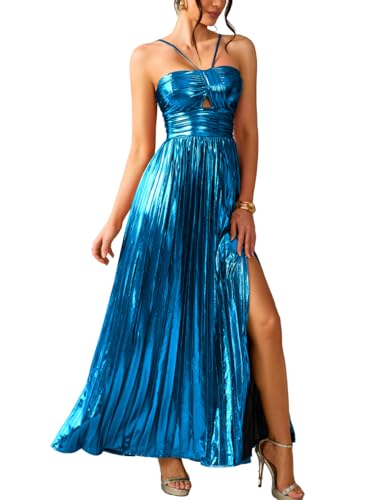
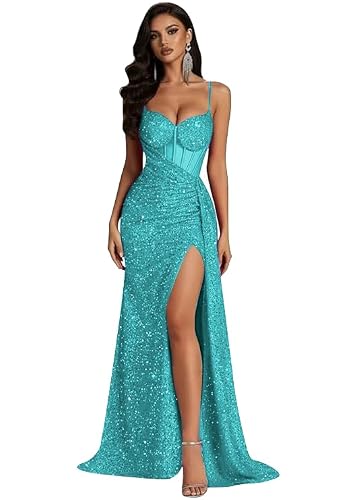
Fabric finish changes this color dramatically. Satin can make turquoise look brighter, sequins may shift it toward blue or green under flash, and layered tulle can soften the shade. Before coordinating shoes, jewelry, a date’s tie, or group photos, view the actual dress in neutral daylight and test how it photographs indoors.
Compare neighboring color paths through teal prom dresses, blue prom dresses, light blue prom dresses, or return to all prom dresses when the exact blue-green shade is still undecided.








Frequently Asked Questions About Turquoise Prom Dress
Is turquoise the same as teal?
Not exactly. Turquoise usually reads brighter and more blue-green, while teal is often deeper and darker. Retailer naming varies, so compare the actual swatch and customer photos.
What colors go with a turquoise prom dress?
Silver, crystal, nude, white, gold, and tonal blue-green accessories can work depending on the dress undertone and visible hardware.
How can I tell whether turquoise will photograph accurately?
Compare the dress in daylight, warm indoor light, and flash because blue-green shades can shift noticeably on satin, sequins, and reflective fabrics.
What silhouettes are common in turquoise?
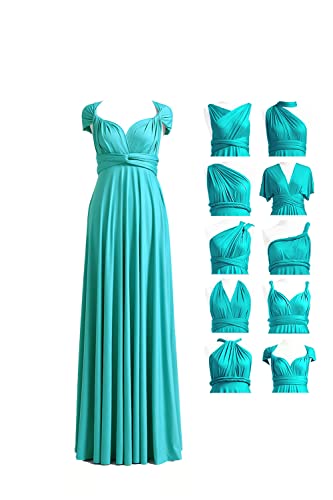
Turquoise appears in fitted gowns, mermaids, A-lines, ball gowns, high-slit dresses, and embellished tulle styles.
How should I choose a size?
Use the seller-specific bust, waist, hip, and length chart for the exact dress rather than relying on a familiar US label size.
Can turquoise dresses be altered?
Often, but beadwork, sequins, lace, corsetry, and layered skirts can raise tailoring cost. Shade-matching added fabric can also be difficult.
What should I verify before ordering?
Confirm the selected color variation, fabric, lining, support, measurements, seller, delivery estimate, return terms, and school dress-code requirements.
Turquoise vs Teal, Aqua, and Light Blue
Turquoise usually occupies a brighter blue-green range than teal, while aqua may appear lighter and more water-blue. Because sellers use these names loosely, compare product photos, variation labels, and customer images instead of treating the terms as exact color standards.
How Fabric Changes Turquoise
Satin creates directional highlights, velvet deepens the shade, chiffon softens saturation, tulle can look lighter through layering, and sequins may introduce silver or rainbow reflections. A turquoise dress can therefore look different from the thumbnail once it is moving under venue lighting.
Silhouettes and Statement Details
Current turquoise formalwear can include fitted glitter gowns, feather accents, high slits, open backs, strapless bodices, mermaids, and tulle layers. Choose these details for support and movement as well as visual impact.
Photography and Color Coordination
Take test photos near a window, under warm room lighting, and with flash. This reveals whether the dress leans more blue or green and helps avoid mismatched accessories. Coordinate jewelry with visible stones, beads, zipper hardware, or metallic embroidery rather than choosing metal color from the shade name alone.
Fit, Support, and School Rules
Deep necklines, open backs, side cutouts, and high slits appear frequently in statement-colored prom gowns. Check the complete construction against your school or venue rules, then test the bodice through sitting, hugging, stairs, and dancing.
Alterations and Shade Matching
If the dress needs added straps, modesty panels, or replacement fabric, matching a saturated turquoise dye lot may be difficult. Ask a tailor about feasibility before the return deadline, especially when the garment includes sequins, feathers, or layered mesh.
Online Ordering Checks
Save the exact selected color, seller, size chart, delivery estimate, and return policy at checkout. Some listings group several colors under one product page, so reviews and photos for another variation may not accurately represent the turquoise version.
Choosing the Best Turquoise Prom Dress
Shortlist by actual shade, silhouette, support, coverage, fabric behavior, and movement. The strongest choice should look consistent in your expected lighting and remain secure for the full event.
Turquoise Prom Dress Color Families: Aqua, Teal, Cyan, and Blue-Green
A turquoise prom dress sits between blue and green, but retailer naming can overlap with aqua, cyan, peacock, Caribbean blue, and light teal. For shopping purposes, compare the actual swatch rather than assuming two dresses labeled turquoise will match. A clearer, brighter turquoise often reads more tropical, while deeper green-blue versions can look closer to teal prom dresses.
This distinction matters when coordinating a date’s tie, boutonniere, jewelry, shoes, or group colors. Save a daylight photo of the received dress and use that image for color matching. Screens can shift saturation, and satin, sequins, mesh, and layered tulle can all change the visible balance of blue and green.
Turquoise Satin, Tulle, Sequin, and Glitter Prom Dresses
Turquoise satin prom dresses produce strong highlights and can look brighter along folds, while turquoise tulle softens the color through translucent layers. Sequin and glitter versions add reflective points that may appear silver, blue, green, or multicolor under flash. Jersey and stretch crepe usually show the shade more evenly because the surface is less reflective.
Choose fabric based on both color effect and silhouette. Satin works well for clean corset gowns, A-lines, fitted dresses, and draped skirts. Tulle supports ball gowns, tiered skirts, and floral appliqué. Sequins suit fitted and statement silhouettes but add weight and potential scratch points. A useful comparison is the broader blue prom dresses collection if turquoise feels too green or too bright.
Best Jewelry and Shoe Colors for a Turquoise Prom Dress
Silver and crystal accessories often reinforce the cooler side of turquoise, while gold can create a warmer contrast against greener turquoise shades. Nude, metallic, white, clear, and tonal blue-green shoes can all work depending on the exact undertone and dress hardware. Match visible zipper pulls, rhinestones, bead settings, or metallic embroidery before choosing a jewelry metal.
If the dress has heavy sparkle, choose smaller earrings and a simple clutch. For a clean satin turquoise gown, statement earrings or a metallic shoe can add detail without competing with the fabric. Avoid trying to match turquoise accessories exactly unless the tones are genuinely close; a deliberate neutral is usually more cohesive than two blue-green shades that almost match but visibly conflict.
Turquoise Prom Dress Makeup and Photography
Turquoise can reflect onto nearby skin in strong colored lighting, especially at venues with blue LEDs. Test the dress under neutral daylight, warm indoor light, and flash before finalizing makeup. Cool silver eye looks, warm bronze tones, soft neutrals, and defined liner can all work, but the best choice depends on the actual shade rather than the color name alone.
For photos, check whether the fabric becomes much brighter than expected under flash. Sequins and metallic finishes can create hotspots, while satin may reflect a strong white streak along folds. Photograph the front, back, and seated position so you can confirm that the lining, cups, and side seams remain discreet when the color is illuminated strongly.
Turquoise Corset, Mermaid, A-Line, and Ball Gown Styles
Turquoise works across corset prom dresses, mermaid gowns, A-line silhouettes, fitted columns, and ball gowns, but the color alone should not choose the shape. A corset tulle gown emphasizes waist definition and volume, while a fitted turquoise mermaid dress focuses attention on hip fit and the flare point. A-line silhouettes offer more stride and can make layered color look softer.
When shopping a bright color, construction details remain essential: check boning, cups, back closure, slit height, lining, and hem. A vivid shade will not compensate for a bodice that shifts or a skirt that restricts movement. Use the light blue prom dresses category if you want a softer blue family with less green intensity.
Ordering a Turquoise Prom Dress Online
For online orders, save the selected color name, size chart, seller, delivery date, and return terms at checkout. Verify that product images correspond to the turquoise variation rather than another color on the same listing. Customer photos are most useful when reviewers identify which color they bought because studio editing can make turquoise look more blue or more green.
After delivery, compare the dress with your planned accessories in natural light before removing tags. Check for dye transfer, uneven lining, visible cups, seam puckering, and any difference between the bodice and skirt color. If alterations require replacement fabric or added straps, ask the tailor whether a close turquoise match is realistically available before the return window closes.