
M Dresses for Women
M Dresses for Women is a size-led shopping page for dresses sold in a medium or “M” option, but medium is not a universal body measurement. In the US market, one brand’s M may correspond to a different bust, waist, hip, or numeric size than another brand’s M, and juniors, misses, petite, plus, bridal, and imported size systems can shift the fit again. The most useful way to shop this category is to treat “M” as a filter and then verify the exact seller chart, garment measurements, stretch, cut, and intended ease for each dress.
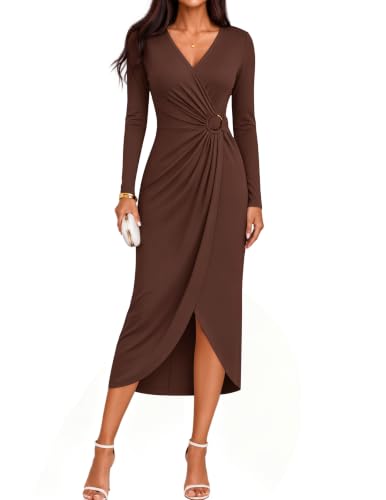
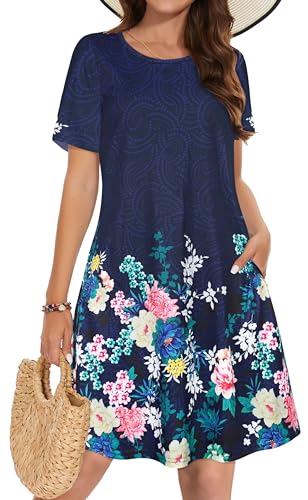
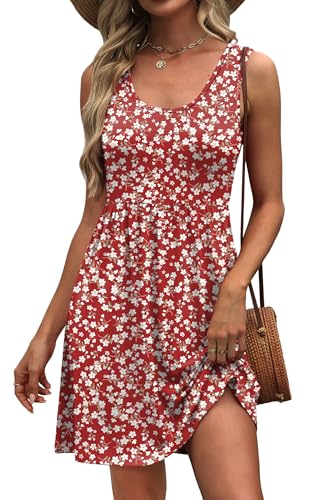
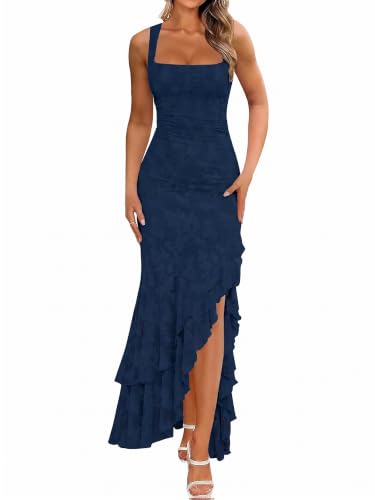
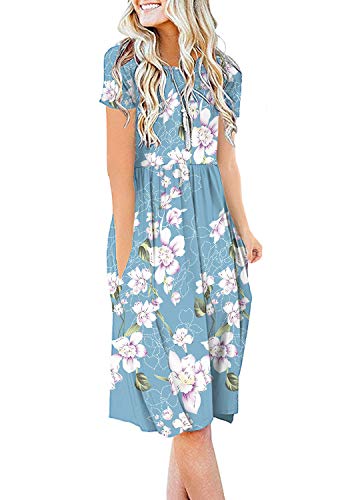
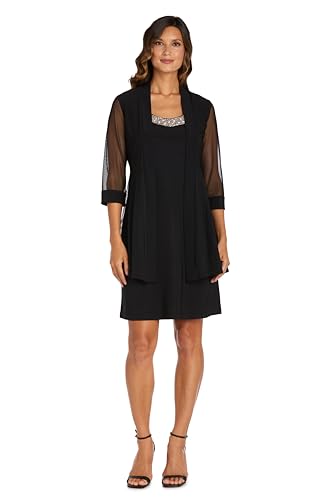
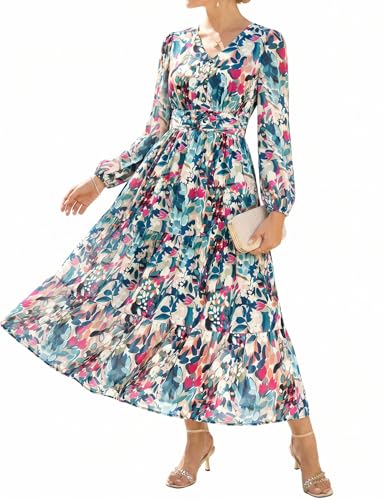
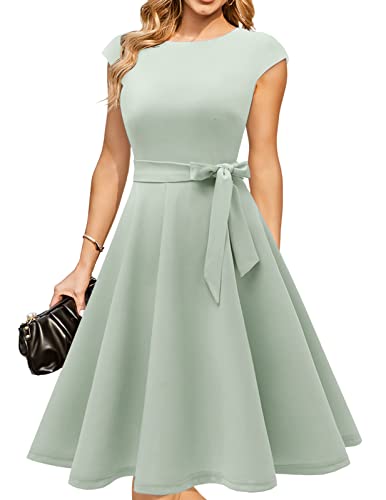
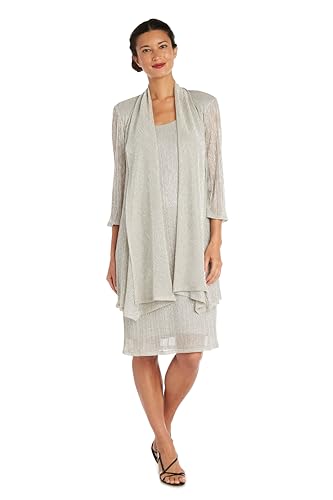
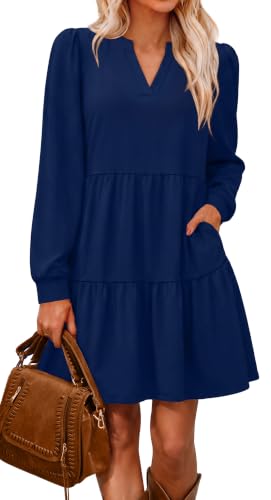
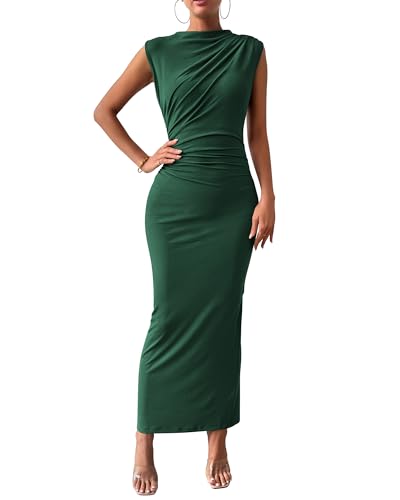
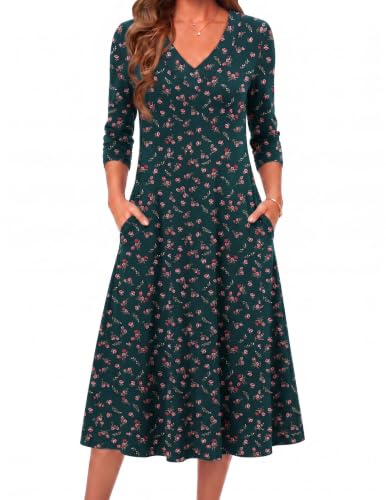
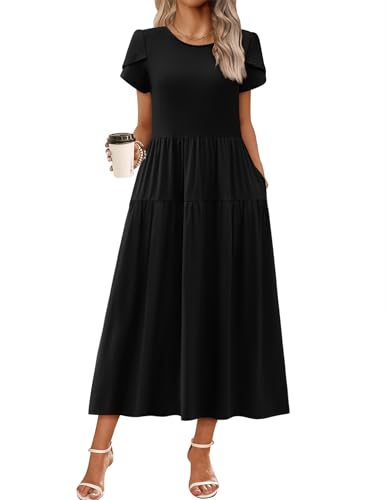
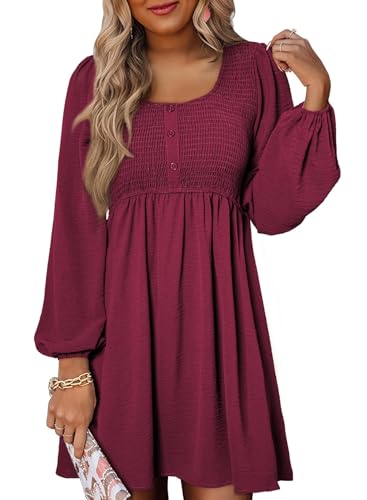
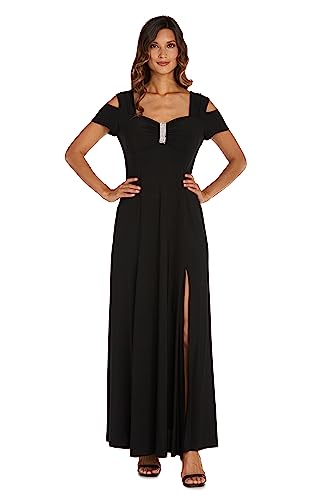
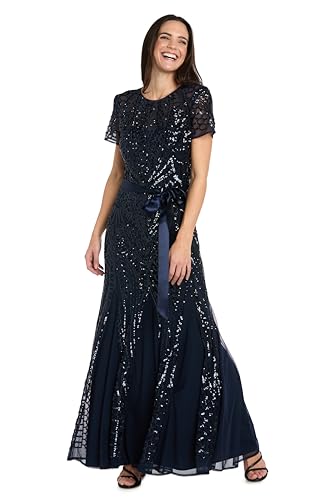
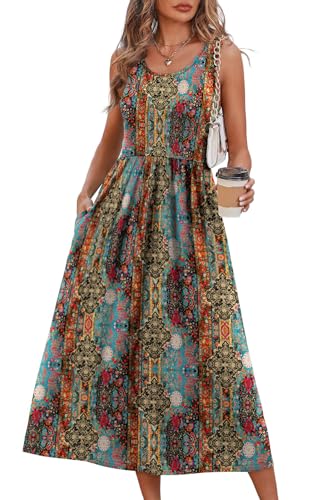
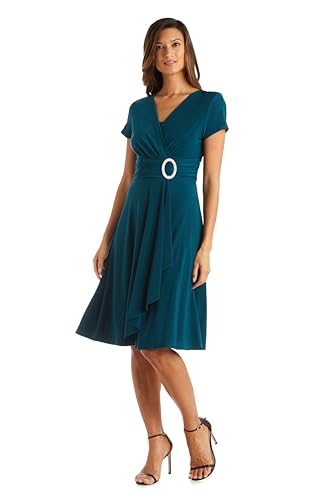
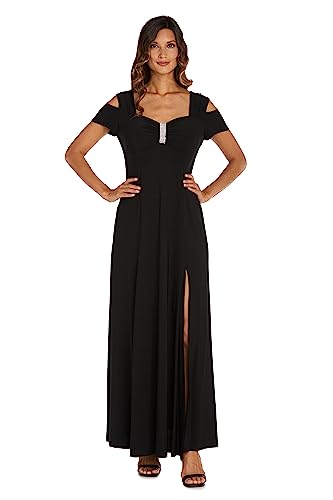
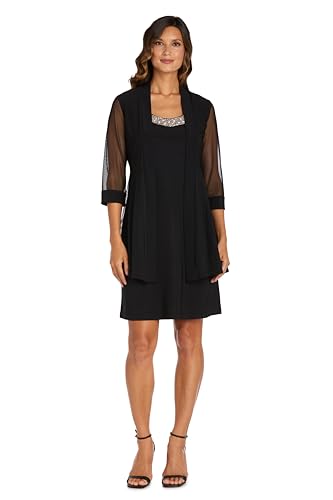
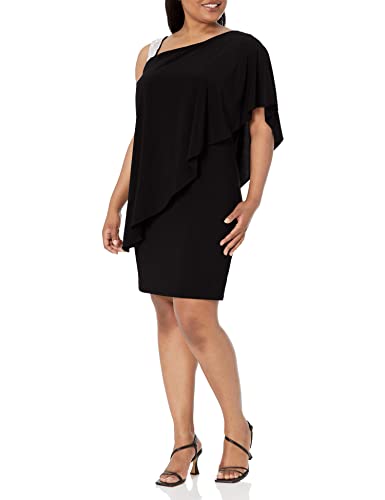
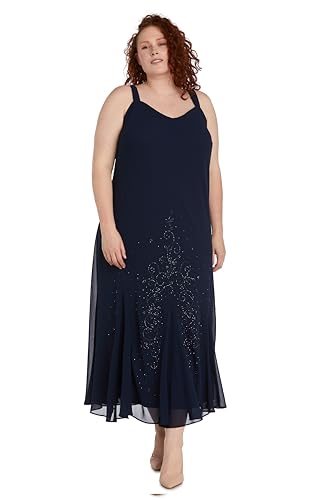
The live assortment spans casual, maxi, wedding-guest, cocktail, and formal styles, so shoppers should narrow by occasion as well as size. Compare this collection with all dresses by size, size 12 dresses, petite dresses, and formal dresses. A medium label is only useful when the dress construction and measurements fit the wearer and occasion.




Frequently Asked Questions About M Dresses for Women
Is women’s size M the same across all brands?
No. Medium is an alpha-size label defined by each brand or seller, so bust, waist, hip, and numeric equivalents can vary.
Is medium always the same as US size 12?
No. Some brands may overlap M and size 12, but there is no universal conversion. Check the exact product chart.
What measurements should I take for an M dress?
Measure bust, waist, high and full hip, shoulders, torso length when relevant, and preferred dress length.
Does stretch make medium sizing more forgiving?
Sometimes, but stretch percentage and recovery vary. Structured or lined areas may have less stretch than the outer fabric.
Should I choose petite M if I am short?
Choose petite when the brand’s petite proportions better match your height and torso. Petite changes vertical proportions, not just hem length.
Can a medium formal dress be altered?
Often, but complex bodices, sleeves, lace, sequins, pockets, boning, and lining can increase cost.
What should I verify before buying a medium dress online?
Check the seller-specific chart, intended fit, fabric and stretch, garment length, seller, delivery timing, return policy, and review details.
What Medium or M Actually Means
Alpha sizing compresses several body measurements into a single label. Brands build their own size charts, so M should never be treated as one fixed US numeric size. A medium knit sundress may allow significant stretch and ease, while a medium satin sheath may fit very closely at the bust and hip. Marketplace sellers can also convert international sizing into M using their own chart.
Before ordering, record bust, natural waist, high hip, full hip, shoulder width, and preferred length. Use the exact chart attached to the selected product, and confirm whether measurements describe the body or the finished garment.
Medium vs Numeric Size 12
Medium and US size 12 can overlap in some brands, but they are not synonyms. A seller may map M to a different numeric range, while another may sell the same dress only in numerical sizes. Size 12 also behaves differently across misses, juniors, petite, bridal, and designer formalwear. That is why this M category and the size 12 dresses page should remain distinct only when products are actually tagged according to their available size options.
When a dress offers both M and numerical sizing, choose from the manufacturer chart rather than assuming the two labels translate directly.
Casual Medium Dresses and Intended Ease
T-shirt dresses, shirt dresses, loose maxis, boho dresses, sundresses, smocked styles, and knit shifts often include intentional ease. The garment may be designed to fall away from the body rather than match bust, waist, and hip measurements closely. Review fabric composition and fit notes to understand whether “medium” is meant to be fitted, regular, relaxed, oversized, or stretchy.
For casual styles, also check pocket placement, shoulder seam position, sleeve opening, and hem length. Those details determine whether the dress looks intentionally relaxed or simply too large.
Formal Medium Dresses Need More Exact Measurements
Formal dresses in satin, crepe, lace, chiffon with fitted lining, sequins, or structured bodices usually allow less sizing error. A medium label is not enough for a corset gown, fitted sheath, mermaid dress, or strapless formal style. Cup depth, torso length, back width, waist placement, and hip ease can matter as much as the main three measurements.
Test sitting, reaching, walking, and dancing before removing tags. Formal fabrics can look smooth while standing but reveal pulling, twisting, or zipper strain after movement.
Stretch Percentage and Fabric Recovery
Elastane, spandex, knit structure, smocking, ribbing, and bias construction can give a medium dress flexibility, but stretch alone does not guarantee a good fit. Recovery matters: fabric should return to shape instead of bagging at the seat, waist, elbows, or neckline after wear. Woven cotton, linen, satin, brocade, and many lace fabrics may have little or no stretch even if another panel does.
Read the material description carefully and do not size down simply because a product contains stretch. Excess negative ease can distort seams and shorten the dress in motion.
Bust, Waist, Hip, and Torso Proportion
Two people with the same bust-waist-hip measurements may still need different dress cuts because torso length, bust position, shoulder width, and rise differ. Wrap dresses offer some bust and waist adjustment, while sheath and bodycon styles require closer proportional alignment. Empire seams can work well when the underbust position matches the wearer; if the seam sits too high, the entire skirt hangs incorrectly.
For one-piece dresses, prioritize the least flexible area and ask whether other areas can be tailored without changing the design.
Medium Petite, Regular, and Long Lengths
A petite medium and regular medium can share similar circumference measurements while using different vertical proportions. Petite garments may shorten the bodice, rise, sleeve, and hem rather than simply trimming the bottom. That distinction matters for dresses with waist seams, knee seams, ruffles, pockets, or fitted hips.
If height or vertical proportion is a recurring fit issue, compare the petite dresses collection instead of relying on hemming to correct a regular medium dress.
Sleeves, Shoulders, and Armholes
Medium sizing can fail at the shoulders or upper arms even when the torso fits. Check shoulder seam position, upper-arm circumference for fitted sleeves, and armhole depth. Puff sleeves, cap sleeves, structured shoulders, and fitted lace sleeves each need different ease. Sleeveless dresses can also cut too high or low around the armhole.
Raise both arms and reach forward. If the entire dress lifts excessively, the armhole or shoulder may be too restrictive. Tailoring shoulders is often more complex than taking in a waist.
Length: Mini, Midi, Maxi, and Floor-Length Medium Dresses
The M label does not predict garment length. Mini and knee-length styles can move higher when the wearer sits, while maxi and floor-length dresses depend on height and shoe choice. Check garment-length measurements when available instead of judging from a model whose height may be very different.
For formal floor-length dresses, select shoes before final hemming. For casual maxis, verify that the hem will not drag on stairs, sidewalks, beach surfaces, or while commuting.
Occasion Filtering Within the M Category
The current assortment mixes casual daywear with wedding guest, cocktail, formal, mother-of-the-occasion, and party dresses. Use occasion as a second filter after size. A medium floral sundress, medium work sheath, medium cocktail midi, and medium evening gown solve completely different wardrobe needs even though all share the same alpha label.
For higher-formality events, move to the formal dresses hub and verify whether the desired product offers M or an equivalent seller-specific numerical option.
Returns and Seller-Specific Medium Charts
Affiliate inventory can mix sellers that define medium differently. Save the product page, seller, size chart, selected color, material, delivery date, and return policy. Reviews should be read for measurements and fit details rather than statements such as “true to size,” because true-to-size comments depend on the reviewer’s reference brand and preferred ease.
If the seller provides garment measurements, compare them with a dress you already own and like. This can be more useful than comparing body charts alone, especially for relaxed or oversized styles.
Alterations for Medium Dresses
Simple side seams, straps, and plain hems can often be adjusted, but tailoring cost rises with zippers, pockets, lining, lace, prints, beading, boning, pleats, or complex sleeves. A medium dress that is wrong through shoulders or torso may require more reconstruction than a neighboring size that is slightly loose at the waist.
For occasion dresses, get alteration advice before the return window closes. For inexpensive casual dresses, replacement in a better size may be more practical than major tailoring.
How to Shop M Dresses for Women Efficiently
Use M as a starting filter, then verify the chart, fabric, intended ease, bust-waist-hip measurements, shoulders, torso, length, and occasion. Compare the least flexible part of the dress first. If a regular medium repeatedly misses your vertical proportions, use the petite collection; if your target is a numerical label, compare size 12 dresses.
The goal of a size-led category is not to claim that every medium fits the same. It is to shorten the product search while keeping brand-specific measurement verification at the center of the decision.